

Restoring the Mease: A River’s Revival
For 150 years, the River Mease in the English Midlands had been significantly altered by human activity, resulting in habitat destruction and ecological decline. However, since 2013, a dedicated restoration initiative has been underway, led by the Trent Rivers Trust (TRT), which has revitalized the river and its surrounding wetlands, now teeming with wildlife.
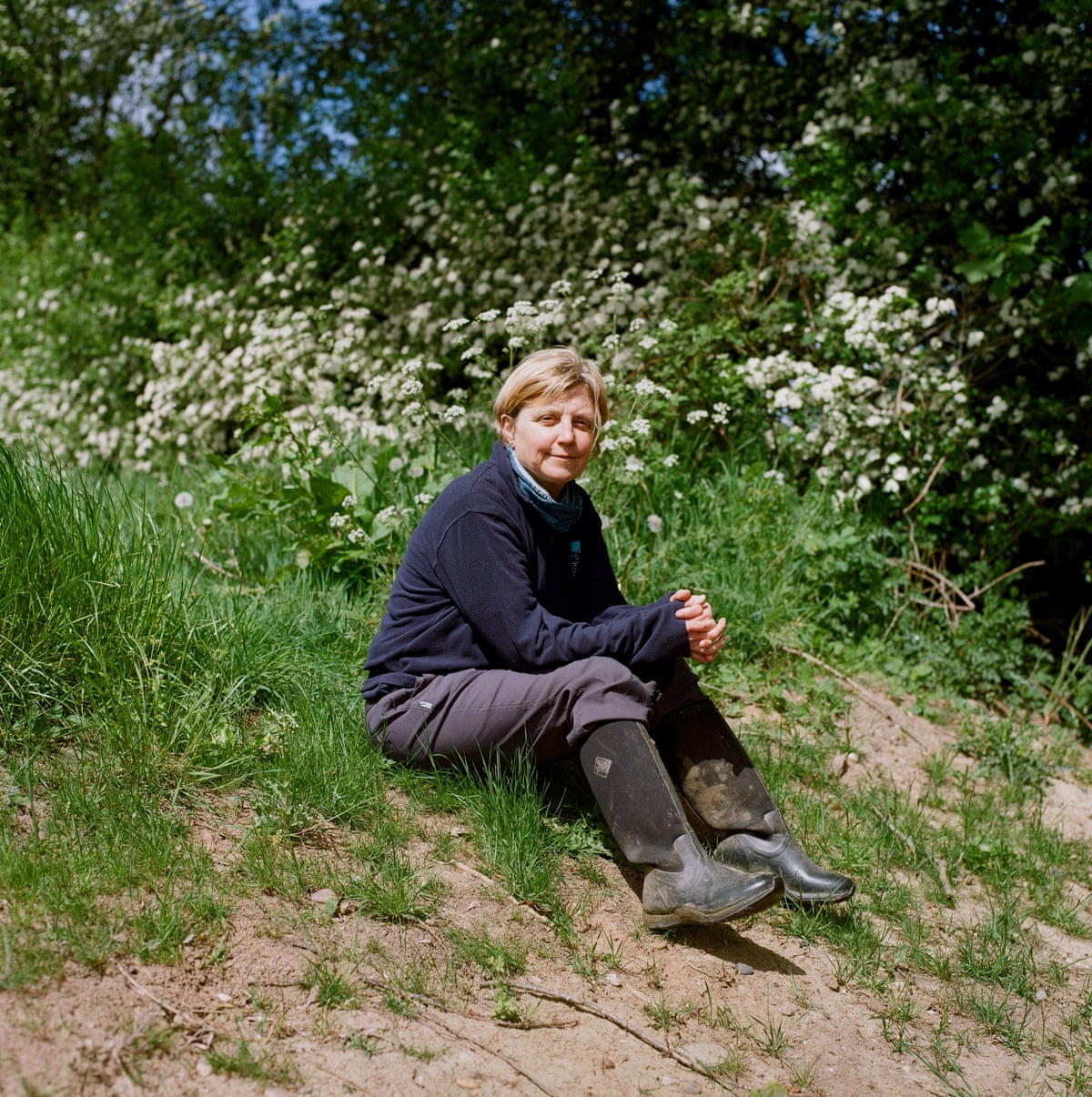
“A noisy river is a healthy river,”says Ruth Needham of the Trent Rivers Trust. The Mease, flowing through Leicestershire, south Derbyshire, and Staffordshire before joining the River Trent at Croxall, now gurgles with life. Sunlight reflects off the water’s riffles, and shoals of fry swim energetically. Needham captures video of the tiny fish, noting,
“My colleagues will be jumping for joy to see them!”
Last month, the Mease was awarded the prestigious River Prize, established by the River Restoration Centre in 2014 to recognize innovative river restoration projects. This accolade honors the TRT’s 13-year campaign to restore the river’s health. Needham reflects on the significance of the award:
“The prize has been a massive boost. If we can get the Mease into better condition, we can improve other rivers, too.”
The Challenge: Restoring a Heavily Modified River
The poor condition of many British rivers is widely recognized, highlighted recently by the drama The River, which brought national attention to water pollution issues. Beyond pollution, rivers have been extensively engineered—straightened, deepened, and constrained—altering their natural dynamics with severe ecological consequences.
The Mease exemplifies these challenges. This 27km lowland river passes through an agricultural landscape with over 400 farms in its catchment. Historically, farming prioritized food production, viewing the river as a hindrance to be controlled or
“straitjacketed,”as Needham describes.
“For too long, water has been seen as a problem: drain it, dredge it, get it away,”she explains.
Rivers naturally meander, merge with other waterways, and overflow into floodplains, creating diverse habitats.
“Water needs space,”Needham emphasizes. However, wetlands adjacent to rivers are often unproductive and unpredictable for farming, leading to their drainage and modification.
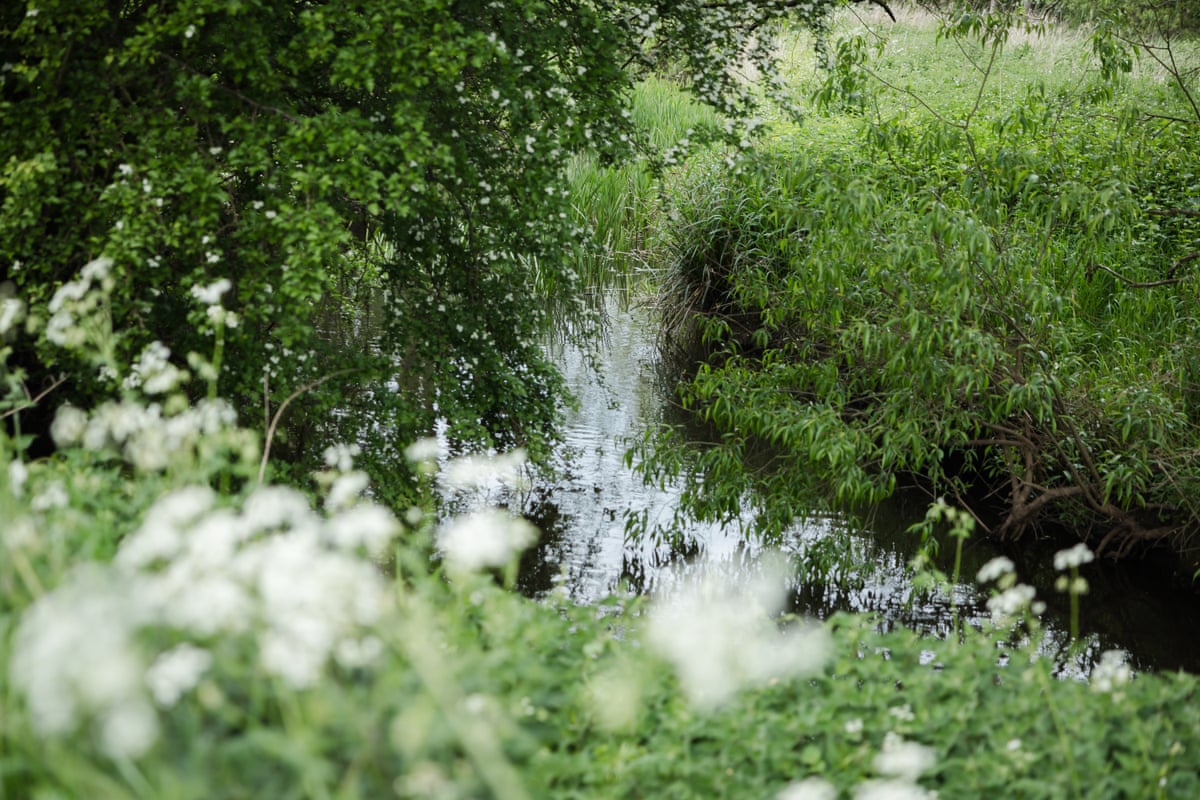
Over the past century and a half, the Mease’s banks have been reinforced, drainage ditches engineered, and flow controlled by weirs, preventing water from dispersing naturally across floodplains. This disconnection between river and floodplain is common in lowland agricultural areas. Needham notes,
“We’ve been draining our land for 150 years – we’ve got too good at it. It drains so well that you get flood peaks downriver, causing a massive problem for villages. Climate change is only making it worse.”
Ecological Impacts and the Need for Change
Intensive drainage caused soil, silt, and sediment to wash directly into the river, elevating phosphate levels that triggered algal blooms. These blooms blocked sunlight and reduced oxygen, severely impacting fish populations. The Mease is home to two rare species—the spined loach and European bullhead—that contribute to its designation as a Site of Special Scientific Interest (SSSI). Other wildlife also declined due to the loss of natural water channels and habitat diversity. Needham states,
“The state of the river was no longer acceptable.”
Launching the Restoration Project
In 2013, the Trent Rivers Trust, supported primarily by the Environment Agency (EA), initiated a restoration project to reverse the river’s decline. Needham explains the motivation:
“We wanted to change the status quo, force the issue and get people to work together.”One of the main challenges was engaging farmers, who were asked to set aside land along the riverbanks to create buffer strips for water and wildlife rather than farming right up to the edge. Building trust and securing compensation through government environmental land management schemes took time.
Farmer Participation and Habitat Restoration
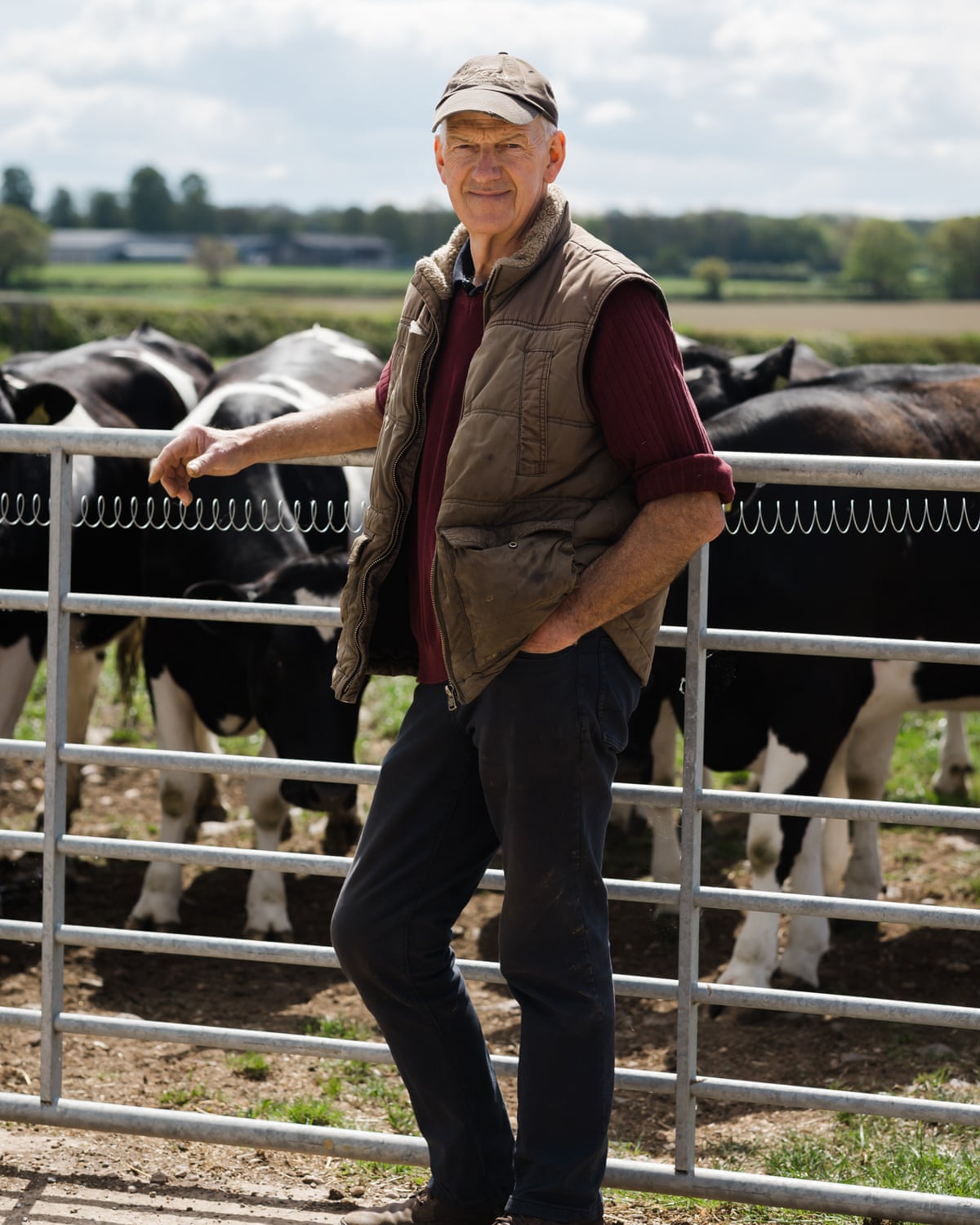
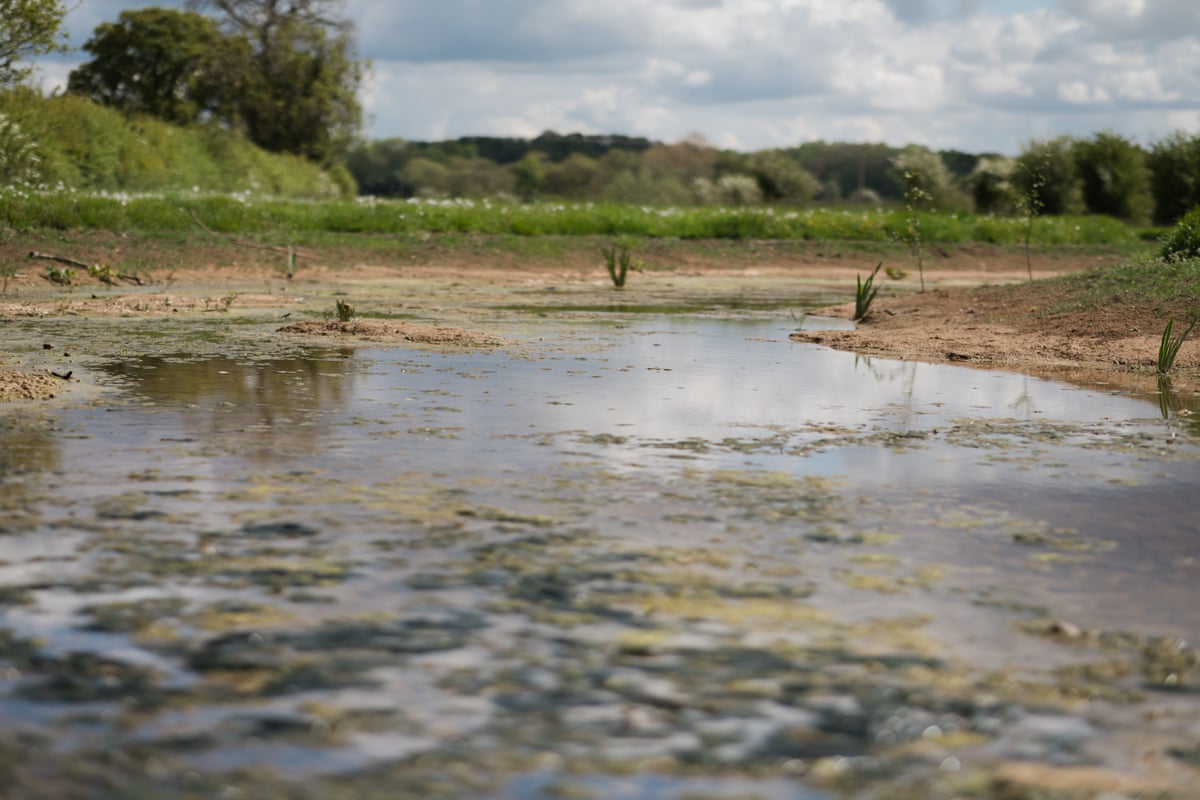
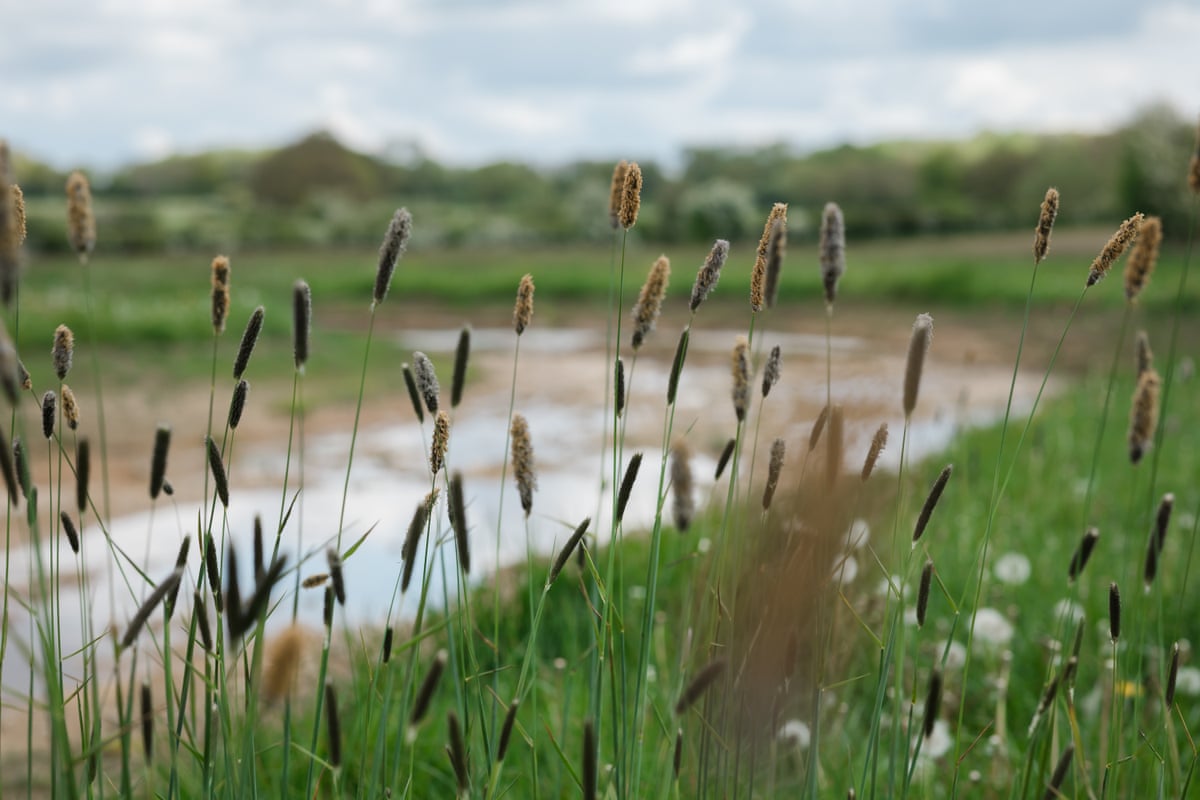
To date, 111 farmers have joined the initiative, covering over half of the river’s catchment. Among them are Jo and Tony Thorp, who operate Culloden Farm in Leicestershire. They collaborated with the TRT to restore a 500-metre tributary running through their land. Previously diverted into two ditches, the water now follows a natural, slow-moving stream across the field, trapping pollutants before they reach the main river and creating wetlands that attract species like the threatened sedge warbler.
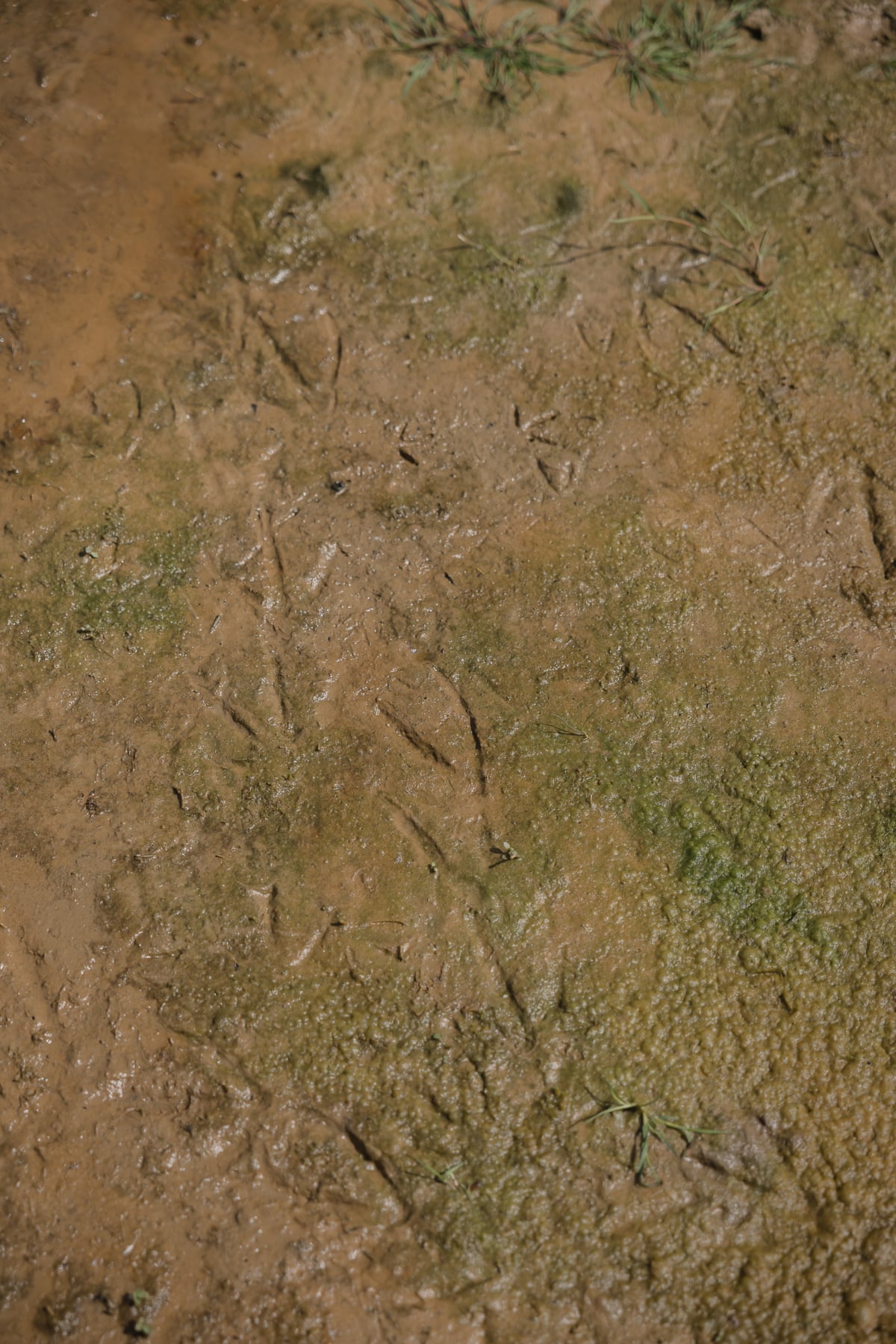
During a spring visit with Adam Noon, an EA catchment coordinator, the newly established stream showed signs of ecological recovery. Algae growth indicated trapped phosphates and nitrates, and the wetland was vibrant with birds such as little ringed plover, reed bunting, yellowhammer, and green woodpecker. Noon remarked,
“Slow the flow, get the habitat right and the species will come.”Shortly thereafter, two hares were spotted nearby.

Creating a Network of Habitats
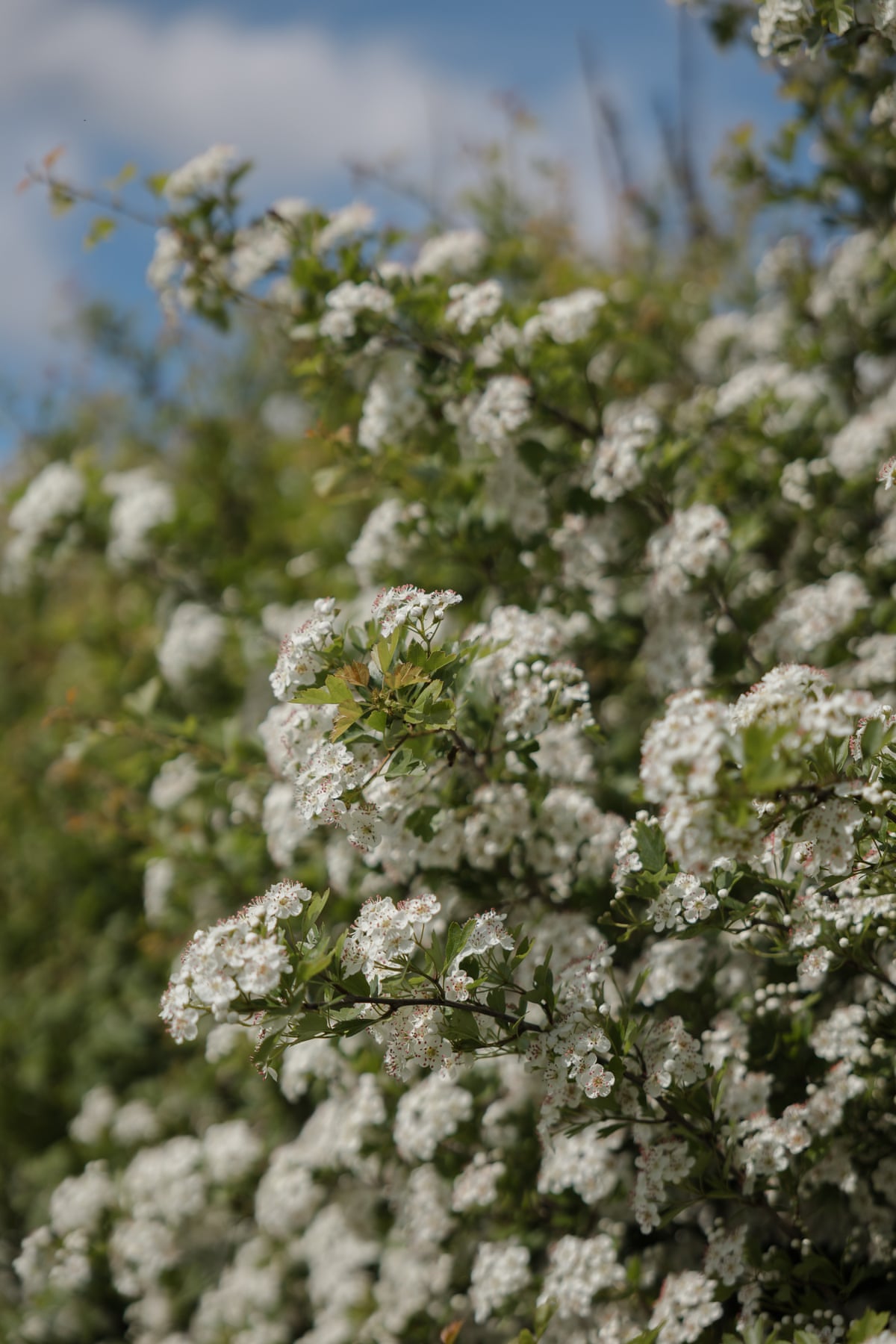
The farm is one of eight flagship restoration sites along the Mease. Another key site is at the confluence of the Mease and Gilwiskaw Brook, where 2.5 hectares of previously marginal farmland have been converted into wetlands supporting snipe and lapwing. Needham describes the approach:
“We’re creating a mosaic of habitats – jewels linked by long watercourses. It’s a nature-based recovery; we’re just prompting it.”
Volunteer Contributions and Invasive Species Management
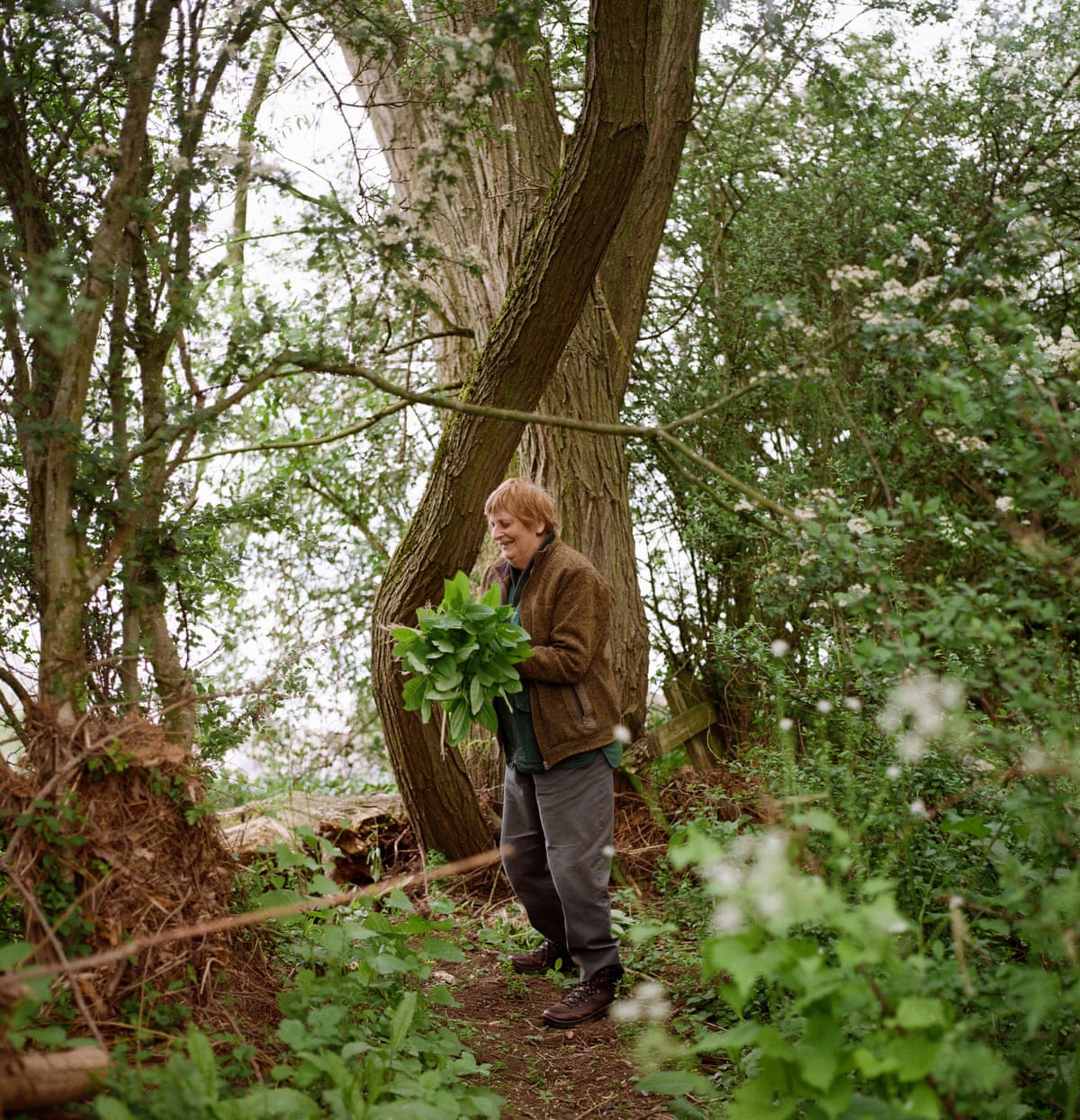
Volunteers have been instrumental in the restoration effort, supported by funding from Severn Trent. Jan Cope and Liane Coleman, two dedicated volunteers, regularly work in the river removing invasive Himalayan balsam, which threatens native plants like water-crowfoot and can cause erosion. They have cleared over 12km of balsam along the riverbanks. Cope is also involved in riverfly monitoring, tracking sensitive species such as stoneflies, caddisflies, and mayflies, which serve as indicators of water quality. Encouragingly, populations of these insects are increasing at several locations.
Scope and Funding of the Restoration
Overall, 17km of the Mease has been restored, and 25 hectares of new habitat created. The TRT has implemented approximately 250 interventions, including silt traps, wetlands, buffer strips to reduce pollution, and structures such as bunds, leaky barriers, swales, and ponds for flood management. The Environment Agency has invested over £1.6 million in the catchment since 2017. Additional funding includes more than £800,000 from developers, over £120,000 from Natural England, and about £80,000 from Leicestershire County Council.
Severn Trent’s Infrastructure Projects and Community Concerns
Separately, Severn Trent is investing over £100 million to reduce storm sewer overflow at 17 sites within the catchment. The company is also constructing a 24km pipeline to divert treated sewage away from the Mease to the River Tame. In a recent letter to residents, Severn Trent explained:
“The River Mease currently has a flow that’s about twice as high as it should be naturally, and part of this is because of the amount of cleaned used water going into it from our works. To help bring the Mease back to its natural condition, we’re going to take the outflow from these plants and send it through a 24km pipeline we’re installing across to the Tame. At the same time, we’re going to be upgrading the two treatment works to further improve water quality.”
The Mease holds both Special Area of Conservation (SAC) and SSSI status, while the Tame does not. This pipeline plan has generated local opposition and raises concerns about the potential for water quality improvements in some rivers to come at the expense of others, a topic highlighted by recent national announcements on river health.
Ongoing Restoration and Future Plans
Restoration efforts on the Mease continue, with approximately 30 additional schemes in development. Enhancing fish habitats remains a priority. Gravel has been added to the riverbed to create spawning areas, wood and fallen trees have been left to provide juvenile fish feeding grounds, and saplings have been planted to offer shelter. The abundance of fry observed at the river confluence indicates progress. However, one remaining weir still blocks fish migration; a bypass channel is planned for construction this summer. This approach follows the successful installation of the Fish Pass on the Trent in 2024, which has reopened the river to salmon, trout, and eels.
Scaling Up Restoration Nationwide
The Mease is a relatively small river and benefits from its SAC and SSSI designations to access funding. When asked if this model can be replicated across the country, Needham is confident:
“If we can get it right on the Mease, we can do it everywhere else. We can scale up.”However, she acknowledges that national funding for river restoration is limited and awaits the outcome of government decisions expected in January.
Reflections on Britain’s Rivers and the Path Forward
Comparing Britain’s rivers globally, Needham remarks:
“They’re pretty shocking. We really haven’t looked after our rivers at all well, thanks to a combination of engineering, pollution and neglect.”Nonetheless, she believes public attitudes are shifting positively and expresses optimism for the future:
“In 20 years, we’ll see more natural spaces along our rivers.”
Ultimately, the Mease restoration highlights the importance of collaboration among government agencies, campaigners, farmers, and volunteers. Needham concludes:
“We all want our rivers to be protected. We have ignored them for too long.”


