Global Mangrove Forests Making a Comeback
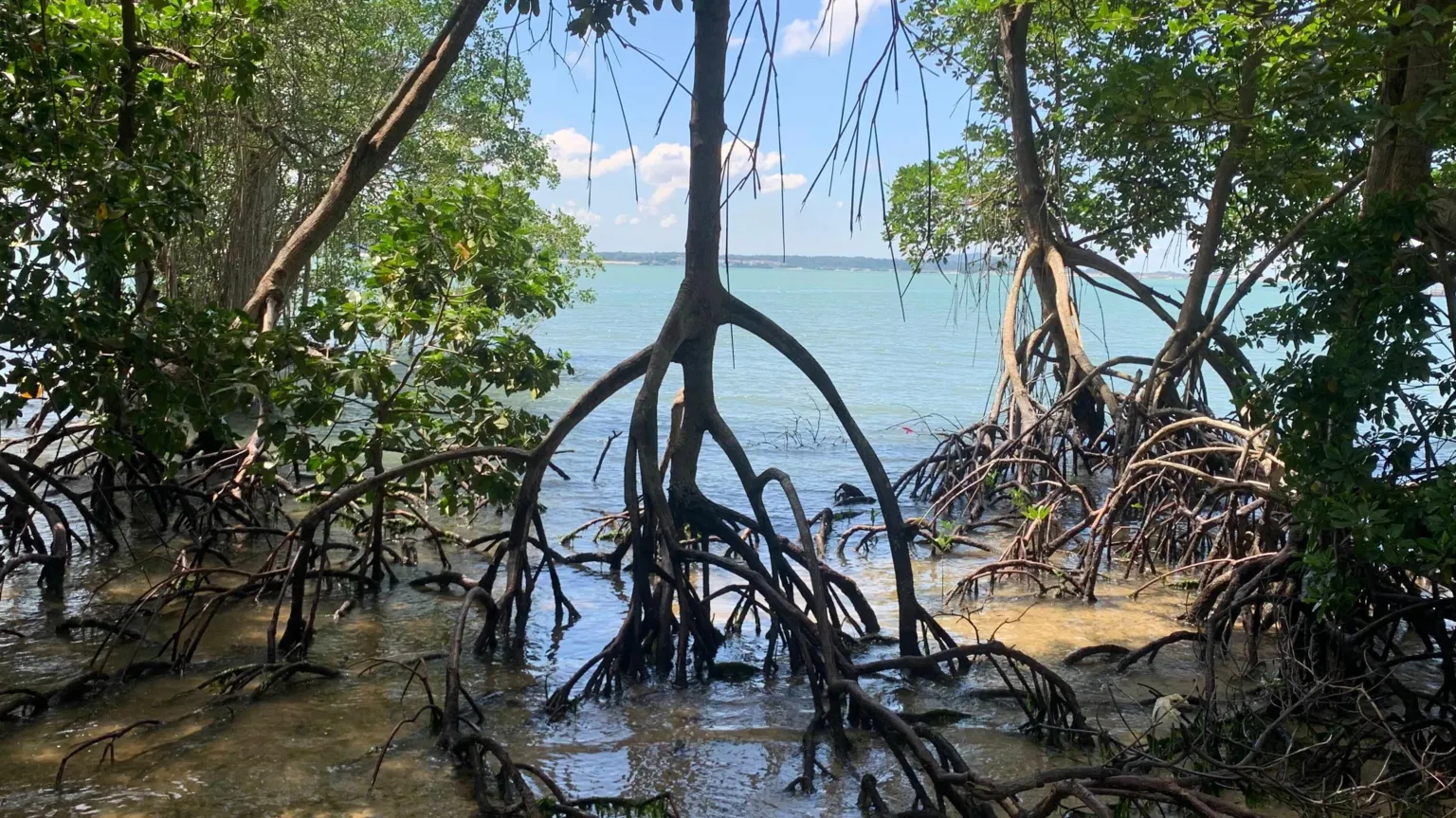
The world's coastal mangrove forests, which protect millions of people from storms and absorb significant amounts of greenhouse gases, are experiencing an unexpected recovery, according to scientists.
For many decades, these swampy trees declined rapidly due to clearing for fish farms and housing developments.
However, a recent study reveals that since 2010, global mangrove coverage has increased more than it has decreased. This positive trend is attributed to stronger legal protections and growing public awareness of mangroves' importance, especially following disasters like the 2004 Indian Ocean tsunami.
The researchers emphasize the forests' remarkable ability to regenerate naturally once human interference ceases.
Mangroves are crucial environmental assets. They store up to five times more carbon dioxide than terrestrial forests and their complex root systems reduce wave energy, shielding coastal communities from storm surges and tsunamis.
Additionally, these roots serve as nurseries for numerous fish and marine species, offering protection from predators and abundant food sources.
Despite these benefits, mangroves faced severe threats over the past century due to the expansion of fish farming, agriculture, and urban development along coastlines, leading to widespread deforestation.
Between the 1980s and 2010, over 12,000 square kilometers (4,600 square miles) of mangroves were cleared across Asia, Africa, and the Americas—an area roughly the size of Jamaica.
Nevertheless, the new study indicates a significant reversal of this trend, particularly in the last decade. Net losses—areas lost without replacement—have been reduced to approximately 849 square kilometers (328 square miles) since the 1980s.
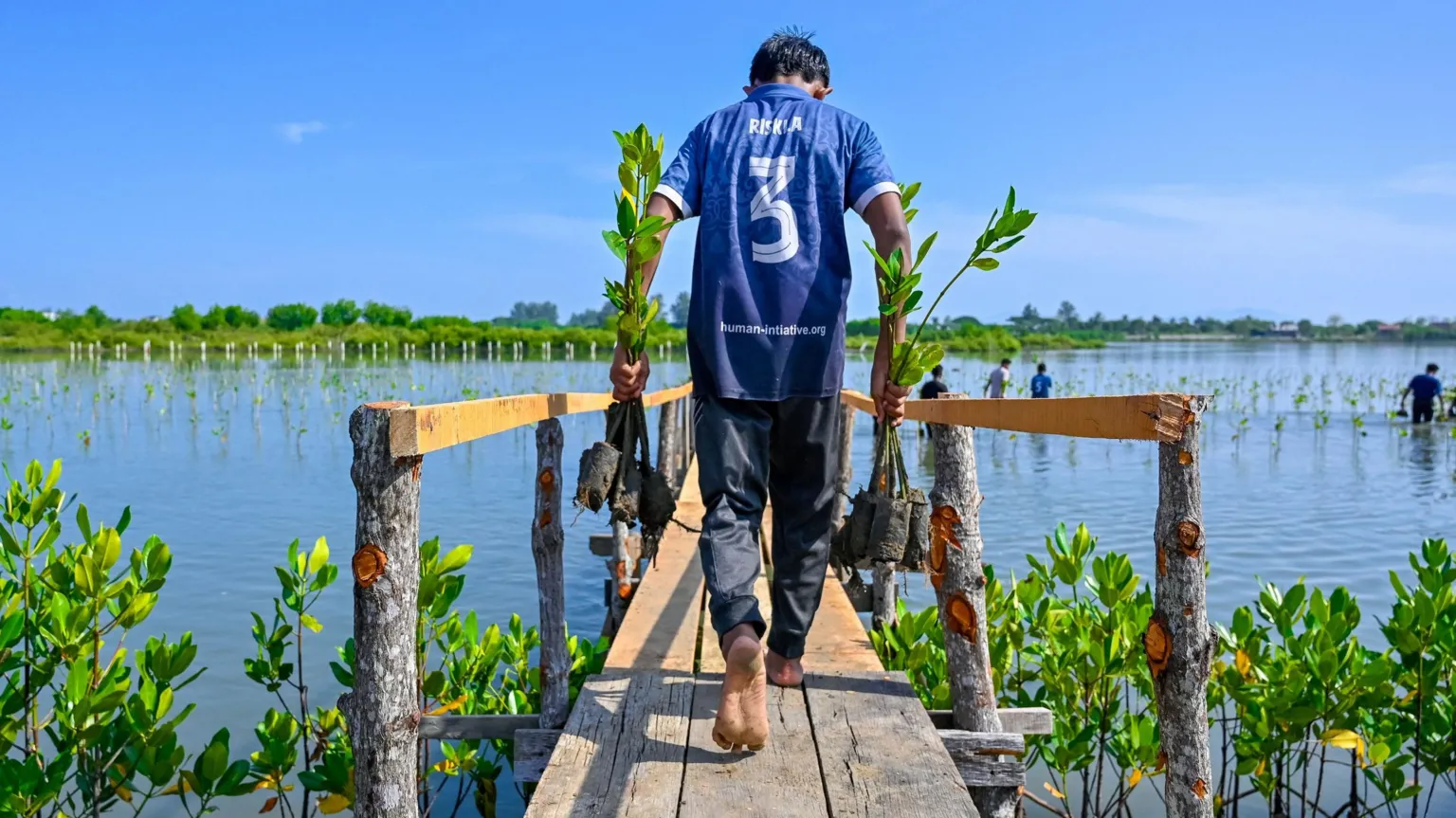
Restoration initiatives have contributed to the recovery of degraded forests, but the major factor has been the natural expansion of mangroves following reductions in deforestation.

This natural regrowth has stabilized forest levels in Indonesia and led to growth in Myanmar (formerly Burma), two countries with some of the densest mangrove populations.
Impact of Disasters and Policy on Mangrove Protection
In Indonesia, the 2004 Indian Ocean tsunami appears to have influenced public perception regarding mangroves' protective role, resulting in slowed tree removal for fish farming.
"Some islands were covered by mangroves and after the tsunami those islands were [still] protected very well, so that increased public awareness about the importance of protecting mangroves," said lead author Dr Zhen Zhang from Tulane University in the US.
A similar shift in public attitude occurred in Myanmar following Cyclone Nargis in 2008 and the implementation of a national logging ban in 2016.
Advances in Technology Reveal Greater Mangrove Growth
The study also credits technological improvements for better detection of mangrove changes. Researchers utilized a different satellite imaging system, the Landsat satellite, which is highly sensitive to canopy changes and provides globally consistent observations that previous assessments may have missed.
"This is a considerable advance on earlier global assessments," said Prof Elizabeth Robinson, director of the Grantham Research Institute, who was not involved with the study.
While the observed mangrove expansion is encouraging, some growth may result from environmental degradation upstream. In countries such as Brazil, new mangrove forests have established along nutrient-rich rivers and coastlines, but this nutrient influx may stem from upstream forest destruction and mining activities that release nitrogen and other elements into waterways.
"This is good news for mangroves - there are more of them than we thought, and they are showing their resilience," said Dr Pete Bunting from Aberystwyth University, one of the study's authors.
"But it is only really good news if it is not a complete mess upstream."
Regional Variations and Ongoing Threats
The research highlights that while restoration and reduced deforestation have been effective in many areas, success is not uniform worldwide. West and Central Africa remain hotspots for mangrove destruction.
"The Niger Delta is the poster child for mangrove pollution impact," said Dr Bunting.
"Oil pollution is having massive impacts - and if you look at Google Earth you can see straight lines through the mangroves where the pipelines are."
Tropical cyclones continue to pose significant threats, causing some of the most dramatic single-year mangrove losses recorded in regions from Australia to the Caribbean.
Positive Trends and Future Outlook
Despite these challenges, the authors agree the overall trend is positive.
"We are moving in the right direction because you can see a very clear trend of decreased loss rate," Dr Zhen Zhang told .
The study also found that many existing mangrove forests are becoming healthier. Since the 1980s, the proportion of closed canopy mangroves—the richest and most carbon-dense type—has increased by nearly 20%.
"So, I think we are going the right way," said Zhen.

for our Future Earth newsletter to get exclusive insight on the latest climate and environment news from the BBC's Climate Editor Justin Rowlatt, delivered to your inbox every week. Outside the UK? to our international newsletter here.