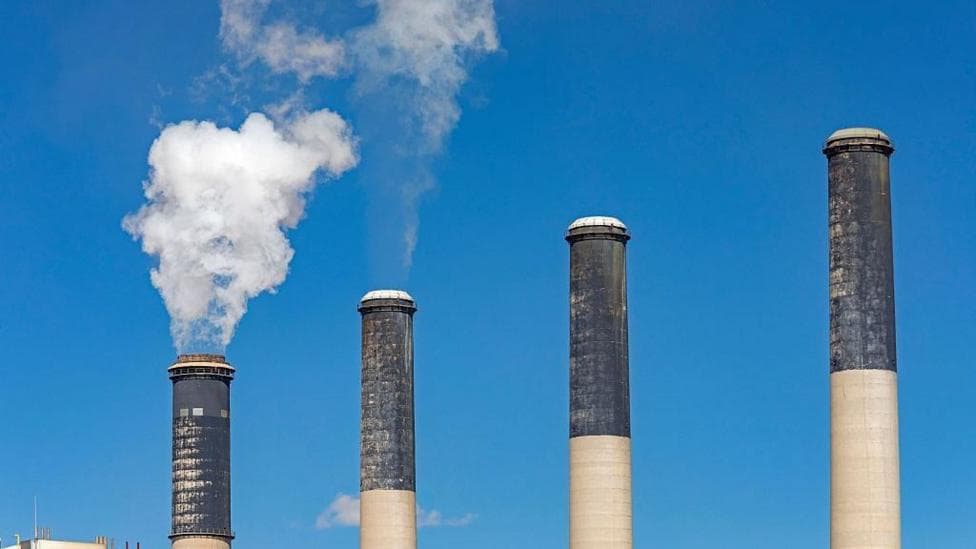
Carbon Storage Plans Stir Concern in Clymers, Indiana
The initiative to bury carbon beneath remote farmland is promoted by its advocates as a straightforward climate solution, supported by substantial US government funding.
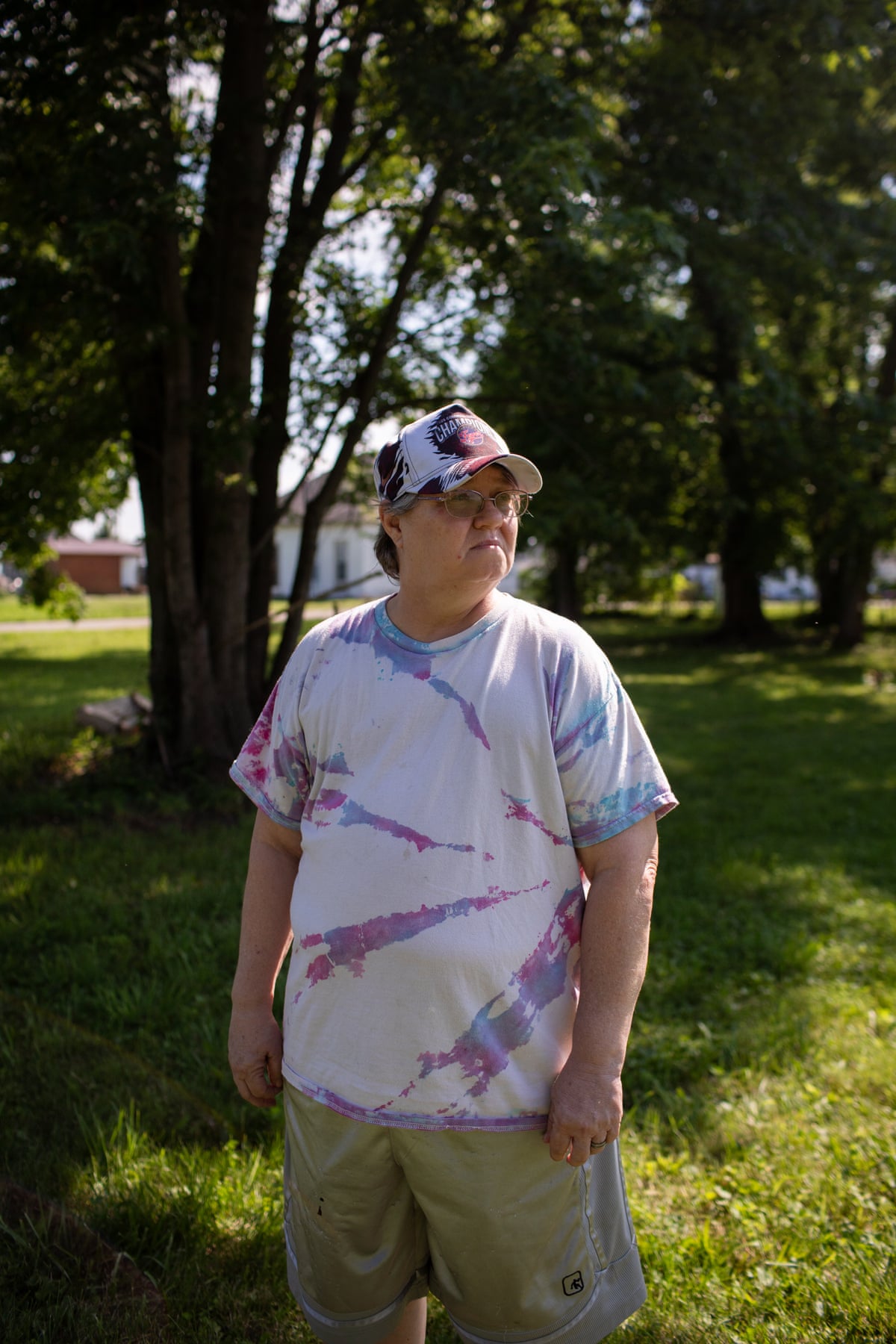
However, for Melissa Harrison and other residents of Clymers, Indiana, the project threatens the future of their community.
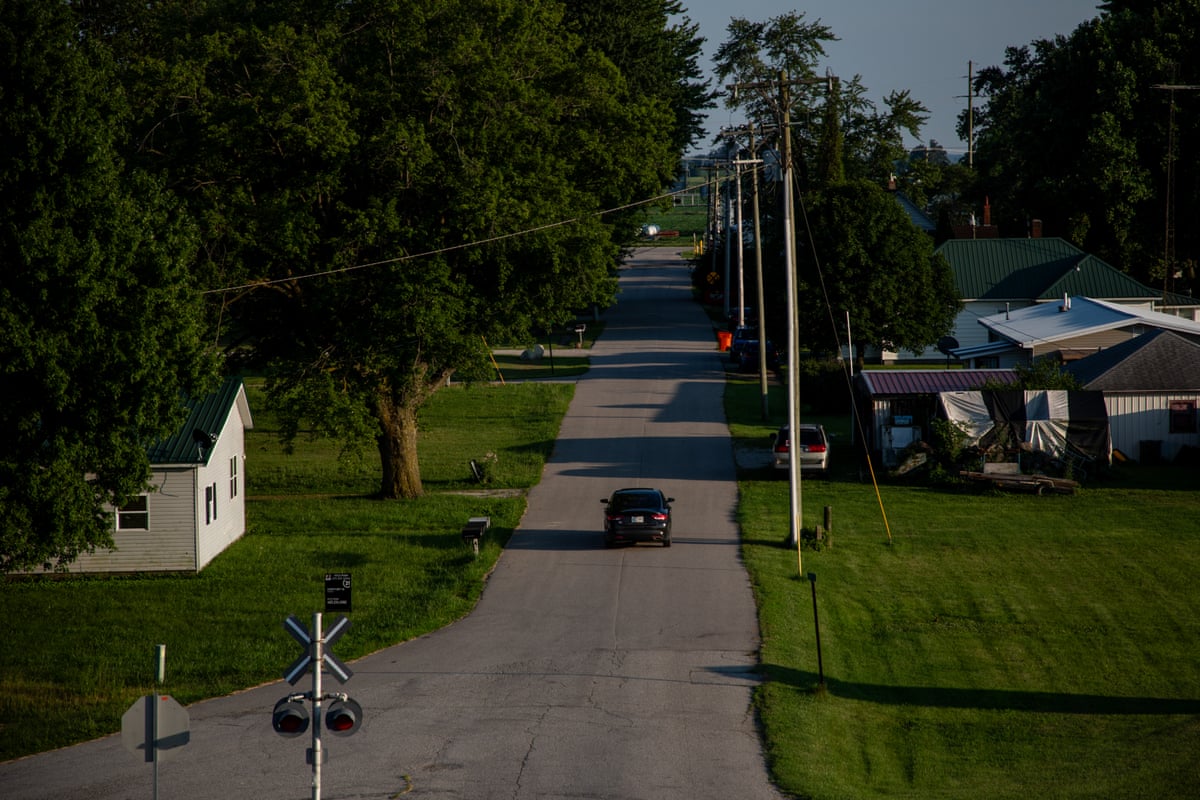
“This is our place,”Harrison states. Her family has been rooted in the town for generations, with ancestors buried in the local cemetery, and she is raising five grandchildren in a neighborhood of white-clapboard homes surrounded by cornfields and industrial facilities serving the agricultural sector.

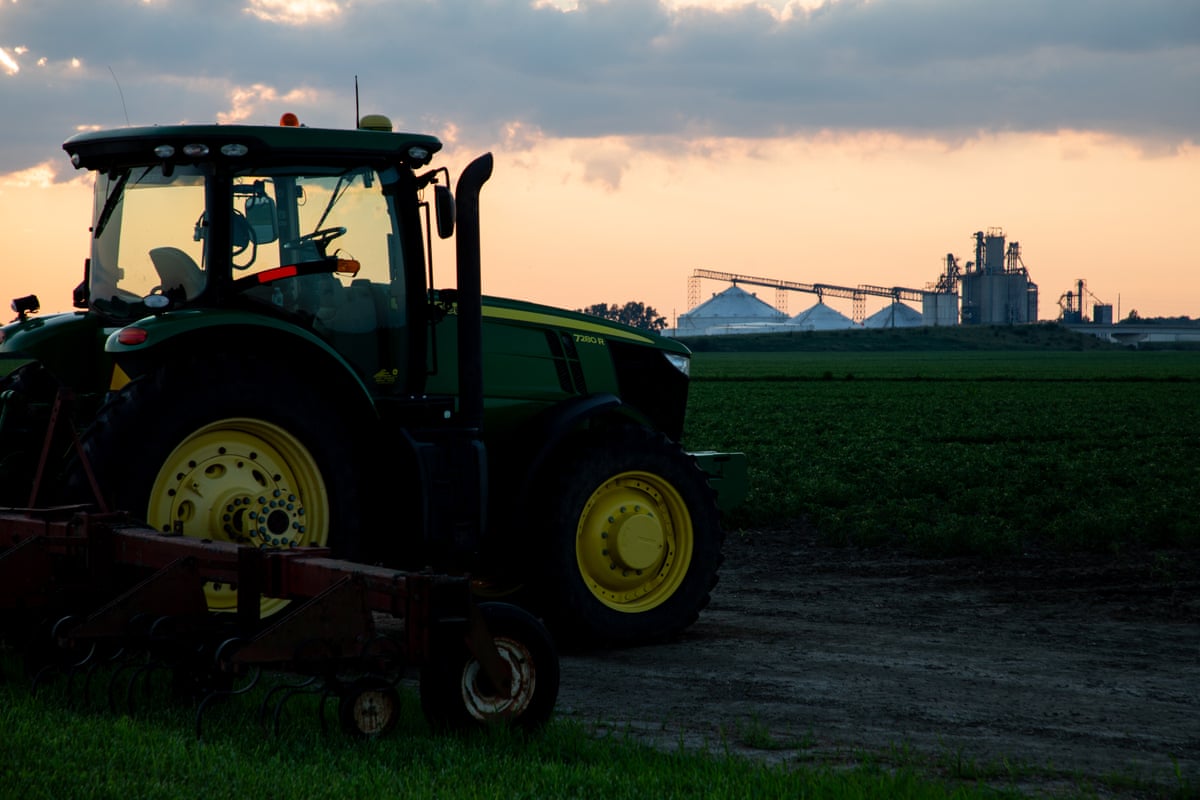
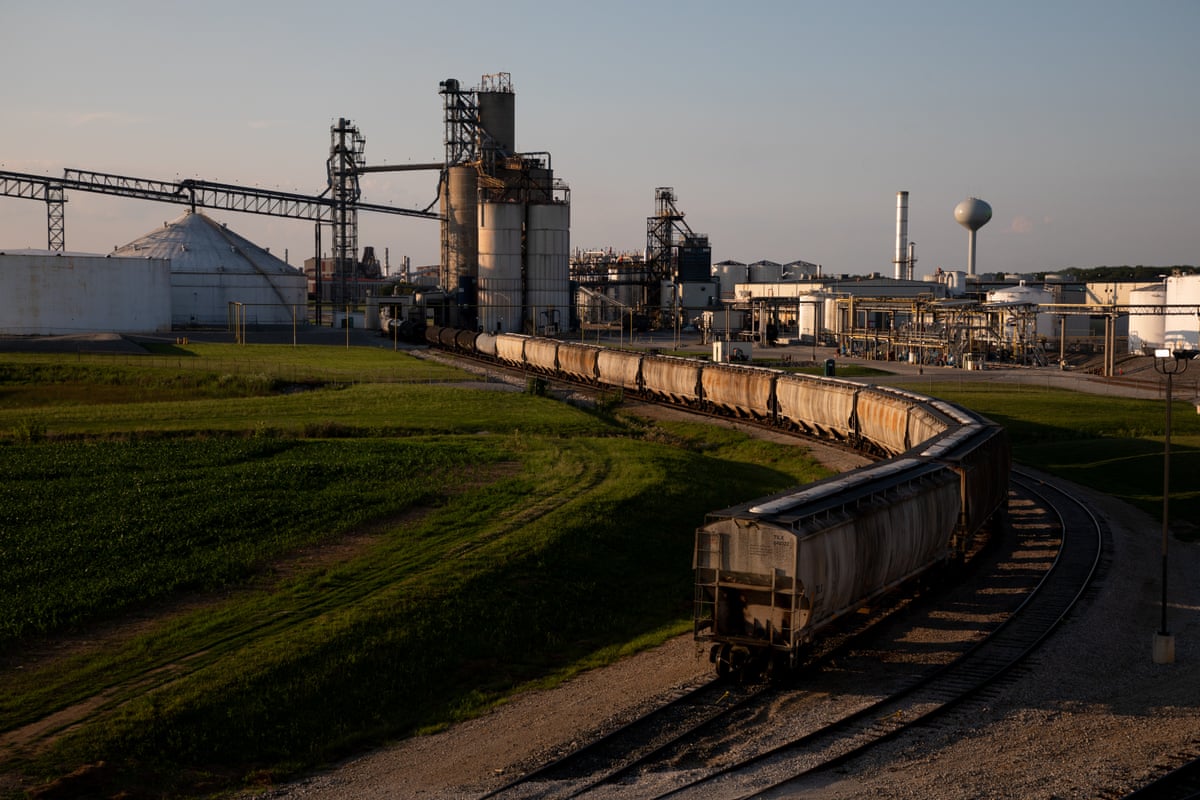
Currently, a local ethanol plant is leading a project to inject large quantities of carbon deep into the geological formation beneath the town and adjacent farmland.
These projects are attracting nationwide interest due to generous government subsidies intended to mitigate global warming. Consequently, numerous companies across the United States are seeking approval for similar carbon sequestration initiatives.
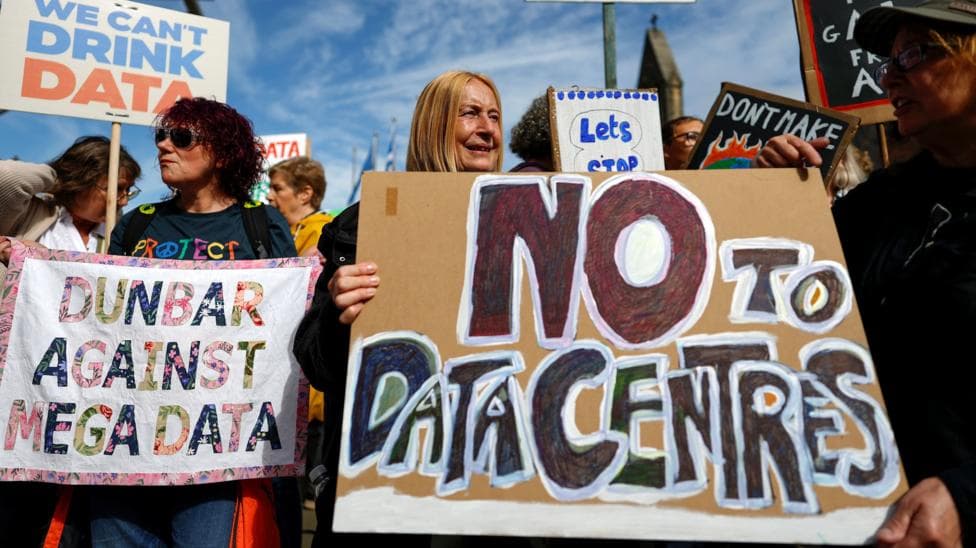
Nevertheless, residents near some of these projects have begun organizing opposition, positioning Clymers as a focal point of emerging national debates over carbon storage.
Environmental and Community Concerns
International climate authorities recognize carbon sequestration as a potential supplementary method to limit global warming but emphasize that the primary strategy must involve significant reductions in fossil fuel use. Some environmental organizations question the efficacy of carbon sequestration, warning it may delay the transition to renewable energy and pose risks to local communities.
Harrison highlights that Clymers already contends with environmental burdens from industrial agriculture, including a fertilizer supplier, a hazardous waste recycling facility, and the large ethanol plant proposing the carbon storage project. The community faces challenges such as contaminated well water, inadequate sewage infrastructure, and high poverty levels.
Once a vibrant "heartland" town featuring a white church, two grocery stores, a Chevrolet dealership, and a diner, Clymers now struggles with decline. Its school has closed, the old Methodist church was demolished, and the playground is encircled by fertilizer tanks on trailers rented by a local fertilizer company to nearby farms.

Residents, including Harrison, received letters about the project, with some offered $150 annually to allow the carbon storage beneath their properties.
“If they make Clymers bad enough that no one wants to live here, they can take over the whole town, real cheap,”Harrison remarked.
Company Response and Project Details
The Andersons Renewables, the company proposing the project, issued a statement to affirming that the technology is safe and well-established, with stringent permitting, engineering, and monitoring protocols designed to protect groundwater, public health, and the environment.
“The proposed project would capture carbon dioxide from the ethanol production process, compress it, and then inject it deep underground, more than 3,000 feet, into geologic formations identified for permanent storage,”the statement explained.
“We were able to determine the site’s suitability through seismic analysis and by drilling a test well,”it added.
At the time of the proposal, the company was partially owned by a subsidiary of Marathon Oil. The company acknowledged residents’ concerns and expressed a commitment to transparent communication to address them.

National Expansion of Carbon Sequestration Projects
This project is among dozens expected to receive approval from the Environmental Protection Agency and state regulators within the next year, as numerous corporate permit applications conclude their review processes. Oil industry firms frequently sponsor and benefit from these projects.
Carbon sequestration entails capturing industrial CO2 emissions before release into the atmosphere and injecting them into underground rock formations for long-term storage.

The Intergovernmental Panel on Climate Change (IPCC) identifies carbon capture and storage (CCS) as a potential mitigation strategy contingent upon concurrent deep fossil fuel reductions, cautioning against overreliance. Both Democratic and Republican administrations have supported CCS initiatives. The Biden administration incorporated a lucrative tax credit program for CCS in the Inflation Reduction Act.
Despite the Trump administration’s dismissal of the climate crisis and cancellation of many climate programs, it maintained this tax credit, which often benefits energy companies already employing underground technologies such as fracking. The program offers $85 in transferable tax credits per ton of captured carbon, triggering what some describe as a "carbon gold rush."
Financial Incentives and Industry Growth
Even small projects anticipate sequestering hundreds of thousands of tons of carbon annually, making tax credits potentially highly profitable. Brad Johnston, an analyst at Enverus, a market research and data company tracking such permits, notes many projects target ethanol plants, which emit nearly pure CO2 streams, facilitating capture and storage.
Johnston describes an impending "huge wave" of project approvals.
Experts indicate that tax credit revenues from carbon sequestration can rival or exceed earnings from ethanol sales, potentially doubling plant profits.
Environmental groups criticize these projects, arguing they may not reliably reduce emissions at scale and could perpetuate fossil fuel dependence.
For example, a project sequestering 200,000 metric tons of carbon annually could generate $17 million per year through the 45Q tax credit. Larger projects aim to sequester tens of millions of tons. Kerwin Olson, executive director of Indiana’s Citizens Action Coalition, which supports local opposition, emphasizes the substantial financial stakes.
“You can do the math,”Olson said.
“That is a lot of cash – an enormous amount of cash.”
“You’re talking billions of dollars.”

Risks and Past Incidents
Environmental experts highlight the risks of carbon leakage, citing several incidents.
In 2024, the nation’s first commercial carbon capture project, located beneath a lake supplying drinking water to central Illinois, experienced leaks. The state subsequently halted a similar project under a major aquifer.
In 2020, a carbon storage project in rural Mississippi leaked, causing mass poisoning that hospitalized 45 people and forced 200 evacuations. Emergency responders encountered individuals unable to breathe, describing the scene as resembling a "zombie apocalypse," according to Jack Willingham, the county’s emergency director.
Expert Perspectives
Charles Harvey, a professor of civil and environmental engineering at MIT and an early pioneer in carbon sequestration, has become a vocal critic of the approach. He compares his regret to that of J. Robert Oppenheimer over the atomic bomb.
“It’s just the stupidest way to reduce emissions,”Harvey said. He advocates investing in renewable energy instead.
“It is loved by the industry because it’s a subsidy for whatever they’re already doing,”he added.
Johnston notes that following the Illinois leaks, companies appear to be exercising increased caution in project design and engineering to prevent further incidents.
“I think any additional setback from a leak or a failure of one of these wells would be pretty detrimental to the CCS industry,”he said.
“So I think a lot of these operators are very diligent about doing it right and probably overbuilding a lot of these systems.”
Local Opposition and Legal Challenges
The companies behind the Clymers project convened a meeting with residents and landowners, assuring them of the project’s safety and denying the possibility of leaks.
Farmer Dennis Crume rejected these assurances and declined an offer of $150 per acre to consent to the project.
“I said that’s bullcrap. I’m worried about my well,”Crume said. However, Indiana state law effectively limits individual landowners’ ability to refuse such projects.
Crume cultivates soybeans and corn on multiple plots near Clymers, some leased, and raises cattle behind his home. He also grows food for his family in his garden but remains concerned about the increasing pollution in the area.
“I’m trying to look out for our grandkids,”Crume stated.
“We’ve got to do something for the environment.”