Peatland Restoration Focuses on Reptile Protection
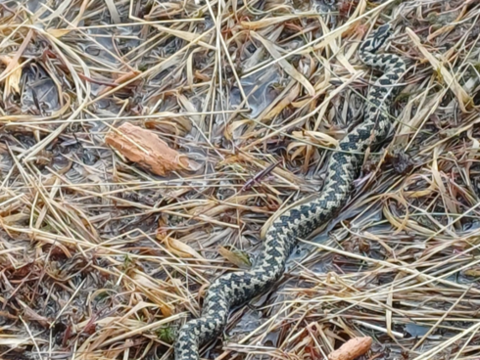
Adders, slow worms, and common lizards are the primary species benefiting from a significant peatland restoration initiative near Dumfries.
New shelters, called hibernacula, are being constructed using peat, tree material, and brash to offer secure overwintering habitats for these reptiles.
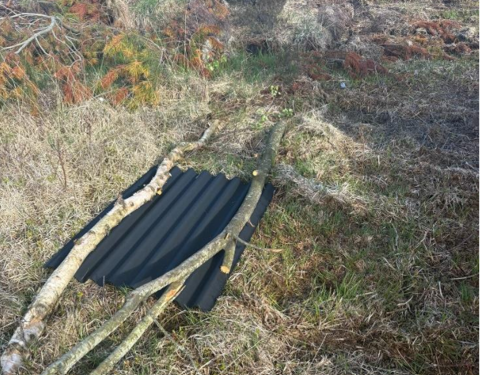
Additionally, Forestry and Land Scotland staff are employing corrugated metal sheets to create warm microhabitats, enabling observation of reptiles without causing disturbance.
Forestry and Land Scotland is conducting this project at Longbridge Muir, located approximately three miles (5km) southeast of Dumfries.
The restoration work is being implemented in phases to minimize disruption and allow wildlife to adapt gradually.
"To minimise disturbance to reptiles, work is being carried out in phases over three years, allowing animals time to move safely across the site.
Key refuge areas such as dry, south-facing bog edges where reptiles hibernate are being retained and protected throughout operations."
George Hemstock, peatland restoration officer, emphasized the balance between environmental objectives and species protection.
Site Significance and Conservation Status
Longbridge Muir spans roughly 1,255 acres (508 hectares) and represents one of the largest remaining fragments of the historic Lochar Moss peatland complex near Dumfries.

The area is designated as a Site of Special Scientific Interest (SSSI) and is recognized for its internationally important raised bog habitat, which supports diverse wildlife including adders and common lizards.
Forestry and Land Scotland has also confirmed the presence of slow worms within the broader restoration zone, although exact reptile population figures remain unknown.
The site forms part of the larger Solway Mosses North Special Area of Conservation, covering nearly 1,600 acres (649 hectares), and is considered one of Europe's most significant lowland raised bog systems.
Restoration Goals and Environmental Impact
The restoration addresses decades of drainage and afforestation that have altered the bogs, which are now acknowledged as vital carbon stores and habitats.
Forestry and Land Scotland, managing multiple sites within the Lochar Mosses area, aims to reverse these changes by rewetting the land and reinstating natural conditions.
"The restoration at the site will improve water levels, restore peat-forming habitats and strengthen biodiversity," Hemstock stated.
"However, equally as important as restoring the rare bog habitat, is ensuring reptile populations are protected."
The Lochar Mosses complex holds SSSI status, and all UK reptile species are legally protected.
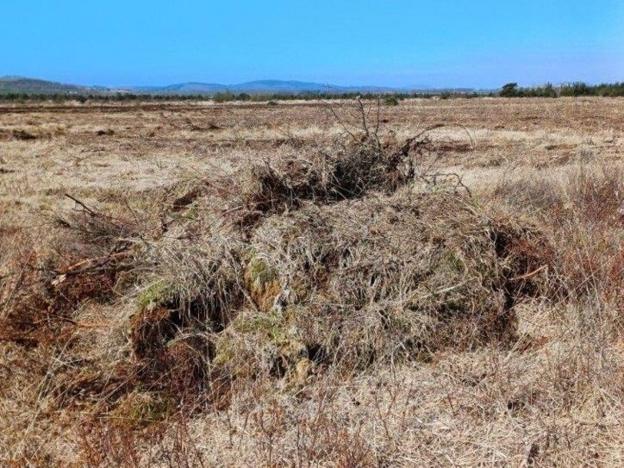
"Both the presence of reptiles following the restoration work and their use of newly created hibernacula are assessed," Hemstock added.
Forestry and Land Scotland notes that this project is part of a broader national initiative to address climate and biodiversity challenges through peatland restoration.
- Mystery find on Galloway beach aids Spanish shark study
- 'Lethally salty' waters hinder rare toad's recovery