Welsh Tattoos Evolve Beyond Traditional Symbols
Tattoos representing Welsh pride have historically featured dragons, feathers, daffodils, or the historical figure Owain Glyndŵr. However, a new trend is emerging among younger generations, with images of women in traditional Welsh costume increasingly appearing on arms and legs.
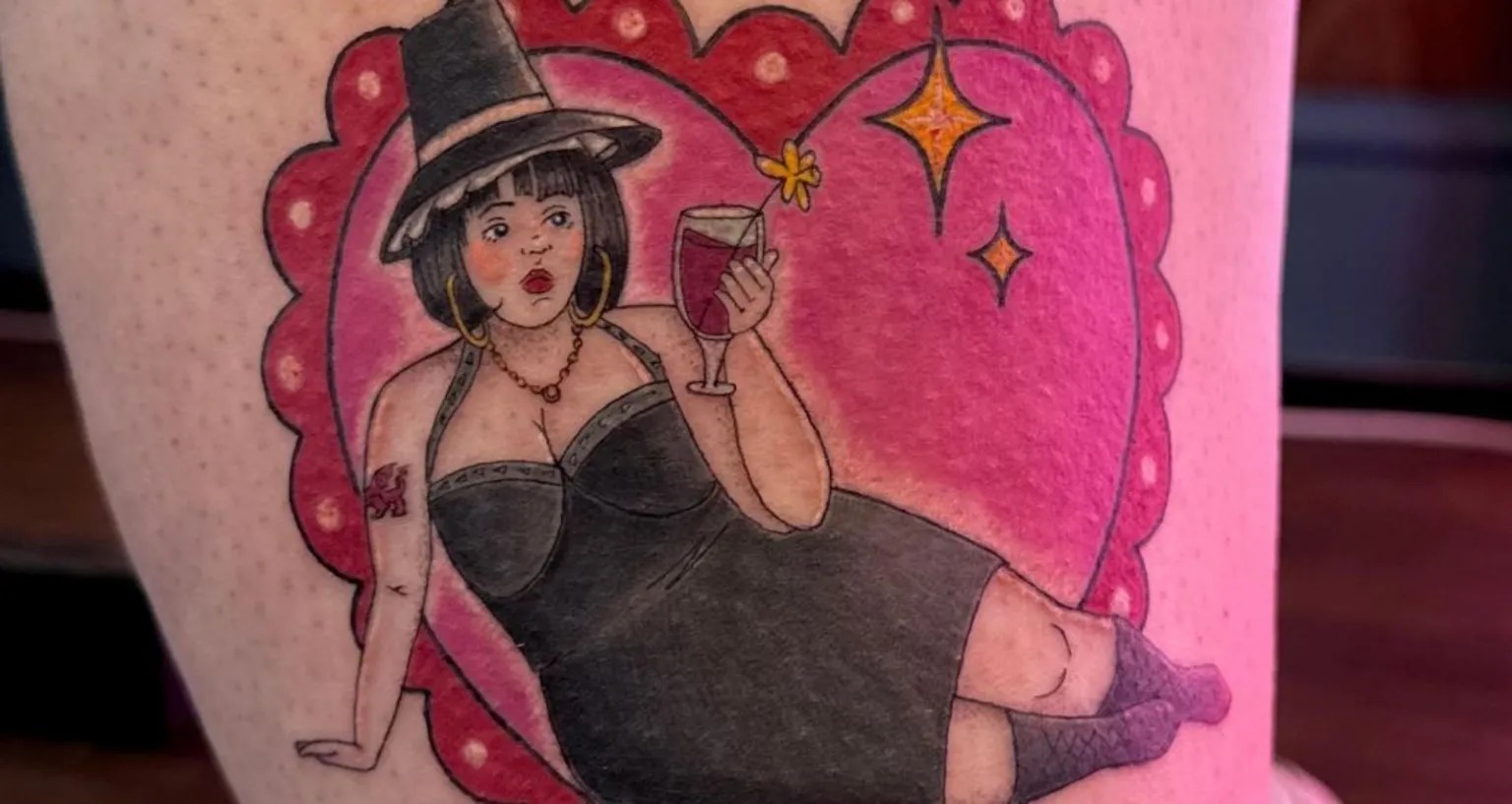
Tattoo artists are giving these designs a contemporary update, incorporating styles inspired by Bratz fashion dolls, American pin-up girls, and characters such as Nessa from Gavin and Stacey dressed in traditional attire.
Swansea-based tattooist Sadie Evans, 31, notes that symbols popular 20 to 30 years ago are now viewed as outdated, and younger clients seek a "modern, fun spin" on classic Welsh imagery.
Evans works at Medusa's Tattoos & Piercings in Swansea, where the busiest time last year was St David's Day (1 March), when they hosted a Welsh-themed flash day.
"People queued over five hours to get tattooed, it was insane,"
"There were four of us and we were tattooing from 9am until midnight."
Sadie aims to inspire individuals to express their patriotism in ways that resonate personally.
"I think the reason people get them is to show Welsh pride and a strong sense of identity, but I think traditional Welsh tattoos are seen as quite masculine, like Nessa's dragon on the arm [in Gavin and Stacey],"
"The designs that I do are appealing to a different demographic, because they're younger and it's like a modern, fun spin on classic Welsh imagery."
Changing Interests in Welsh Tattoo Motifs
While Welsh tattoos have long been popular, interest has increased in recent years, according to Chris Collins of the Frontier Tattoo Parlour in Cardiff.
"Interestingly, the subject matter is evolving,"
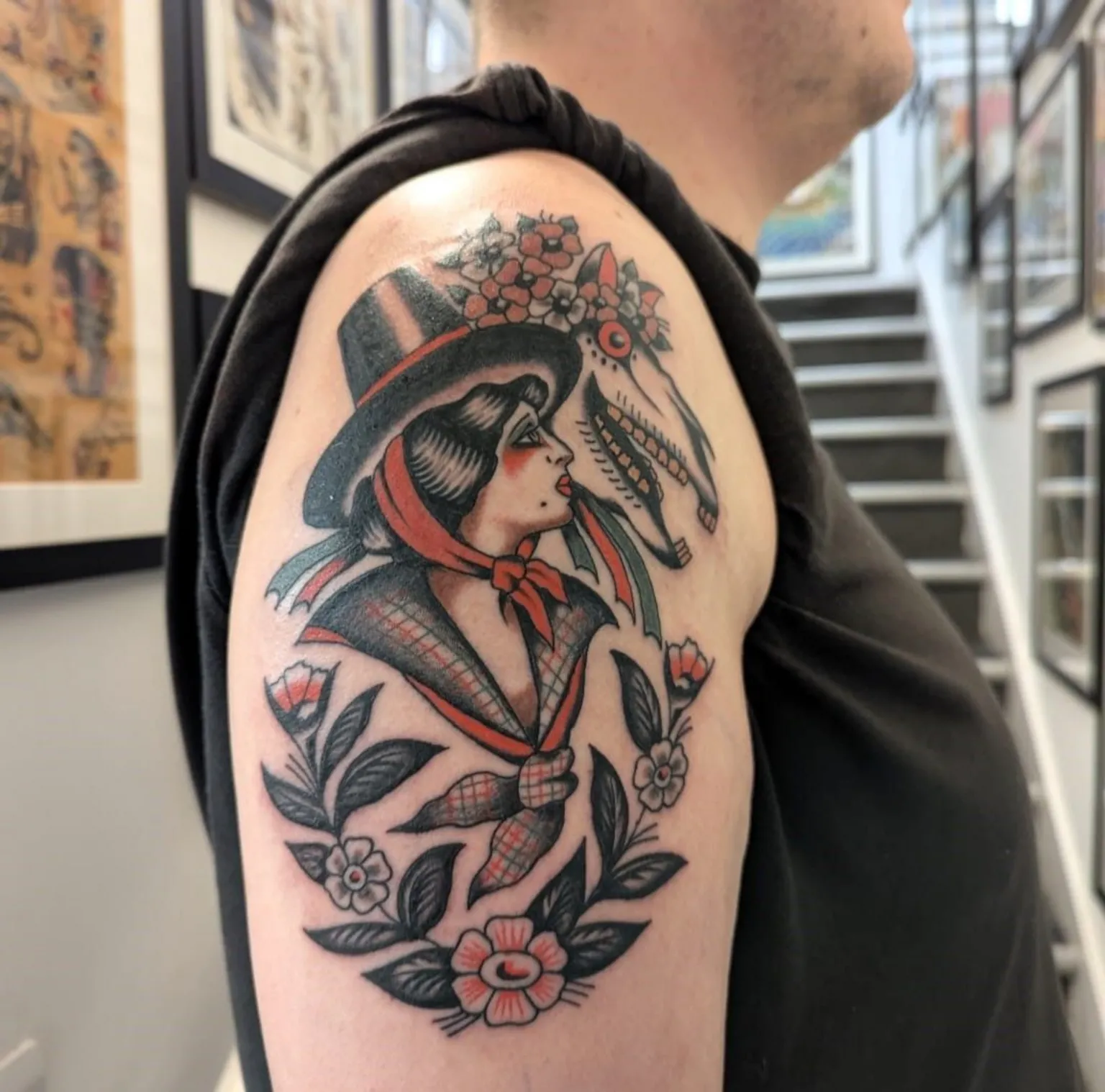
"We're moving away from the traditional dragons and three feathers motifs toward more folk-inspired imagery like the Welsh Lady, the Mari Lwyd, and daffodils - or often a creative combination of all three.
"It's primarily about celebrating heritage."
Chris notes his clientele is diverse, with a fairly even split among men, women, and non-binary individuals.
Nostalgia Drives New Welsh Lady Tattoos
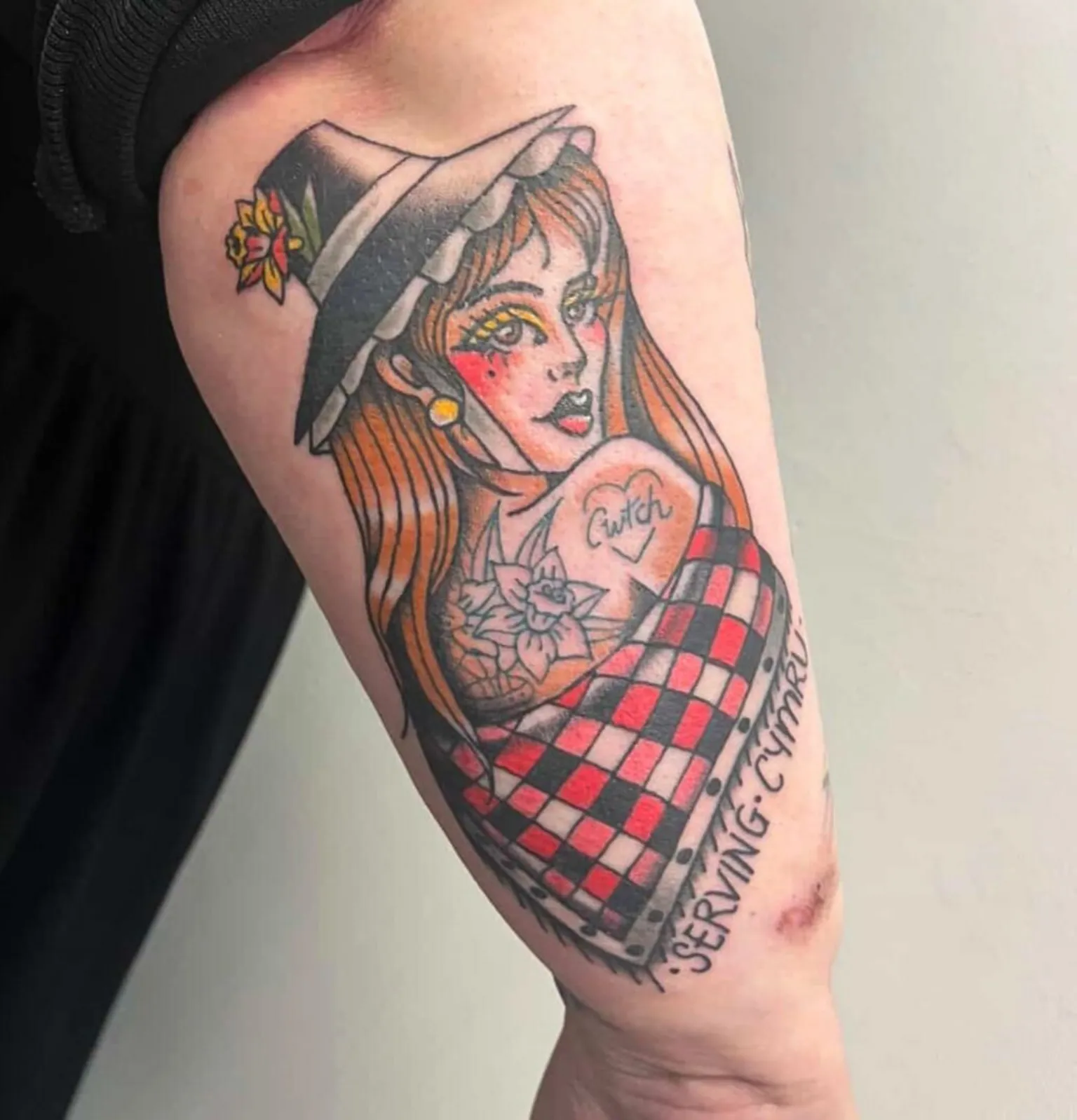
Amy Watson, 30, from Cardiff, chose a tattoo depicting a woman in traditional Welsh dress for nostalgic reasons.
She recalls dressing in the costume for St David's Day at school and felt "twin envy" after her sister received a similar tattoo.
"I saw [the tattoos] had a bit of a moment and I was like 'oh my God, I remember just going to school wearing that really ugly hat and shawl'... that was one of the best times,"
"And also my twin sister had one and I was just really envious so I was like, I must get one now so we can match a little bit, but yeah, it was for nostalgia purposes really and I just think they're really cool and lush and a really nice way to represent Wales."
Traditional Welsh Costume Explained
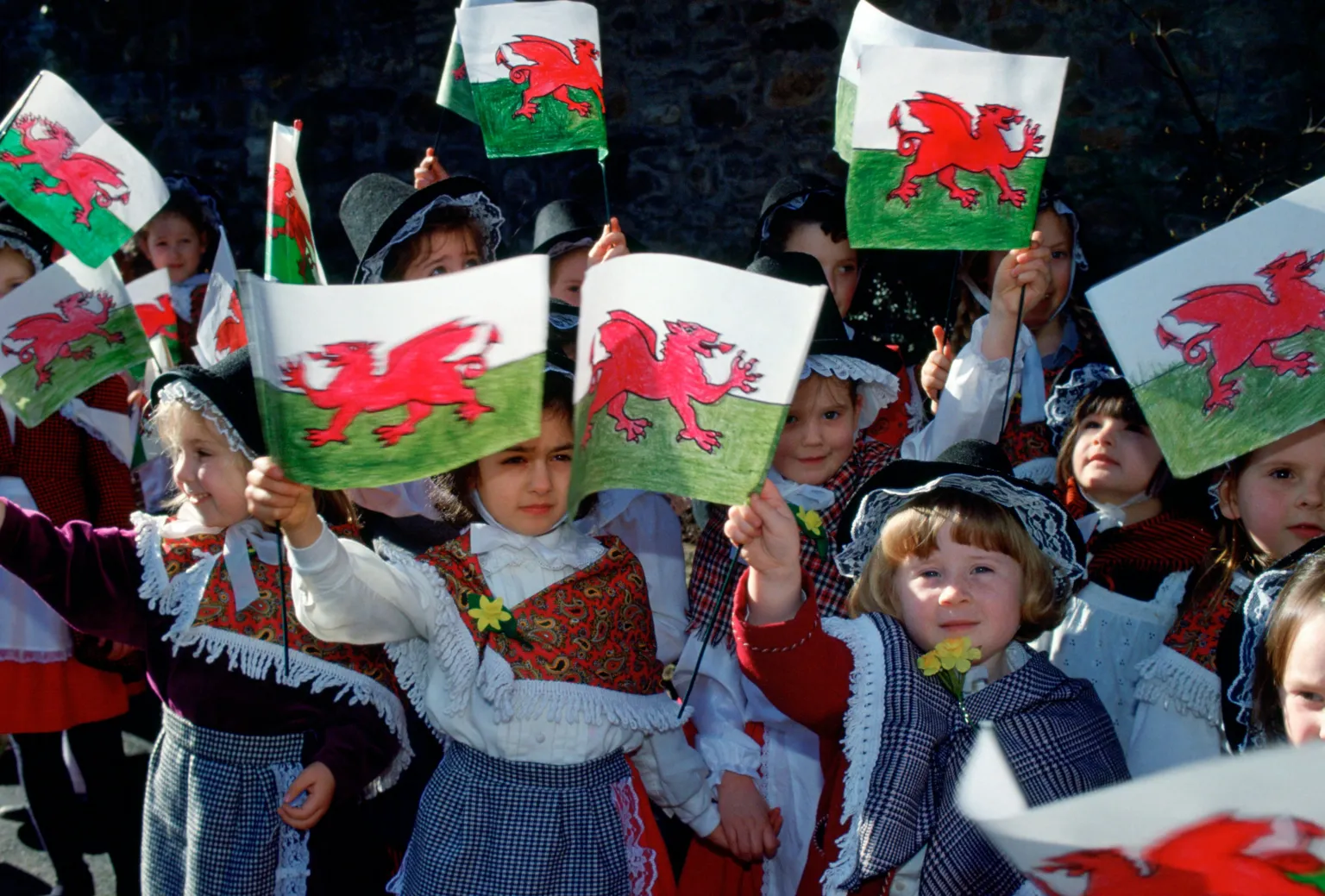
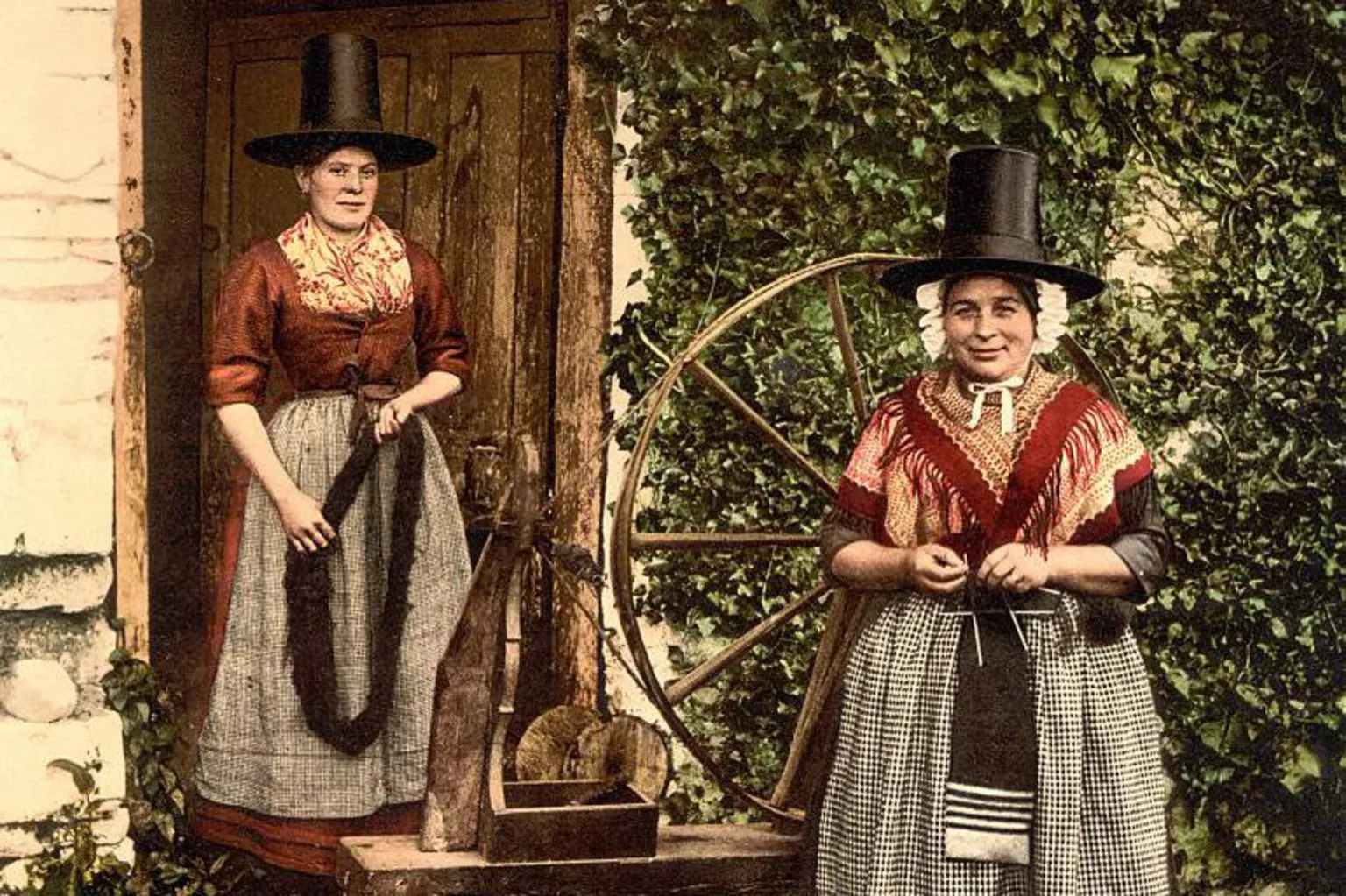
The traditional Welsh costume includes a tall black hat known as the Het Gymreig, worn with a woollen bedgown, patterned shawl, and red petticoat.
According to National Museum Wales, the costume's popularity grew in the 19th century amid concerns that Welsh culture was under threat.

Encouraged partly by Augusta Hall, Lady Llanover, the costume was promoted at eisteddfodau and within Welsh homes to strengthen national cohesion and encourage the Welsh language.
By the late 1840s, the Welsh hat had become an icon of Wales, appearing in cartoons, tourism marketing, souvenirs, and postcards as a symbol of the nation.
The outfit remains in use today, with girls across Wales wearing it to school on St David's Day to celebrate the nation's patron saint.
American Pin-Up Style Meets Welsh Tradition
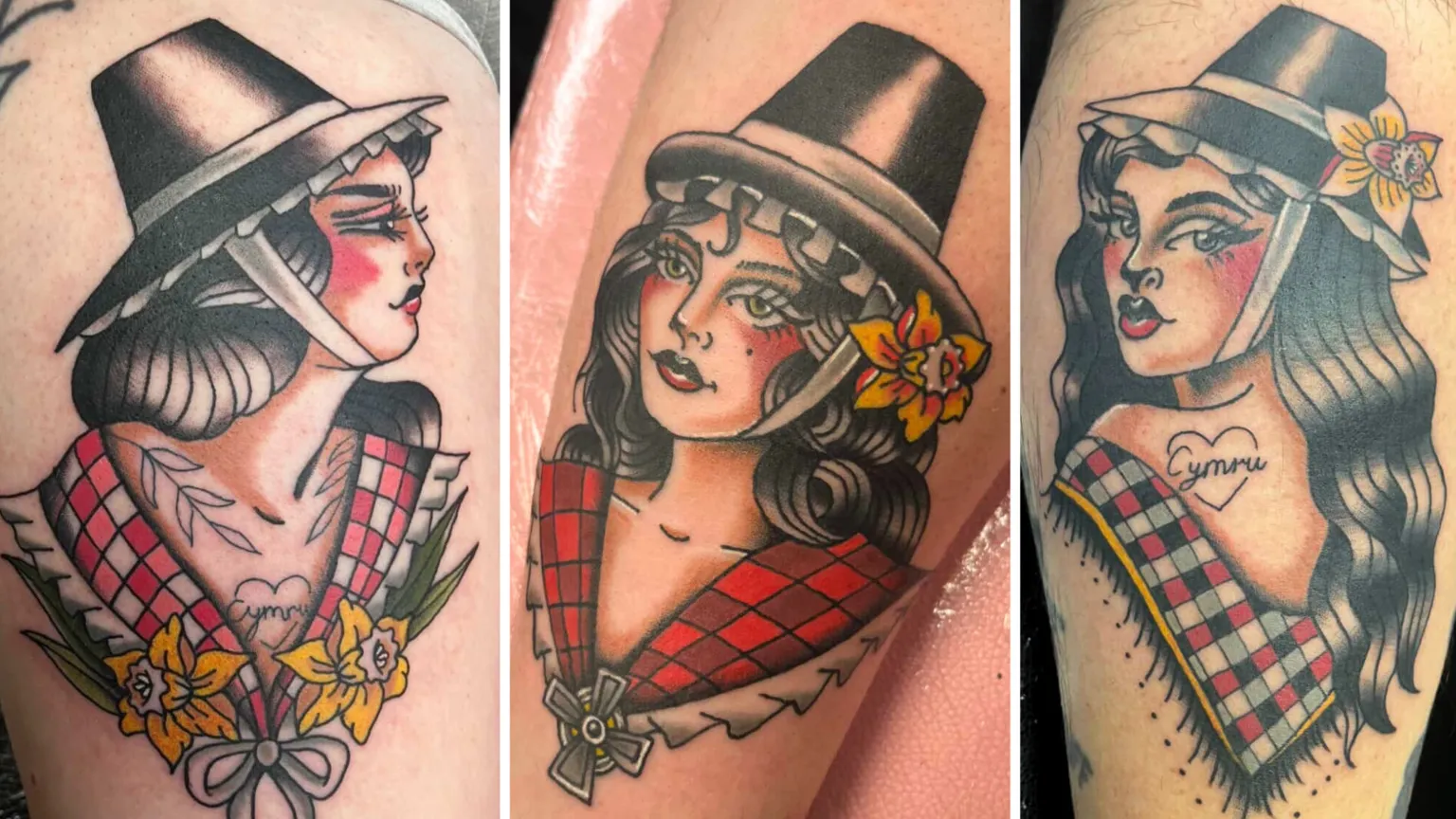
Jessica Tucker, 30, a tattoo artist at Physical Graffiti in Cardiff, incorporates the American pin-up style into her Welsh-themed tattoos.
This art style gained popularity during World War Two when soldiers commissioned images of feminine figures as symbols of luck and reminders of home, becoming part of US culture through newspapers and magazines.
After sharing her work on TikTok and Instagram, Jessica received numerous bookings for pin-up girls wearing traditional Welsh costumes.
"A lot of [the designs] I do actually go back to the 1800s, but a lot of the time I do just look at Welsh lady costumes as we would know them today, especially when we were younger and dressing up as them for St David's,"
"I also used to dress as a Welsh lady when I was younger… my nan made me a little shawl so I always remember it and it was really, really lovely."
Tattoos as Expressions of Welsh Identity
Tattooing has historically been used worldwide to communicate cultural identity, status, or belonging. In Wales, researchers suggest these new tattoo designs provide insight into how younger generations reinterpret national pride.
Dr Mari Williams, a lecturer in Welsh History at Bangor University, has studied how contemporary tattoos, including Welsh pin-up girl designs, reflect modern perspectives on the past.
"Tattoos can be a really personal way of showing your devotion to your country,"
"with different designs offering different expressions of Welsh identity."
While figures such as Owain Glyndŵr symbolize a traditionally masculine form of Welsh pride, Dr Williams says the Welsh pin-up girl offers a more feminine alternative.
She adds that although the exact origins of the Welsh national costume are debated, it was "in some ways a deliberate invention to try to give Wales a sense of national identity and cohesion."
Through these tattoos, that spirit continues to be expressed today.