Antwerp’s Fashion Legacy and Cultural Heritage
In the 1980s, the group known as ‘the Antwerp Six’ established Flanders as a significant player on the global fashion stage. Today, a major new exhibition honors these designers’ enduring influence and offers a compelling reason to visit Belgium’s dynamic second city.
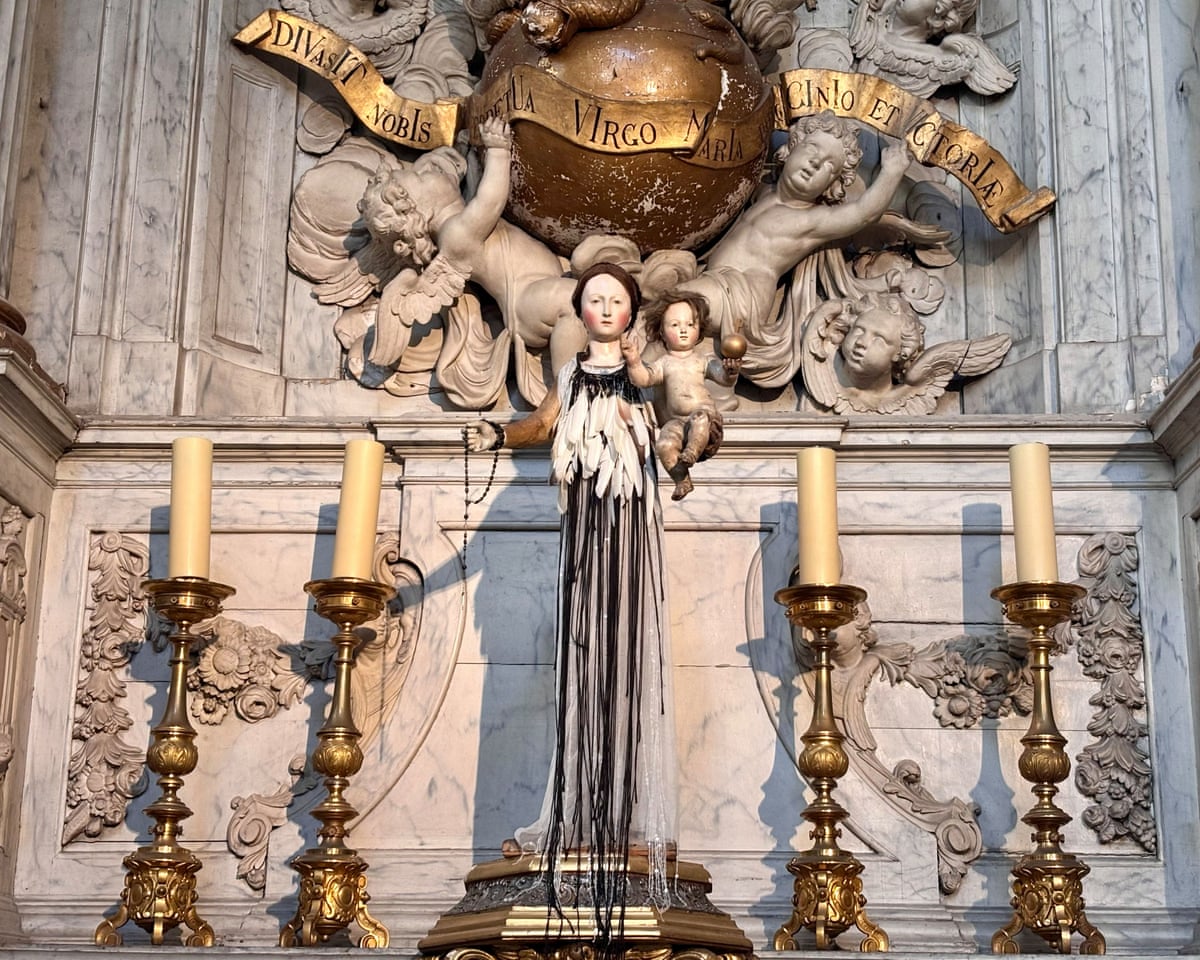
You can tell a city values fashion deeply when even the Virgin Mary is adorned in couture. Just a short walk from Antwerp’s historic old town, with its ornate medieval guild houses and cobblestone streets, stands the baroque church of St Andrew’s. Like many of Antwerp’s Catholic churches, it features exquisite stained glass windows, an elaborately carved wooden pulpit, and numerous artworks by Flemish masters. However, the focus here is on a different artistic expression.
Within a quiet chapel, a refined 16th-century wooden statue of the Madonna is dressed not in the traditional blue cloak but in a pale, gauzy fabric dress trimmed with a collar of white pigeon feathers. This garment was custom designed by acclaimed Belgian fashion designer Ann Demeulemeester. This bold presentation aligns perfectly with a city where fashion is intricately woven into everyday life.
From ‘Parish of Misery’ to Fashion District
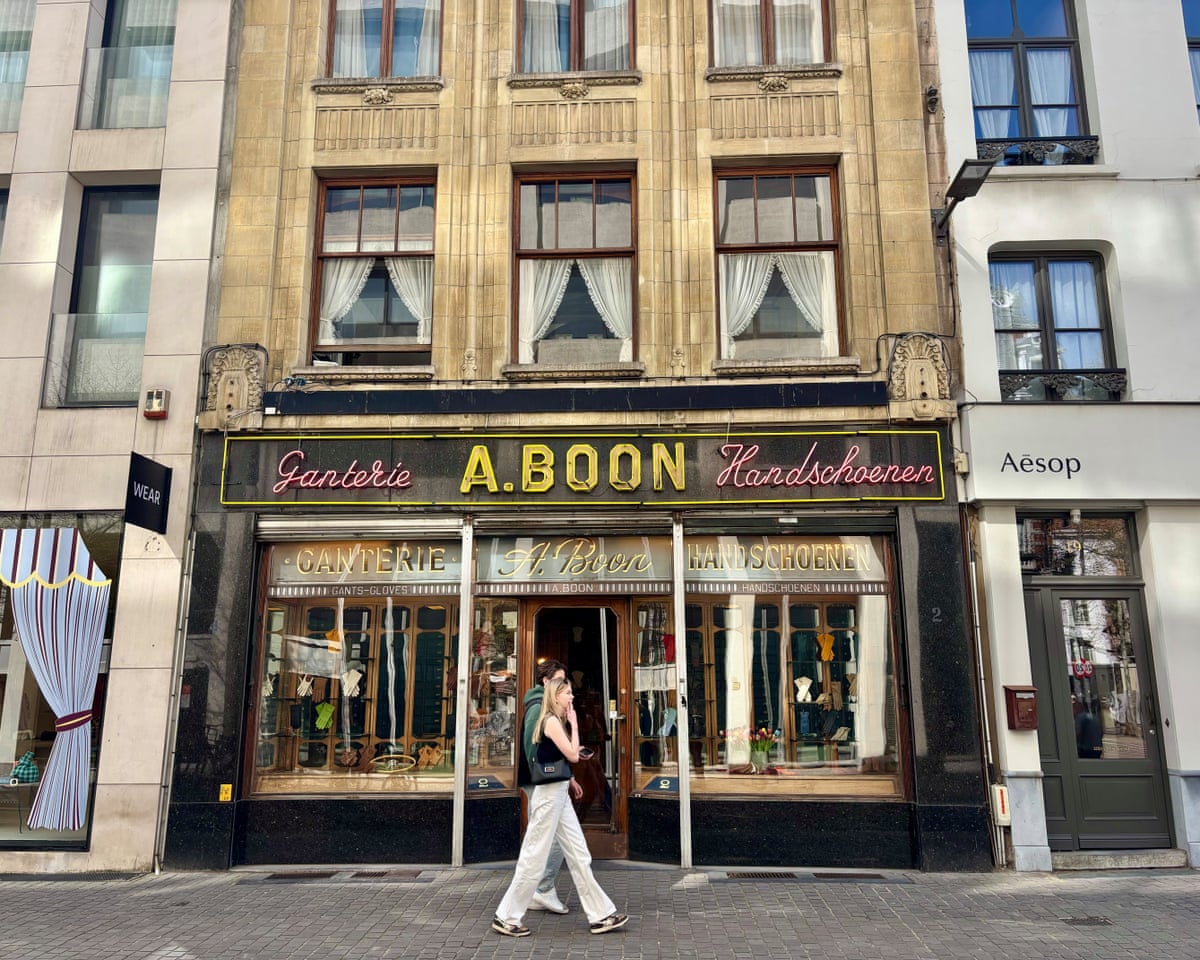
Antwerp’s fashion prominence was not always evident. In the 19th century, the area was known as the “parish of misery,” a reputation that persisted into the 1980s. It was during this time that young designer Dries van Noten made the courageous decision to open a shop on Nationalestraat, directly opposite his grandfather’s tailor shop. Nearly forty years later, this beautifully restored Art Nouveau building—with its curved windows, marble floor, and chandeliers—now anchors Antwerp’s vibrant Fashion District, a rebranding effort likely intended to replace the less appealing “Misery District” name for tourism purposes.
“You have to understand that there was nothing here at all before this shop opened. It changed everything,”says Yentl, a guide leading a tour of key fashion sites and shopping streets for visitors.
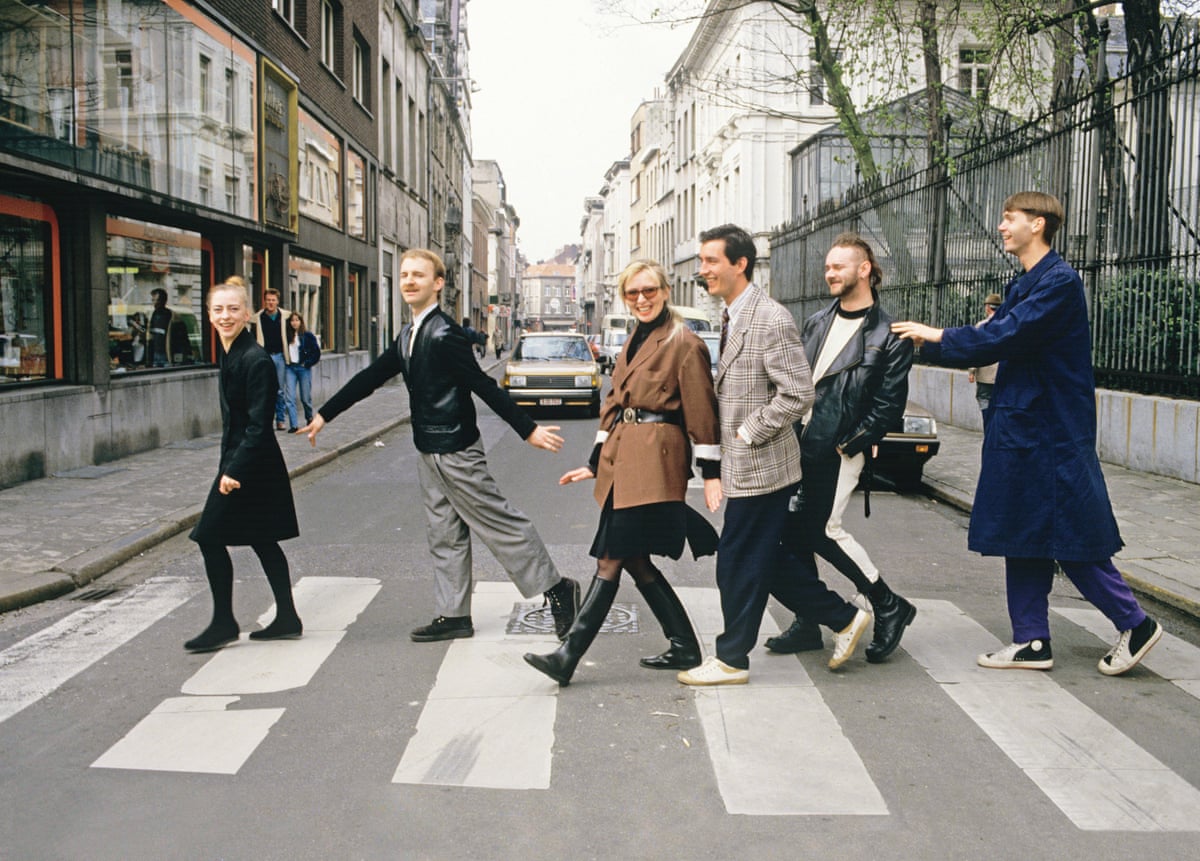
Van Noten and Demeulemeester are part of the renowned “Antwerp Six,” a group of talented graduates from the city’s Royal Academy of Fine Arts who emerged on the international fashion scene in the late 1980s. Alongside Walter van Beirendonck, Dirk Bikkembergs, Dirk van Saene, and Marina Yee, they revitalized a fashion industry long dominated by Paris, Milan, and London.
The Antwerp Six Exhibition at MoMu
The story of the Antwerp Six is currently showcased in a significant exhibition at MoMu, Antwerp’s prestigious fashion museum, located just a few doors down from Van Noten’s flagship store. Running until 17 January 2027, the retrospective commemorates the 40th anniversary of the group’s debut in London in 1986. They traveled in a rented van and took a ferry from Ostend to present their collections at the British Designer Show in Olympia. Their debut was met with acclaim from international fashion press and buyers, who admired their talent, originality, and boldness. Operating on limited budgets, they often used upcycled materials, prioritized self-expression over commercial appeal, staged photo shoots in abandoned car parks, and produced their own promotional materials.
Although the foreign press coined the term “Antwerp Six” for convenience, the designers were never a formal collective. The exhibition reflects this by providing each designer with a dedicated, individually curated space. Visitors can experience the avant-garde vibrancy of Van Beirendonck’s colorful designs alongside the dark, dramatic monochrome aesthetics of Demeulemeester. The displays incorporate film projections, recorded interviews, a moving conveyor belt of mannequins, and an evocative soundtrack, making the exhibition as imaginative and thought-provoking as the garments themselves.
Contemporary Fashion Scene and Sustainable Initiatives
Emerging from the exhibition into the spring sunshine, it is evident that the Antwerp Six’s influence extends well beyond the runway and continues to shape the city’s fashion culture. On Nationalestraat, contemporary designers coexist with kilo stores where second-hand clothing is sold by weight. At the Fashion Museum’s shop, visitors can browse pre-owned pieces from established Belgian designers such as Raf Simons and Martin Margiela, as well as collections from the city’s newest fashion graduates. Nearby streets like Kammenstraat and Steenhouwersvest host vintage shops, streetwear brands, and independent labels such as Gijs Van Vaerenbergh, which specializes in sleek, urban menswear inspired by graphic design, art, and architecture. Even those unfamiliar with Bikkembergs products or Belgian waffles find inspiration here.

“The Antwerp Six taught people how to be entrepreneurs and to just follow their inner voice,”says designer Tim van Steenbergen, who apprenticed with Dries van Noten before founding the social enterprise and sustainable fashion label Honest By with journalist Ruth Goossens three years ago.
“They showed that if you want to do things differently, you can.”
Concerned by the fashion industry’s significant textile waste, Van Steenbergen and Goossens established Honest By to provide training, employment, and support to refugees worldwide. Their garments are crafted from deadstock materials sourced from local designers such as Van Noten and Christian Wijnants, producing limited-edition classics ranging from shirts to trench coats in their on-site atelier.
“I wanted the clothes to have as much meaning and value for the people who make them as the people who buy them,”Van Steenbergen explains.
“We have worked with refugees from Afghanistan, Syria, Pakistan, Palestine, Brazil and Costa Rica. Our common language is textiles.”
Antwerp’s Textile Heritage and Cultural Riches
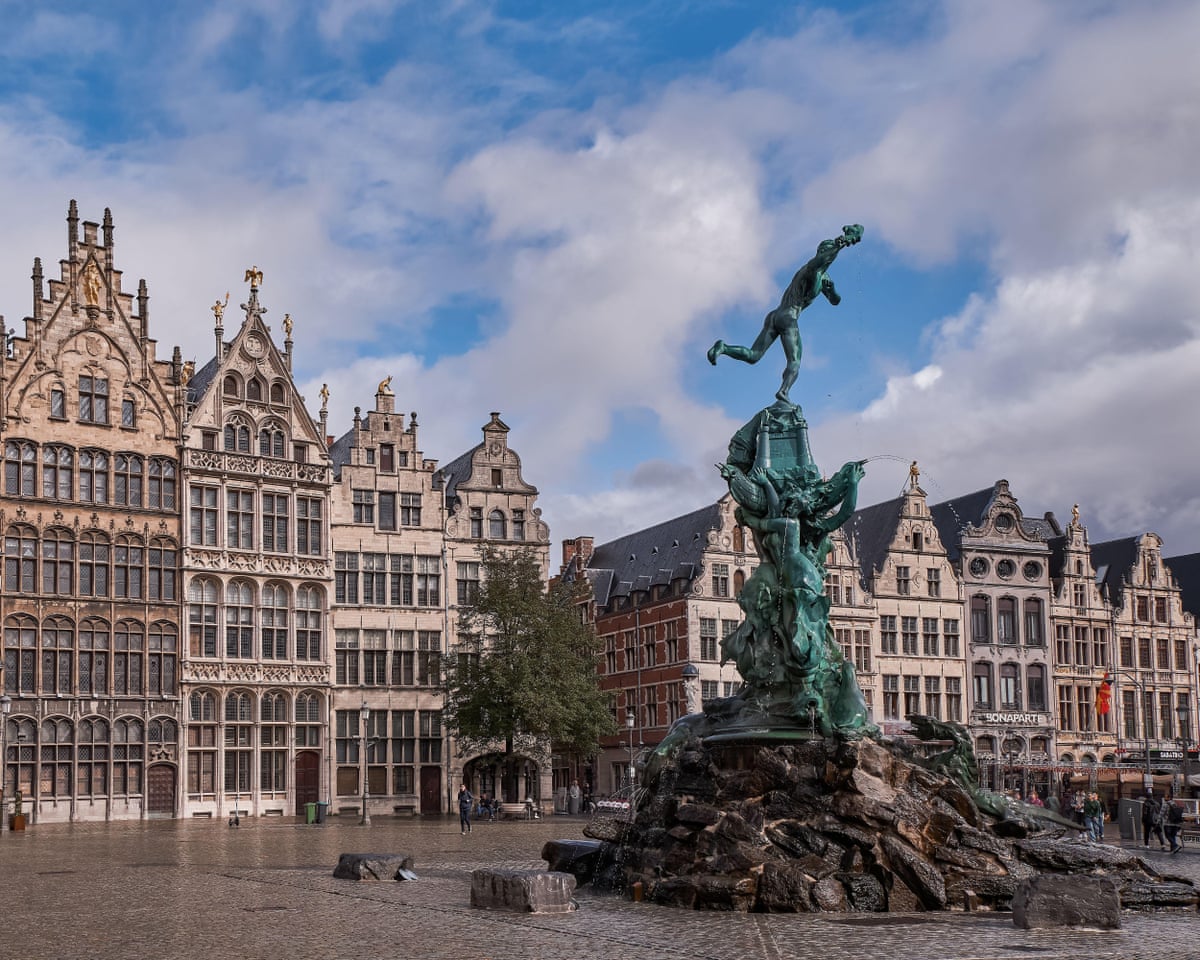
This philosophy resonates in a city whose prosperity was historically linked to the textile trade. In the 16th century, Antwerp was Europe’s largest river port, handling cargos such as English wool, Italian silks, Indian diamonds, Portuguese spices, and West Indies sugar transported along the River Scheldt. Wealth from this trade funded the construction of elaborate guild houses and civic buildings surrounding the Grote Markt, Antwerp’s prominent central square.
The history of Antwerp’s port is detailed at the Museum aan de Stroom (MAS), housed in a strikingly modern 10-story building in the dockside Eilandje district. Visitors can enjoy panoramic views of the river and expansive dockyards from the rooftop terrace, or sample global street foods at the nearby Food Market, located in a historic warehouse featuring a waterside terrace.
Beyond commerce, Antwerp was also a center of artistic and intellectual achievement, home to painters such as Anthony van Dyck, Pieter Bruegel the Elder, Clara Peeters, and Peter Paul Rubens. Their works are displayed at the Royal Museum of Fine Arts Antwerp, but nothing compares to viewing four of Rubens’ monumental altarpieces in their original setting at the Cathedral of Our Lady.
Historic Sites and Artistic Treasures
While Rubens’ home, the Rubenshuis, is currently closed for extensive renovations, visitors can find respite after a day of sightseeing and shopping in the Italian-style formal gardens, which remain open to the public. Additionally, the Plantin-Moretus Museum, the former residence and workshop of a family that revolutionized printing over nine generations, offers a unique glimpse into history. The museum houses early wooden printing presses dating back to the 1600s and showcases the production of the first atlas, numerous scientific books, and beautifully illustrated Bibles. Its dark-paneled walls, leaded windows, and creaking floorboards create an atmospheric environment where time appears to stand still.
Final Moments in Antwerp
Before departing, there is time to enjoy a bolleke beer and a shrimp croquette in the sunny square adjacent to Hotel t’Sandt, a charming establishment housed in a beautifully restored 17th-century mansion featuring polished wooden floors, a spiral staircase, and beamed ceilings. The building has served various purposes over the years, including as a banana warehouse, custom house, soap factory, and sculptor’s studio. Today, it provides a stylish and welcoming base for exploring the city, embodying Antwerp’s rich history and character.
After checking out, travelers can take the tram to Antwerp Central Station for a 45-minute train journey to Brussels, where they can connect with the Eurostar for onward travel.
Additional Information
The trip was provided by Visit Flanders. Double rooms at Hotel t’Sandt start from €217 per night.