Marvin’s Looksmaxxing Routine
Marvin evaluates his appearance, rating himself a "solid 7/10" but believes he could improve further.
"I'm not happy with my skin, eyebags and my jawline could be better," Marvin says.
"If I sort all that, then I'd be a 9/10."
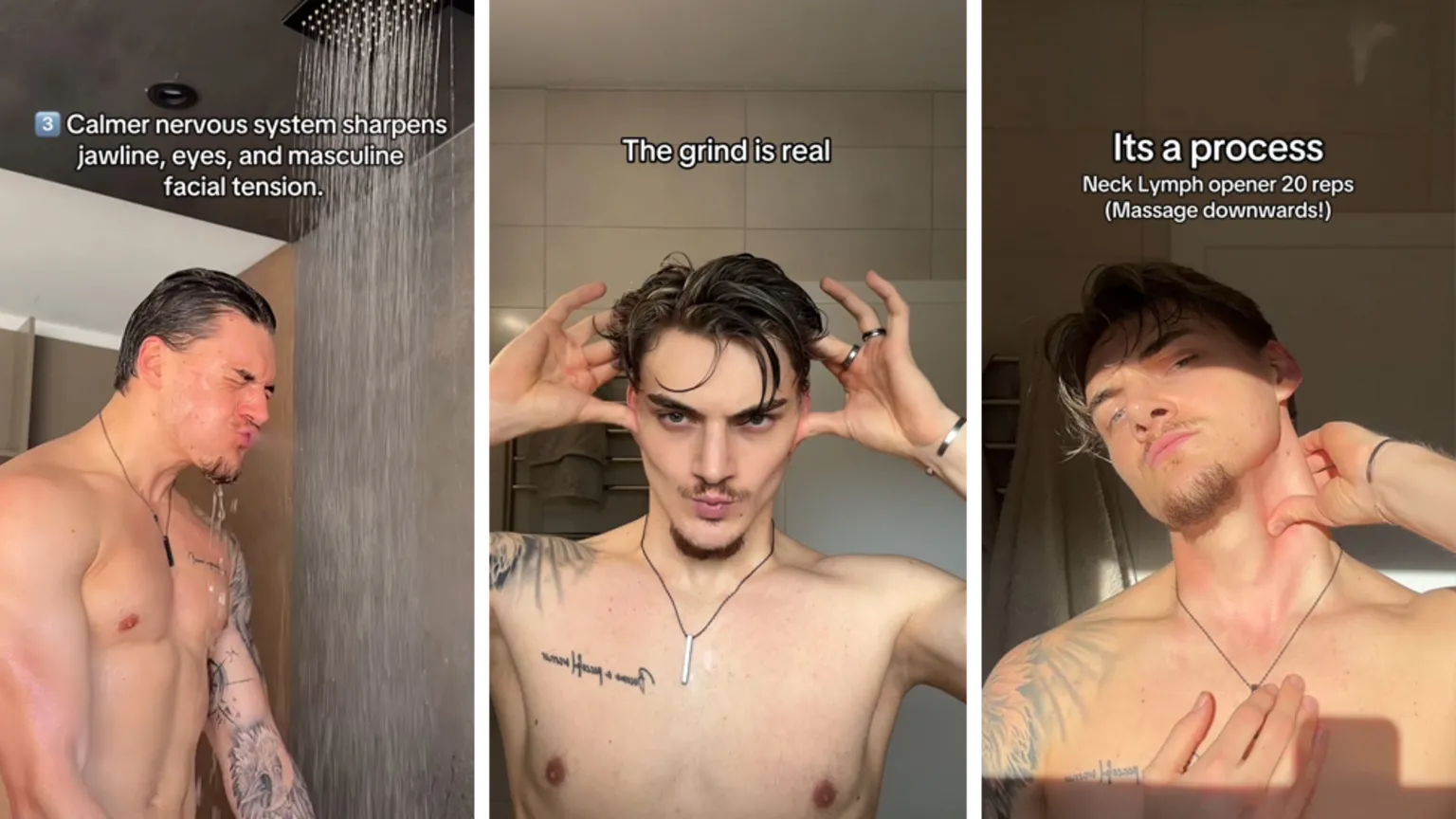
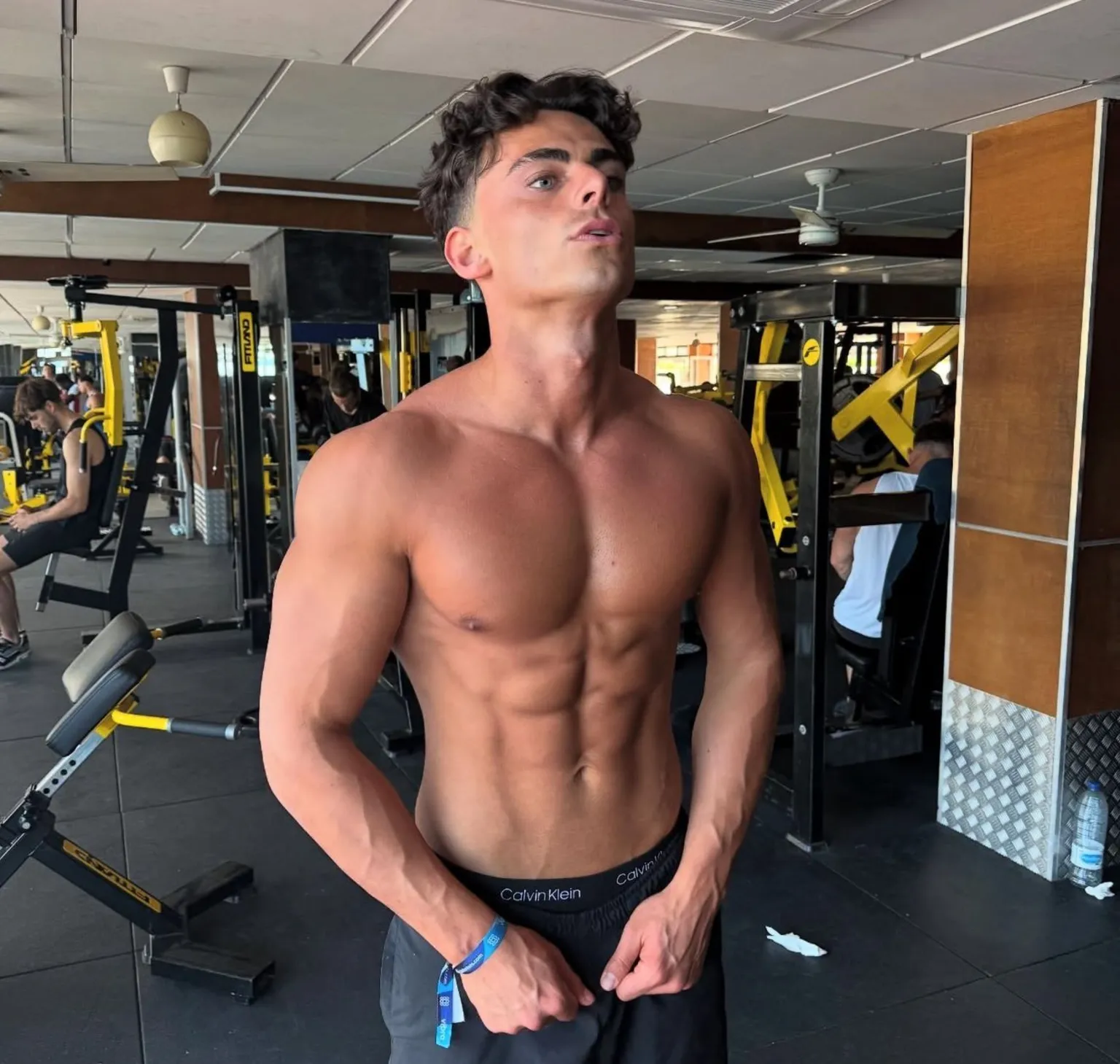
The 26-year-old is dedicated to "looksmaxxing." His day begins early with an intense gym session, followed by a detailed skincare and facial exercise routine at home. After alternating warm and ice-cold showers, he cleanses his face and applies a frozen cucumber to reduce puffiness, acne, and brighten his skin.
He then performs jaw and facial exercises, often sharing videos with his 35,000 TikTok followers.
"This is the Zygopush," Marvin explains, pressing his thumbs under his cheekbones and massaging upwards to hollow out his cheeks.
"Then there's the Hunter squeeze," he adds, pushing his index fingers against his temples and squeezing his eyes to create a more "wolf-like" eye shape.
Marvin laughs as he describes his routine.
"People do sometimes think, 'What is this man doing?'"
He is confident these efforts are helping him achieve the hollow-cheeked, chiselled profile with sharp eyes and a strong jawline that he desires. He believes this look represents when a man "peaks," transforming from an "unsatisfied carpenter working nine to five" to an "online entrepreneur."
The World of Looksmaxxing
Looksmaxxing is an increasingly popular online movement where young men pursue what they perceive as the ideal face and body to attain a better life. The practices range from gym workouts and skincare routines (known as softmaxxing) to taking growth hormones and unregulated peptides.
At the extreme end, called hardmaxxing, some men undergo jaw surgery or "bone-smash" procedures to achieve a Neanderthal-like appearance.
Marvin warns that if a man does not fit this aesthetic or actively work to improve his appearance, he risks falling into the "sub three" category and becoming "not a very good-looking human."
He uses a face analysis app to assess his photos and identify areas for improvement. Such apps have thousands of reviews on app stores.
For some, looksmaxxing provides a guide on how to become a "successful male." One prominent influencer is Braden Peters, also known as Clavicular, a 20-year-old with a sharp jawline regarded as a "giga chad" or 10/10 in looksmaxxing terms.
In his own words, he "mogs" everyone he meets, outshining all in his presence.
Clavicular credits his appearance to taking testosterone from age 14 and reshaping his jawbone by smashing it with a hammer—methods not recommended by health professionals.
His content, along with similar influencers, has helped bring looksmaxxing from niche underground forums into the mainstream.
Concerns About the Manosphere and Toxic Masculinity
Experts studying the manosphere—an ultra-masculine subculture recently featured in a Louis Theroux documentary—warn that looksmaxxing can be a gateway to more harmful ideologies.
The term "looksmaxxing" originally appeared in online incel forums, where young men who identify as "involuntary celibate" often express misogynistic views blaming women for their lack of sexual encounters.
Journalist Matt Shea, who has extensively covered toxic masculinity and interviewed figures like Andrew Tate, notes that many male influencers, including Clavicular, share similar ideologies and monetize them.
"They tell young men how worthless they are," Shea explains, "then offer themselves up as the solution."
"They sell courses on how to increase your sexual market value (SMV) — basically a measurement of how attractive you are according to their scale."
According to Shea, a higher SMV increases the likelihood of sexual encounters. Looksmaxxing becomes a method to climb this attractiveness ladder. If a woman remains uninterested despite these efforts, the blame is either on insufficient self-improvement or on women, as the logic goes.

"That," Shea adds, "is when it becomes dangerous."
However, not all who engage in looksmaxxing to this ideology. Many reject the misogynistic messages associated with it.
Leander’s Perspective
Leander, who declined to be linked to incel culture, identifies as a softmaxxer focusing on self-improvement to boost his confidence.
Following a breakup in 2023, he researched looksmaxxing and developed a routine involving gym workouts five times a week, regular ice-cold face baths to reduce puffiness, sleeping on his back, and abstaining from pornography while considering masturbation acceptable.
"Pornography has become so normalised for many men that it completely destroys their image and attraction of women," he explains.
Leander does not rate himself on a scale but feels satisfied with his appearance "80% of the time." He cautions that softmaxxing has limited effects if one is not "conventionally attractive."
He says, "If you are in that category, the 'non-conventional attractive side,' or, in Marvin's terms, a sub five out of 10, I can understand why it pushes you into an incel corner" — though he does not condone that.
Tom Thebe’s Experience
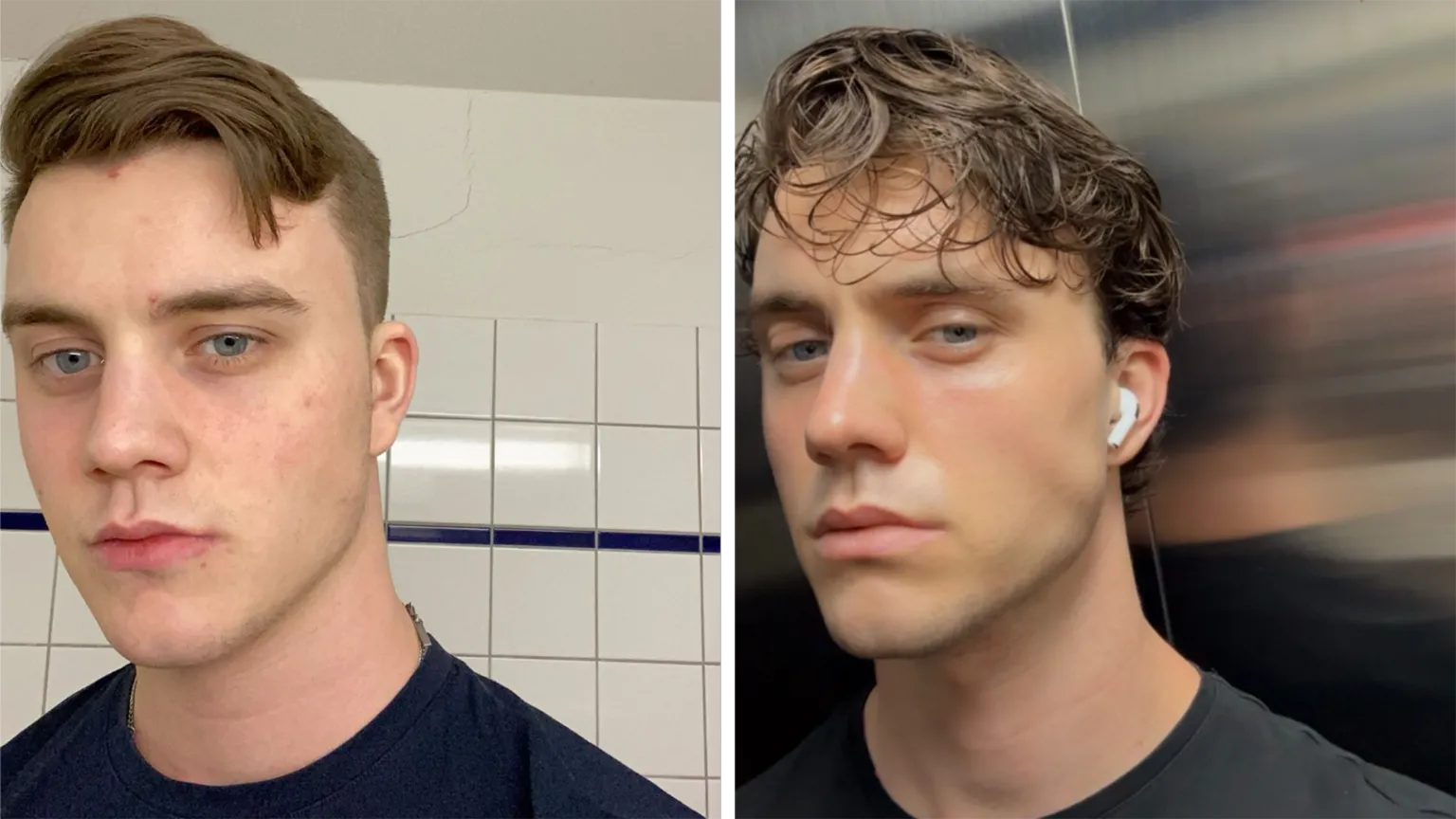
Tom Thebe, 23, has always been interested in fitness and appearance but became involved in looksmaxxing after experiencing hair loss at 21.
"It really had a hit on my confidence," he says. "It felt out of control - scary. And it obviously makes you look older too, which is what nobody wants."
He researched treatments and began taking finasteride and minoxidil, both prescription medications in the UK, which he feels made a significant difference.
From there, Tom expanded his looksmaxxing routine to include gym workouts, skincare, and injecting peptides—short chains of amino acids important for skin health, immune function, and hormones. These peptides have recently gained popularity on social media and among influencers.
He uses GHK-Cu for skin and hair growth and Melanotan II to deepen his tan.
However, most unregulated peptides have only been tested on animals and are not considered safe or effective for humans. The Medicines and Healthcare products Regulatory Agency (MHRA) has issued warnings advising against their use.
Despite this, Tom, who lives in Manchester, remains undeterred. He shares advice on social media about self-enhancement and is considering launching a coaching business. He does not view himself as an extreme looksmaxxer.
"The problem is when impressionable 18-year-olds see people bone smashing and extreme looksmaxxing, it definitely does have a negative effect on their perception of what they should look like."
Expert Analysis on Looksmaxxing and Society
Anda Solea, a researcher at the University of Portsmouth studying the incel culture’s societal influence, explains that looksmaxxing exists on a spectrum.
"There's the positive side of men caring about their health and getting fit," she says, "but the problem soon starts when it becomes the only thing, and you take risks on your health to try and improve your looks."
Solea notes that social media algorithms can push young men toward darker areas of the manosphere, where they are pressured to looksmaxx or face ridicule.
She questions whether men who invest heavily in their appearance but still face rejection from women might develop resentment toward women, blaming them for their lack of success.
"Will they start to hate women because women are at fault for not wanting them?" Solea asks.
She believes some men may ultimately realize looksmaxxing is not for them.
As demonstrated by Marvin, Leander, and Tom, motivations for looksmaxxing vary and often relate as much to self-perception as to external validation.
Additional reporting: Elena Bailey