Introduction to Kanya King's Impact
Kanya King, the founder of the Mobo awards celebrating Black British music, has passed away at the age of 57. She possessed an unprecedented vision: to establish a glamorous and joyful awards ceremony dedicated to music of Black origin. However, her influence extended far beyond the creation of the awards.
Early Encounters and Vision
I first met Kanya King in the mid-1990s, a period when I was still recovering from the unsuccessful launch of my own newspaper, Black Briton, which aimed to engage the Black audience. Kanya arrived a few years later and demonstrated how to effectively connect with this community. By framing her awards as "music of Black origin," she not only resonated with the relatively small Black British population but also attracted a broader audience that recognized the significant cultural impact of this music.
Context of the 1990s Britain
During that time, the concept of diversity was scarcely recognized. The era was dominated by the term "equal opportunities," which was seriously pursued mainly by Labour-controlled local councils and often dismissed as "loony left" by much of the media. Britain was under the influence of over 15 years of Thatcher-inspired government policies. The murder of Stephen Lawrence had occurred, but the inquiry that would identify institutional failures was still years away.
Consequently, there was minimal interest within the corporate sector in the mid-1990s to address racial inequality. This was the environment into which Kanya stepped, armed solely with her vision, mission, and boundless energy. How she convinced executives at London broadcaster Carlton TV to air her inaugural awards show remains a mystery to me. There was no precedent for such an event. At the time, I had covered numerous Black awards ceremonies as a journalist within the Black press, but these events were typically held in local community centers or town halls. The idea of a glamorous ceremony broadcast by a mainstream channel was nearly unimaginable—except to Kanya.
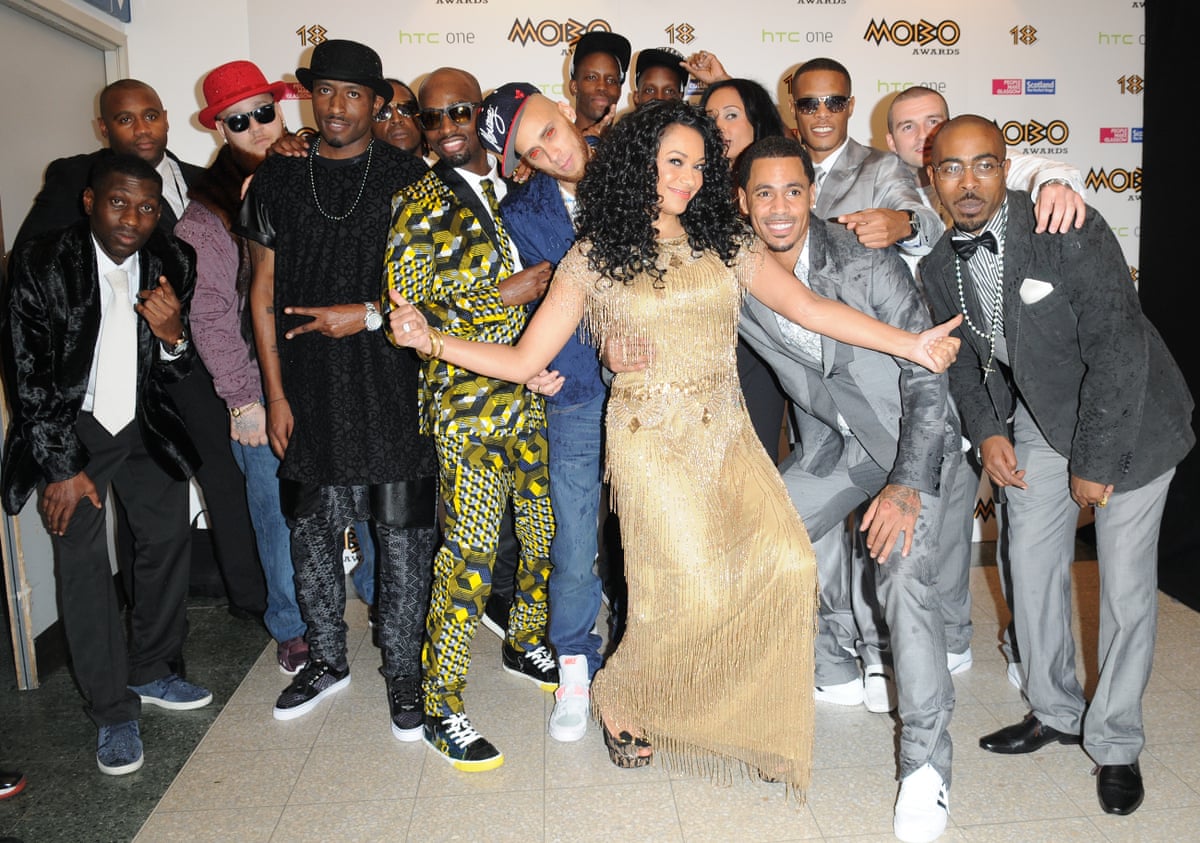
Personal Impressions of Kanya King
Upon viewing that first show, I imagined the woman behind it to be a formidable, assertive figure reminiscent of a character from the television series Dynasty, complete with big shoulder pads. While such an image was not negative, meeting her revealed the exact opposite: she was engaging, self-effacing, humorous, and modest. Despite having much to be proud of, she remained humble. Her true strength was kindness and warmth.

Mission and Legacy
Kanya’s mission was always to elevate the profile of Black British music and culture and to support the careers of its artists. Her efforts were never self-serving. Upon achieving success, she sought to further effect change by establishing the Mobo Trust, a charitable organization aimed at supporting future recording artists.
She expanded the reach of the Mobo awards beyond London. I recall a disagreement with her in the late 2000s regarding the decision to host the awards in cities with smaller Black populations, such as Glasgow. I believed this was a mistake, but she proceeded regardless and ultimately proved me wrong. The awards and Black British music as a whole gained a new audience, and in subsequent years, the event traveled to several other cities.
Health Challenges and Continued Dedication
Kanya’s greatest challenge arose two years ago when she was diagnosed with cancer and given only months to live. This news was devastating. Nevertheless, she defied expectations and continued her work. She was able to oversee the Mobos’ 30th anniversary ceremony in March of this year. I saw her a few days before this event, delivering a speech at the Speaker’s House about the profound impact of Black music on Britain’s cultural identity and the necessity for national recognition.
"The huge impact of Black music on Britain’s cultural identity, and why this needs to be nationally recognised."
Her speech was so compelling that I persuaded her to contribute an article to ’s opinion section. Despite all she had endured, she retained her strength, passion, and energy. The only visible sign of frailty was when she requested to sit down during an interview.
Final Reflections and Enduring Influence
She appeared to be overcoming the odds once more—a natural powerhouse who could not be stopped. This resilience led many of us to hope she would remain with us for a long time. Sadly, the news of her passing today confirms that her light has finally dimmed. However, her legacy endures. The transformation she brought about by bringing Black British music into the mainstream marks her as a true revolutionary. Her revolution was one without violence or suffering, characterized instead by pure joy and celebration.