

From Doubt to Celebration: The Birth of a Jazz Festival
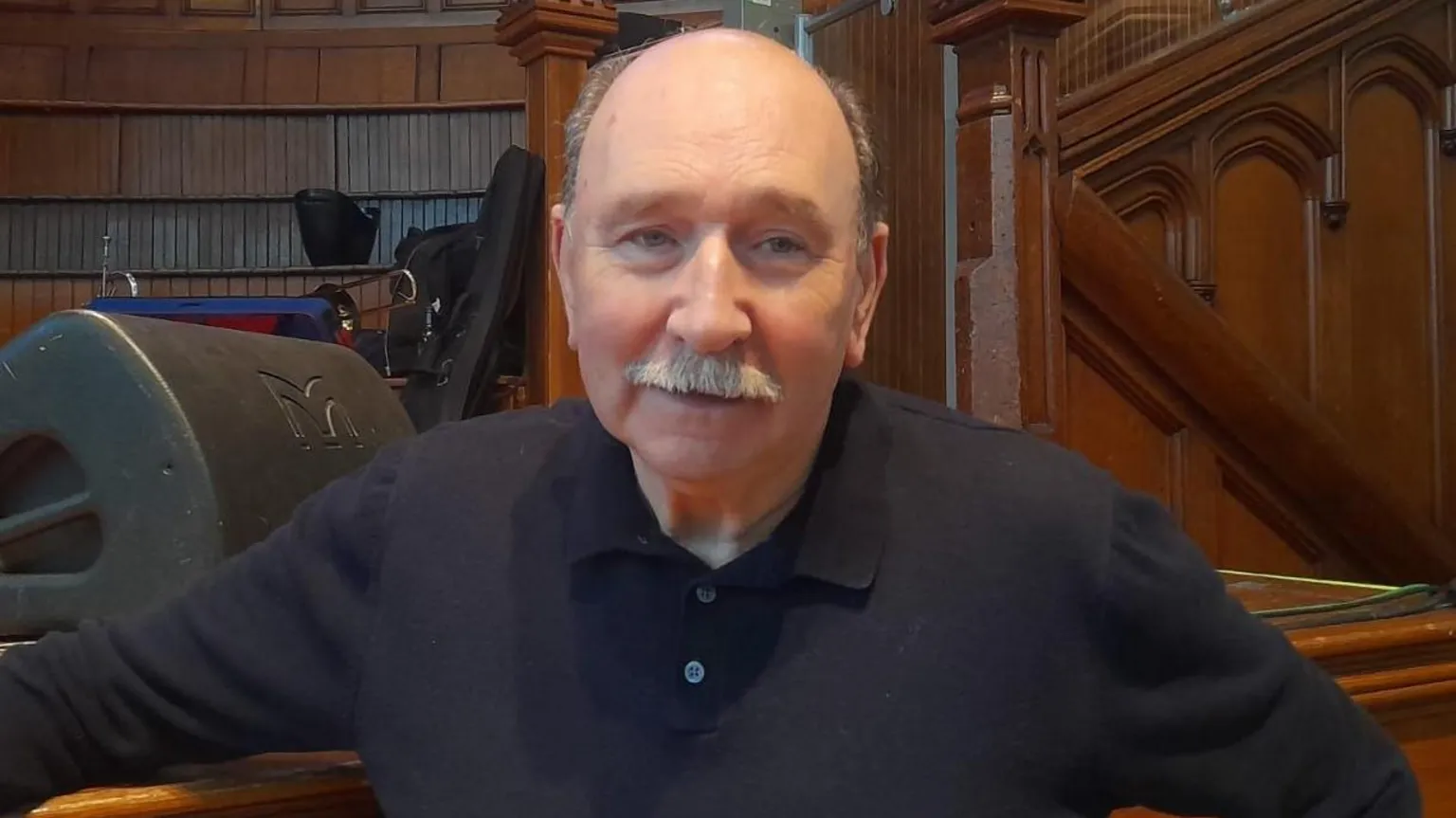
When Johnny Murray first proposed the idea of an annual jazz festival in Northern Ireland's second city, some staff in a Londonderry bar told him he was "off his head".
"Jazz will never work in Derry," he was warned back in 2001.
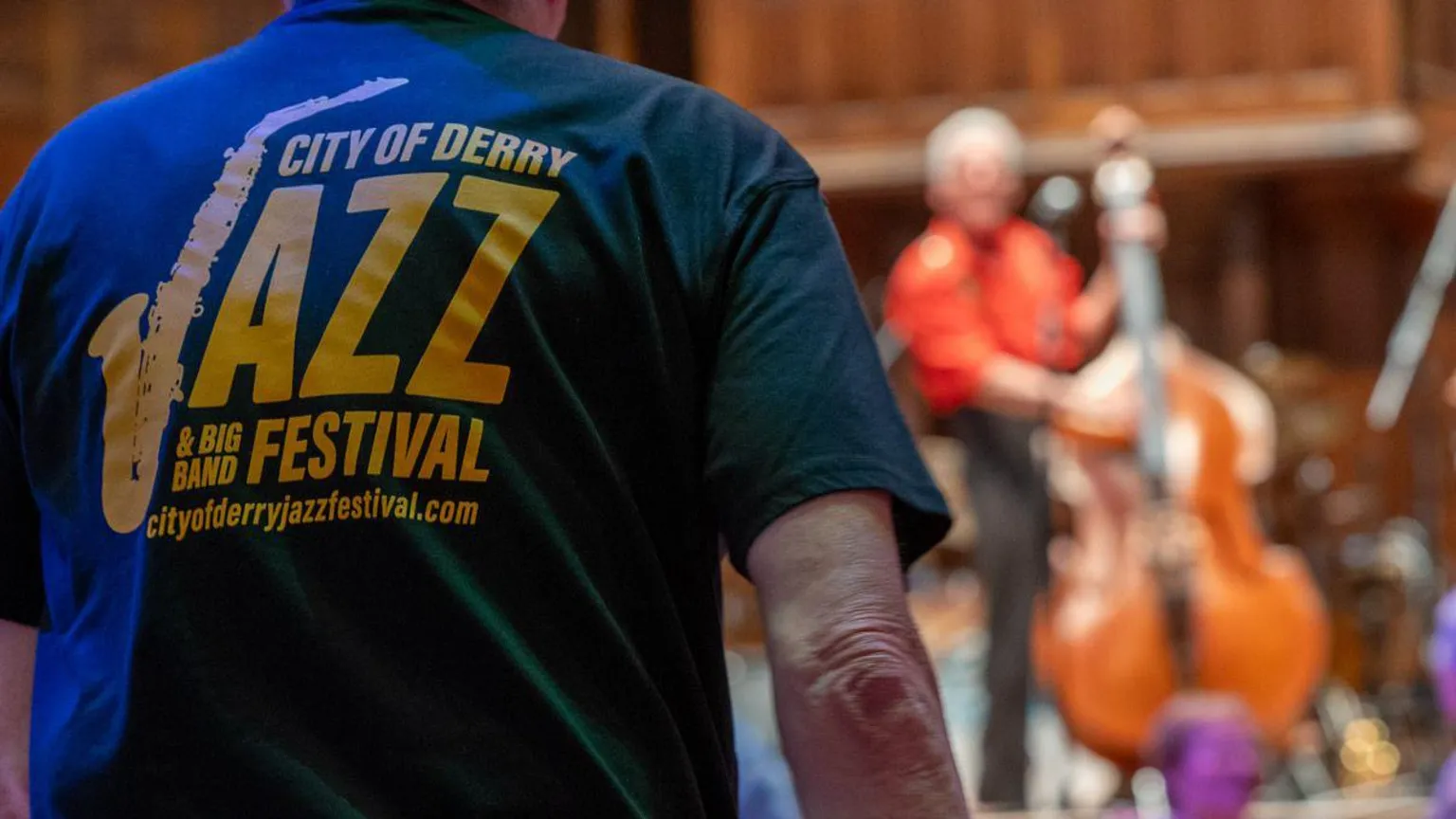
Twenty-five years later, the City of Derry Jazz Festival marks a significant milestone, drawing major international artists, filling hotels, and thrilling ever-growing audiences each year.
However, the festival's success was not only surprising to the city's bar staff; even Murray did not anticipate the expansion it would achieve.
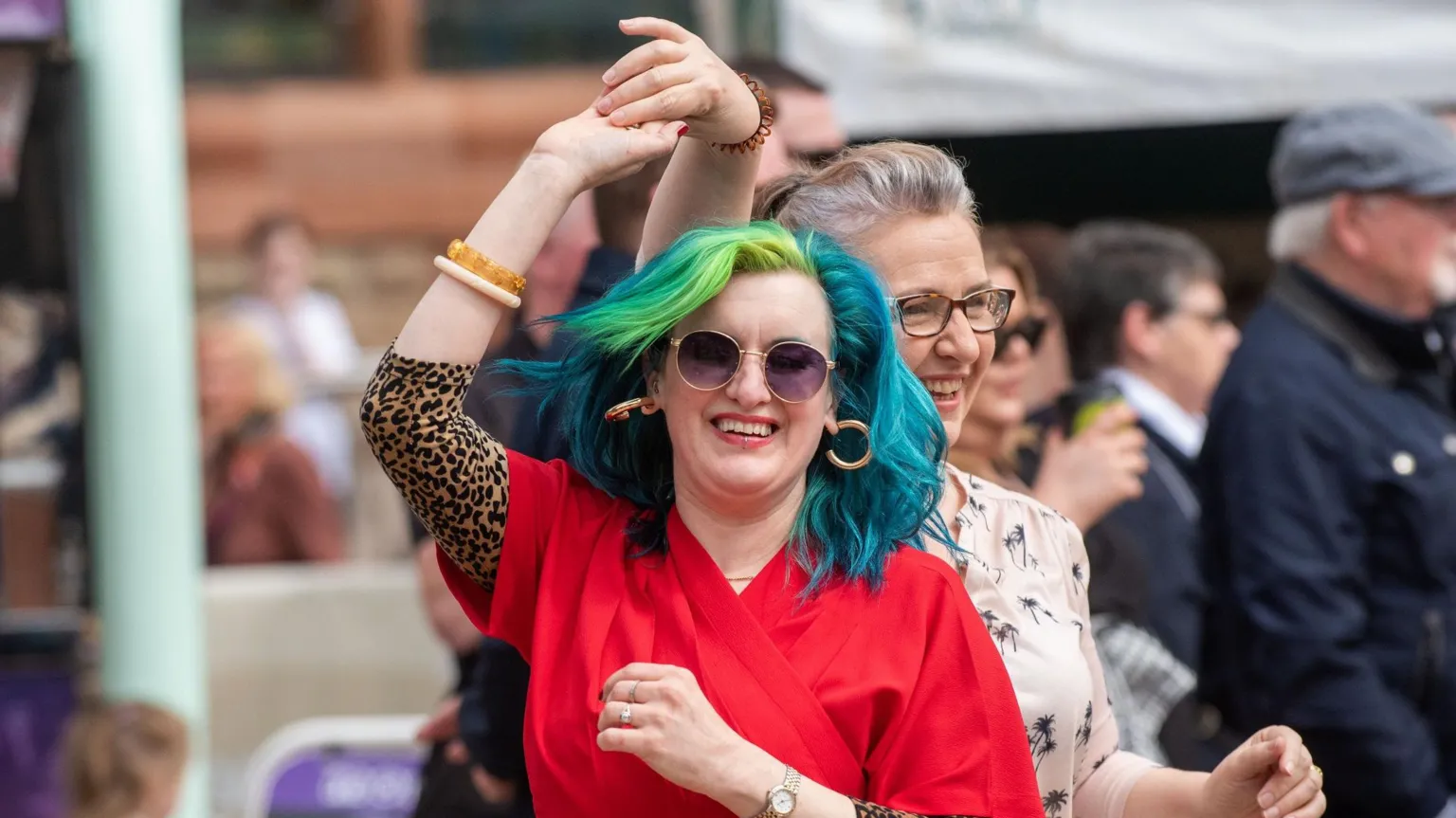
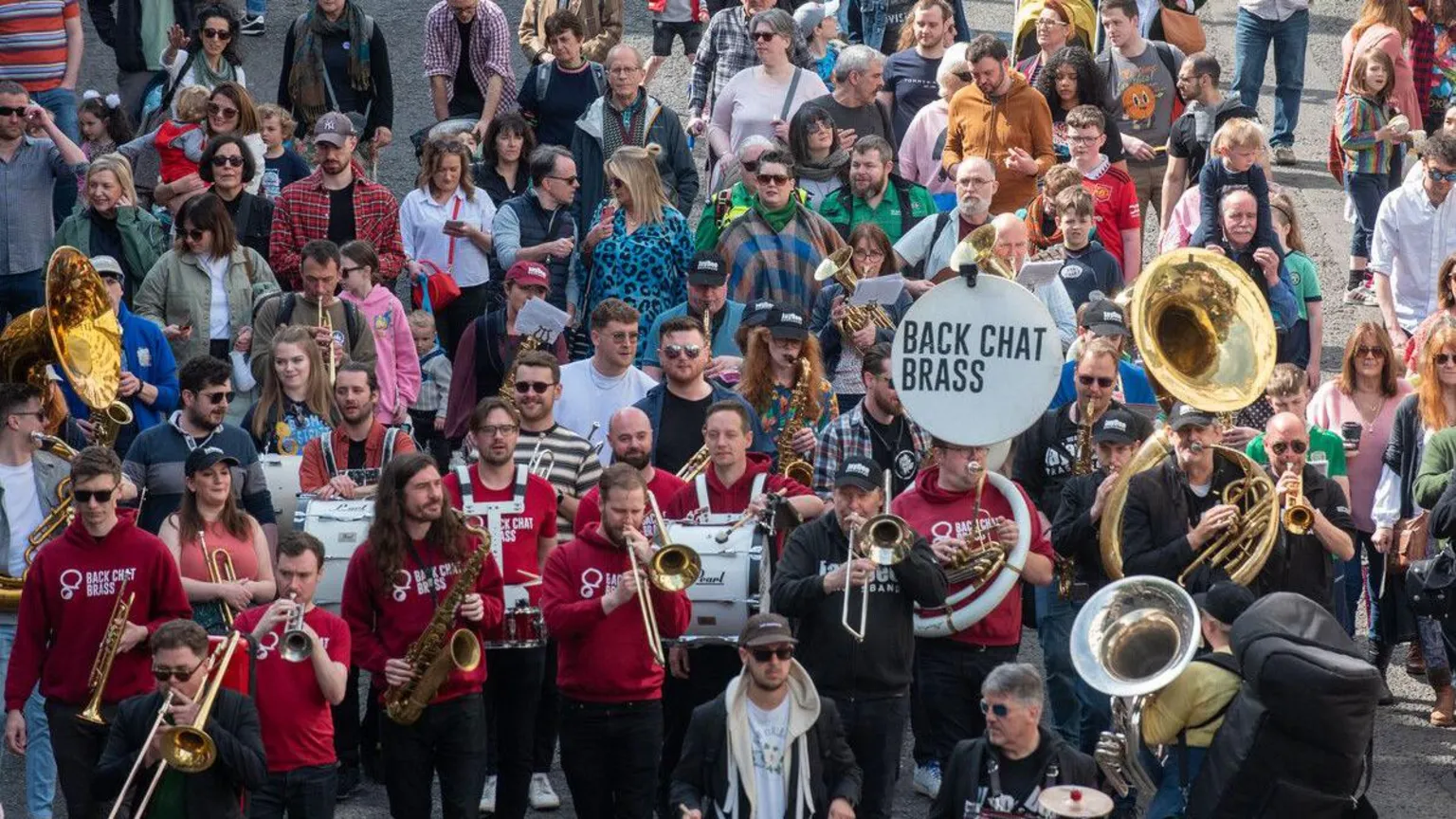
Over the bank holiday weekend, more than 400 performances are scheduled across 70 venues in the city, with approximately 100,000 visitors expected to attend the festival.
Origins and Vision
The idea of a jazz festival had been developing for some time, with its roots traced back to the opposite end of the island during a trip to Cork.
Murray, well known in the northwest as manager of the city's Rialto Theatre, was visiting Cork with fellow festival founder Gerard McColgan for that city's jazz festival when they considered that their hometown might be missing such an event.
Derry, he said, was a city with "a gap in its events calendar" that perhaps a "jazz festival could fill."
Challenges and Inclusive Approach
Like any innovative idea, the festival faced challenges—primarily whether the people of Derry even liked jazz music.
Murray told BBC Radio Foyle's Mark Patterson Show that one decision made during the early years was crucial in shaping the festival's future: Derry's version could not be confined to purists. This, he said, would be a festival for all.
"If it had been pure jazz, you'd have had a very limited audience," he said. "We wanted it to be commercial and accessible — so that everybody could participate."
From the outset, the festival embraced musical diversity, featuring big band, swing, ska, blues, Dixieland, and bebop.
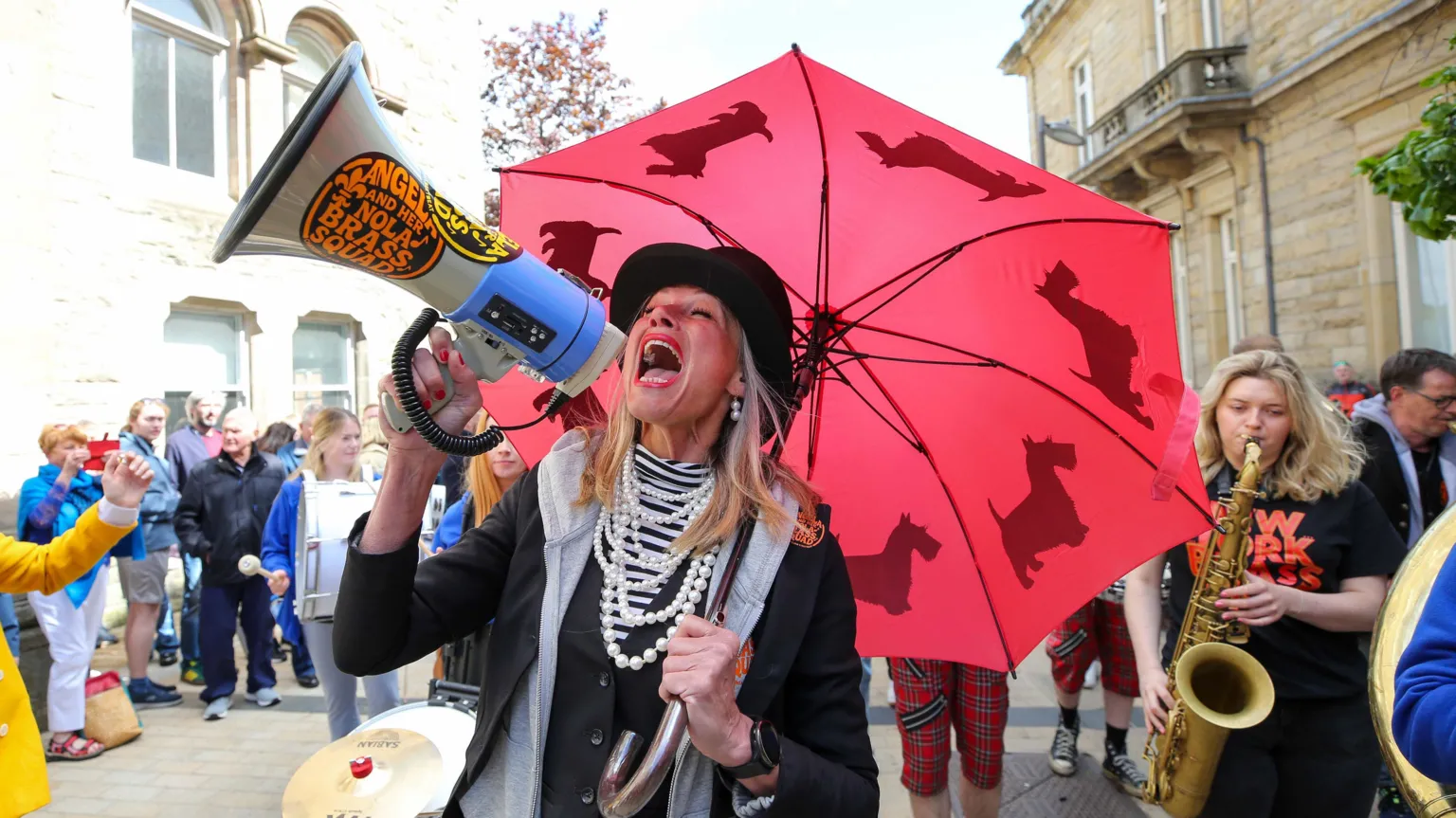
"People would say 'I don't like jazz' - but the festival is much broader than that."
Gaining Support from Local Venues
Convincing the city's many bars and clubs to support a new festival was the next hurdle.
"When I went to the bars, the reaction wasn't encouraging," Murray said.
"They just didn't think it would work. I remember one bar saying to me 'are you off your head? Jazz will never work in Derry'."
Murray proposed a modest experiment, asking each bar he approached to book one act in the festival's first year.
They were encouraged to "see how it goes" and to "have faith." The following year, venues were asked to book two bands.

With each passing year, momentum grew. More venues booked more bands.
"And it just built from there," Murray said.
Growth and Attendance
Approximately 6,000 people attended events in the festival's first year, a figure now dwarfed by the numbers expected to enjoy the May bank holiday weekend music.
International and Local Talent
Over the years, the festival has attracted internationally recognized artists.
Jools Holland, Ruby Turner, Van Morrison, Billy Ocean, and Bill Wyman have all performed at the festival. Acclaimed jazz performers Soweto Kinch and Bobo Stenson have also captivated audiences.
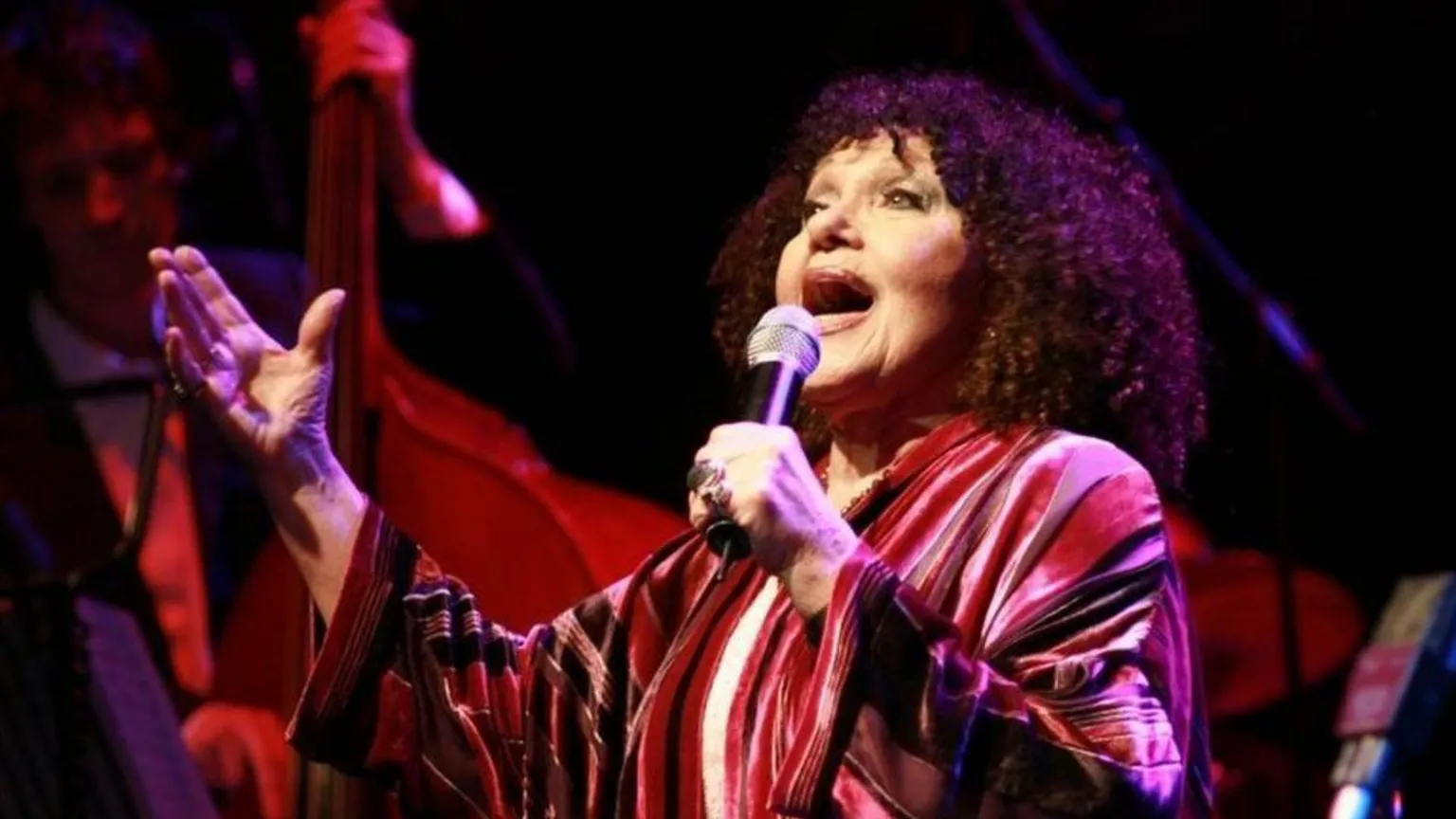
Equally important to the festival's success, Murray said, are the local musicians who "were there from the beginning"—Gay MacIntyre, Johnny Quigley, Jackie Flavelle, and Jimmy Gilchrist.
Economic Impact and Continued Growth
The festival is now estimated to be worth around £2 million to the local economy.
Its continued growth, according to Aisling McCallion from Derry City and Strabane District Council, reflects "the enduring popularity and ambition" of the festival.
Focus on Youth and Legacy
Opportunities for younger musicians have steadily expanded, with schools and youth ensembles now an integral part of the programme.
McCallion emphasized that this remains a key focus, providing "young and up-and-coming musicians the chance to develop their skills and perform in a professional setting, establishing a lasting legacy for the festival."
Silver Anniversary Edition
Organisers say the festival's silver anniversary edition reflects both its international reputation and its long-standing connection to the city's live music scene.
Curtis Stigers performed in the city earlier this week, as did Donegal blues guitarist Muireann Bradley.
Leo Richardson, Guy Davis, and Sylvie Noble are also among the artists playing the festival this year.
Venues and Events
Scores of venues across the city participate in hosting the festival, including the Millennium Forum, New Gates Arts Centre, and The Playhouse.
Bars and pubs will be filled with music lovers, while a central feature of the festival is the scale of free events.
Brass bands will roam the city's streets, al fresco jazz will be hosted in the Craft Village, and Guildhall Square's Gay MacIntyre stage will host open-air jazz for the next three days.


