Rio Carnival Parade Highlights and Political Controversy
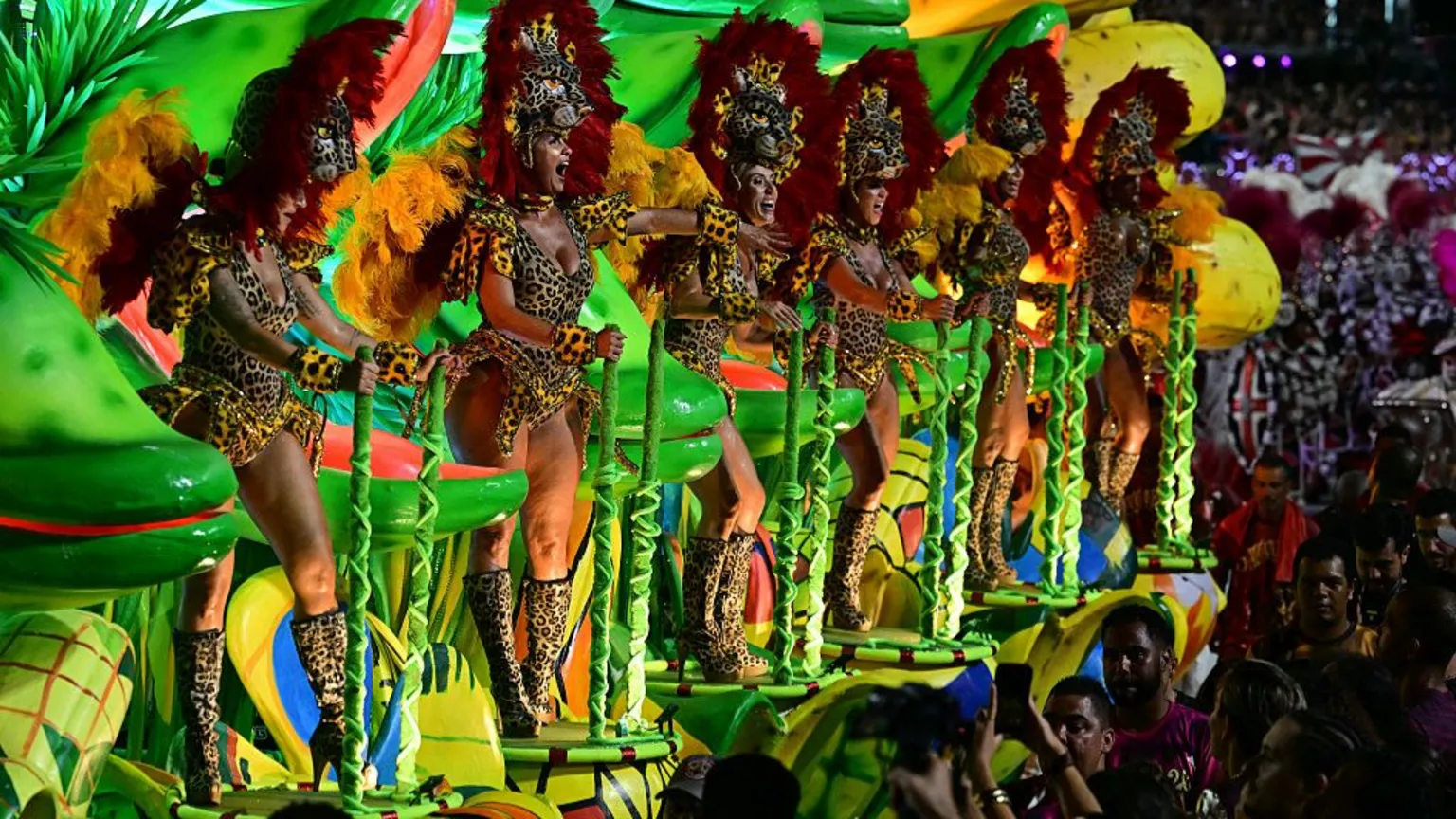
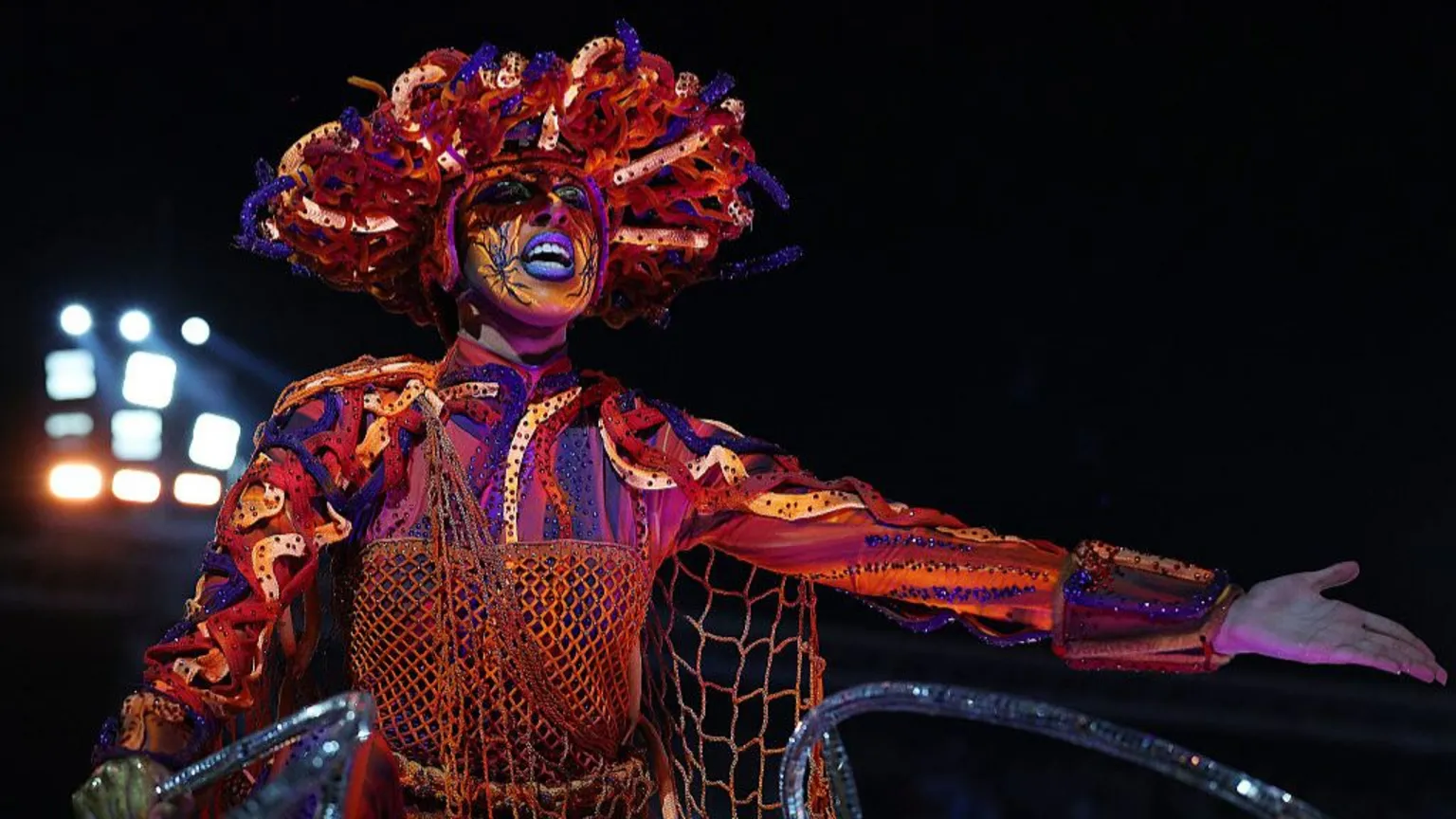
Rio de Janeiro's annual carnival parade competition maintained its tradition of vibrant dance and colour, with samba school Viradouro winning the title for its homage to its legendary drum director.
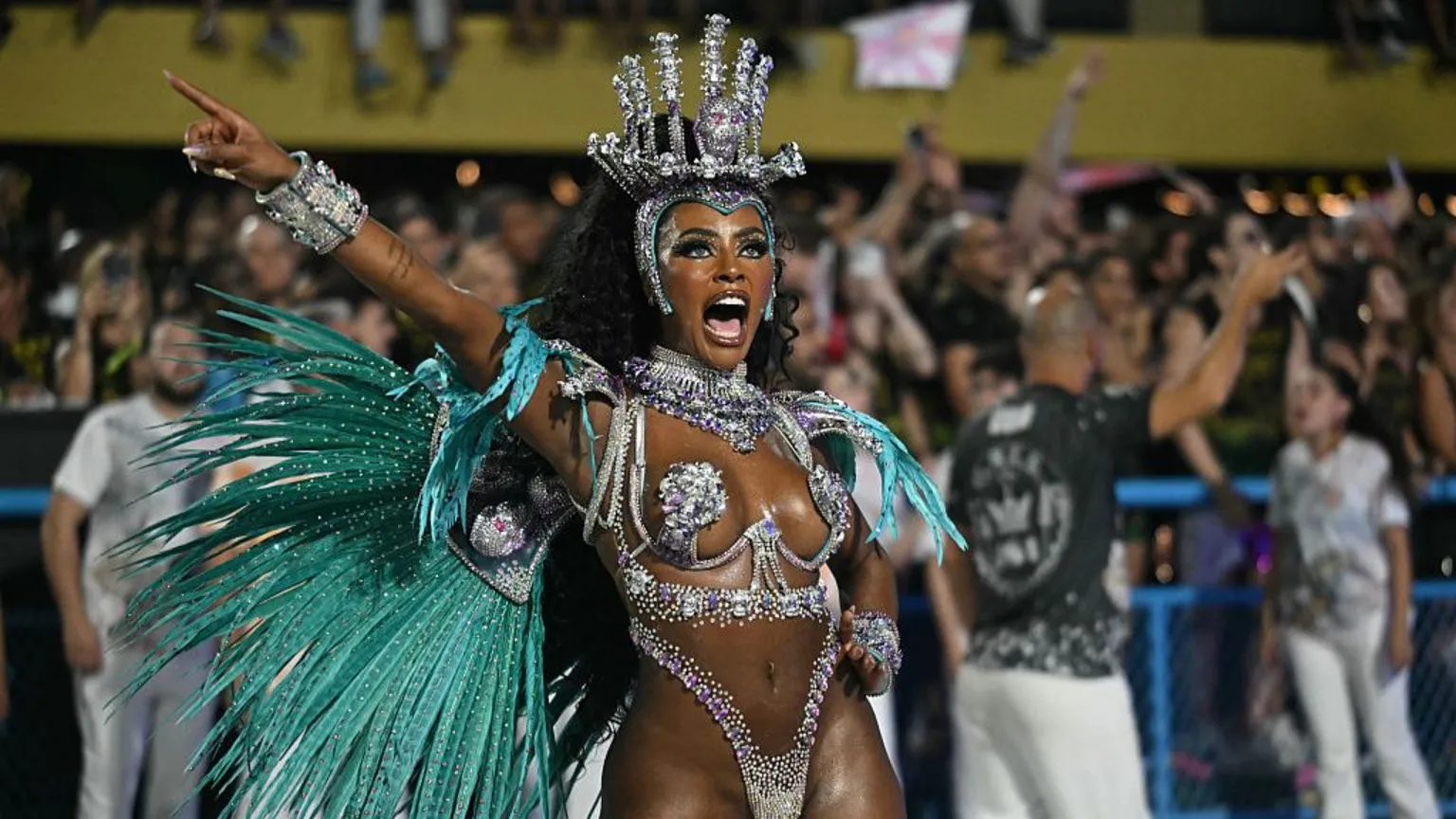
However, this year's event also featured a notable political controversy. The samba school Academicos de Niteroi presented a parade honouring the life of Brazil's president Luiz Inácio Lula da Silva, which ultimately placed last amid political backlash that began even during rehearsals.
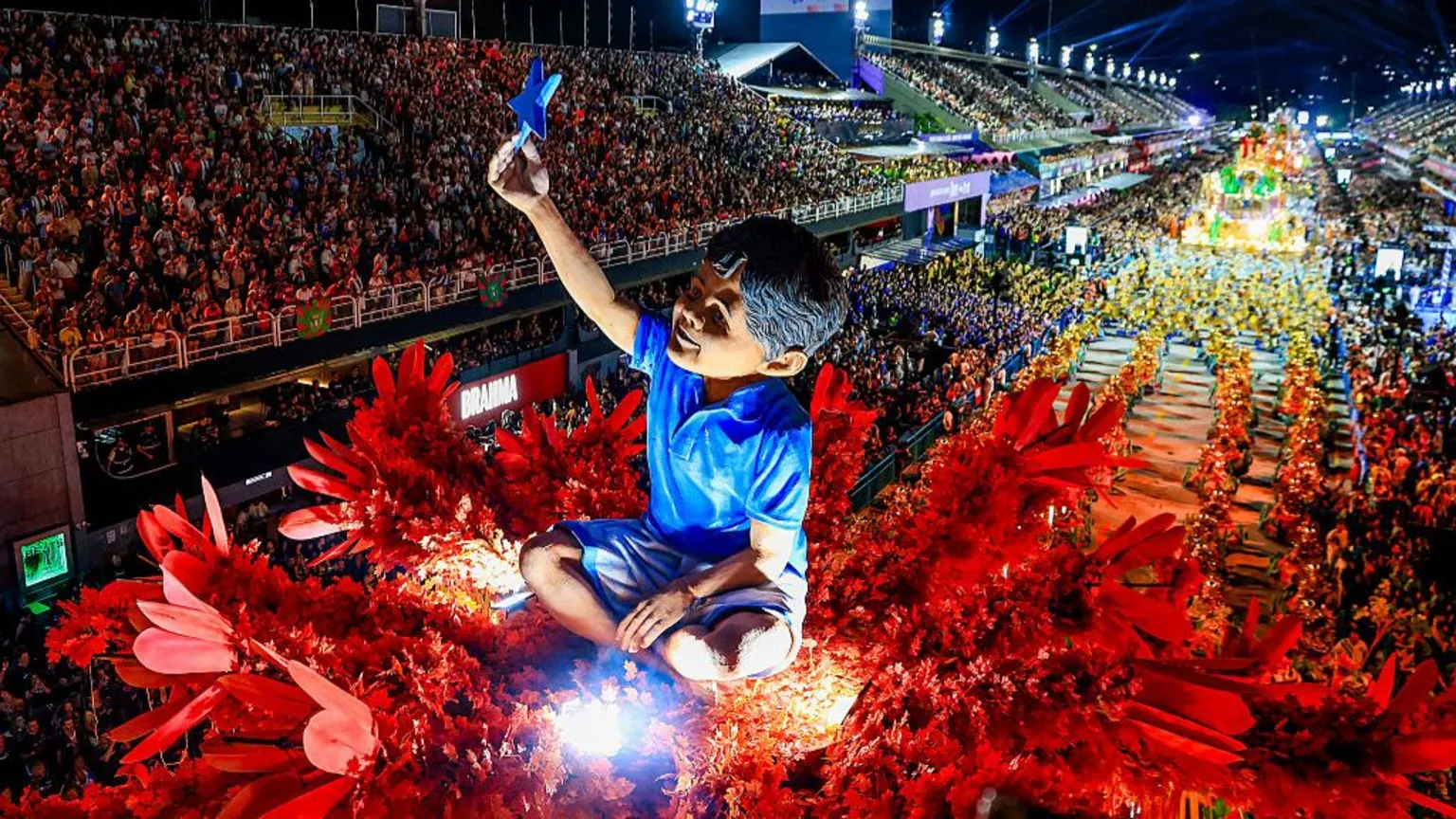
The performance depicted Lula's journey from poverty as a shoeshine boy to becoming the nation's president. Tiago Martins, a carnival parade designer at the school, described it as a deeply personal narrative.
"The samba says it: there are children of the poor becoming doctors, and me, a child of the poor, becoming a carnival designer,"
"We wanted to tell the story of a man who did a lot for the poor and for Brazil."
Despite the tribute's artistic intent, opposition parties criticized the decision to spotlight a sitting president, interpreting it as premature campaigning ahead of the October elections, where Lula is seeking a fourth term.
Several lawsuits were filed alleging that Lula could gain political advantage from the parade, but courts rejected these claims. Opposition parties even requested the parade be blocked, but the requests were denied.
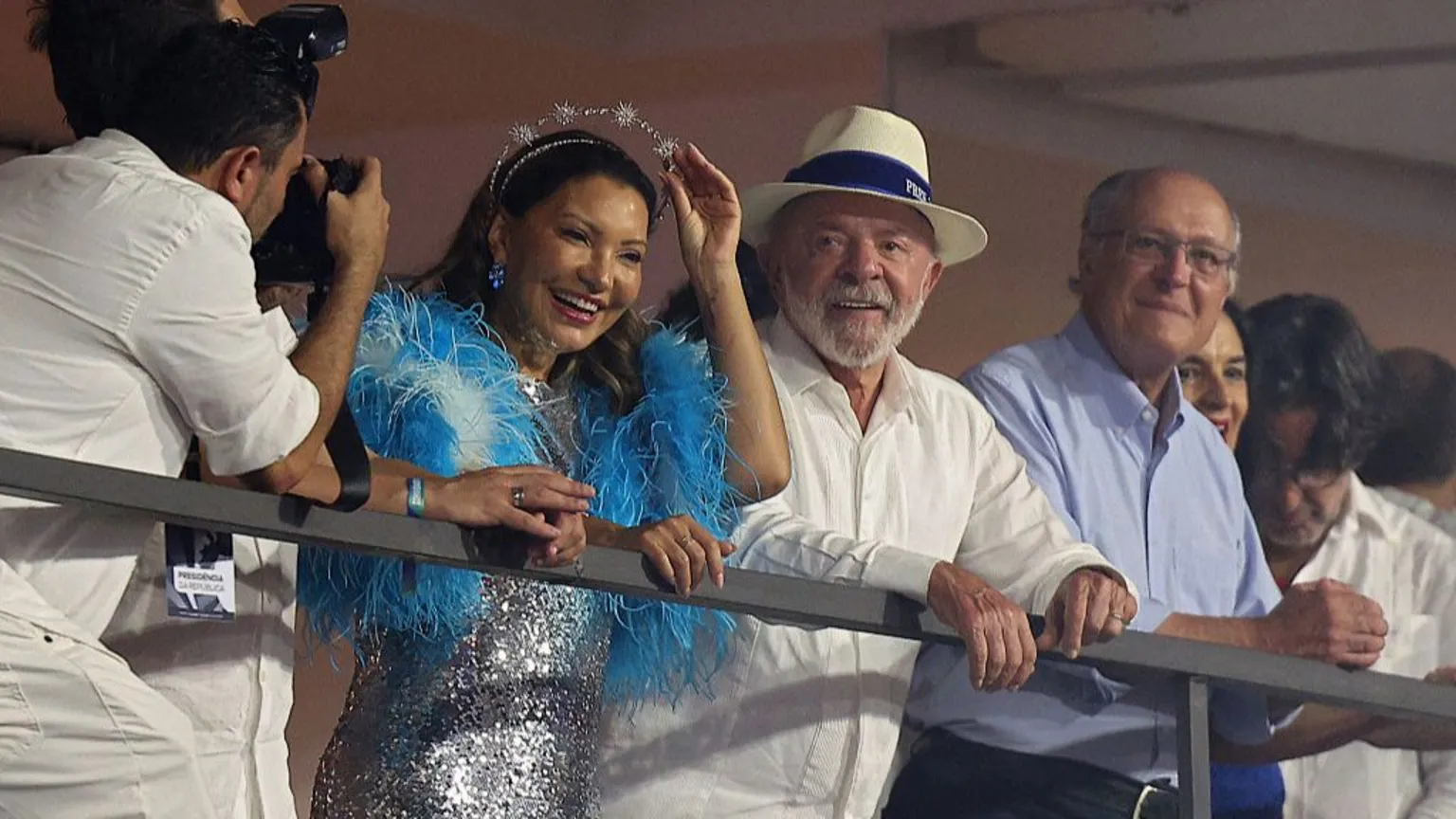
Lula himself endorsed the academy and attended the performance alongside thousands of spectators in Rio's Sambadrome arena.

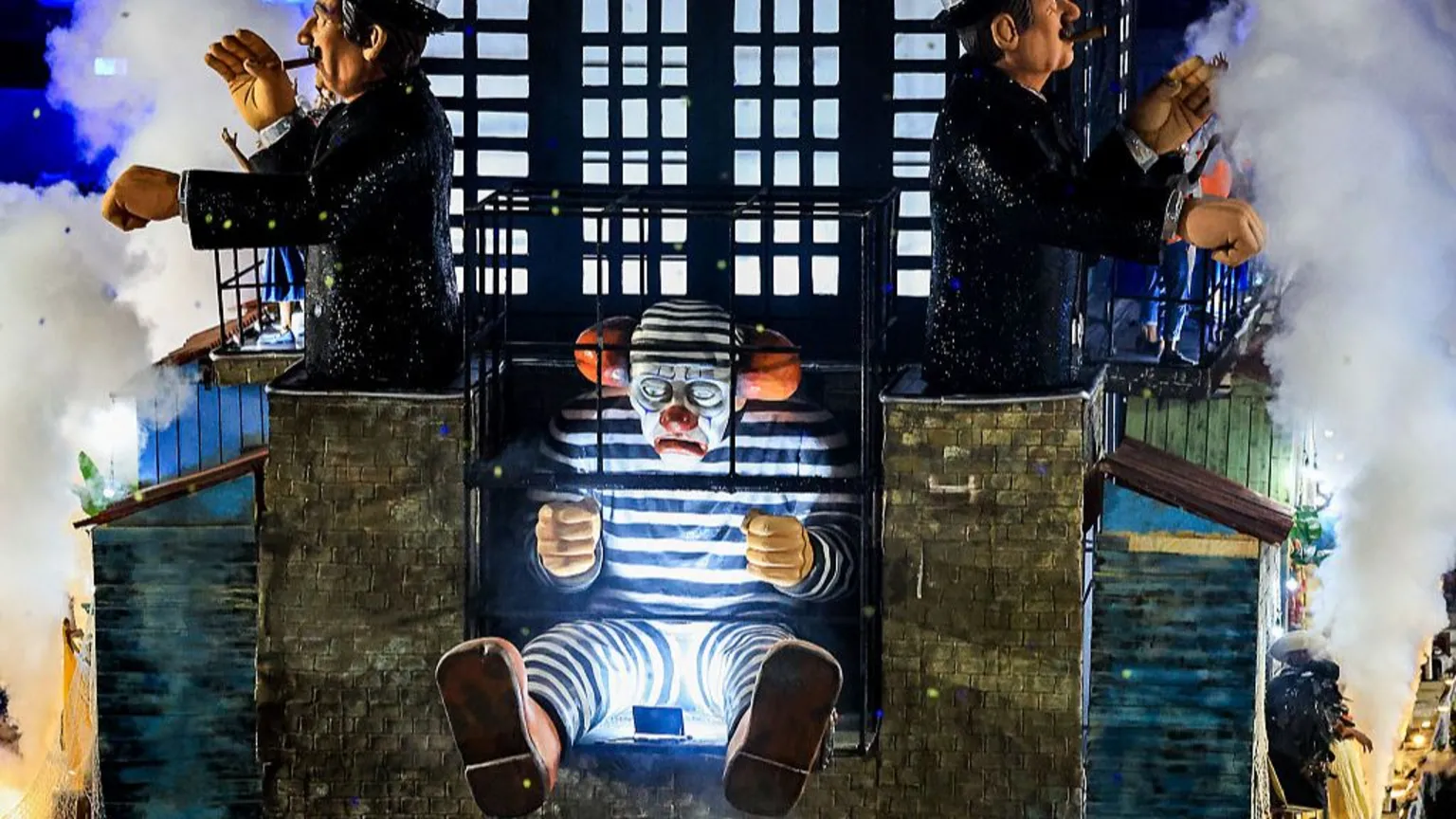
Another politically charged element of Academicos de Niteroi's presentation was the depiction of former far-right leader Jair Bolsonaro as Bozo the Clown behind bars.
Flavio Bolsonaro, the ex-president's son, vowed to appeal the electoral court's decision after it rejected opposition parties' requests to prevent the parade.
The parade also featured a performance by dancers dressed as a traditional family preserved in a tin can, titled "preserved neoconservatives," which drew criticism on social media for mocking Christian values.
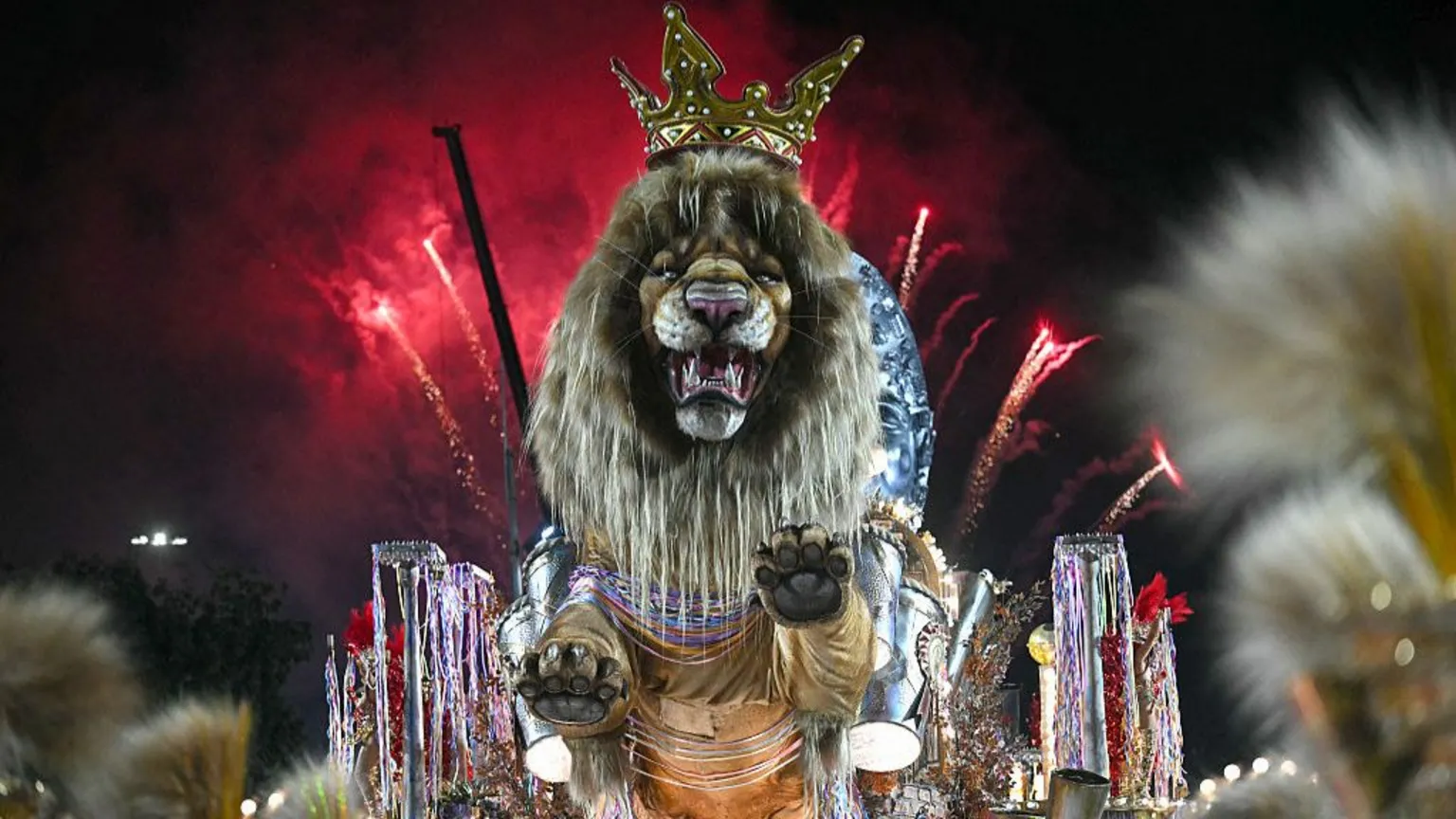
Despite the controversies, the parade showcased giant lions, dancing books, and rainbow-coloured plumes, captivating the audience.
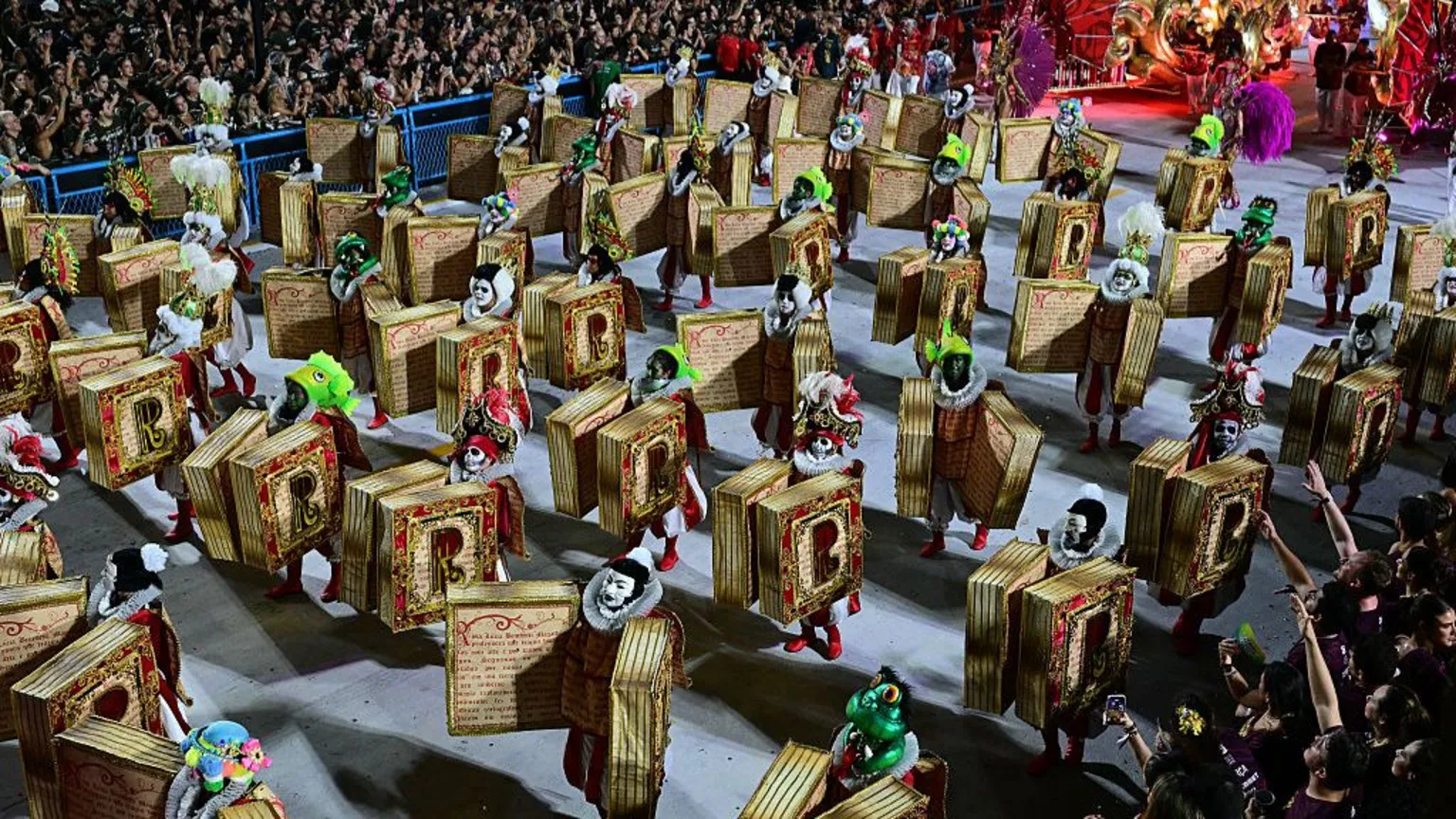
The carnival performances are judged across 10 categories by 40 judges, with the top 12 samba schools competing for the championship.
The night was marked by a sea of green and yellow celebrating Brazil's national colours, with an abundance of colour being the event's unofficial theme.