Irish Language Should Not Be a 'Bargaining Chip' in United Ireland Talks
The Irish language should not be employed as a "bargaining chip" to encourage unionists to accept a united Ireland. Additionally, Irish language speakers are urged to take a "proactive" role in preparing for Irish unity. These are key findings from a report commissioned by a prominent language organisation.
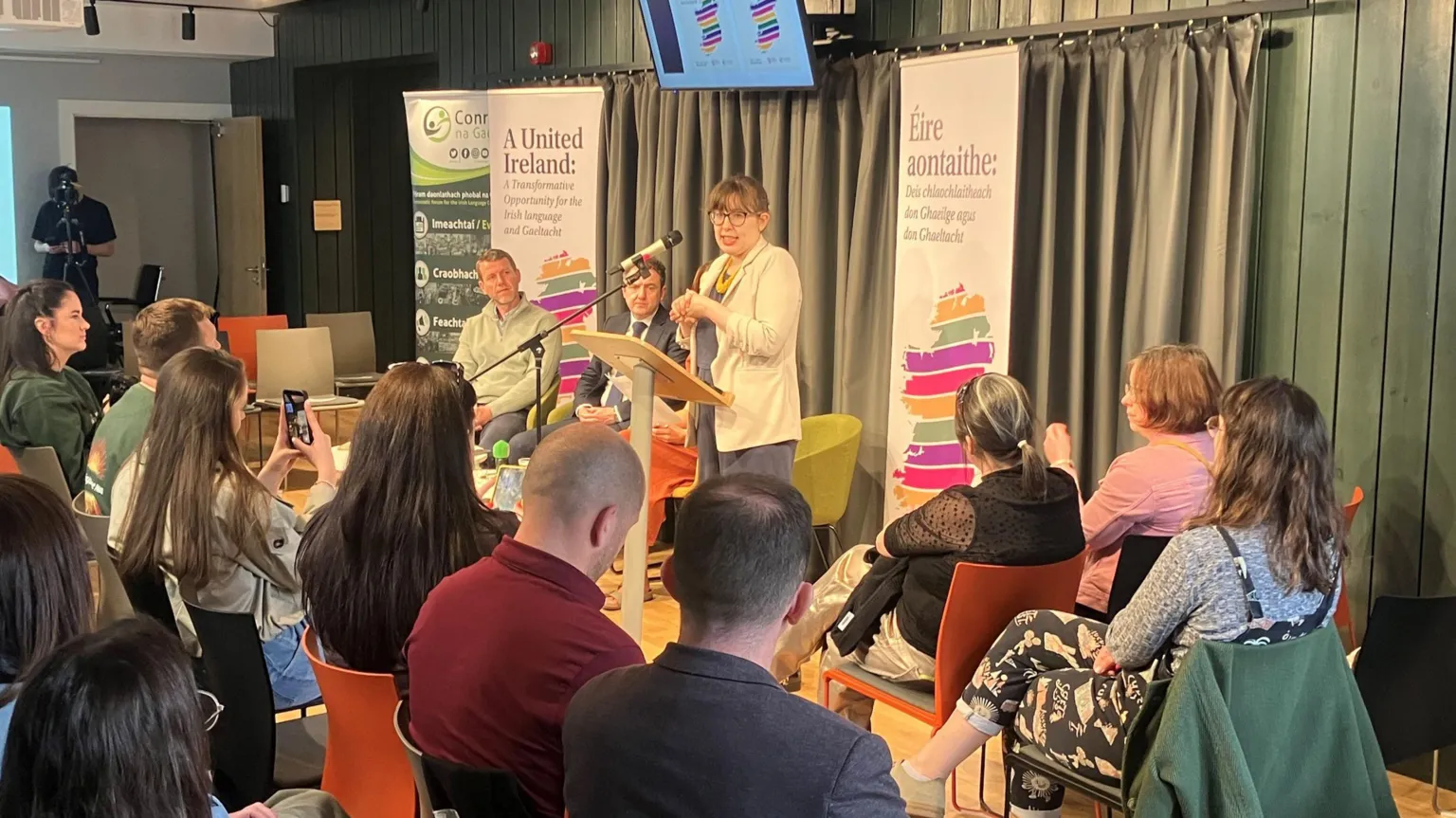
The report follows a significant policy shift by Conradh na Gaeilge (CnaG), which has committed "to work towards a united Ireland." It highlights that the involvement of Irish speakers "could significantly benefit the wider campaign for Irish unity." The report, titled A United Ireland: A Transformative Opportunity for the Irish language and Gaeltacht, was authored by Róisín Nic Liam.
Why Does the Report Advocate Planning for a United Ireland?
The report notes that Irish unity and the prospect of a border poll have become subjects of considerable public discussion. It references BBC Northern Ireland's Borderland podcast as an example, which presents perspectives both supporting and opposing a united Ireland.
The report contends that the Irish language has often been treated "as something which must be reconsidered or 'de-emphasised', in the event of Irish unity, or offered up as a bargaining chip or a symbolic concession to be negotiated." It further states that the language has frequently been "framed as an 'imposition' on the unionist community."
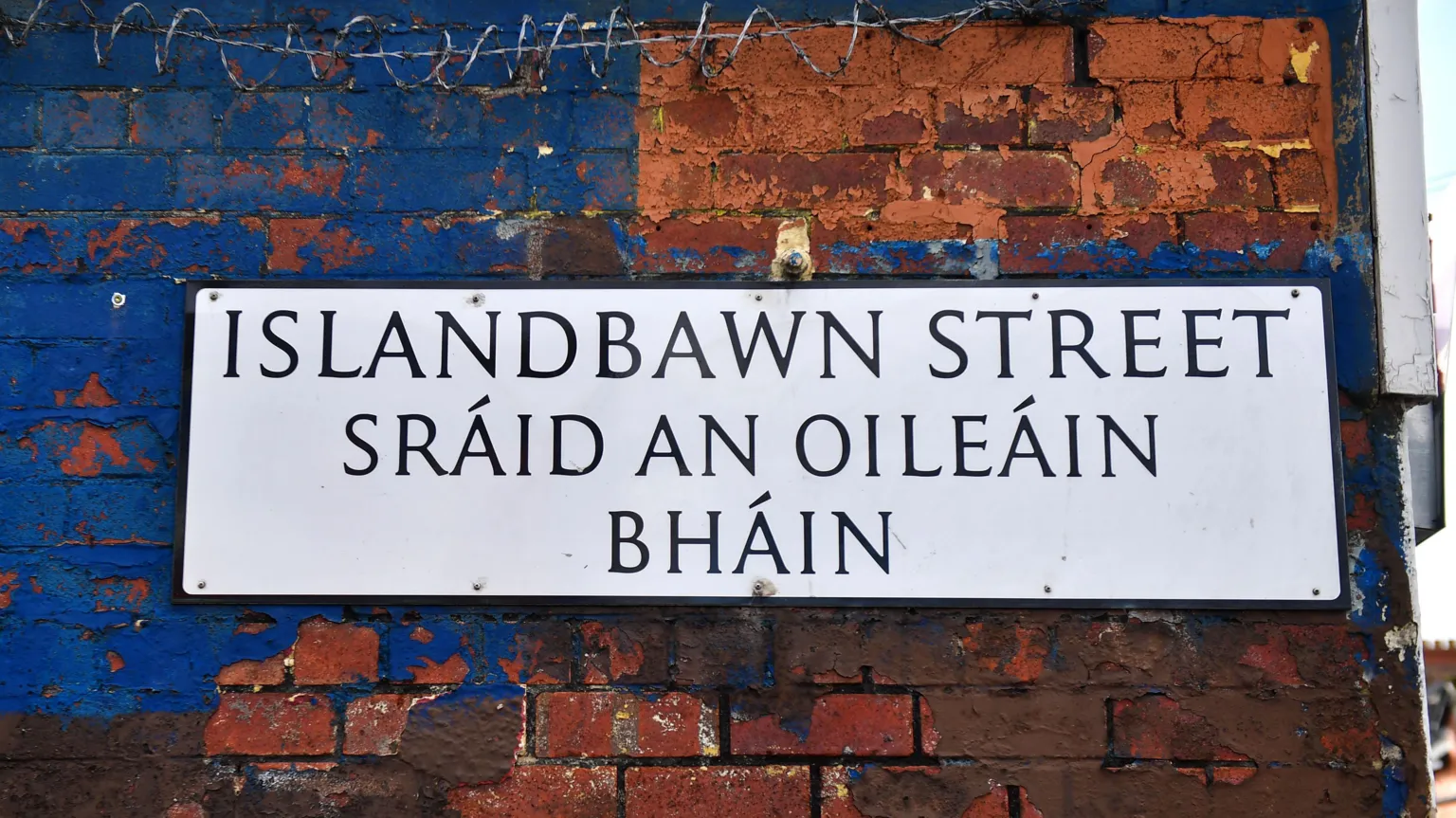
For example, the report cites former Taoiseach Leo Varadkar, who "argued for certain 'concessions' to accommodate unionists, including 'de-emphasising the Irish language'." Consequently, the report argues, the Irish language is often perceived as something that should be "curtailed" in a united Ireland. This includes proposals such as making Irish language learning optional rather than compulsory in schools, reducing its presence in public life including on street signage, and placing Irish on equal footing with English and Ulster-Scots in a new constitution.
"The rights of one minority should not be curtailed in order to accommodate those of another in a united Ireland,"the report states.
It concludes that Irish speakers should be "active participants" in campaigning for a border poll to secure a stronger future for the language "in a new Ireland."
Author's Perspective on Irish Language and Unity
Róisín Nic Liam told NI that a united Ireland would represent "an unprecedented opportunity for the Irish language and the Gaeltacht."
"The Irish language is consistently presented as a controversial symbol of nationalism, and is presented accordingly in the most negative and regressive terms,"she said.
Nic Liam emphasized that Irish is "a living community language across Ireland."
"We must look at the entire island and how the relationship can be improved with the language across all 32 counties,"she added.
Is Openly Advocating for a United Ireland 'Politicising' the Irish Language?
Nic Liam explained that the politicisation of the Irish language originated with English authorities in Ireland, citing historical legislation such as the 14th century Statute of Kilkenny, which prohibited speaking Irish.
"Language rights are a political issue and there's no shying away from that, I suppose,"she said.
"Irish language speakers and those who are sympathetic to the language are looking towards Irish unity now as an opportunity to put the Irish language at the heart of a new political agreement."
About Conradh na Gaeilge
Conradh na Gaeilge is a cross-border Irish language organisation with a history spanning over 130 years. It is a member-run body dedicated to promoting the Irish language and advocating for the rights of Irish speakers.
Recently, members of Conradh na Gaeilge voted to amend its constitution to "work towards a united Ireland for the benefit of the Irish language." The organisation has played a significant role in advocating for new Irish language legislation in Northern Ireland.
Queen's University's Role
The report features the logos of Queen's University Belfast and Conradh na Gaeilge on its cover. The author, Róisín Nic Liam, is a PhD student at Queen's University. The report was launched at the university's Seamus Heaney Centre.
In a statement to NI, a spokesperson for Queen's University said,
"Queen's University is committed to freedom of thought and expression, within a framework of respect for the rights of other persons."
"Academic Freedom is enshrined as a guiding principle in the University's Charter and Statutes,"they added.
"The University fully supports the right of its academics to publish work and express academic opinion within this framework."
In 2022, some unionist figures criticised the use of the university's logo on a report titled Making a Case for Irish Unity in the EU, authored by Queen's Professor Colin Harvey. Professor Harvey is a board member of the Ireland's Future organisation and wrote the foreword to the A United Ireland report.
Potential Controversy Surrounding the Report
Responding to the report on BBC Radio Ulster's Talkback programme, TUV representative Matthew Warwick stated that the report demonstrated the Irish language as "the weapon of choice for republicanism to achieve a united Ireland."
"This is a political manifesto for Sinn Féin in all but word and deed,"Warwick said.
"Every unionist has to read this document."
Conversely, Conradh na Gaeilge's Ciarán Mac Giolla Bhéin remarked that the Irish language is often perceived as "a controversial emblem of nationalism and not as a living community language."
"The Irish language can actually play a transformational role, a liberational role for people,"he said.
"And provide people with another avenue with which to engage in this debate on the future direction of the country and to do so in a democratic, transparent way."