Unearthing Belfast's Italian-Named Streets
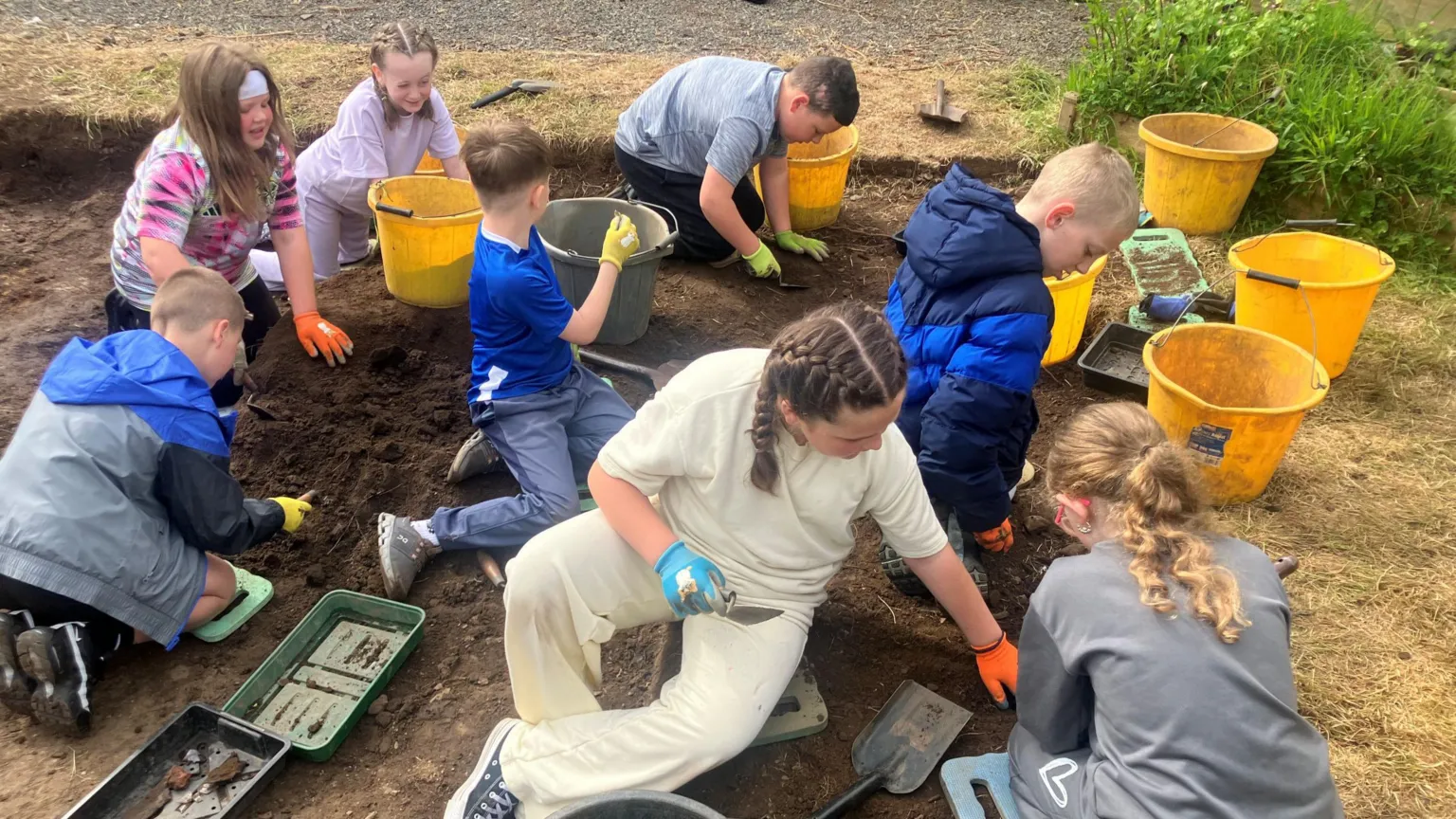
Schoolchildren in Belfast have been discovering remnants of streets named after Italian cities such as Venice, Genoa, Turin, and Pisa without leaving their city. These streets, long lost to history, are being excavated as part of an archaeological dig revealing insights into the lives of past residents in west Belfast.
The excavation focuses on an area that was demolished to construct the Westlink dual carriageway. Led by experts from Queen's University Belfast (QUB), the project also actively involves local children and community members.
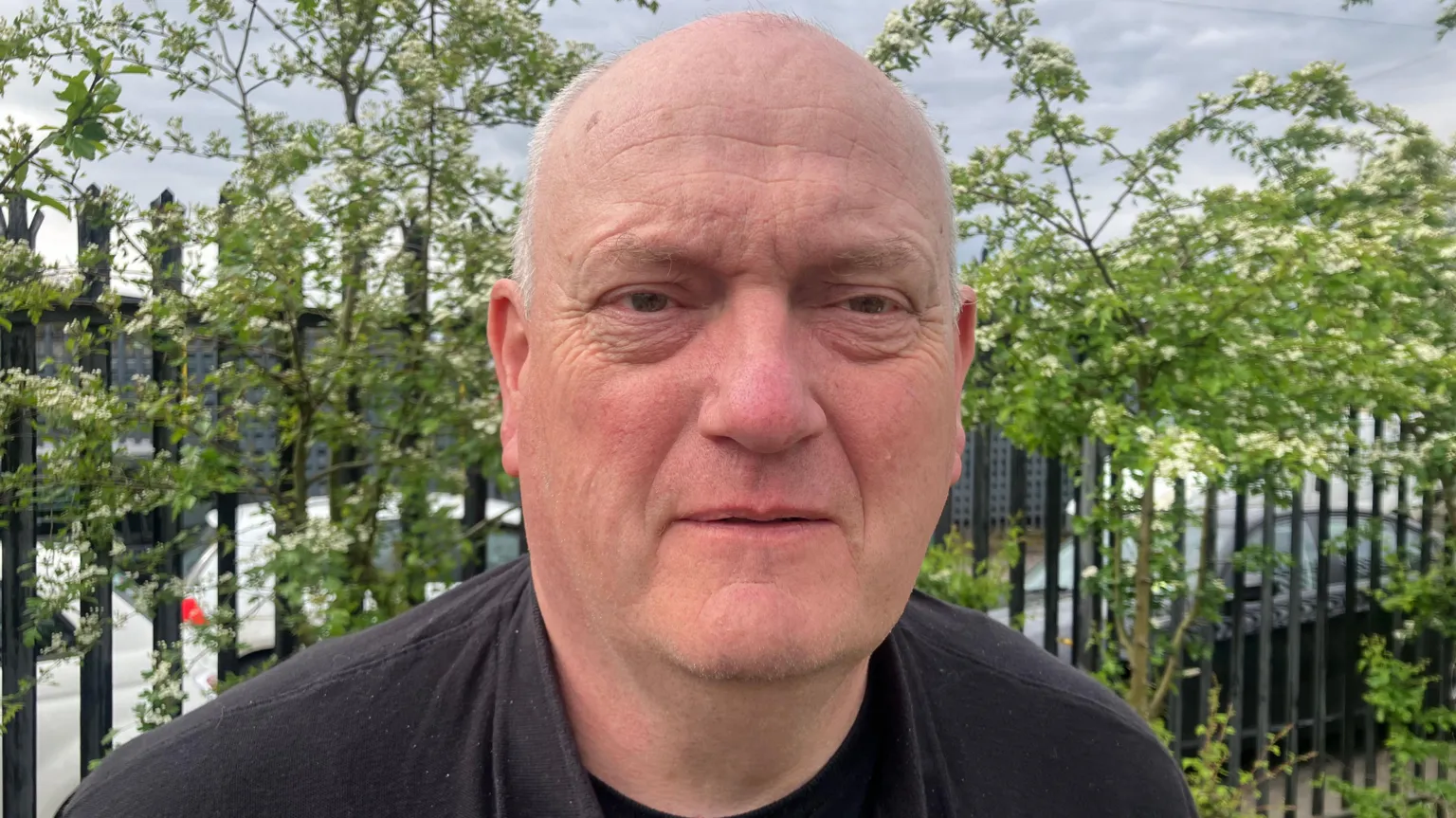
Dr Colm Donnelly from QUB explained the purpose of the dig:
"The dig was aimed at investigating 'past life in the city and the origins of Belfast'."
The site, located beside the Grosvenor Recreation Centre and close to the Westlink, was historically central to Belfast's industrial development in the 19th century.
"Belfast goes through a huge period of development from the period from about 1850 up through to 1900. Green fields are taken over and have housing estates built on them, back-to-back terraces."
The Victorian-era houses on Venice Street, Genoa Street, Turin Street, and Pisa Street were small and densely packed. Families of eight to ten people often lived in these cramped quarters.
"You're looking at families of maybe eight people, nine people, 10 people, living in these tiny wee compartments," Donnelly said. "There's not much privacy. You get almost like a sense of claustrophobia. But conversely, it's a community and everybody's very close and everybody knows everybody else. Maybe in modern society that's not the case."
These houses stood for approximately a century before being demolished in the late 1970s to make way for the Westlink.
Community Archaeology Programme Engages Local Children
The excavation is part of the Community Archaeology Programme, with children from nearby St Peter's Primary School participating actively in the search for historical artifacts and evidence of past lifestyles.
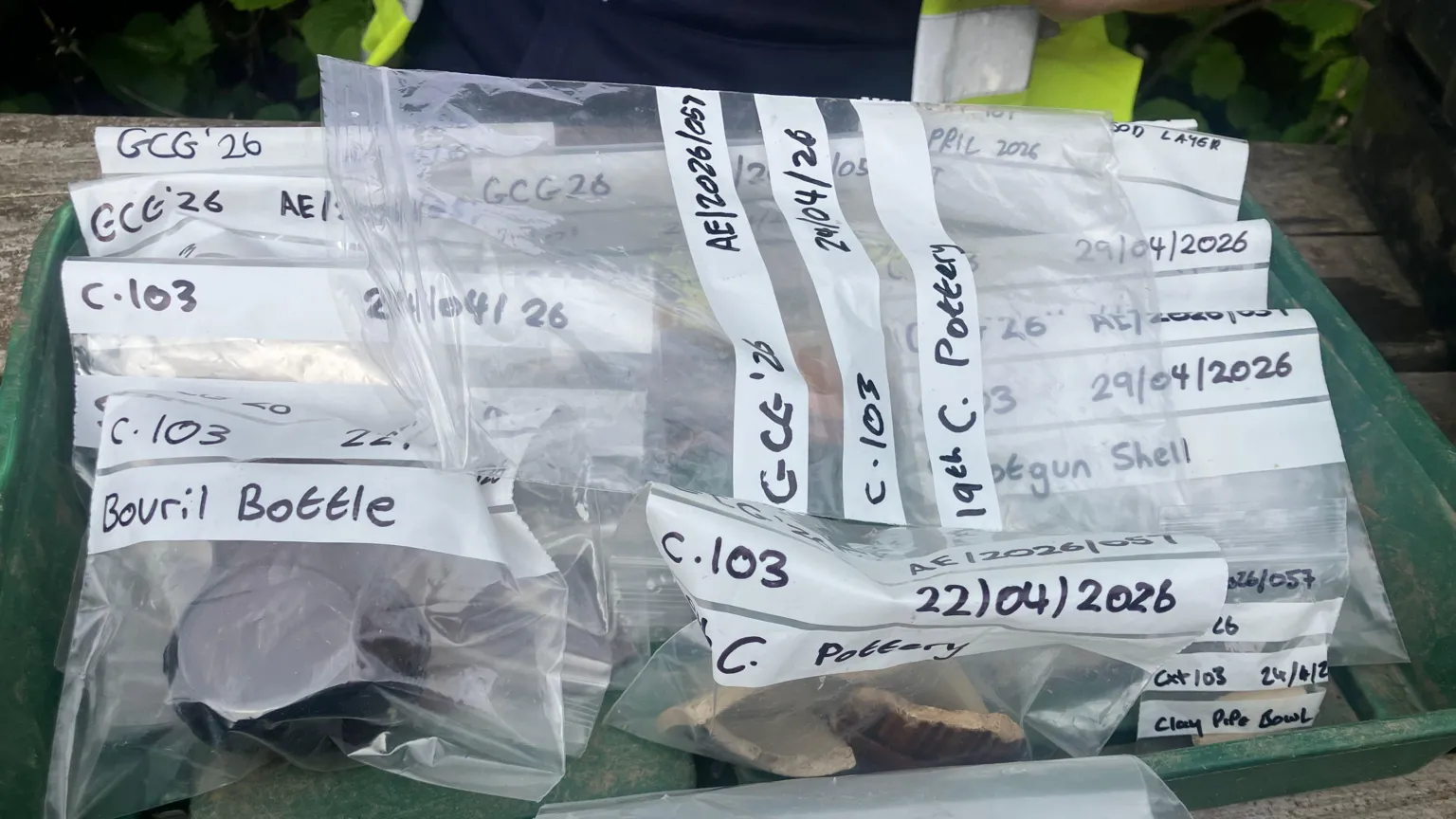
Among the finds are tobacco pipes, Bovril bottles, and tiles illustrating the dangers of alcohol consumption.
Nine-year-old Kayden shared his experience learning about the area's history:
"Most of the streets back in the days were named after places in Italy. It's just good digging up stuff and finding it and putting it in bags for people to look at. I didn't really know anything about here but since we've been learning about it I've learned more."
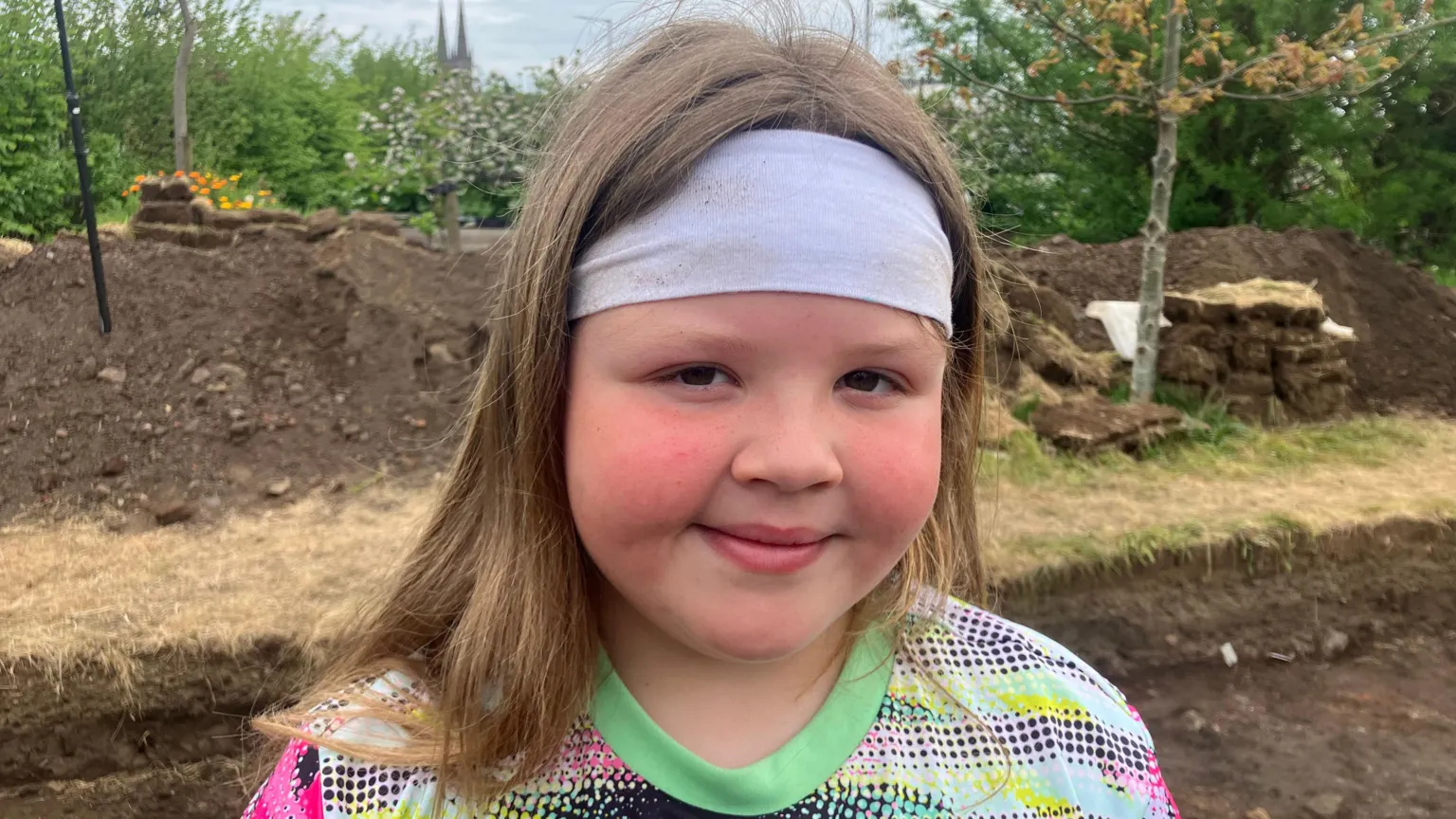
Another participant, nine-year-old Bonnie, described the excavation process:
"We've been digging up loads of stuff, mainly soil, but we've also been getting loads of glass and stuff. You need to dig really hard to find stuff, and you need to use loads of tools."
Highlighting Local Heritage
For Dr Donnelly, involving children in uncovering their local heritage is a key objective.
"This is a hidden aspect of their history and heritage. It's literally under their feet but they don't know it's there. So what we're doing is highlighting to them what went before them."
He also noted the potential for similar archaeological projects across Belfast, provided safe and suitable locations can be found for children to work.
"You could do this numerous places across Belfast, but you would have to get somewhere that was suitable and safe for the kids to be working."