Pets and Social Media Fame
Animals, particularly pets, are among the most beloved subjects on social media platforms. The rise of the 'petfluencer'—an animal gaining significant popularity online and used by brands for promotion—illustrates this trend.
One notable example is George Cowboy, a shih-tzu who has captivated audiences by resembling Chewbacca, the iconic character from the Star Wars film series that began in 1977 and continues to have a vast global fanbase. George's verified Instagram account, @georgiecowboy, boasts over 200,000 followers, while videos featuring him on TikTok have accumulated more than 40 million likes. Many users express their enjoyment of the striking resemblance between George and Chewbacca, affectionately known as Chewie.
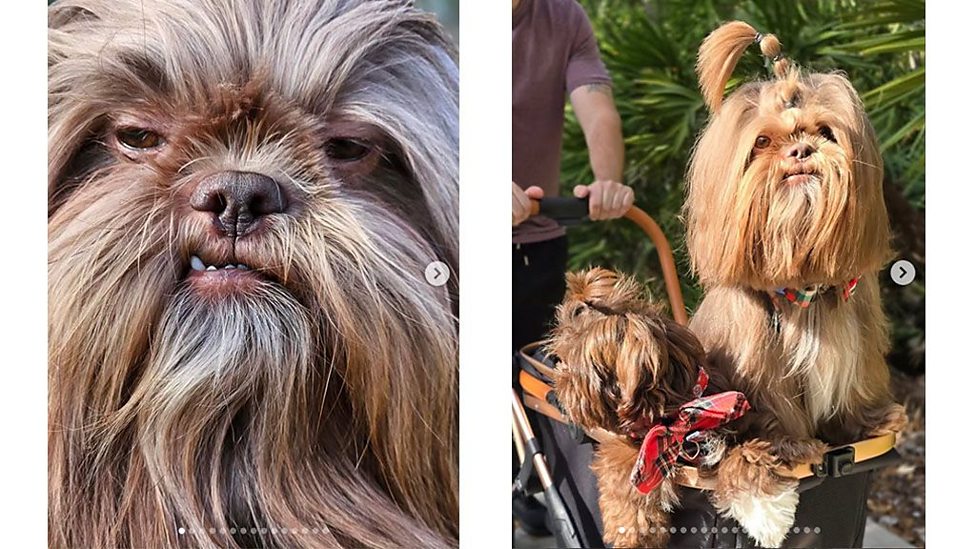
Pet Celebrity Lookalikes Gain Social Media Attention
George is not alone in attracting attention for his resemblance to a famous figure. In 2023, a kitten from Ohio, USA, gained widespread recognition for looking remarkably like the singer Ed Sheeran. A TikTok video showcasing this feline lookalike has garnered nearly 33 million views.
In George's case, the similarity to a character from a highly popular film series—comparable to resembling a globally renowned singer like Ed Sheeran—has drawn attention from official Instagram accounts that have posted about him. These posts have been shared by various groups, including other shih-tzu owners, Star Wars enthusiasts, and friends or family members who want to alert like-minded individuals. Such sharing contributes to the viral spread of these posts.

Why Animal Stories Resonate Widely
Pet owners, regardless of the type of animal they cherish—be it a dog, cat, budgie, or tarantula—often enjoy viewing videos of similar animals online.
One of the most famous examples is Nala the cat from New York, who has amassed over 4 million Instagram followers on the @nala_cat account. Nala has generated more than £80 million through advertising various products, demonstrating the significant influence of animal lovers in consumer behavior.
A 2025 study led by Professor Ghalia Shamayleh from Essec Business School in France explored the social sharing of cute animal pictures. The study identified a behavior termed 'pebbling,' named after penguins that present pebbles to potential mates as a sign of affection. Professor Shamayleh explained to BBC Science Focus magazine:
"Our research observes a similar behaviour in humans interacting on social media."
"We share them with our loved ones as a token of affection, to reinforce our relationships."
The researchers highlighted animal posts as a prime example of 'pebbles.'

Additional research indicates that videos evoking strong emotions, such as joy, are twice as likely to be shared on social media. For fans of dogs and Star Wars, seeing George Cowboy as Chewie can evoke sufficient joy to motivate sharing.
Star Wars is a widely popular film and TV franchise, and dogs are among the most cherished pets. This combination makes such content relatable to many people, fostering a sense of connection and enhancing shareability. Furthermore, posts that are easy to share and include popular or trending hashtags can rapidly reach large audiences, contributing to the millions of likes received by George and other animal celebrities.
Recognizing Authentic Animal Videos Amid AI Advances
With the advancement of artificial intelligence, some animal videos that appear genuine may actually be generated by chatbots. Wildlife TV presenter Steve Backshall has voiced concerns regarding such videos, as they sometimes depict animals exhibiting unnatural behaviors, potentially impacting conservation efforts.
Steve produced a video for Other Side of the Story, offering advice on identifying AI-generated animal videos and explaining his concerns.
While videos and images of George performing his usual antics are delightful, some viral posts can propagate misinformation or fake news. These posts are created by individuals aiming to spread false information and may be unknowingly shared by those who believe them to be true.
This article was published in April 2026.
Unsure whether the news you encounter on social media is accurate? Can you always distinguish between real and fake content online? Explore our quizzes, videos, and explainers to learn how to uncover the other side of the story.
The monthly AI or Real quiz: March 2026
Is the TikTok trend evidence that cows enjoy laid-back beats, or is there more to it?