Leaving Cumbria for Oxford in the Late 1950s
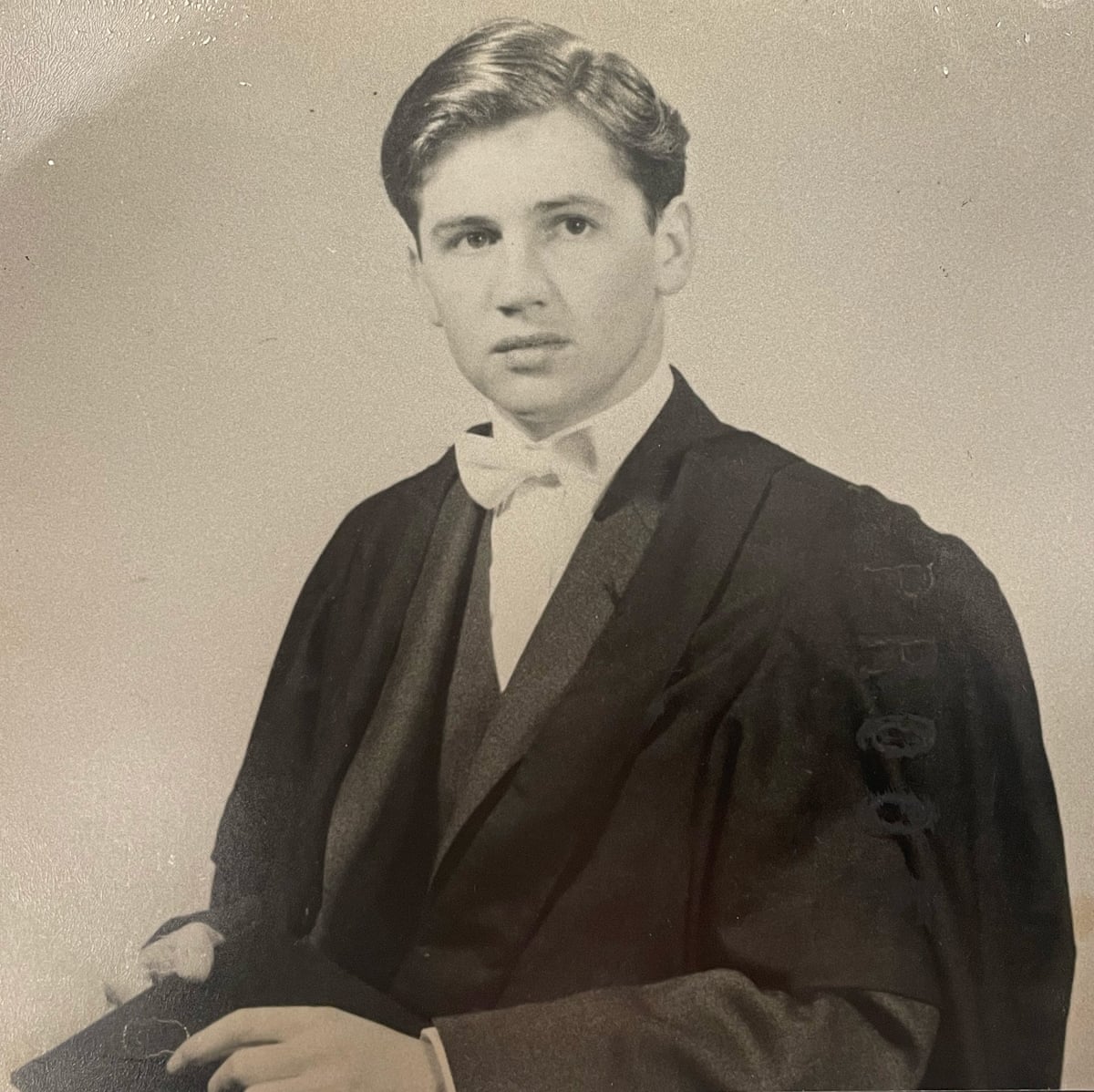
It is October 1958, and a nearly 19-year-old Melvyn Bragg stands on the platform at Wigton railway station, bidding farewell to his childhood sweetheart, Sarah. He is about to begin reading history at Wadham College, Oxford, one of the youngest in his year due to the phasing out of national service. Another World begins at this point, continuing the narrative from Back in the Day, Bragg’s earlier memoir chronicling his childhood and youth in this small Cumbrian town.
Oxford: A Theatre More Than a City
To Bragg, Oxford appears as “more a theatre than a city, a spectacle rather than a habitation.” After completing his prelims—the second-term exams designed to filter students—he finds himself with little academic pressure until finals. During this period, he discovers the films of Ingmar Bergman and engages in earnest pub debates about topics such as whether Pasternak will receive the Nobel Prize or the merits of jazz versus rock’n’roll. He participates in the Aldermaston march and joins the anti-apartheid movement, though with hindsight he recognizes this activism as partly motivated by a lingering imperialist mindset, viewing South Africa as Britain’s moral responsibility. Even after the Suez Crisis, he owns a pencil sharpener shaped like a globe, where the British Empire remains depicted as “a continuous governing blur of pink.”
Fitting In at Oxford
Fortunately for Bragg, and perhaps less so for the narrative tension of the memoir, he integrates smoothly into Oxford life. The city’s maze of narrow streets and alleys reminds him of Wigton. The dining hall at Wadham, with its “shovel them in, feed them up and usher them out” approach, evokes memories of family holidays at Butlin’s. He quickly abandons his Presley-style quiff in favor of the neat short haircut common among his peers and adopts the unofficial undergraduate uniform: grey flannels or cords paired with a sports jacket or blazer, reflecting the overwhelmingly male student body. Bragg demonstrates an ability to get along with a wide range of personalities, from conventional Tories to more artistic types.

Challenges and Experiences
Aside from a brief spell of homesickness during a hitchhiking trip back to Wigton—where he is treated as “a messenger from Olympus”—Bragg’s three years at Oxford pass without major incident. His most challenging moments include an out-of-body sensation while reciting the Latin grace before dinner at Wadham and a short depressive episode following his breakup with Sarah. His tutor, the early-modern historian Lawrence Stone, is both meticulous and kind. Meanwhile, the college warden Maurice Bowra’s candid admissions policy—
“Clever boys. Pretty boys. No shits!”—would be considered controversial today.
Negotiating the Class System
The class system remains a subtle but present force, evident in nuances such as dress codes—cavalry twills mark the upper class—and the allocation of college rooms. On one occasion, Bragg encounters the future television dramatist Dennis Potter, who remarks in his Gloucestershire accent:
“They say there’s three real working-class men here. There’s me. And you. Where’s the other bugger?”Bragg, however, distances himself from the class resentment expressed in Potter’s 1960 book The Glittering Coffin (which is mentioned twice and mistakenly conflated with the Potter-fronted BBC documentary Between Two Rivers, reflecting some repetition and inaccuracies in the memoir that might have benefited from tighter editing). Aside from the casual cruelty of the Bullingdon Club, Bragg finds that the class system is largely suspended within the university’s scholarly environment. He concludes that the snobbery is
“neither bruising nor even mildly offensive”and is
“easy to ignore.”
An Anthropological Perspective on Oxford
Another World excels when Bragg adopts the perspective of an amateur anthropologist observing the university as an outsider. Oxford truly represents another world prior to the significant university expansions of the 1960s, when the term “student” was not yet widely used. Bragg offers insightful readings of the semiotics present in his rooms overlooking the quad and the weekly tutorials, where he reads essays aloud to Stone and awaits a response, likened to
“the versicle and responses in medieval prayer.”The memoir might have been stronger had it maintained this anthropological focus throughout, rather than shifting into a broader autobiography of Melvyn Bragg. Digressions concerning the later notable careers of his peers sometimes dilute the narrative’s focus. Nevertheless, the young Bragg emerges as a compelling protagonist, sharing many qualities with his older self: thoughtful, open, and generous in acknowledging the talents of his contemporaries while forgiving their flaws.