

Approval of Holiday Pods at Robert Burns’ Family Home
Dumfries and Galloway Council has granted approval for the construction of eight bothy-style holiday pods at Ellisland Farm, the family home where Robert Burns composed the iconic song Auld Lang Syne.
These pods form part of broader redevelopment plans proposed by the Robert Burns Ellisland Trust (RBET) aimed at revitalising and upgrading the historic Ellisland Farm near Dumfries.
The trust is actively seeking to raise £12 million to preserve the category A-listed buildings, which date back to 1788.
The new visitor accommodation is intended to serve dual purposes as a writer’s retreat and as short-term holiday lodging, providing a sustainable revenue source for the site.

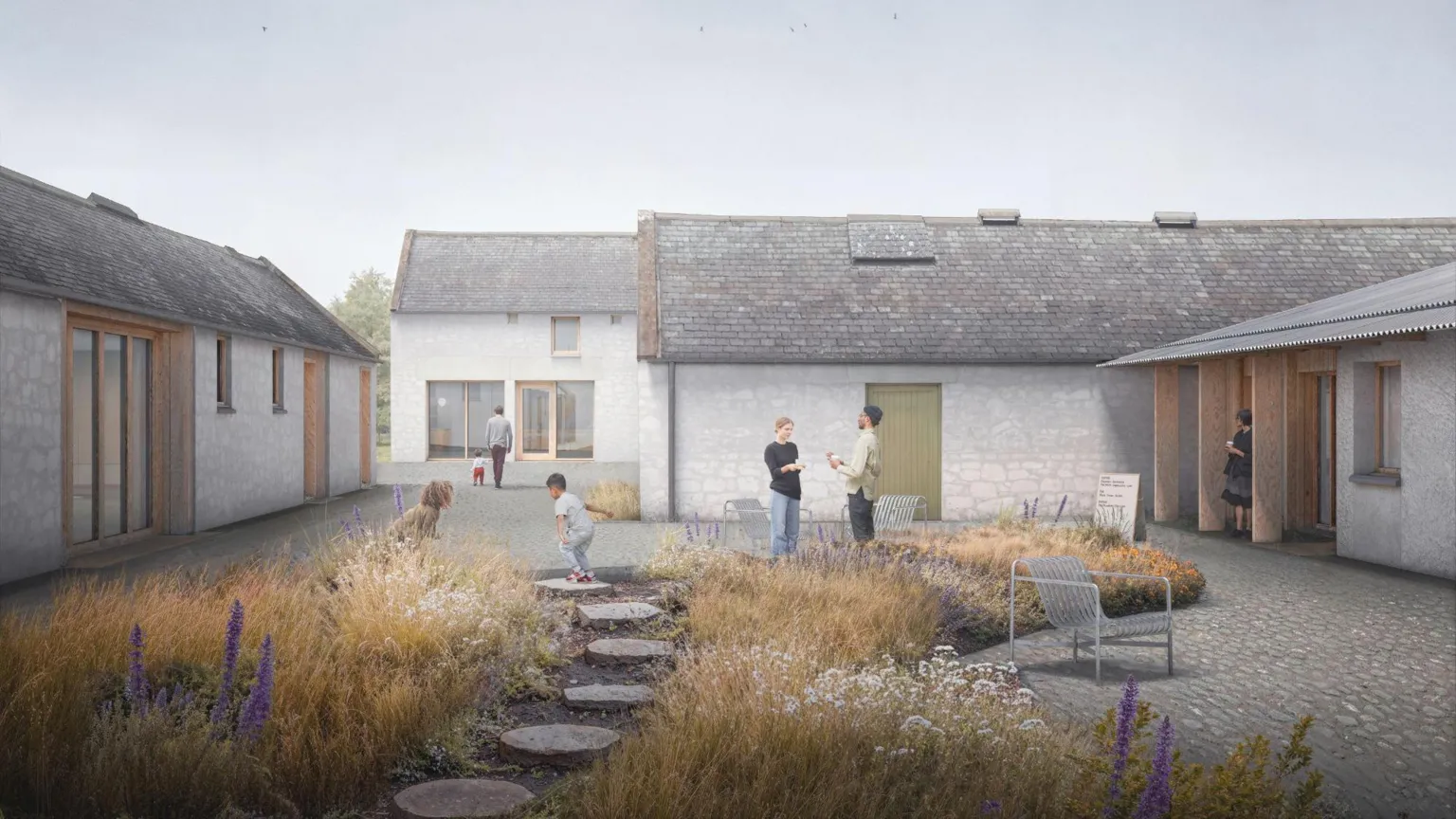
Opening All Rooms of Burns’ Cottage to the Public
The redevelopment plans also include opening every room in Burns’ cottage to the public for the first time, as currently only two rooms are accessible.
"The aim is not to transform Ellisland, but to make it more like the place Burns created,"
said RBET project director Joan McAlpine shortly before the plans were submitted.
The trust has committed to "meticulously recreating" the rooms occupied by Burns and his family, restoring the cottage to closely resemble its 18th-century condition as originally built by Burns.
Architectural and Conservation Details
The plans, developed by Collective Architecture, are designed to create what the trust describes as "the most authentic experience possible" of Robert Burns’ life at Ellisland.
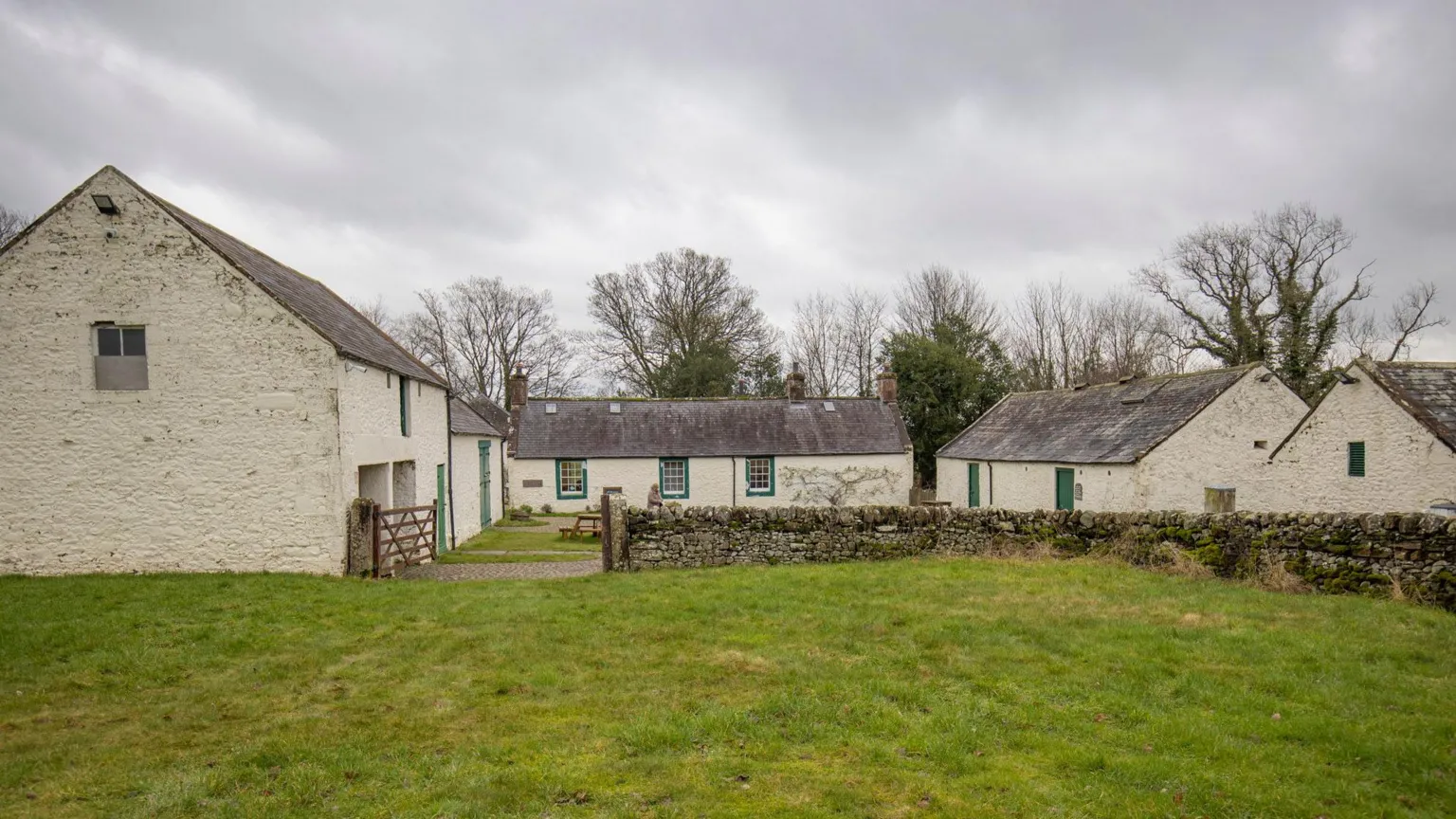
McAlpine emphasised the importance of integrating modern facilities sensitively, stating:
"Modern facilities are necessary if we are to safeguard the site for the future, but they are designed to sit quietly within the farmstead, not compete with it."


