Early Ambitions and Cambridge Acceptance
Jade Franks was employed in a call centre when she received her acceptance to the University of Cambridge, marking a turning point in her life. Raised with ambition and academic drive, she had previously been offered a place at drama school but was unable to afford the tuition fees.
Determined to change her circumstances, Franks contacted an outreach worker at Cambridge who assisted her in enrolling in a degree course in theatre and education. Upon arrival, she was older than many of her peers, but it was her working-class background that made her feel most alienated.
Dinners were conducted in Latin, male students often wore jumpers tied around their necks, and female students did not typically dress up for nights out, unlike Jade who wore high heels and false eyelashes. Her Scouse accent, a reflection of her Merseyside upbringing as the daughter of a carer and factory worker, was mocked. She was questioned about her schooling and laughed at when she brought grated cheddar to a party to contribute to the cheeseboard.
"I felt really alone at times and I nearly left. The classism surprised me, I didn't expect people to make all these assumptions about me," she says.

Experiences of Classism and Misogyny
Franks recalls an incident when her sister visited and attempted to attend a formal dinner at the university halls. Her sister, dressed in high heels and an off-the-shoulder blouse, was told by a professor that she was not appropriately dressed and had to leave.
"She had big heels on and an off the shoulder blouse. It looked really fancy, I think she looked great, but one of the professors came over to me and said 'she's going to have to leave'.
"We thought he was making a bad joke so we started awkwardly laughing but then he said: 'No, she's not dressed appropriately, she has to go home and get changed.'
"We said that wasn't possible so he went and got a gown and put it over her and covered her up, which was so dehumanising and steeped in misogyny. She already didn't feel like this place was for her, it was just so messed up."
Financial Struggles and Part-Time Work
While her classmates focused on exams, social events, and summer plans, Franks was concerned about paying her rent. Unaware she was eligible for a grant until her final year, she took on part-time work cleaning toilets and working for a punting company, despite university rules discouraging students from working to focus on studies.
"I was cleaning toilets. I was cleaning buildings owned by the university and I knew I wasn't meant to be doing it so I kept it quiet, though a few of my friends knew," she explains.
Challenges in University Drama and Comedy
Franks aspired to join Footlights, the university’s renowned drama group, but faced repeated rejection. Despite her confidence in her acting abilities, she was not selected for Shakespeare plays, which she attributes to her accent.
"I think it was because of how I sounded. I was quite stubborn so I'd always audition in my own accent, which I actually think would have made it interesting but they didn't think so."
Feeling that jokes were sometimes made at her expense, she began performing stand-up comedy as a form of rebellion.
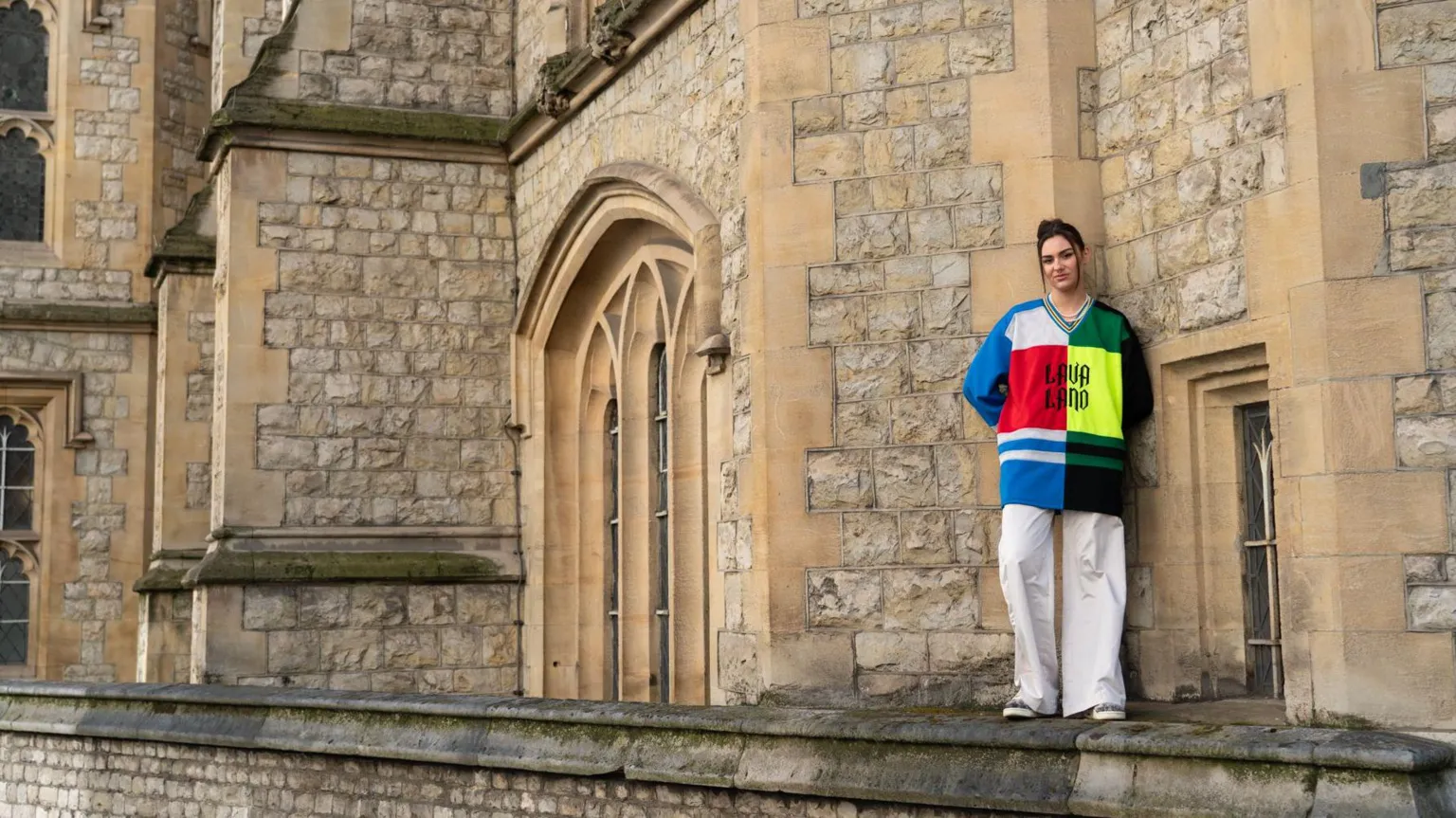
Eventually, after a rule change that introduced democratic voting for the presidency of Footlights, Franks was elected president, breaking the tradition of leadership being chosen by a select group of privileged students.
Writing and Performing an Autobiographical Play
In her third year, Franks began writing an autobiographical play based on her university experiences. After graduating in 2021, she moved to London and couch surfed for six months before securing a position as an administrative assistant on the education team at the Royal Court Theatre.
"I was reading loads of plays, meeting loads of directors and writers and I was just setting the foundations to be able to do my own work," she says.
Two years later, she was made redundant and returned to Liverpool, where she focused on her mental health by giving up alcohol and starting medication for anxiety.

With more time available, she pursued her dream of taking her play to the Edinburgh Fringe Festival, despite financial and practical challenges.
"I really wanted to take the play to the Edinburgh Fringe, but I knew it was a huge gamble.
"I didn't have a job, I had no money and I hadn't even finished writing the play, but I secured a venue and decided to just go for it," she says.
Funding Challenges and Play Success
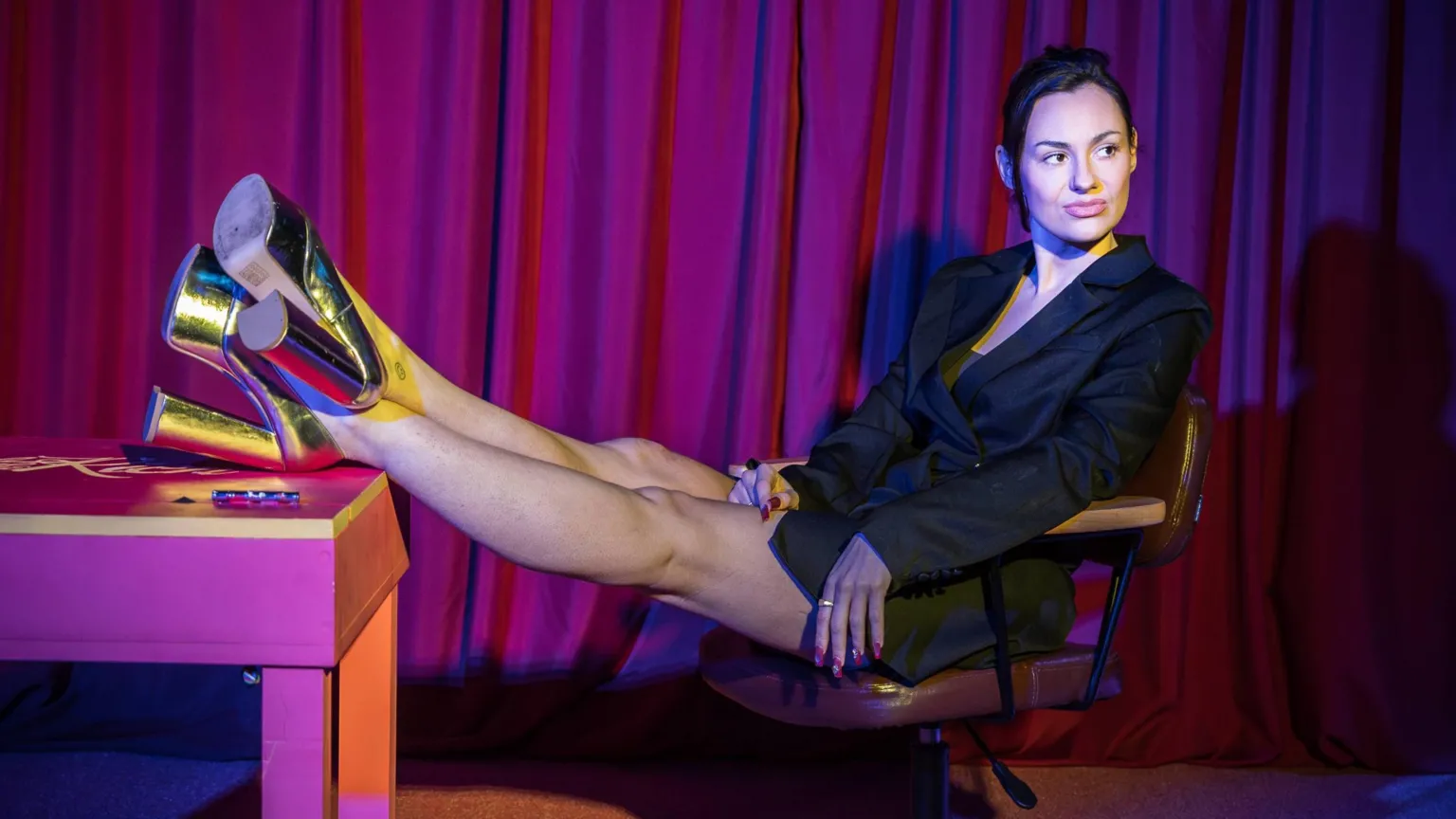
Franks initially secured support from a private investor, but the backing fell through at the last minute. She financed the production on a credit card and raised additional funds from friends, including some wealthy Cambridge peers.
Her one-woman show, titled Eat The Rich (but maybe not me mates x), which explores her first term at university, premiered at the Edinburgh Fringe last summer to critical acclaim.
"I think it stood out because no-one else with stories similar to mine was able to get up to the Fringe because it's so expensive.
"The story that I'm telling stood out amongst a sea of stories that are perhaps not by working class writers," she says.
She acknowledges the bittersweet nature of her success, recognizing that working-class voices remain underrepresented in the arts.
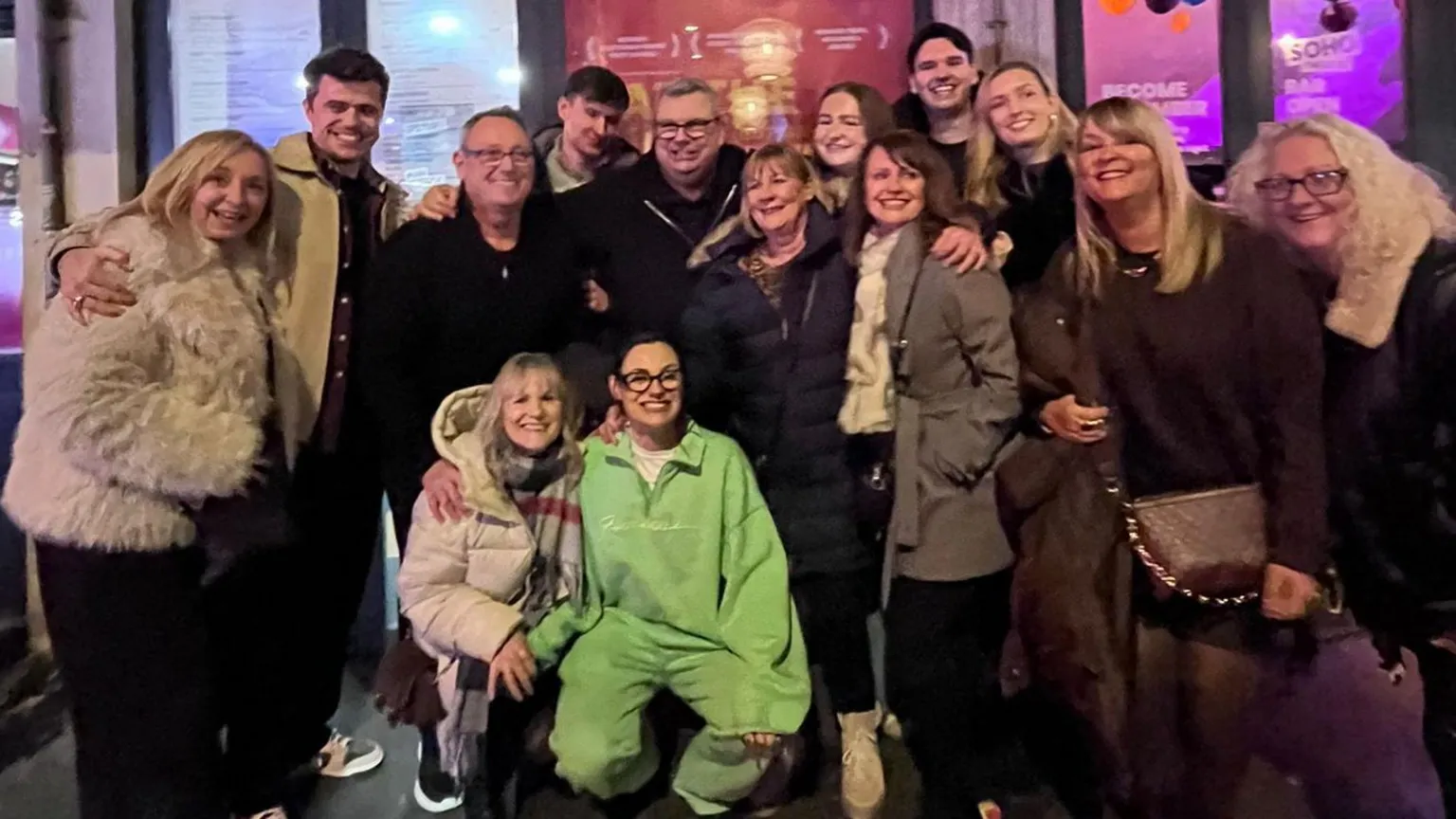
Following its Edinburgh run, the show transferred to the Soho Theatre in London earlier this year and is scheduled to tour Liverpool and Bristol before returning to London in the summer.
Addressing Class and Discrimination Through Art
Franks hopes her play will spark conversations about class, an issue she believes is often overlooked or misunderstood compared to other protected characteristics.
"I don't think people have the same language to talk about class as they do maybe other protected characteristics and they're often pinned against each other.
"Class underpins everything and the discrimination that some people face at university and at work is multiplied by your class experience.
"So I think it's something we should talk about more and there should be more art about it, written by the people from those backgrounds."
She is collaborating with director Philip Barantini, known for Adolescence, on a television adaptation of the play for Netflix. Franks notes that other shows such as Fleabag and Baby Reindeer have also transitioned from the Fringe to television via Soho Theatre.
"I can't talk much about it but those comparisons are flattering and I'm really excited about it," Franks adds.
Creative Consulting and Advocacy
In addition to her artistic work, Franks serves as a freelance creative consultant for various theatres, helping to attract more diverse audiences by allocating tickets to community groups.
"Those kind of trips to the theatre and those kind of experiences are things that people miss out on if they can't afford them or if they feel like it's not for them and I think they're essential for mental wellbeing.
"Everyone deserves a nice night out, no matter what your background is," she says.
She remains committed to highlighting class issues in her work, aiming to tell "exceptional stories with very normal characters from normal backgrounds." She expresses a desire to support other working-class creatives in breaking into the arts.
"Now that I've kicked down this door that felt so impenetrable for so many years, I want to bring other working class creatives along for the ride," she says. "I'm just excited to let us all in and create our own ways of doing things."
Reflection on Cambridge Experience
Despite the challenges she faced, Franks does not regret her time at Cambridge. She acknowledges the university's outreach efforts and credits the outreach officer who helped her gain admission.
"I'm incredibly grateful but there is still more to do. I'm not angry at the individuals - everyone is a victim of their upbringing - but I'm angry at the system that perpetuates these divides.
"But I'm so proud that I went to Cambridge and I will never shy away from it."
Follow Cambridgeshire news on , Facebook, Instagram and X.