Archaeological Return to Burghead's Pictish Fortress
Archaeologists are set to return to Burghead, located on the shores of the Moray Firth, to continue investigations at a 1,200-year-old Pictish power base. Burghead is notable for containing the remains of northern Britain's largest known early medieval promontory fort, a coastal defensive structure type.
Excavations conducted since the 1970s have uncovered evidence of ramparts measuring 26 feet (8 meters) in thickness and reaching heights of 20 feet (6 meters).
The University of Aberdeen's Northern Picts project will organize the latest excavation, scheduled between 11 and 25 August, allowing the public to observe the ongoing archaeological work.
Discoveries and Historical Context
Since 2015, the Northern Picts project has revealed numerous significant finds, including decorated bone pins and combs. Additionally, timbers were uncovered during excavations in 2022 and the previous year.
Experts hypothesize that the fort met its destruction in the 10th Century, potentially as a result of Viking attacks or internal conflict within the region.

Summer Archaeological Activities Across Scotland
The August excavation at Burghead is among several archaeological digs and fieldwork opportunities available this summer for public visitation or volunteer participation.
The Society of Antiquaries of Scotland's Dig It! project has compiled a comprehensive list of such events.
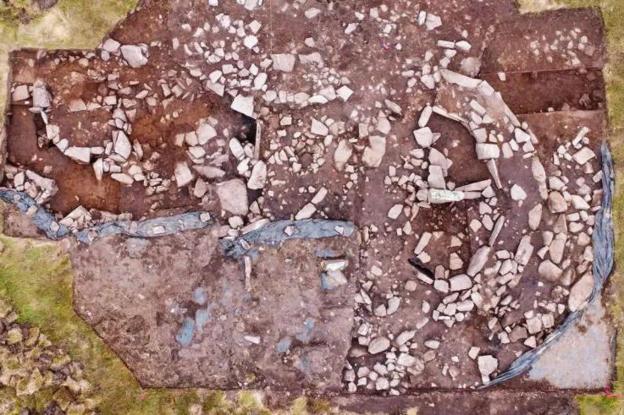
These include an excavation by the University of the Highlands and Islands Archaeology Institute at Spurness in Sanday, Orkney, focusing on the remains of a prehistoric structure.
Additionally, the Stirling Field & Archaeological Society and Bannockburn House Trust are seeking volunteers for a dig at the 17th Century Bannockburn House near Stirling. This excavation aims to explore an area where historical buildings once stood, as indicated by a map dating from 1750.
Throughout the summer, excavation efforts will also continue at Cammo Estate in Edinburgh, where remnants of a mansion, its walled garden, servants' quarters, and stable block are being studied.