Enjoying Ripe Peaches and Apricots
Peaches and apricots are currently at their peak ripeness, ideal for a variety of dishes ranging from sandwiches and salads to desserts.
here for our weekly food newsletter, Feast
The apricot orchards on the Isle of Wight consist of 4,000 trees featuring six cultivars: sunnycot, tomcot, flavourcot, ladycot, perlecot, and digat. Apricots thrive with moderately cold winters, mild and relatively dry springs, and hot, dry summers. Despite unpredictable weather, this year appears to be highly productive for both apricots and peaches in the UK. The soft stone fruit season starts earlier in Italy—the name “apricot” likely derives from the Latin
praecox, meaning precocious—and it has been a good year there as well, with discussions of a potential glut. But that is getting ahead of the story.
Among soft stone fruits, apricots are perhaps the easiest to judge for ripeness: pale flesh with a greenish tint indicates they are not ready, while a deep, glowing orange signals ripeness. Generally, the deeper the color, the sweeter the fruit. However, color alone does not guarantee sweetness or texture, and sometimes the flesh can be woolly and bland, though there are remedies for this. Ideally, apricots should be fragrant and luscious.
Pairing Apricots and Peaches
Apricots and peaches share fleshy sweetness and acidity similar to tomatoes, making them excellent companions to thick slices of mozzarella and basil for a tricolour dish. Alternatively, wedges of these fruits pair beautifully with thin slices of prosciutto or smoked ham, creating a simple "summer on a plate" that requires little effort beyond sourcing ripe, fragrant peaches and opening the packet.
Chef Nigel Slater suggests combining apricots with a dressing of white tahini, soy, and toasted sesame oil. Another of his ideas is to serve peaches in a mint, light chilli, and lime juice dressing, which is especially suitable for hot days.

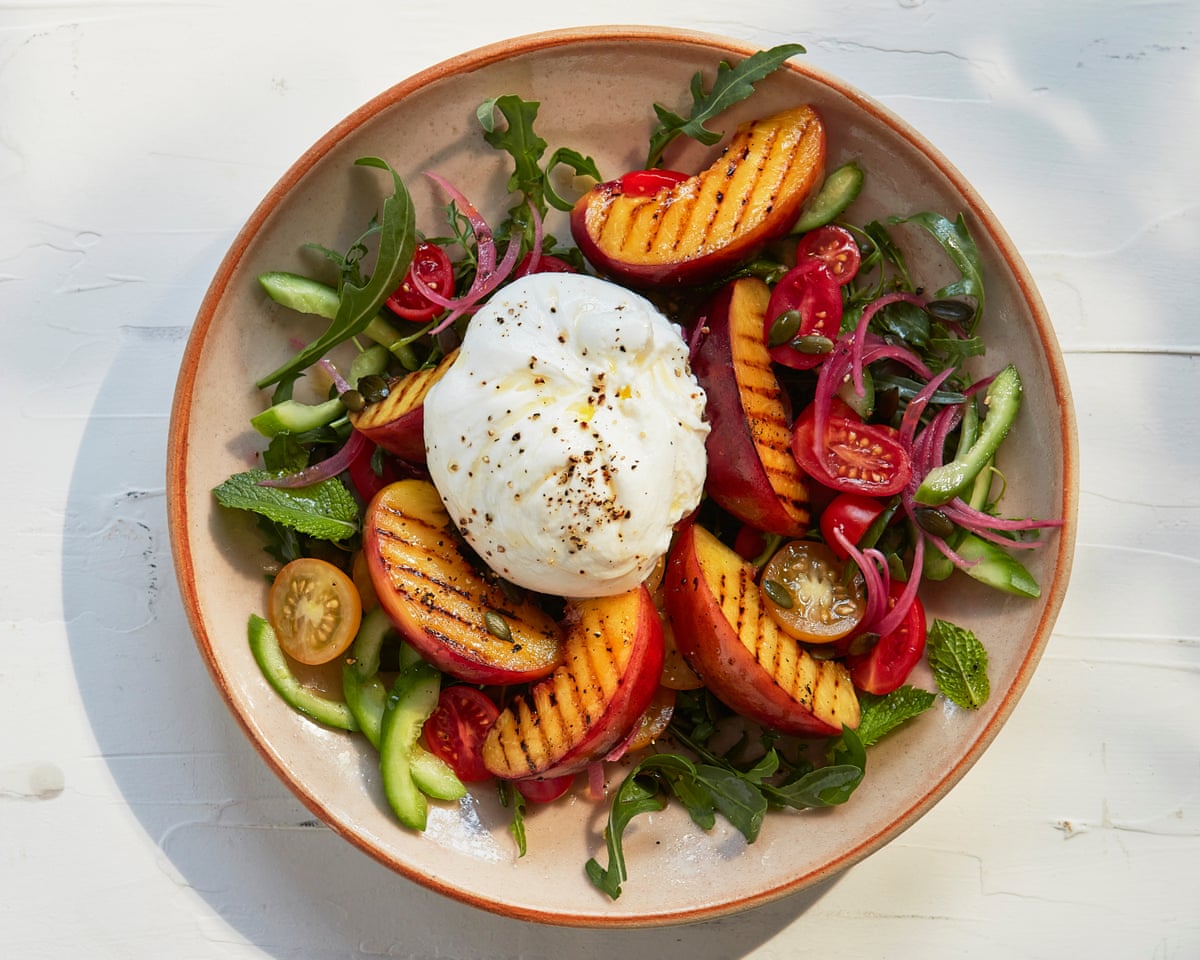
If you have underripe fruit, the best approach is to apply heat: brush halves lightly with oil, sprinkle with salt, and sear briefly on a griddle pan or barbecue. Alternatively, stoneless halves can be brushed with honey and grilled. Both methods enhance sweetness. The grilled fruit pairs well with grilled halloumi, as demonstrated in Georgina Hayden’s recipes, or can substitute nectarines in Thomasina Miers’s dishes. Georgina also recommends other preparations, while Yotam Ottolenghi offers additional recipes.
Cooking with Apricots and Peaches
Apricots complement pork exceptionally well, as Nigel Slater shows by baking them with pork, allowing the meat’s fat to mingle with the softening fruit. He then stirs the mixture with yellow mustard seeds and a touch of fennel. Apricots also pair particularly well with lamb, their sweet acidity enhancing the meat’s flavor; baking lamb chops with peach wedges is a favored combination.
For a refreshing drink, place chunks of apricot or peach in a large bowl, cover with cold rosé, add ice cubes, and plenty of torn basil leaves. This creates a delightful beverage. Similarly, ripe apricots halved and topped with ricotta, honey, and chopped pistachios make a simple yet elegant dish. As temperatures rise, apricots and peaches can be pureed with a little sugar and frozen until firm enough to be scraped with a fork, producing an icy granita.
If cooking is desired and apricots are woolly, making jam is an excellent solution. Using instant pectin simplifies and speeds up the process. Ravneet Gill poaches apricots, Jeremy Lee cooks them and serves with lemon biscuits, and Felicity Cloake creates a nutty tart, best served with cold cream.
My Week in Food
Home-cooking from Istanbul
Turkish food writer, cookery teacher, and author Özlem Warren’s much-anticipated second book is a tribute to her 15 years in Istanbul. The book is both evocative and practical, divided into sections such as baking, street food, and pickle shops. The home-cooking chapter is particularly appealing, featuring recipes like bulgur pilaf with peppers, onions, and tomatoes; an easy manu (dumplings with minced meat and yogurt); and beans and carrot palaki. Özlem’s extensive experience as a cooking teacher is evident and reassuring.

Food and Family Life
Critic DS Mirsky described Mikhail Saltykov-Shchedrin’s 1880 novel as the gloomiest book in Russian literature, a notable claim given the competition. The book is dark and humorous, offering a more accurate reflection of family life than most literature, including themes of hypocrisy, sibling rivalry, stale hoarded food, emptiness, and vodka. It also features food that is fresh and appetizing: mushrooms, jam, ham and peas, asparagus, raspberries, a puffing samovar, and plenty of vodka.
Instant Gratification
As temperatures rise, instant couscous with feta, cherry tomatoes, and cucumber is a welcome quick meal. After hydrating couscous with boiling water and fluffing it, a creamy paste made from blended cherry tomatoes, olive oil, and salt is stirred through, imparting great flavor. The dish is then tossed with chopped tomatoes, feta chunks, and diced cucumber. To continue the stone fruit theme, Nik Sharma’s recipes offer additional inspiration.