Everyday Produce Prices Rise Amid Middle East Conflict
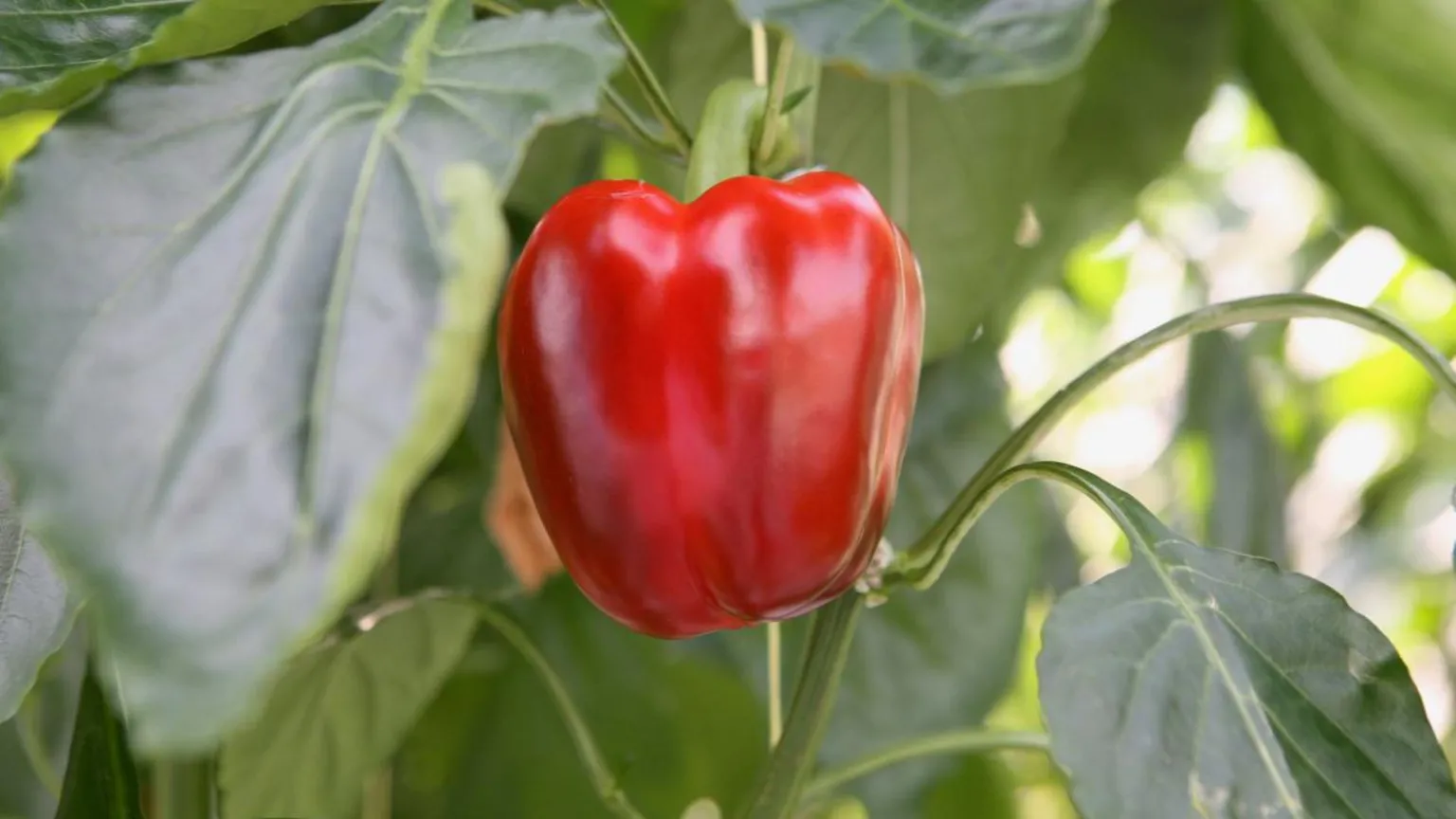
Common salad ingredients are becoming more costly as the ongoing US-Israel conflict involving Iran continues to disrupt supply chains. Consumers in the UK and other countries have noticed price increases for essential items such as tomatoes, cucumbers, and peppers.
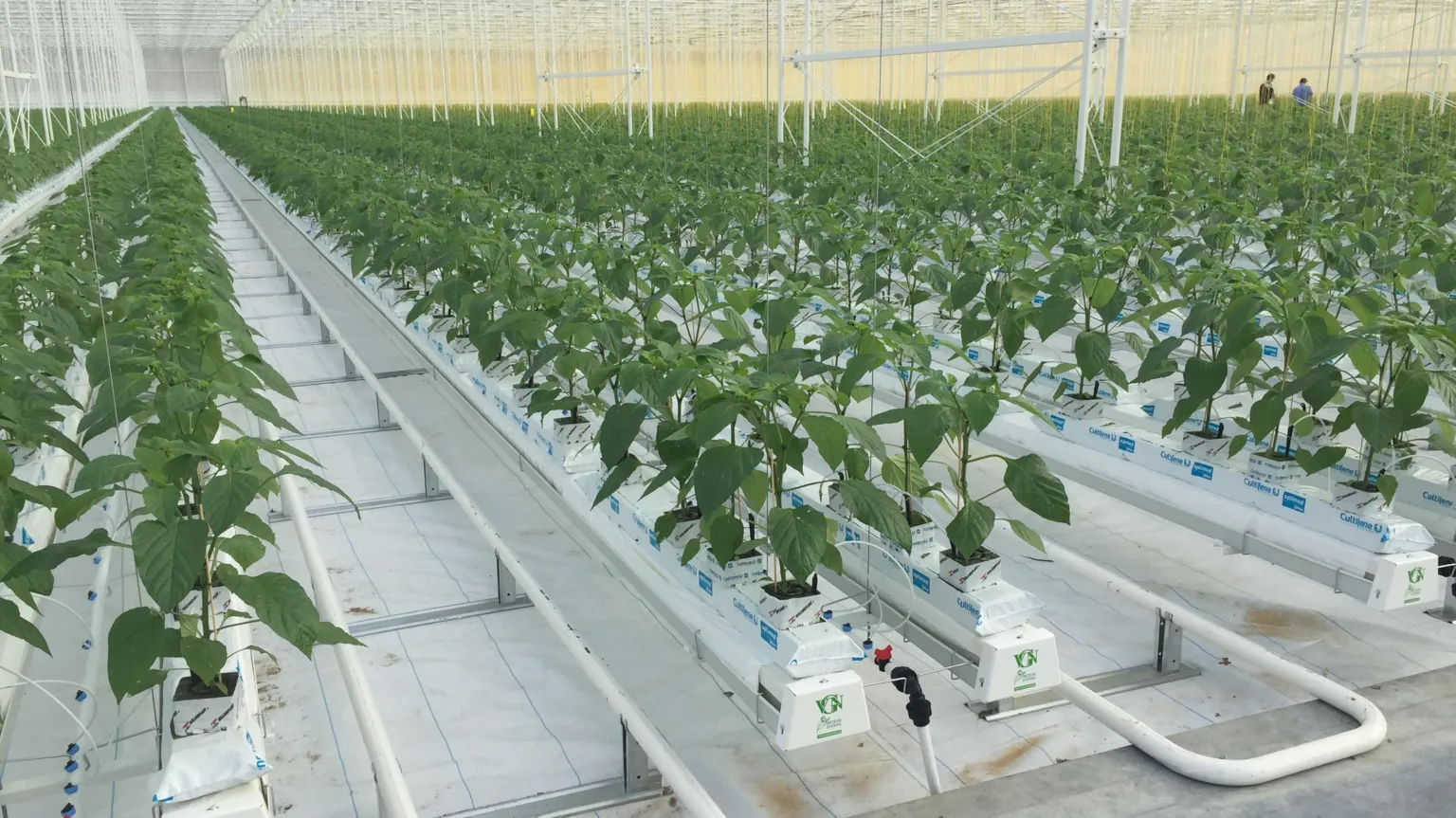
Analysts attribute these price hikes primarily to a significant surge in energy costs, which have escalated due to interruptions in oil and gas supplies from the Middle East. The elevated fuel prices have increased expenses for heating glasshouses, where many local crops are cultivated, thereby intensifying the financial strain on producers.
Rising Costs Impacting Fresh Produce
Fresh produce is especially sensitive to rising costs because it relies on swift, temperature-controlled supply chains. The increase in fuel prices has driven up the cost of transporting and refrigerating perishable foods.
Wholesale prices for various fruits and vegetables have already seen sharp increases, with industry representatives reporting notable price rises for certain items in recent weeks.
The Lea Valley in west Essex is a key supplier in the UK, producing over 80 million cucumbers and approximately 100 million peppers annually.
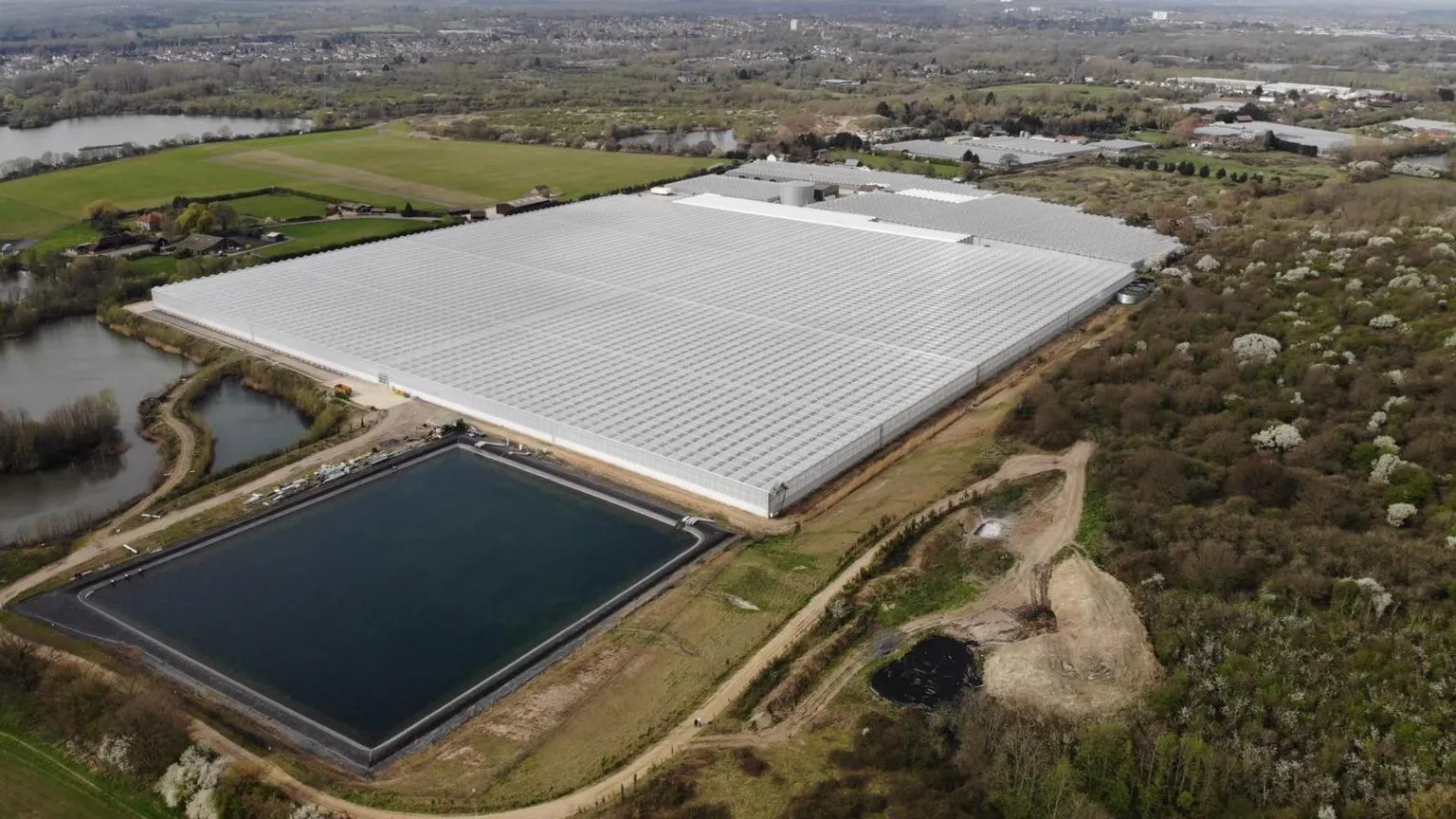
Jimmy Russo, president of the Lea Valley Growers' Association and co-owner of Valley Grown Salads near Harlow, described the situation as follows:

"Costs have rocketed."
"The price of gas, used to heat greenhouses, had increased by about 90%, while the cost of fertiliser, needed to feed crops, had also surged."
Russo noted that prior to these increases, his business was already spending around £1 million annually on gas alone.
"These increases are not sustainable," he said. "It's absolutely frightening."
Calls for Financial Support to Sustain Domestic Production
Russo emphasized the necessity of financial assistance to maintain a viable domestic crop industry in the UK.
"We have a brilliant tomato industry. We're growing 30 acres on the Essex-Herts border - cucumbers, peppers, aubergines.
"The crop is one of the best you'll find in the world. But, unless we get financial help, this model is not sustainable."
The longer-term outlook remains uncertain. The Food and Drink Federation stated that even if the conflict eases in the coming weeks, the impact on costs is expected to continue.
They further forecast that UK food inflation could reach at least 9% before the end of the year, potentially resulting in higher prices and reduced availability of some salad items in supermarkets.
Do you have a story suggestion for Essex? Contact us below.
Follow Essex news on , Facebook, Instagram and X.