

Naomi Gleit’s Journey at Meta
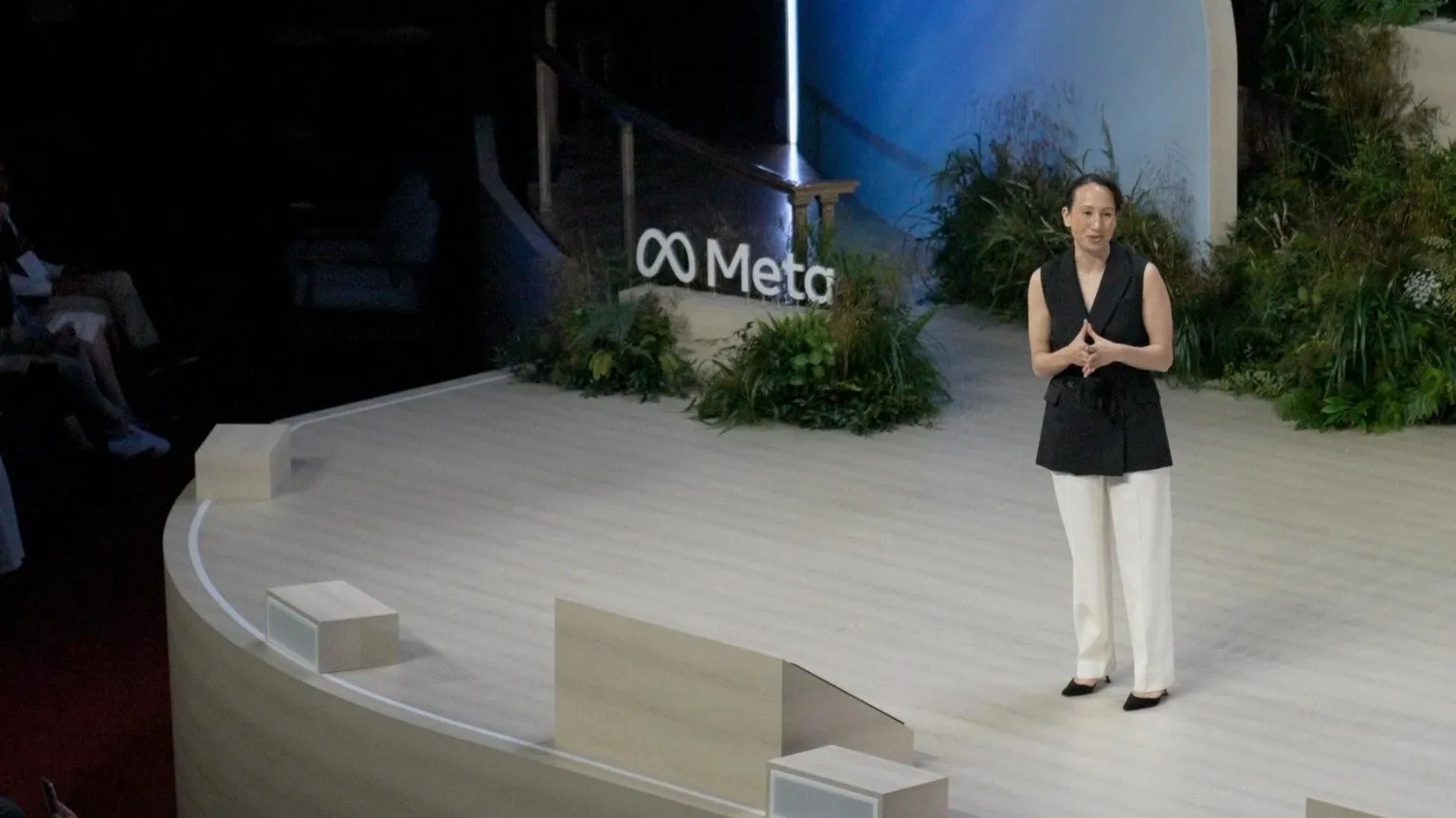
When Naomi Gleit joined Meta nearly 20 years ago, she was the company’s 29th employee. Today, she stands as the longest-serving staff member aside from founder Mark Zuckerberg.
Joining at age 21, Gleit witnessed the evolution of a start-up named Facebook into the tech giant now known as Meta, navigating numerous challenges and controversies along the way.
Currently serving as head of product, she described working at Meta as her "dream job" despite initial family reservations about her career choice.
"My mom was very disappointed, she wanted me to work for Lehman Brothers," she laughs.
Lehman Brothers collapsed in 2008, triggering a global financial crisis. Meanwhile, Meta remains robust but has faced its own significant challenges, including privacy scandals, election interference allegations, teen mental health concerns, and issues related to toxic online content.

Zuckerberg’s Reputation and Company Culture
Gleit acknowledges moments when Meta "didn't meet our standards" or fell short. However, she also expressed pride in many achievements, noting that Facebook’s well-known motto "move fast and break things" was often misunderstood when taken out of context.
Regarding Mark Zuckerberg’s public image, Gleit considers his portrayal as a stereotypical "tech bro" and villain to be "unfair."
To some, Zuckerberg embodies the archetype of a big tech CEO, attracting scrutiny not only for company controversies but also for appearing cold, robotic, and ruthless.
Actor Jesse Eisenberg, who portrayed Zuckerberg in the 2010 film The Social Network, told the BBC in February that he preferred not to be associated with Zuckerberg’s "problematic" actions.
Meanwhile, Succession star Jeremy Strong is set to portray Zuckerberg as a more calculating and savvy leader in the upcoming film The Social Reckoning.
"I think that the difference between what people think of Mark and how Mark actually is, is huge," Gleit says.
"He's also a great husband and a great dad to three little kids, and it's been really incredible to watch just how he's become the leader that he is today," Gleit adds.
When asked about Zuckerberg as a boss, Gleit paused briefly before describing him as "awesome." One of her team members humorously noted this comment might come up during her performance review.
AI and Meta’s Future
This week, Gleit visited the UK from Meta’s US headquarters to discuss the company’s latest innovation: AI agents.

These agents represent an advanced form of chatbot, capable not only of answering questions but also performing complete tasks autonomously.
Gleit explained that AI agents could serve as "superpowers" for small businesses. Meta is integrating them into WhatsApp, which boasts hundreds of millions of business users among its 3.5 billion global users.
The company plans to monetize AI agents by enabling businesses of all sizes to have these agents manage customer interactions around the clock and provide valuable business insights.
"We're really focused on what businesses need, and what they tell us is they're getting so many messages from people," Gleit says.
She suggested AI agents will improve businesses’ ability to manage customer communications more effectively than current tools allow.
However, questions remain about the reliability of AI agents and concerns about their autonomous behavior.
Earlier this week, Meta addressed a security issue where hackers exploited an Instagram AI support tool to gain unauthorized access to other users’ accounts.
"The problem there," Gleit explains, "was unrelated to the agent itself - and she insists safety is the company's 'priority and focus.'"
Gleit emphasized that this technology is particularly beneficial for small businesses, granting them access to customer insights typically available only to larger companies with extensive staff.
Impact on Employment and Workforce
Regarding the impact of AI on jobs, Gleit acknowledged that AI will "transform" the workforce but expressed optimism about the emergence of new, currently unknown roles.
"When I was growing up my job as a product manager didn't exist because there was no internet," she says.
Despite this, Meta has recently laid off 10% of its workforce while increasing investments in AI.
Employees have also expressed concerns about keystroke monitoring used to train Meta’s AI tools. The company reportedly scaled back this practice, allowing employees to opt out, but only for 30-minute intervals.
Gleit’s advice to young people concerned about AI’s impact on their careers is to "be curious."
She says that thanks to AI, she is coding for the first time in her life, and Zuckerberg, who was coding Facebook when she met him, has returned to coding.
"Even at work we are all learning new skills," she adds.

for our Tech Decoded newsletter to follow the world's top tech stories and trends. Outside the UK? here.


