Introduction to Blue Heron
The past intertwines with the present in Sophy Romvari’s impressive debut feature, Blue Heron, a Canadian film that reveals its depth more fully upon a second viewing. Initially encountered at the Locarno film festival last year, this autobiographical, or more precisely autofictional, film embraces a quietude that resists dramatizing its real-life tragedy in a conventional manner. Instead of employing Hollywood-style amplification, it shares its anguish with the viewer in a hushed, intimate tone.
Film’s Tone and Structure
Blue Heron is sombre and painful, complex yet understated. It operates on two metatextual levels that converge strikingly in the film’s final cinematic moment. Despite its sophistication, the film remains subtly moving. The narrative centers on Romvari’s own childhood and her relationship with her deeply troubled older brother. This story evolves from her acclaimed 2020 short film on the subject, whose existence is seamlessly integrated into this new work.
Setting and Characters
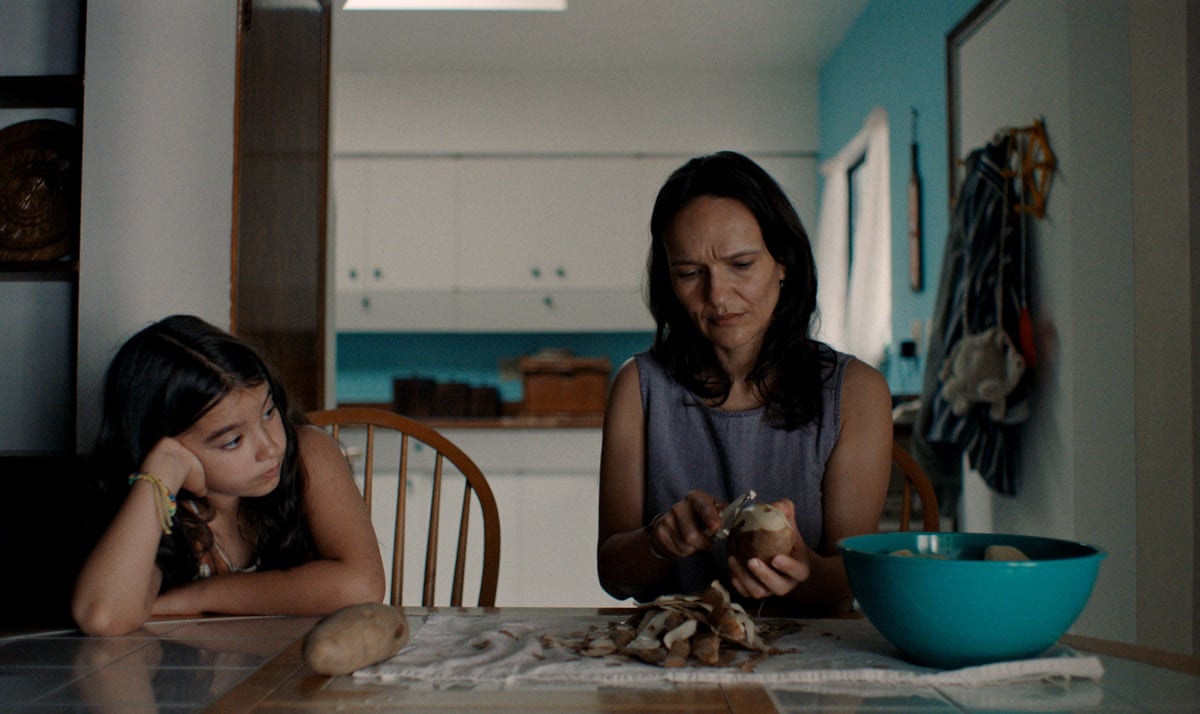
Set in the mid-1990s, the story follows a young girl named Sasha (Eylul Guven), approximately seven or eight years old, living with her two brothers and an older teenage half-brother, Jeremy (Edik Beddoes), on Vancouver Island. The family has recently moved into a new house after frequent relocations for reasons that become clear as the story unfolds. Their parents, portrayed by Iringó Réti and Ádám Tompa, are Hungarian immigrants who switch to their native language when they wish to keep conversations from the children’s understanding.
Family Dynamics and Jeremy’s Condition
Emotionally, the family is at a breaking point. Jeremy suffers from a behavioural condition identified by a child psychiatrist as oppositional defiant disorder, characterized by his refusal to comply with his parents’ increasingly desperate demands. His conduct is destructive and dangerous; he threatens to set the house on fire and is frequently returned home in police handcuffs.

The resulting family dysfunction is insidiously gendered; Sasha is emotionally affected by Jeremy’s behaviour in a way her brothers are not, and their mother is resentful of having to assume the role of disciplinarian. She bears the brunt of managing Jeremy’s behaviour while her husband withdraws into work. There is an unspoken resentment that Jeremy’s challenges are her burden, as he is her son from a previous relationship.
Exploring the Causes and Impact
The origins of Jeremy’s condition remain a baffling, insoluble mystery that wounds Sasha both as a child and later as an adult. In flashforward scenes, the adult Sasha, portrayed by New York writer and comic Amy Zimmer, is seen filming a quasi-fictional panel of social workers discussing Jeremy as a cold case.
Questions Raised by the Film
The film probes the meaning of Jeremy’s disruptive behaviour. It questions whether it is productive to search for its cause or whether the focus should be on the consequences Jeremy’s actions have had on others. Edik Beddoes’s portrayal of Jeremy includes a disquieting, opaque, smug smirk that may conceal deep fear and unhappiness or perhaps nothing at all.
For Sasha, and presumably for Romvari herself, the painful challenge is to reconcile her feelings of hurt and anger towards Jeremy for the lasting unhappiness he has caused, with her empathy and frustration on his behalf at the societal and social service failures that left him unsupported. The film reflects on a universe that inexplicably inflicted this profound trauma on Jeremy and the entire family.
Conclusion
Blue Heron is an intelligent and valuable work of filmmaking that offers a nuanced, sophisticated, and deeply personal exploration of childhood trauma and family dynamics.