Introduction to the Project
Standing atop a cold mountain in minimal clothing, sharing a single hot water bottle between two to keep warm during a photo shoot, a young Nia Day experienced the less glamorous realities of the fashion industry.
"This is an eye opener,"
said the Merthyr girl, reflecting on the experience. Yet, the cold was the least challenging aspect when she revealed that the shoot involved the legendary fashion house Alexander McQueen.
How did one of the world’s leading couture brands come to photograph local children on a mountain in south Wales?
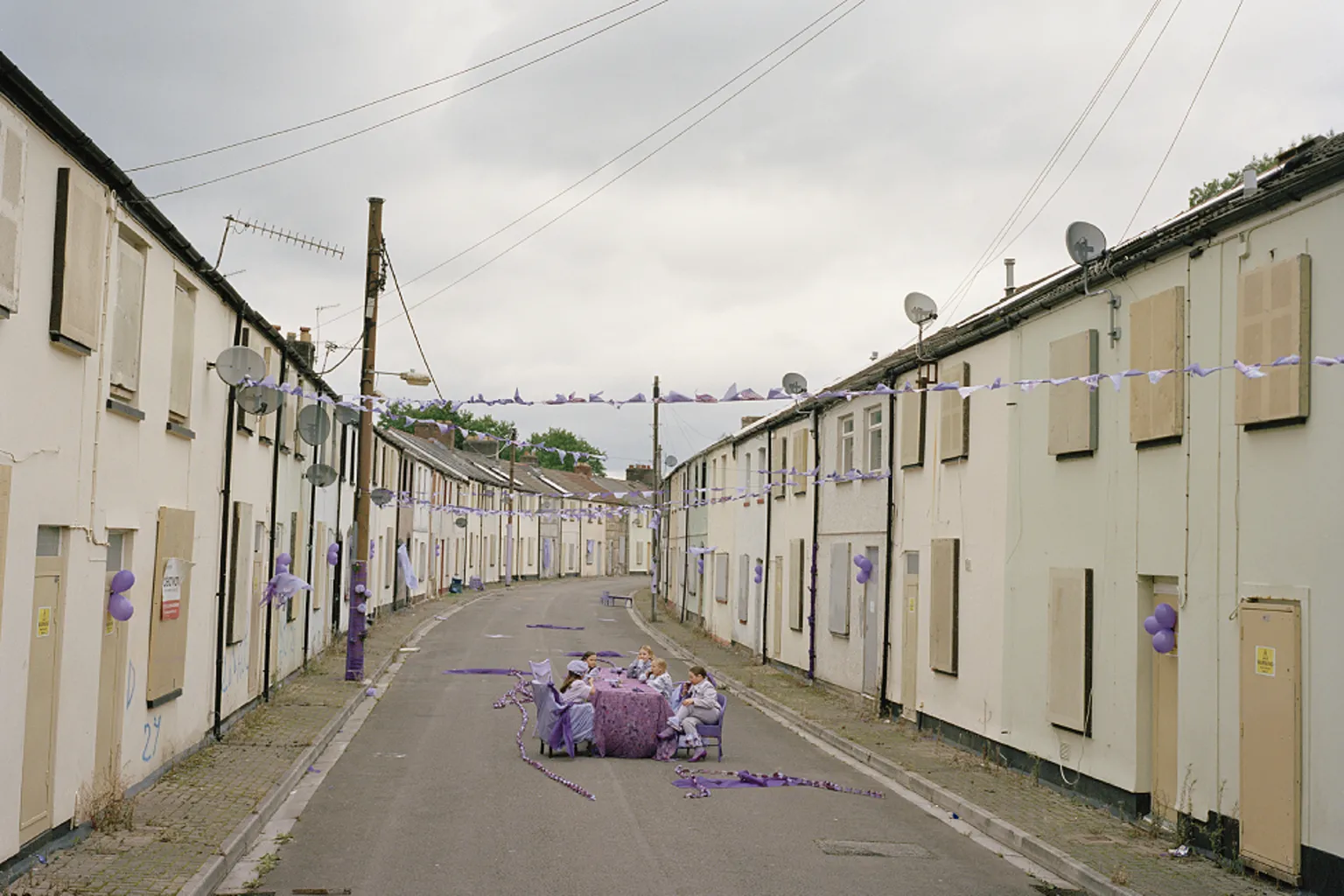
This opportunity arose from a project initiated ten years ago by two artists aiming to demonstrate to young people in the Valleys that they too could be part of the worlds of fashion, photography, and the arts.
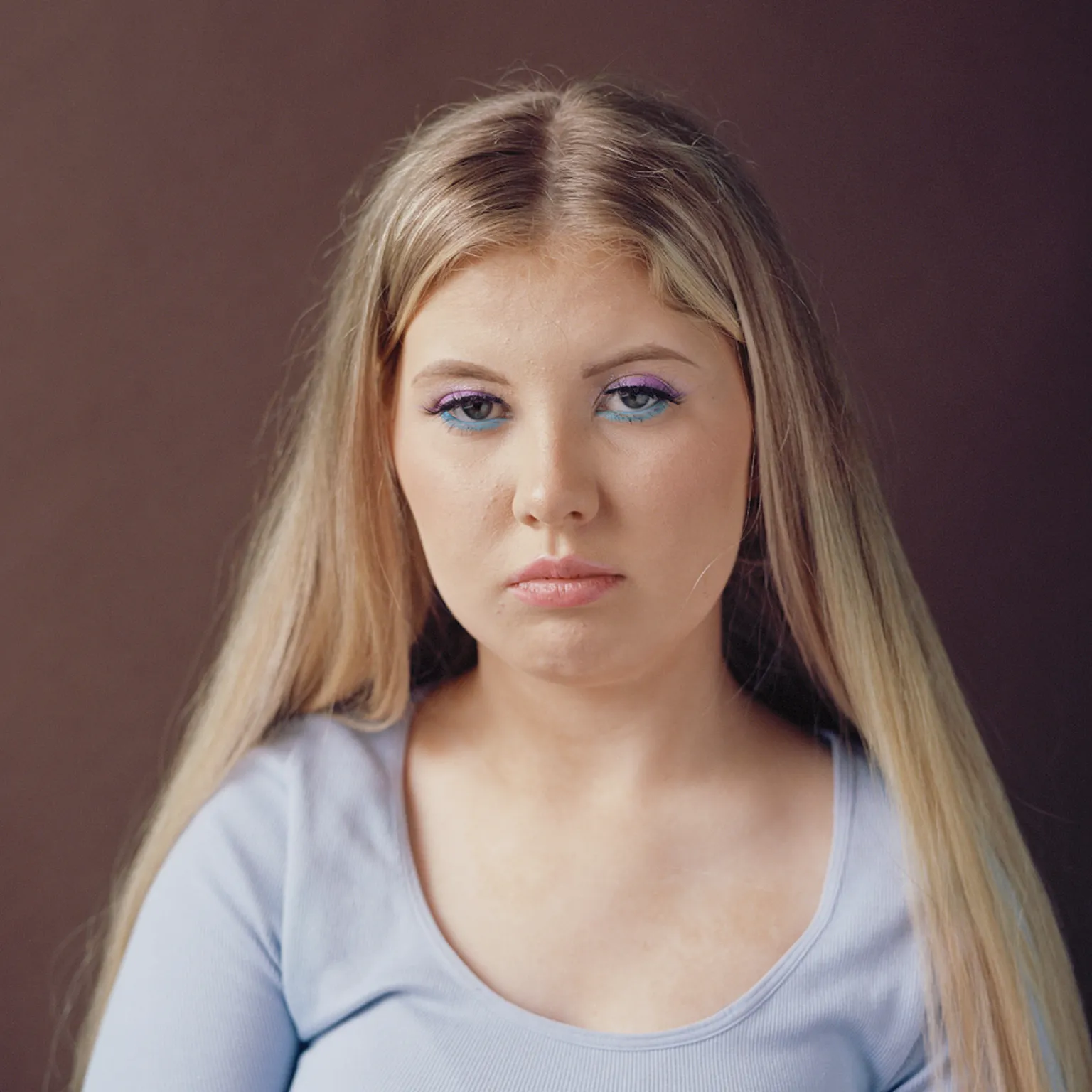
Now, a 10th anniversary retrospective titled It's Called Ffashiwn! is opening at the National Museum Cardiff, celebrating the accomplishments of Charlotte James and Clémentine Schneidermann along with their young participants.
Origins and Development
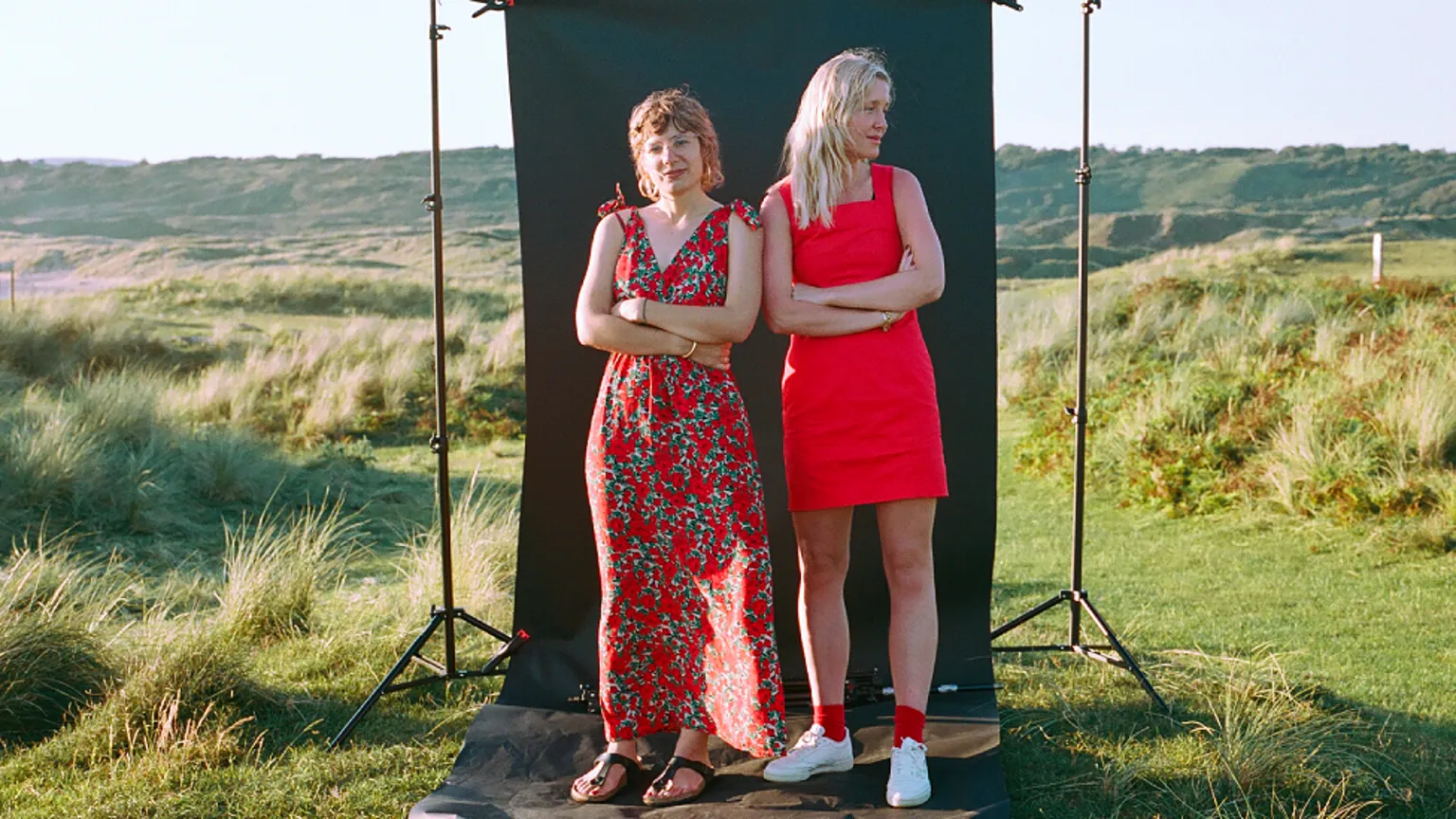
Clémentine Schneidermann, a French documentary photographer, explains that the project began when she moved to Abertillery, Blaenau Gwent, after being commissioned for an art project in 2015.
She met a youth worker who connected her with a youth group, and importantly, a London-based fashion editor named Charlotte James was introduced to her.
Charlotte, originally from Merthyr Tydfil, was simultaneously working on a photography project.
On the first day, Charlotte arrived with her mother and best friend, and from there,
"we built a small community of friends and collaborators,"
Clémentine explained.
"I couldn't believe she was living in Abertillery,"
Charlotte joked.
Through the youth group, they collaborated with a group of girls in Blaina to stage a fashion photoshoot, initially intended as a one-off event.
However, Clémentine noted,
"A three-month residency grew to a 10-year project.
The first shoot was very important for us because it's the first time we saw the potential of starting a process and working with young people.
We thought it would be a good idea to continue working with young people."
Alongside the Blaenau Gwent base, they reached out to a youth project in Merthyr and began collaborating with the Gellideg Foundation to offer workshops teaching young people how to design, sew, and cut clothes.
Each workshop was themed around a colour and followed by a photoshoot.
Clémentine explained,
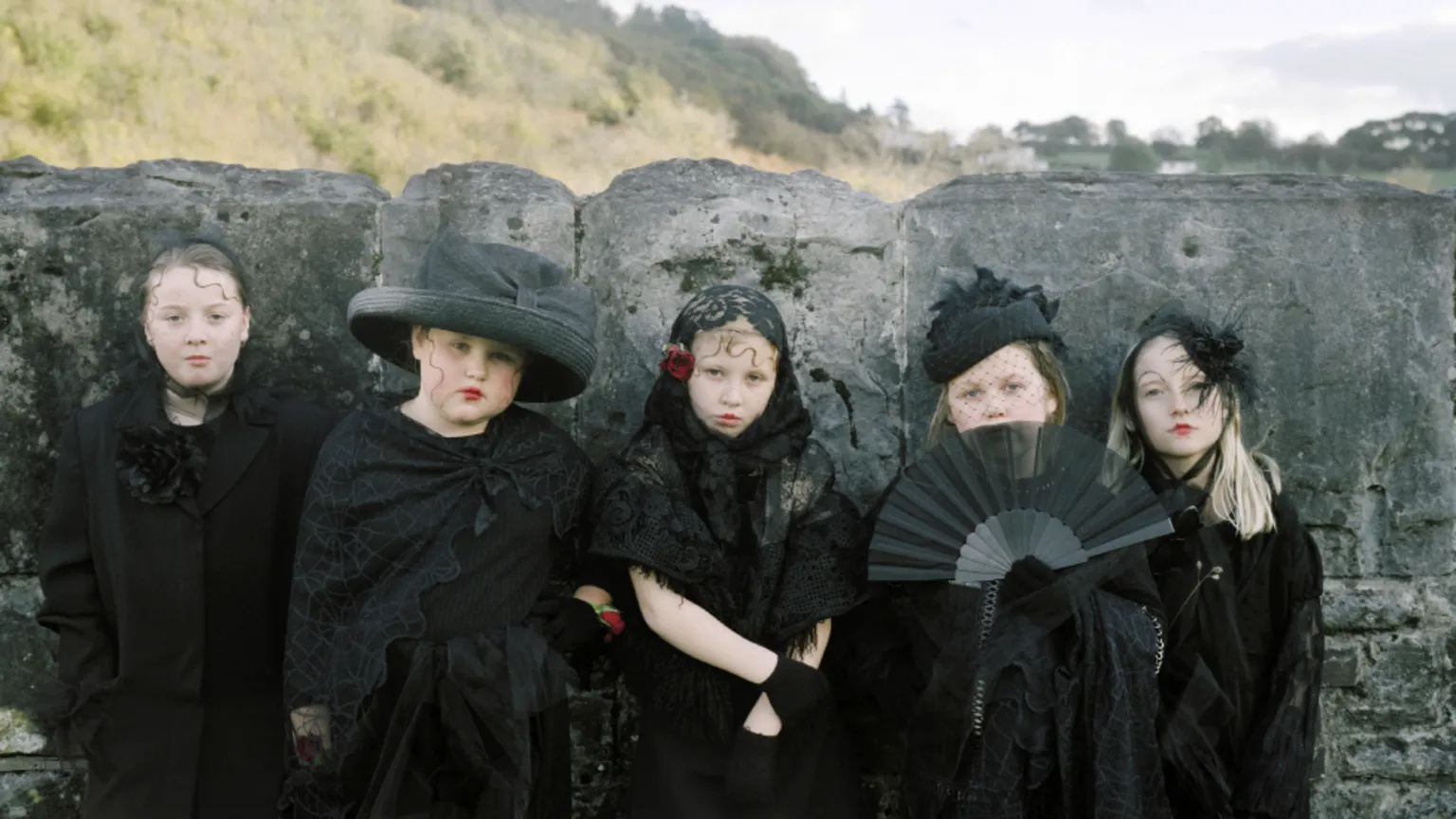
"The first one was all in black. We photographed around Halloween time. Then we did red for Valentine's, we did green around spring."
The Origin of the Project's Name
During the initial black-themed shoot, the project’s name emerged organically.
The girls were dressed in black attire when a group of boys passing by made comments likening their outfits to attending a funeral. One girl responded,
"I'll be going to yours."
Another boy retorted,
"It's called fashion. Look it up."
Nia Day’s Journey
For Nia, who was eight years old at the time, the project was perfectly aligned with her aspirations.

"When you're in school and they ask you what your dream job was, mine was to own a fashion shop where I make my own clothes."
However, she missed the first photoshoot due to a holiday but was eager to join.
"I texted Charlotte and begged to join: 'I was eight and I was like 'right, this can get me my future'."
Her first participation was in the green-themed shoot.
Charlotte explained that after the black shoot, designer Emma Brewin had seen some photos and contacted them to photograph the girls in green to complement her pistachio collection.
The artists insisted that the girls not be passive subjects; the designer agreed to conduct a workshop so the participants could learn skills alongside the photoshoot.
Nia, now 19, recalled,
"The green fur had been worn on big celebrities and music videos and Charlotte was like 'I thought it would be amazing for you to be in what celebrities have worn', to show us that we were literally all the same as everyone else."
Skills Development and Creative Involvement
The group began by making pompoms but progressed to using sewing machines to create their own clothes and hats for the shoots.
Nia said,
"We got involved with everything, photography, the lot.
If we wanted to try it, they were like 'do it. Try it.' It was so amazing to not be like 'oh you can't touch that camera, you can't touch that'."
While the artists originated ideas, the girls (and occasionally some boys) influenced themes, colours, and decorations.
Sometimes, they turned the camera on others.
Nia explained,
"We'd do photoshoots out in public where we'd stop random people who we thought looked cool, or random people who were wearing purple, and we'd go up to them.
We had so much confidence [from the artists] we'd ask 'can we have photos? Can we have a photo with you'?"
Expansion and Collaborations
As the years passed and the children matured into young women, the scope of the artists' work expanded.
Clémentine said,
"We had a big exhibition in Bristol at the Martin Parr foundation. We did a collaboration with Alexander McQueen in 2020, with [then-creative director] Sarah Burton."
Nia described the varying timelines of shoots, some with rapid turnaround—collecting materials from charity shops one day, making outfits the next, and shooting the following day—while others, like the McQueen collaboration, extended over weeks.
During the McQueen project, the girls received dresses which they could adapt and embellish, participating in sewing and embroidery workshops led by professionals.
Recalling the mountaintop shoot, Nia said,
"It was so cold on the shoot. They were like 'this is the side you lot don't see'. Charlotte and Clémentine do it in the summer, but this was winter.
They were like 'here's a hot water bottle, one between two. We were like, this is an eye-opener.
But since that shoot it made me think if we can do a shoot with McQueen then we can go bigger and bigger, and it's just been driving me since. I just want to keep going."
Education and Future Aspirations
Encouraged by Charlotte to consider fashion studies long-term, Nia switched one of her GCSE subjects to art, where a teacher who saw her work on a papier-mâché dress told her,
"You've got a talent for this so do it."
Initially, she deferred the decision, studying childcare, but eventually realized her passion lay elsewhere.
Receiving the invitation to the exhibition's opening motivated her to apply for a fashion course the same day. She plans to start a two-year college course in the autumn, with hopes of attending university thereafter.
Impact and Reflections
Clémentine reflected on the participants’ experiences,
"I think it really gave them the opportunity to see the fashion industry from a very original angle.
Unfortunately, fashion and photography are very difficult industries to get into. Now it's very expensive to study fashion and the fact that we provided free workshops open to everyone opened them up to it.
They had the opportunity to work with Alexander McQueen and Martin Parr. It was pretty special the opportunity to work with these people and I hope it stays with them all their lives."
Charlotte highlighted the significance of the exhibition opening in terms of representation,
"How many working class women were otherwise featured in places like this?
And look how many are on the walls now."