Crafting Realism: Aaron Houghton's Role on House of the Dragon
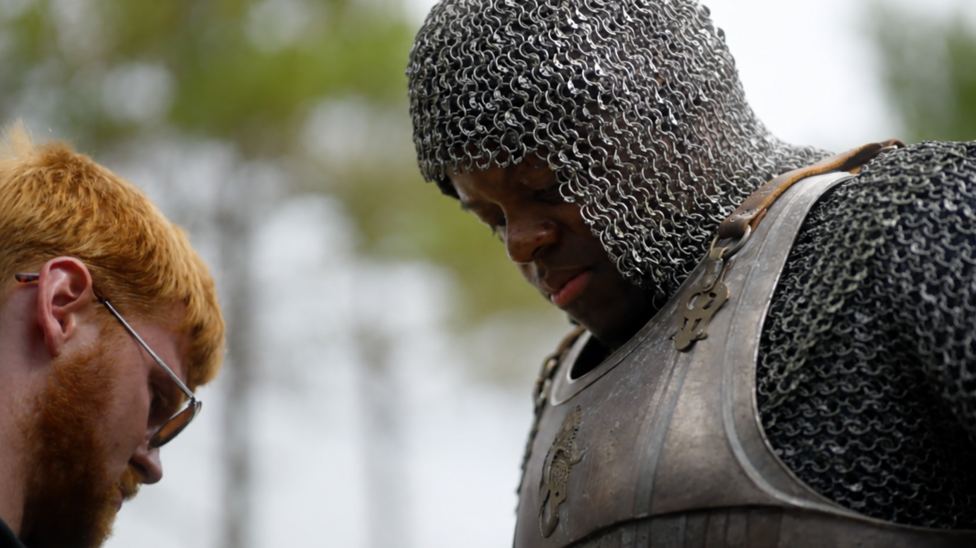
Aaron Houghton, a skilled blacksmith, has shared his unique experience working as an armourer on the set of the Game of Thrones prequel, House of the Dragon. His responsibilities included repairing swords and painting background weapons to ensure authenticity in the fighting scenes.
The filming of series two and three took place around north Wales, where Aaron ensured that all actors appeared genuine during combat sequences.
About the Series and Aaron’s Work
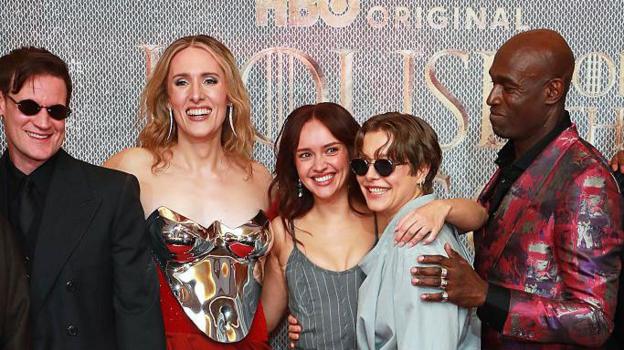
House of the Dragon is based on George RR Martin's epic fantasy novel A Song of Ice and Fire and features stars such as Matt Smith, Emma D'Arcy, and Olivia Cooke.
Currently, Aaron combines his work on local productions with teaching blacksmithing skills, instructing others in crafting knives, swords, and axes.
He is also engaged as an armourer on Excalibur, a fantasy feature film produced in Wales.
Life on Set in North Wales
Originally from Betws-y-Coed in Conwy county, Aaron described the filming environment as vibrant and bustling.
"You have up to 500 people on one project going on, they're all there, it's like a moving village,"
"Working on set is absolutely surreal, but in an amazing kind of way.
"A lot of people get starstruck with these actors but they're just people you're working with."
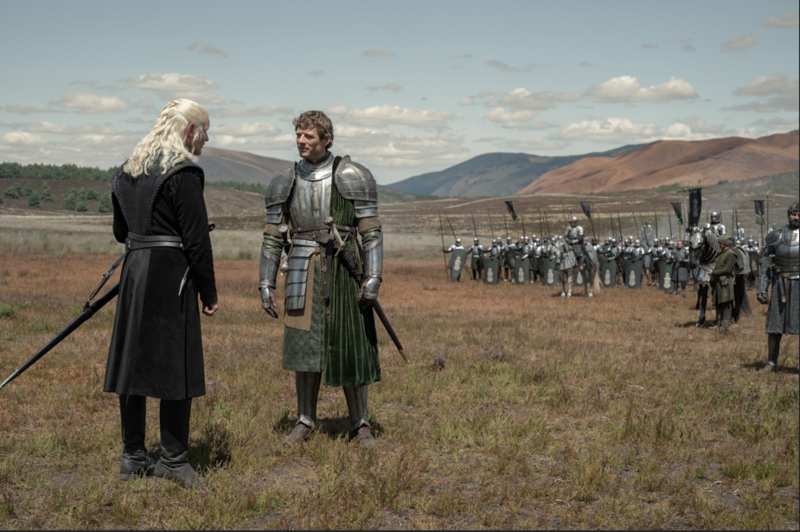
The mountainous landscapes of north Wales provided the backdrop for many scenes.
The production received funding from Creative Wales, an external body that supports major productions filming in the country.
Series Context and Aaron’s Journey
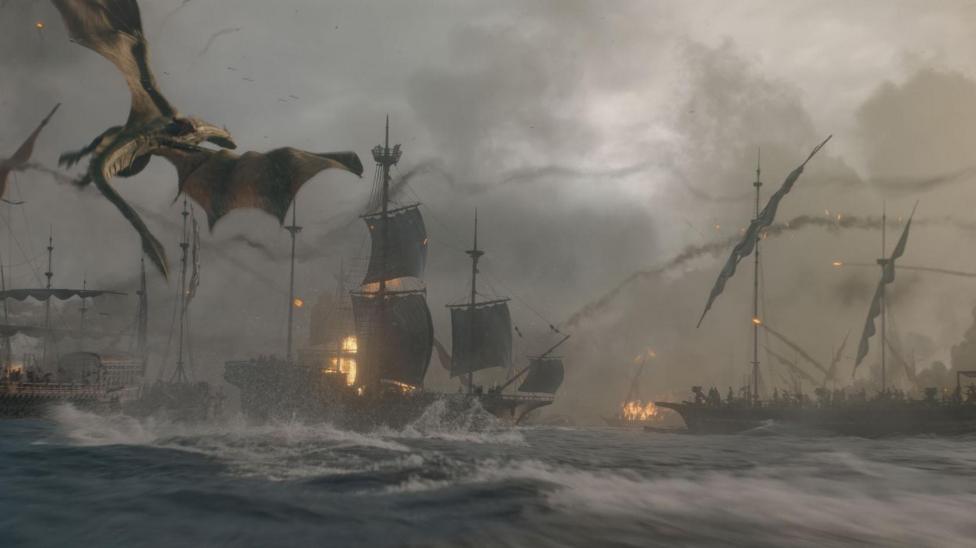
Set approximately 200 years before Game of Thrones, House of the Dragon depicts a devastating civil war and fierce power struggle.
Aaron applied for one of six shadowing positions and secured a full-time role within the armoury team.
The paid placement lasted two months, from mid-May to July 2023, and he was invited back for series three, scheduled for release in 2025.
The third series, released in June, introduced cast members including James Norton from Happy Valley and Welsh actor Rhys Ifans.
Filming locations ranged from the Trefor granite quarry on the Llyn peninsula to the Dinorwig slate quarry near Llanberis in Eryri, as well as smaller sites such as Beaumaris.

Aaron’s Background and Passion for Historical Combat
Aaron studied metalwork at college and now teaches blacksmithing.
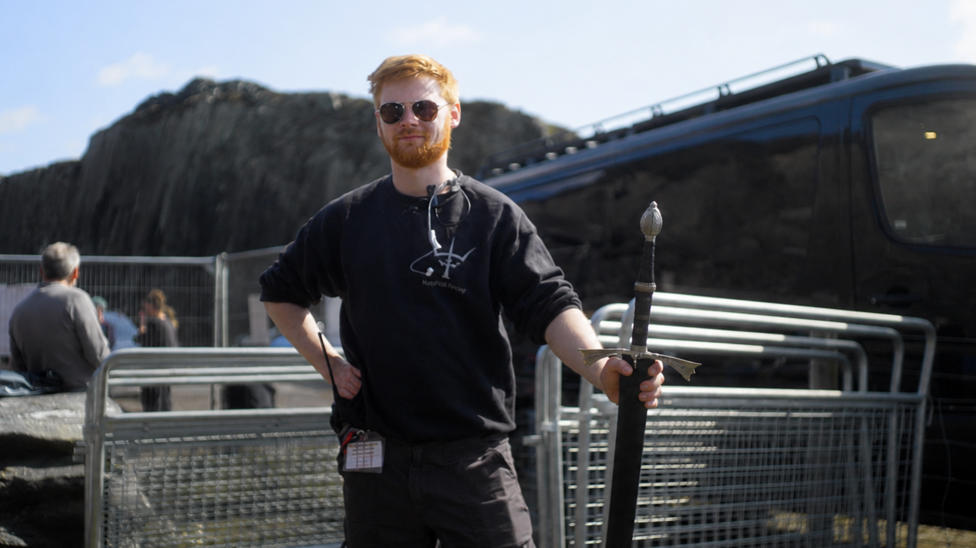
In his teenage years, Aaron was deeply involved in martial arts and developed an interest in historical European martial arts, which utilize centuries-old sword techniques.
The popularity of medieval and Renaissance dueling has been bolstered by its portrayal in fantasy literature and films, as well as among military history enthusiasts.
Initially, Aaron began teaching historical combat forms but lacked the funds to purchase specialized equipment for his students.
His father introduced him to basic forging techniques using an old forge at their home in rural Eryri (Snowdonia).
"It spiralled out of control. The group got bigger, I started doing a bit of metal work for my projects in college and before I knew it I was at university studying it,"
After earning a metalwork degree from Hereford College of Arts, Aaron proceeded to teach blacksmithing, crafting items ranging from historical scroll knives to swords, axes, and fire pokers.
Connection to Game of Thrones and House of the Dragon
Reflecting on his connection to the franchise, Aaron said,
"I read Game of Thrones when I was younger growing up in the mountains.
When the show came out I enjoyed the sense of realism that they put into it.
It always captivated me that they would do things a bit differently."
On-Set Armoury Operations
The weapons used in House of the Dragon are manufactured in Hertfordshire, but the on-set armoury team played a crucial role, operating from the back of a truck filled with buckets containing up to 50 swords.
"I was like a kid in a candy shop," Aaron remarked.
Actors wield swords made from various materials depending on the scene, including plastic, aluminium, and steel. Aaron ensured that background extras carried appropriate swords as they moved closer to the camera.
"Knowing what swords look like in real life helped quite a lot,"
He explained that steel swords are used for close-up shots, while lighter aluminium versions are preferred when actors are walking around.
"If they're doing something a bit more active - maybe they're walking over dangerous terrain or they're going to be fighting with it - then they get the synthetic version, which is a cast polyurethane one which has to be painted to look as close to the original as possible,"
For stunt sequences involving falls and rolls, actors use fully flexible rubber swords.
"The director likes to really experiment with different things and change the shot slightly, and we have to be right there to change the sword,"
For the third series, Aaron was also responsible for crafting a collection of daggers used on set.