Security checks due to new digital entry and exit system cause delays for EU visitors
Travellers to the EU have encountered additional border security checks following the implementation of the digital entry and exit system (EES). This new system requires most non-EU citizens, including UK nationals, to register their biometric information at the border. These checks have led to significant delays, with airlines and airports reporting some flights departing with many empty seats and passengers experiencing queues lasting up to five hours during the peak summer holiday season.
What is the EES?
The EES was introduced to expedite border crossings and improve efficiency while tracking entries and exits within the EU. Launched last year, the system has now been fully implemented. Travellers must have their faces photographed and fingerprints scanned before entering the Schengen area, which includes 25 of the 27 EU member states plus Iceland, Liechtenstein, Norway, and Switzerland.
The biometric checks apply to individuals who are not citizens of the 29 Schengen countries, Ireland, or Cyprus. Eventually, the EES will replace passport stamping by border officials.
Typically, upon arrival, travellers use a self-service kiosk to register their name, passport details, fingerprints, and the dates and locations of entry and exit. For those travelling through the port of Dover, Eurotunnel LeShuttle at Folkestone, or Eurostar at St Pancras International, EES checks are completed before leaving the UK.
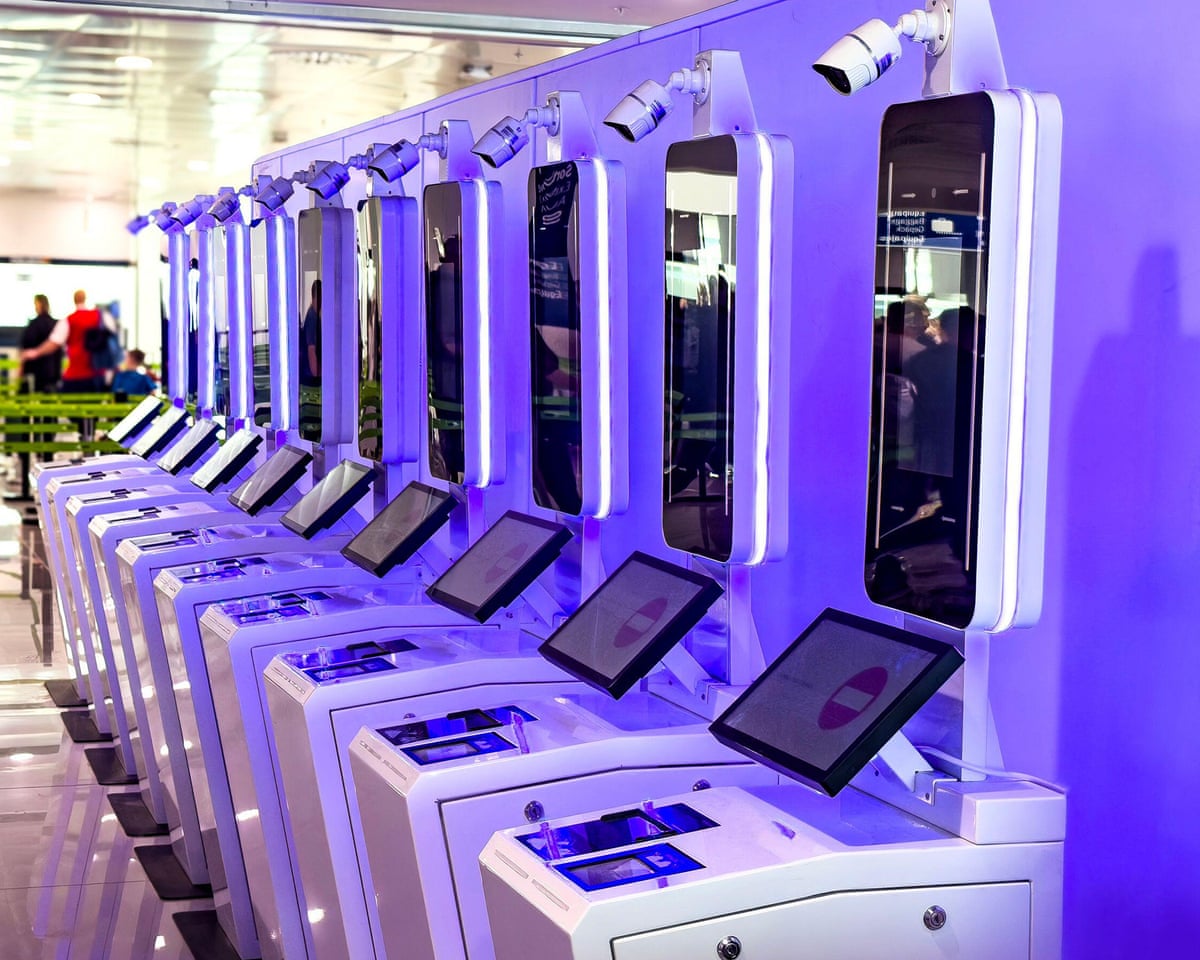
When returning home or if the traveller has previously undergone the system, the process should theoretically be faster since their data is already recorded. However, travellers still must pass through checks and may sometimes need to record their information again.
What is the problem?
The rollout of the EES has encountered significant challenges and delays, occasionally causing passengers to miss their flights.
At launch, some airports experienced long queues during busy periods, attributed to the new technology and insufficient border staffing.
At the end of last year, Lisbon airport suspended the system after wait times reached seven hours. In April, approximately 100 passengers missed a flight to Manchester due to queues lasting up to three hours caused by border control checks.
Last month, delays led to a group of passengers missing their flight, resulting in tense situations.

In a letter addressed to Ursula von der Leyen, president of the European Commission, published on Wednesday, travel industry groups stated the situation had "reached a critical point." Since April, they reported, "waiting times at border control have increased significantly, now reaching up to five hours during peak traffic periods."
Can the checks be suspended?
Last week, the head of the company managing Rome’s airports suggested suspending the system to avoid a "disaster" during the summer peak traffic months.
ACI Europe, a European airports trade association, has indicated that decisions to suspend the system rest with individual EU governments rather than airports. Its president, Stefan Schulte, urged politicians to "stop pretending … that EES is working just fine. It is not."
In May, French police temporarily suspended EES checks at the port of Dover as thousands of holidaymakers faced long delays in hot weather. A port spokesperson explained that a clause in the EES regulations allows for temporary relaxation of checks.
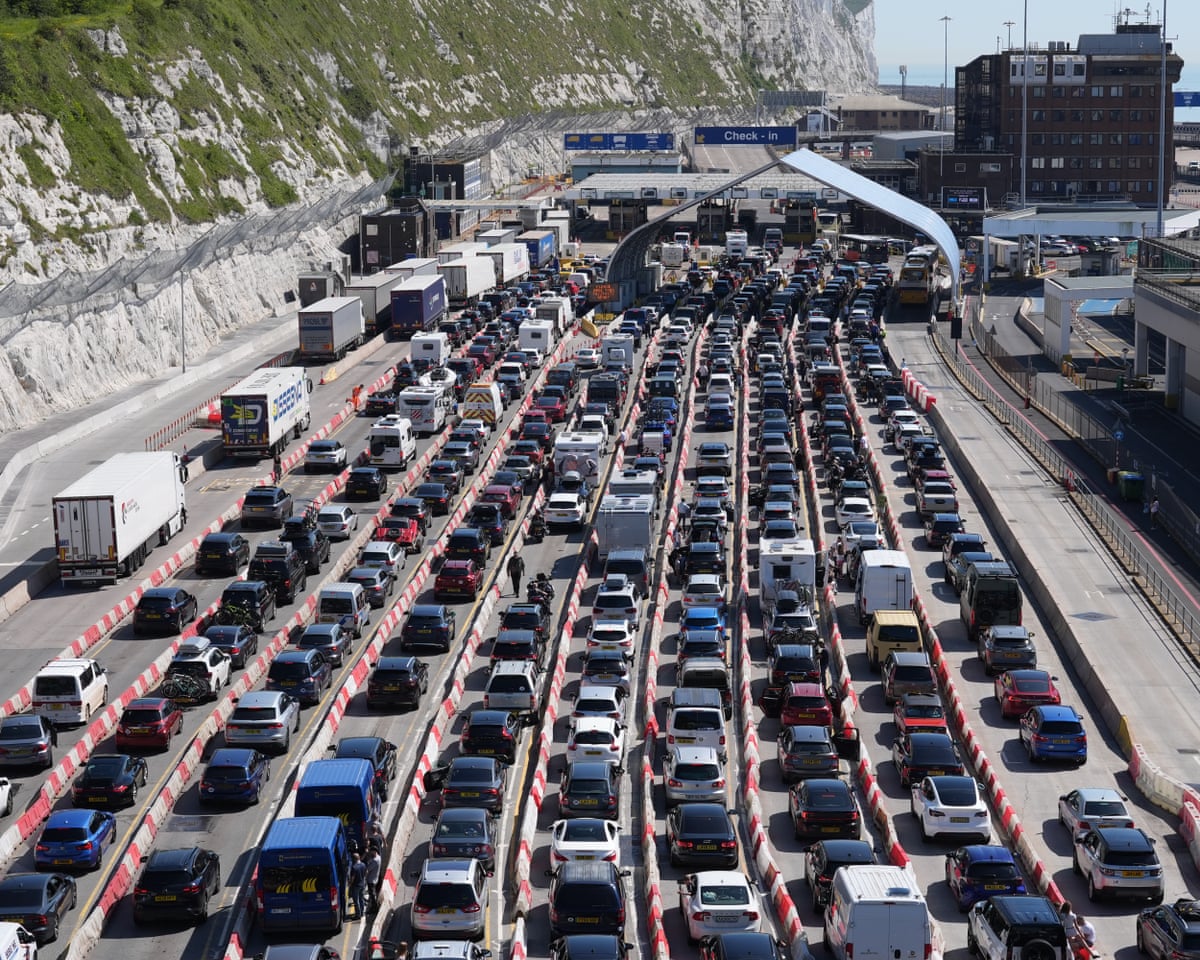
The letter to von der Leyen, signed by multiple travel industry groups including Airlines 4 Europe and the International Air Transport Association, which represents airlines, requests suspension of the system during the peak summer period.
How early should I go to the airport and what happens if I miss my flight?
If a passenger misses their flight, airlines are not obligated to rebook free of charge, according to travel company Kayak. Under EU regulations, airlines may classify border delays as extraordinary circumstances, potentially exempting them from paying compensation.
Travel insurance providers have indicated that coverage is unlikely for losses caused by these delays. One insurer stated:
“We wouldn’t reimburse you for delays caused by the new EU entry/exit system, but we would help out if your trip was delayed due to severe weather or strikes, for instance.”
Passengers are advised to arrive up to three hours before their flight. However, this extra time may be insufficient if airlines open baggage check-in only two hours before departure, as was the case for some travellers who missed their easyJet flight home from Málaga due to long queues. These passengers incurred additional costs of approximately £1,000 for new flights. There appears to be no current guidance for airlines to open check-in counters earlier.
One method to avoid delays at baggage check-in is to travel with cabin baggage only.