Medvedev and Djokovic Revitalise Their Game
In the early uncertain moments of his Indian Wells semi-final against Carlos Alcaraz, Daniil Medvedev quickly asserted his intentions. After taking a 3-1 lead, Medvedev chased down a characteristic Alcaraz drop shot and lob, finishing the point with an ultra-flat inside-out backhand winner that landed on the edge of the line.
This decisive point set the tone for what became one of the most remarkable performances of the year. Few had given Medvedev a serious chance against Alcaraz, who had won all four of their previous encounters, conceding only one set. However, Medvedev delivered one of the finest matches of his distinguished career, overturning the odds to defeat Alcaraz in straight sets.
The central question in men’s tennis this season remains whether any player can consistently challenge Alcaraz and Jannik Sinner. Rather than emerging from a new talent, the initial breakthroughs have come from two veterans who preceded Alcaraz and Sinner in the No. 1 ranking, with Novak Djokovic producing an extraordinary performance in the Australian Open semi-finals to defeat Sinner in five sets.
Medvedev’s performances in California marked a pivotal moment in his career. As the greatest men’s tennis player born in the 1990s, a former world No. 1 and Grand Slam champion, the 30-year-old had endured his most difficult season in 2025. He won only one Grand Slam match all year and dropped out of the top 15 for the first time since 2019, finishing the year with more emotional outbursts than victories.
Despite Medvedev’s significant progress, the final outcome underscored the immense challenge of overcoming the current top players. Defeating both Alcaraz and Sinner will likely be necessary to win major tournaments for the foreseeable future. The following day, Medvedev played another strong match, pushing Sinner to two close tiebreak sets, but ultimately fell short as Sinner dominated the crucial points to secure victory.
Sinner has now become the youngest man in history to win every major hard-court title at just 24 years old. Perhaps an even greater testament to his excellence is the discourse preceding his recent success. Sinner failed to reach the final in his first two tournaments of the year, losing a tight five-set semi-final to Djokovic in Melbourne and then a quarter-final to Jakub Mensik at the Qatar Open. These defeats sparked speculation about a potential slump.
Such reactions highlight the extraordinary level and consistency Sinner has maintained over recent years. While he has been second-best to Alcaraz in their rivalry, he has otherwise been dominant against the rest of the field, particularly on hard courts. His high standard means that even one or two losses attract attention. Nevertheless, Sinner closed out the Indian Wells title without dropping a set, signaling more success ahead.

Sabalenka and Rybakina's Rivalry Highlights WTA Strength
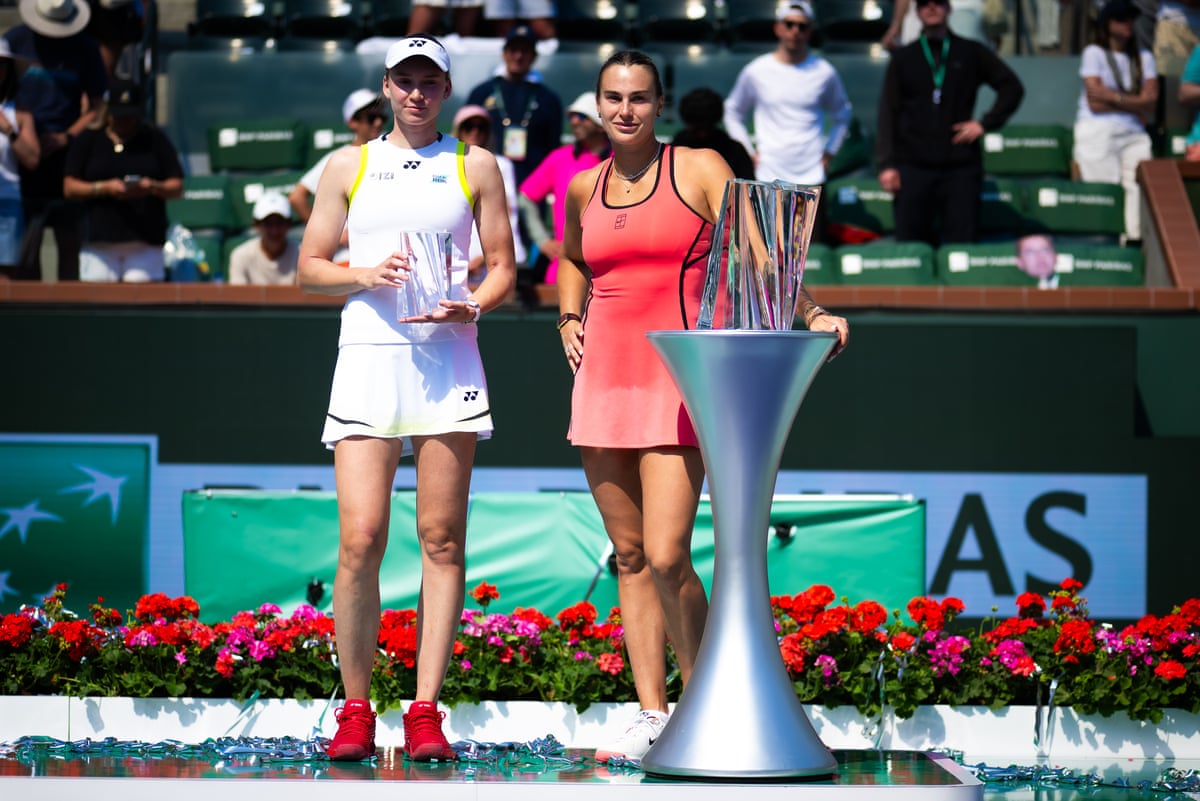
Beyond the men’s tour, the most compelling rivalry of early 2026 has been between Aryna Sabalenka and Elena Rybakina. The two powerful shotmakers delivered a spectacular contest in the California desert, surpassing their excellent Australian Open final. Sabalenka held her nerve in a tense climax to win 3-6, 6-3, 7-6 (6), saving a match point deep in the final-set tiebreak.
This tournament marked Sabalenka’s first since the Australian Open, following her public criticism of the congested WTA schedule and her decision to skip the February WTA 1000 events in Doha and Dubai. Her choice proved fruitful, culminating in a major title.
The overall WTA top 10 is stronger than it has been in over a decade. Nine of the top 10 players have won at least one Grand Slam or WTA 1000 event in the past 52 weeks. The sole exception, Elina Svitolina, is playing some of the best tennis of her career. Rybakina’s remarkable past six months, which included titles at the WTA Finals and the Australian Open, have propelled her to a career-high ranking of No. 2. Nonetheless, Sabalenka’s consistent excellence remains a focal point of women’s tennis this year.
Jack Draper's Resilient Return
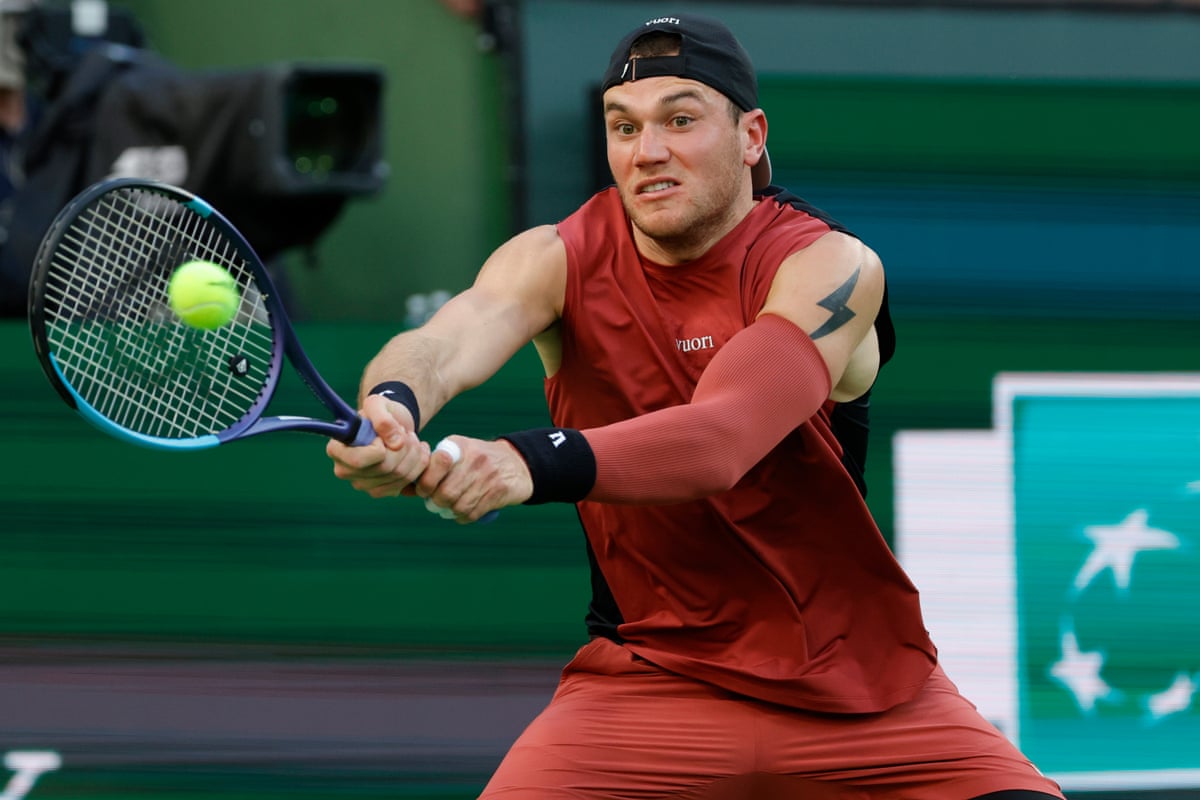
Although his Indian Wells reign ended controversially after a hindrance penalty during his quarter-final loss to Medvedev, Jack Draper left the tournament as one of the most positive stories. The past seven months have been the toughest of his career, as a bone bruise to his left arm limited him to just one match since Wimbledon in July.
Once ranked No. 4 at Wimbledon and regarded as one of the few younger players capable of challenging Alcaraz and Sinner, Draper has since fallen out of the top 25. Following a strong week from Cameron Norrie, who reached the quarter-finals by defeating Alex de Minaur, Draper also lost his British No. 1 ranking to his longtime friend.
However, in only his second ATP tournament since returning, Draper reminded the tennis world of his talent by winning the men’s match of the season so far, defeating Djokovic in a demanding and high-quality night match. Draper’s skill and potential have never been in doubt. If he can maintain his health and compete consistently, his ranking and results are expected to improve. He is back to pursue those goals.