

Sabalenka Signals Possible Boycott Over Pay Dispute
During the quiet moments before her opening match at the Italian Open, Aryna Sabalenka addressed one of tennis’s most divisive issues with the same intensity as her forehand. At her press conference, the world No 1 spoke candidly about the top players’ efforts to secure a larger share of revenue from the grand slam tournaments, stating:
I think at some point we will boycott it, yeah. I feel like that’s going to be the only way to fight for our rights.
This statement marked a significant escalation in a pay dispute that had previously unfolded through polite letters and public statements. Over a year ago, in March 2025, players sent their initial letter to the grand slam tournaments. Their demands included a higher percentage of grand slam revenues allocated to players, contributions to player welfare initiatives such as pension funds, and the establishment of a grand slam player council for closer consultation. Despite these requests, the grand slams have yet to provide substantial responses to the first two demands, much to the players’ frustration.
Sabalenka’s remarks on Tuesday initially met with skepticism. Throughout the past year, she had shown little inclination to publicly engage on this topic. At the Australian Open in January, when asked about the player initiative, Sabalenka looked toward her agent before responding,
Well, I mean, can I pass?
While some players, notably Jessica Pegula, have consistently voiced the players’ concerns effectively, the general lack of engagement from others has been underwhelming. For example, at the Miami Open in March, Carlos Alcaraz openly expressed disinterest:
It’s something that is going on but for me I prefer to be focused on other things.
Similarly, Jannik Sinner, despite earlier supporting the cause, declined to answer a direct question in Miami about his optimism regarding the player group’s goals:
I don’t want to comment.
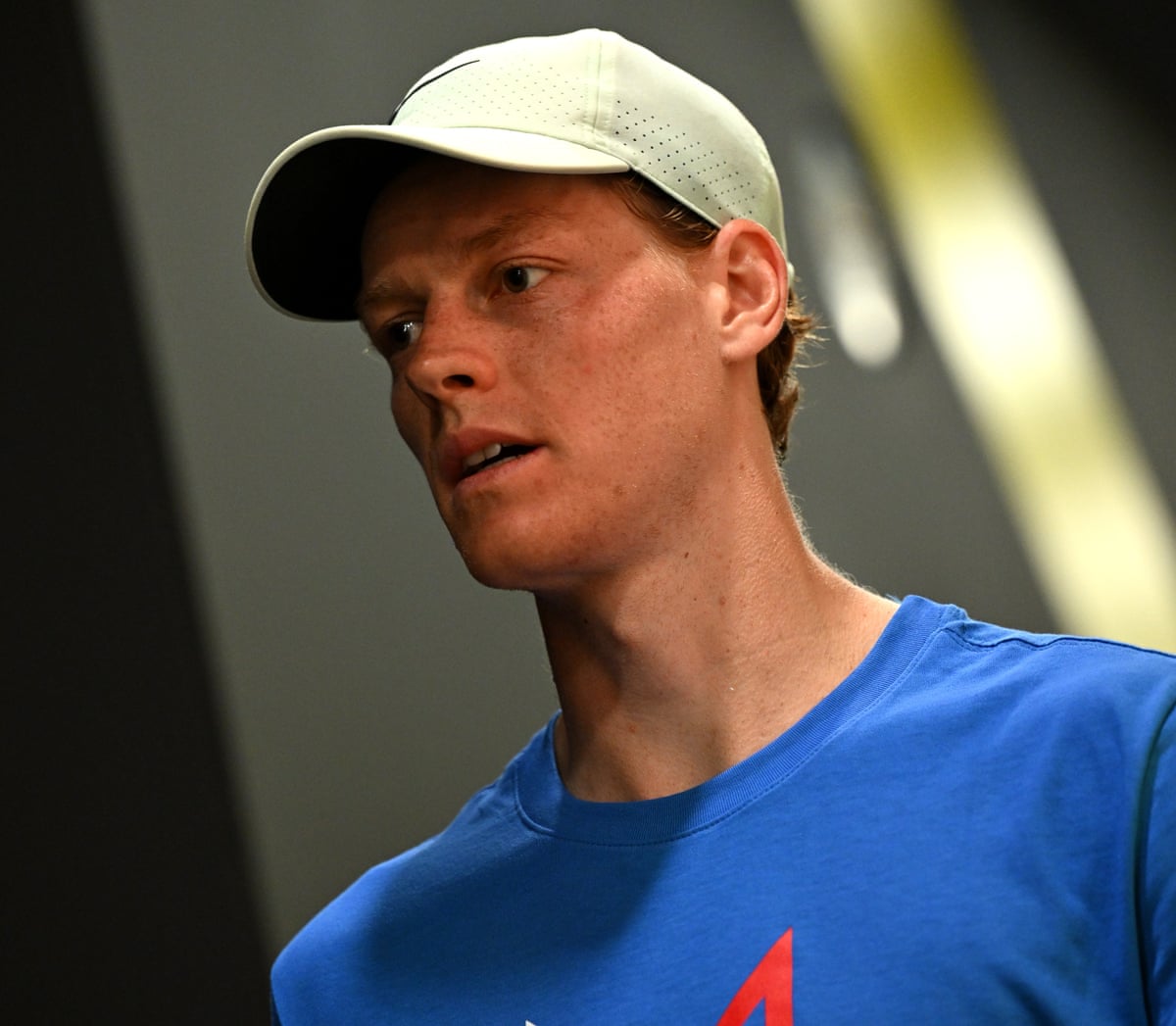
This week, however, the top male and female players have presented a more united front. Coco Gauff explained thoughtfully why the influence of top players positions them best to advocate for lower-ranked players. Iga Swiatek expressed dissatisfaction with the current grand slam revenue share, while Sinner issued one of his most forceful public statements, accusing the grand slams of lacking respect toward players.

Boycott Remains Unlikely Despite Rising Tensions
Despite the heightened rhetoric, the likelihood of an actual boycott remains low. Top players continue to earn substantial sums at major events and remain committed to their personal ambitions. Sabalenka is on track to become only the second female athlete in history to surpass $50 million in prize money, following Serena Williams. While change is desirable, these athletes are not in desperate positions. It is difficult to envision them jeopardizing their goals by skipping the tournaments they train rigorously for.
As multimillionaires advocating for increased pay, these players do not evoke sympathy. The strongest criticism against them is the considerable wealth they have already accumulated, much of it derived from prize money and exposure provided by the grand slams.
Grand Slams’ Wealth and Revenue Sharing Under Scrutiny
Nonetheless, the grand slams are even wealthier enterprises, and lucrative businesses do not inherently prioritize workers’ interests. They should be open to scrutiny and challenge. If the players’ demands are unrealistic, the grand slams should transparently explain why their current revenue-sharing model is fair.
The players’ concerns are legitimate. Currently, they receive only 13-15% of grand slam revenues. Roland Garros’s recent prize money announcement, which ignored player concerns, was a significant setback. Although the tournament claimed a 45% increase in prize money since 2019, adjusted for inflation, the increase amounts to only 14%. The grand slams’ continued refusal to address these concerns further alienates the players. Attention now turns to Wimbledon’s upcoming prize money announcement.
Grand Slams’ Perspective and Player Welfare
From the grand slams’ viewpoint, players are not as central as they perceive themselves to be. These events transcend the sport, their success and financial status the result of decades of growth, branding, and history. Most generated revenue is reinvested into the sport, including tournament infrastructure and national federations. For instance, 90% of Wimbledon’s surplus is allocated to the Lawn Tennis Association, the governing body for tennis in Britain, amounting to £48.1 million last year.
These arguments hold little weight for players, who remain the primary focus of the events as workers. Improved infrastructure benefits the tournaments themselves more than the players. Competitors from countries with minimal federation support, such as Belarus or Bulgaria, are understandably indifferent to the grand slams’ role as fundraisers for national federations in wealthy Western nations.
Calls for Constructive Dialogue
For over a year, the grand slams have largely ignored these demands. Tennis players have long sought increased compensation. While it may be tempting for the grand slams to maintain the status quo and challenge Sabalenka and her peers to follow through on boycott threats, a more constructive approach would involve engaging players in good faith as partners to reach a compromise.


