Arthur Fery’s Relentless Fight at Wimbledon
Who taught Arthur Fery when to concede defeat? It appears no one, as the British wildcard refuses to quit. Fery advanced to the fourth round by twice overcoming deficits of a set and a break in a fifth-set tiebreak. He repeated this resilience to reach the quarter-finals, rallying from a set and a break down against Grigor Dimitrov.
There are brick walls with more life in them. Against Dimitrov, the 23-year-old Fery, who had never progressed beyond the second round of a grand slam before, came close to losing multiple times. Yet, ultimately, he emerged victorious.
These are unusual times at SW19. Fery, a wildcard entrant, only entered the world’s top 200 rankings last year. Dimitrov was already competing on No 1 Court in the boys’ championship when Fery was first learning tennis. Dimitrov has been playing on Centre Court since Fery was in secondary school. Dimitrov stands six inches taller, is 12 years older, and with eight grand slam quarter-final appearances, holds vastly more experience at the highest level. Just two days prior, Fery had told the tournament organisers he would prefer to play on Court 18.
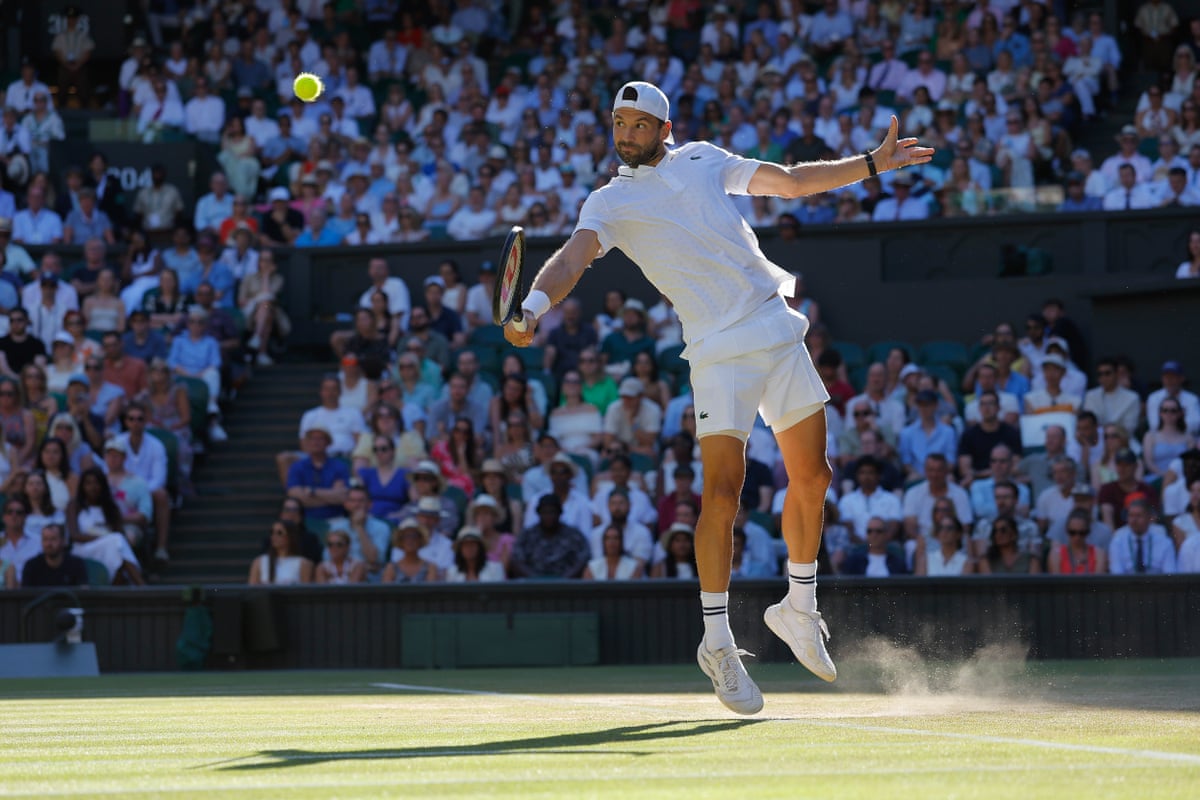
The Crowd and Conditions
The crowd was initially slow to engage, perhaps still gauging what to expect from the latest British hopeful. The heat was intense under the late afternoon sun, with parasols frequently appearing during breaks. A gentle breeze carried dandelion seeds over the stadium’s upper tiers. One wondered what wish Fery might make if he caught one.

Fery himself was slow to find his rhythm in his first Centre Court set. He failed to win a single point on Dimitrov’s serve during the first eight games. His own service games were a struggle. At deuce on his serve in the ninth game, something shifted. After Fery hit a forehand long, a voice from the back shouted,
“Come on Arthur!”The crowd suddenly awoke, erupting in cheers of
“Let’s go Arthur!”and
“You can do it Arthur!”
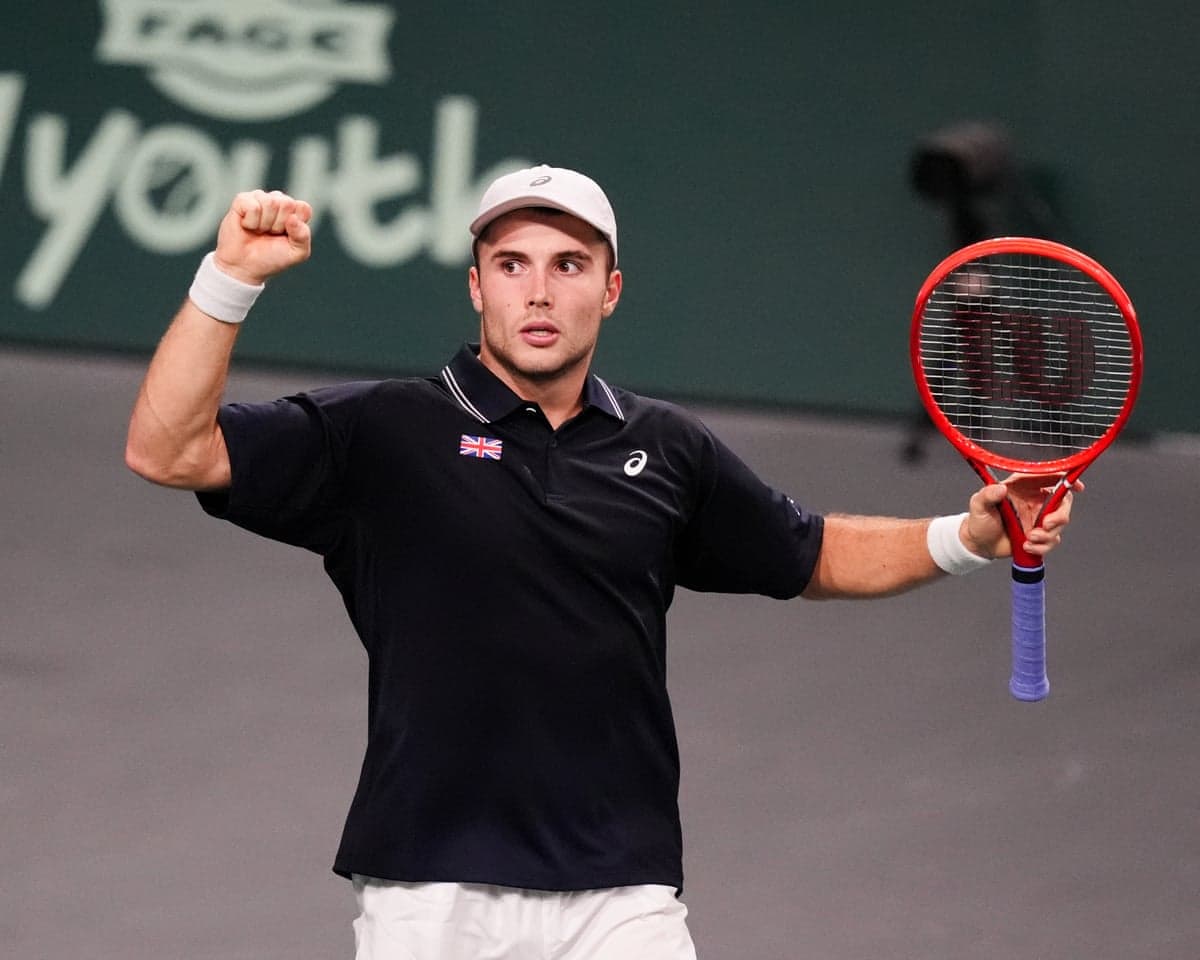
Remarkably, Fery held serve and celebrated loudly. Then, unexpectedly, he broke Dimitrov’s serve to love. Dimitrov, still regaining form after an injury that sidelined him during last year’s quarter-final run, began to falter. He missed two forehands, one into the net and one long. Fery converted the first of three break points and held serve to claim the set. For a brief, joyous moment, the improbable seemed possible.
Dimitrov’s Comeback and Fery’s Resilience
However, Dimitrov won the second and third sets and broke to lead 4-3 in the fourth. But Fery, remembered by many as the player who reached the fourth round during the football World Cup year, was not finished. At this turning point, Dimitrov appeared overwhelmed by a sudden crisis of confidence, losing the next eight points consecutively. The match progressed to a fifth set, with the crowd roaring in support, rhythmically clapping and chanting
“Arthur!” clap clap clap “Arthur!” clap clap clapas Fery energized them by waving his arms above his head.
A Summer to Remember
Some will recall this summer for the heatwave, others for Andy Burnham becoming prime minister, the knockout rounds of Wimbledon, Ben Stokes playing his last Test, or personal milestones such as marriage, divorce, loss, new relationships, holidays, academic achievements, or new jobs.
For Fery, it will be remembered as the summer he played on Centre Court, the very place he watched tennis as a child, and fought his way deep into the second week, reaching at least the quarter-finals. Perhaps he will go even further, and if he does, it may become a defining moment for all of us.