Frederick Gordon's Chess Journey Amid Exams
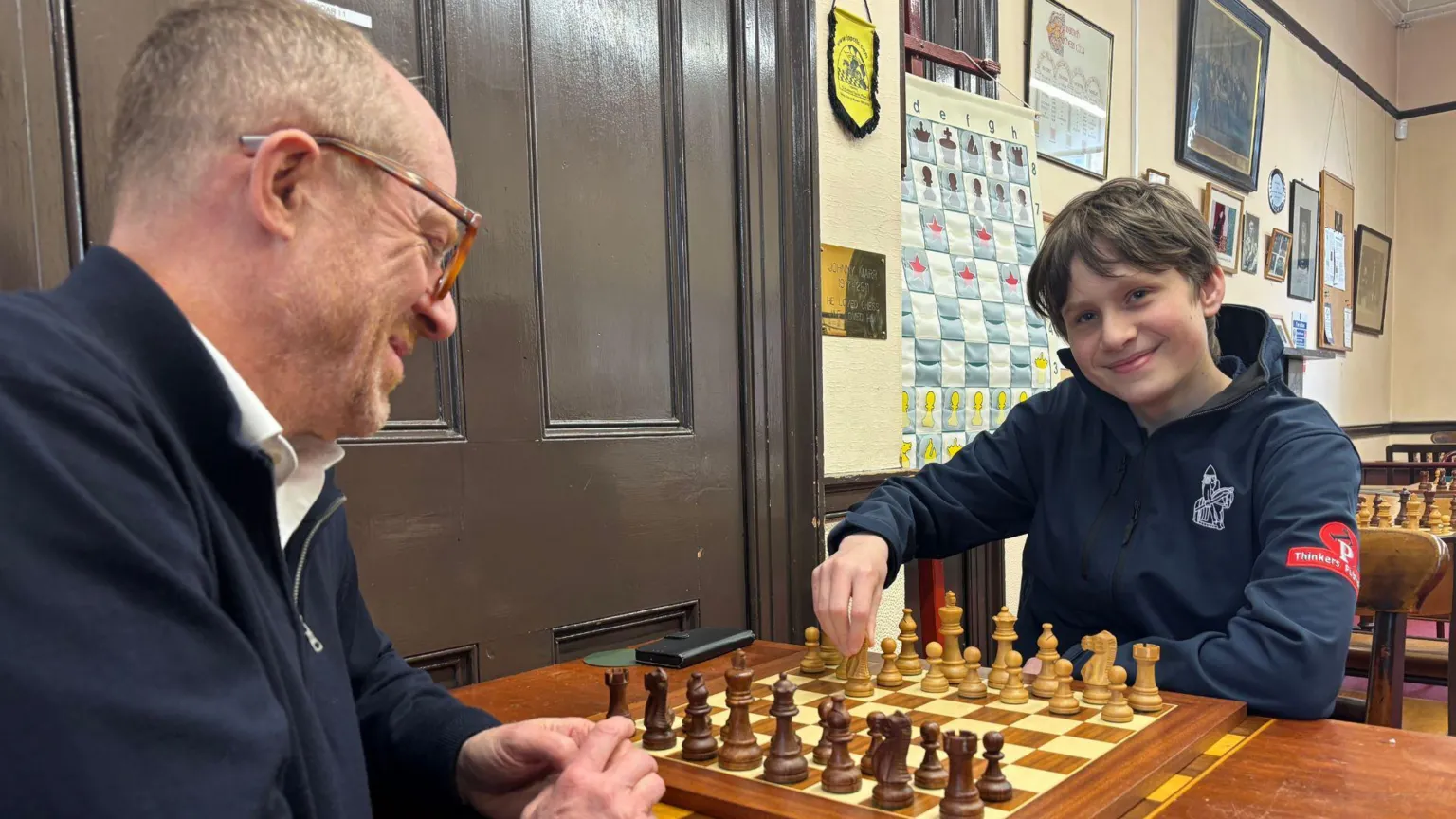
Frederick Waldhausen Gordon, a 15-year-old from Edinburgh, is currently preparing for his National 5 exams. Despite his academic commitments, he has made significant strides in the chess world, notably defeating multiple grandmasters.
Recently, Frederick won the British Rapidplay Championship, held last month, by defeating one of the world's top 100 players in the final. This victory marked him as the first Scottish player to claim this title. He is now preparing to represent the Scottish senior team at the Chess Olympiad in Uzbekistan later this year.
Before focusing fully on chess, Frederick must navigate his business studies exam scheduled for 24 April. He attends George Heriot's School.
"I just want to get better and just see what happens," he said. "I have my exams soon, obviously, so I just want to see where it takes me."
Frederick holds a world ranking of 1,037 by the International Chess Federation (FIDE). BBC Scotland interviewed him in 2021 after he defeated Croatian grandmaster Bogdan Lalic at the age of 10. Since then, he has attained the title of FIDE master, and the council is currently considering promoting him to international master.
At the Rapidplay Championship in Peterborough, Frederick defeated Gawain Mororoa Jones, a grandmaster ranked over 950 places higher than him. Reflecting on the tournament, Frederick shared his mindset during the final match.
"I never thought about winning on the journey down. I thought I was doing very well at the beginning, it was a very steady game," Frederick said. "I just wanted to keep calm, but on the final move, I knew I was winning and there was nothing else he could do."
"I don't know how many grandmasters I have beaten now. I try not to count them to be honest because I want to keep on getting better and some point to become a grandmaster and at that point, you need to beat other grandmasters."
Rapidplay chess differs from classical chess in the duration of matches and the time allocated per move. This format requires more instinctive play, increasing the risk of errors due to time pressure and reducing the likelihood of draws.
"I like the fast chess a lot more," Frederick said. "If I play classical against someone it is much harder to beat them than a rapid one. But it is also much easier to lose, so it is more interesting."
Sports Stars Fueling Chess Popularity
Chess has experienced a resurgence in popularity among younger players, partly influenced by elite athletes who are avid chess enthusiasts. Carlos Alcaraz, the world's number one ranked tennis player, and Victor Wembanyama of the NBA's San Antonio Spurs are notable fans of the game.
Additionally, Manchester City striker Erling Haaland recently announced an investment in the FIDE-backed Total Chess World Championship Tour alongside grandmaster Magnus Carlsen.
In England, chess has benefited from government funding. Chancellor Rachel Reeves, a former junior champion herself, announced a £1.5 million fund aimed at identifying, supporting, and elevating players to compete globally.
While the English team will attend the Olympiad in Samarkand this September supported by government funding, Chess Scotland is relying on a crowdfunder to support its players.

Edinburgh Chess Club: A Historic Hub
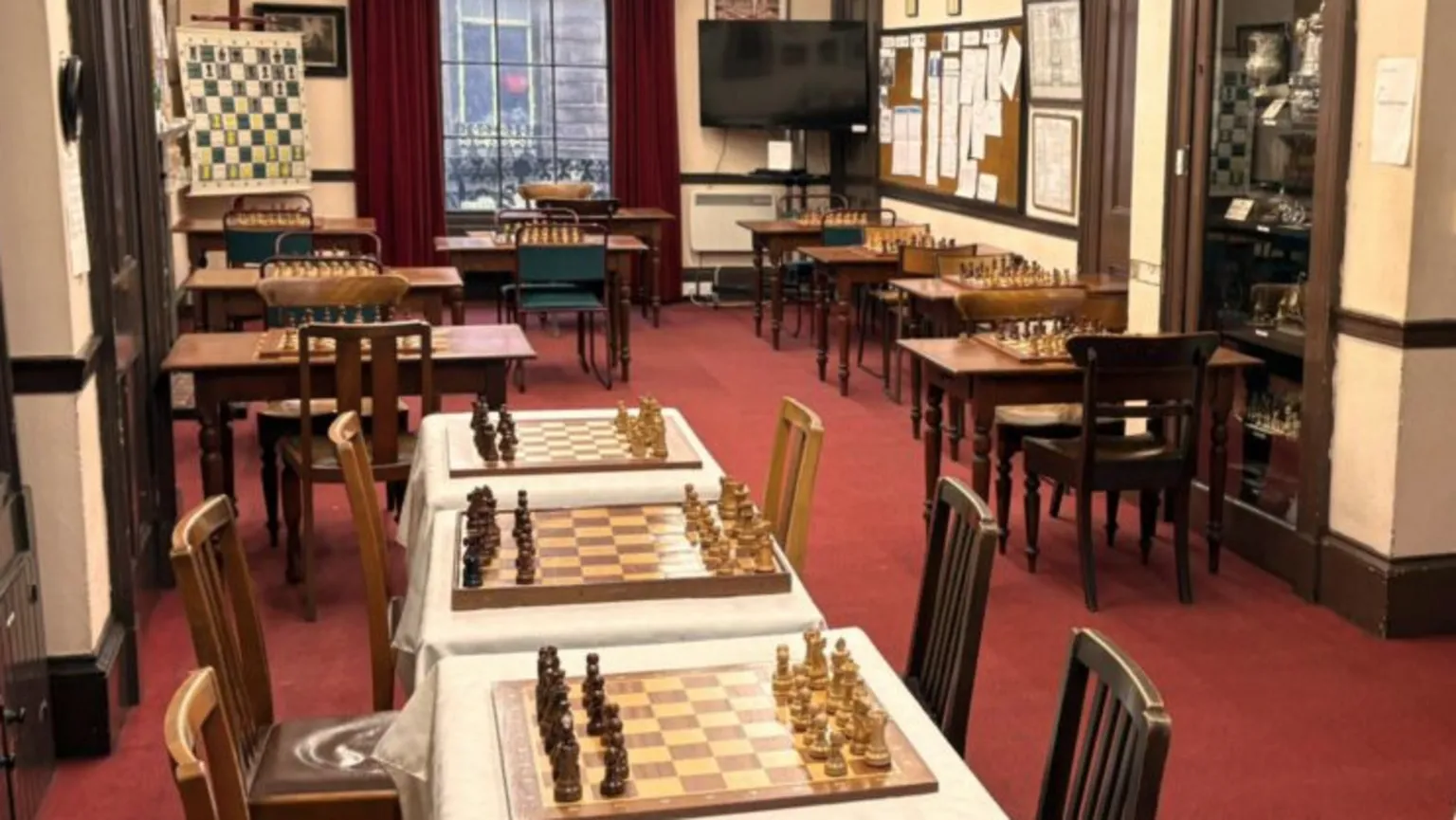
Located in an unassuming tenement block on Alva Street, the Edinburgh Chess Club has been a gathering place for Scotland's best players for over 200 years. The club's entrance is modest, with no signage indicating its historic significance, and a neighbor's bicycle partially obstructs the stairwell.
Inside the first-floor flat, the walls and shelves are filled with chess literature, and the main room contains about a dozen tables set up for play.
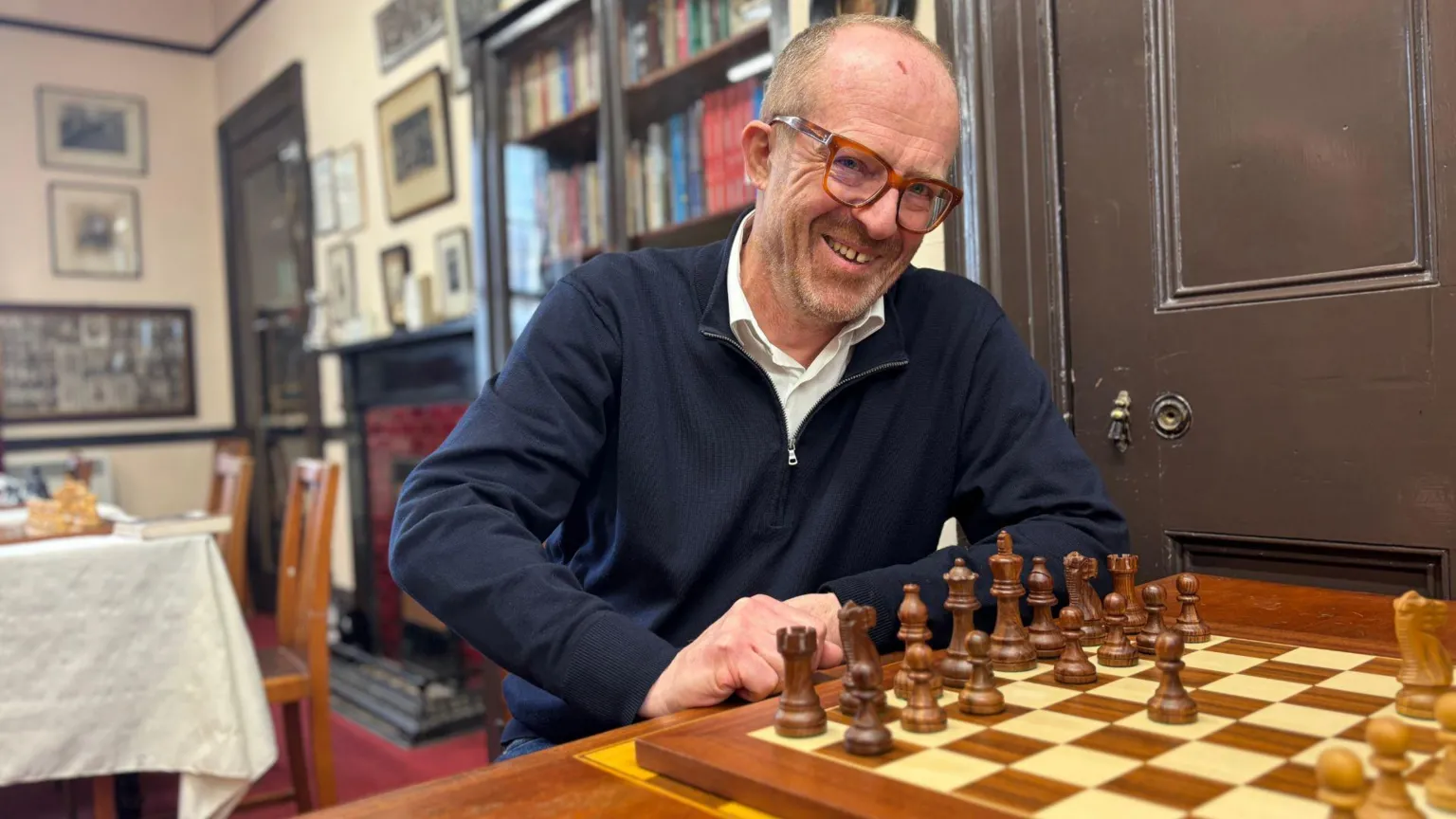
The club's president, Craig Thomson, acknowledged Scotland's achievements in chess but emphasized the need for greater support to nurture future talent.
"This club is 200 years old, we could do with some new carpet," he said. "Scotland is not the centre of chess, we're a very small chess country, but Frederick's success shows what is possible here.
All activities that are community-based, or sport-based, there are limited funds. Chess struggles, certainly in Scotland, but that has been put right a little in England recently."
"We're lucky enough to have some fantastic junior players, but everything around it, it's all voluntary."