

Early Days of Synchronised Swimming
When Mary Black began synchronised swimming nearly 90 years ago, the sport was vastly different from what it is today.
There were no acrobatics, sequined costumes, or music, and it was not even recognised as a sport.
"We would swim one length breaststroke, one length backcrawl and one length side stroke all in time with each other and in a V-formation," the 95-year-old told the BBC.
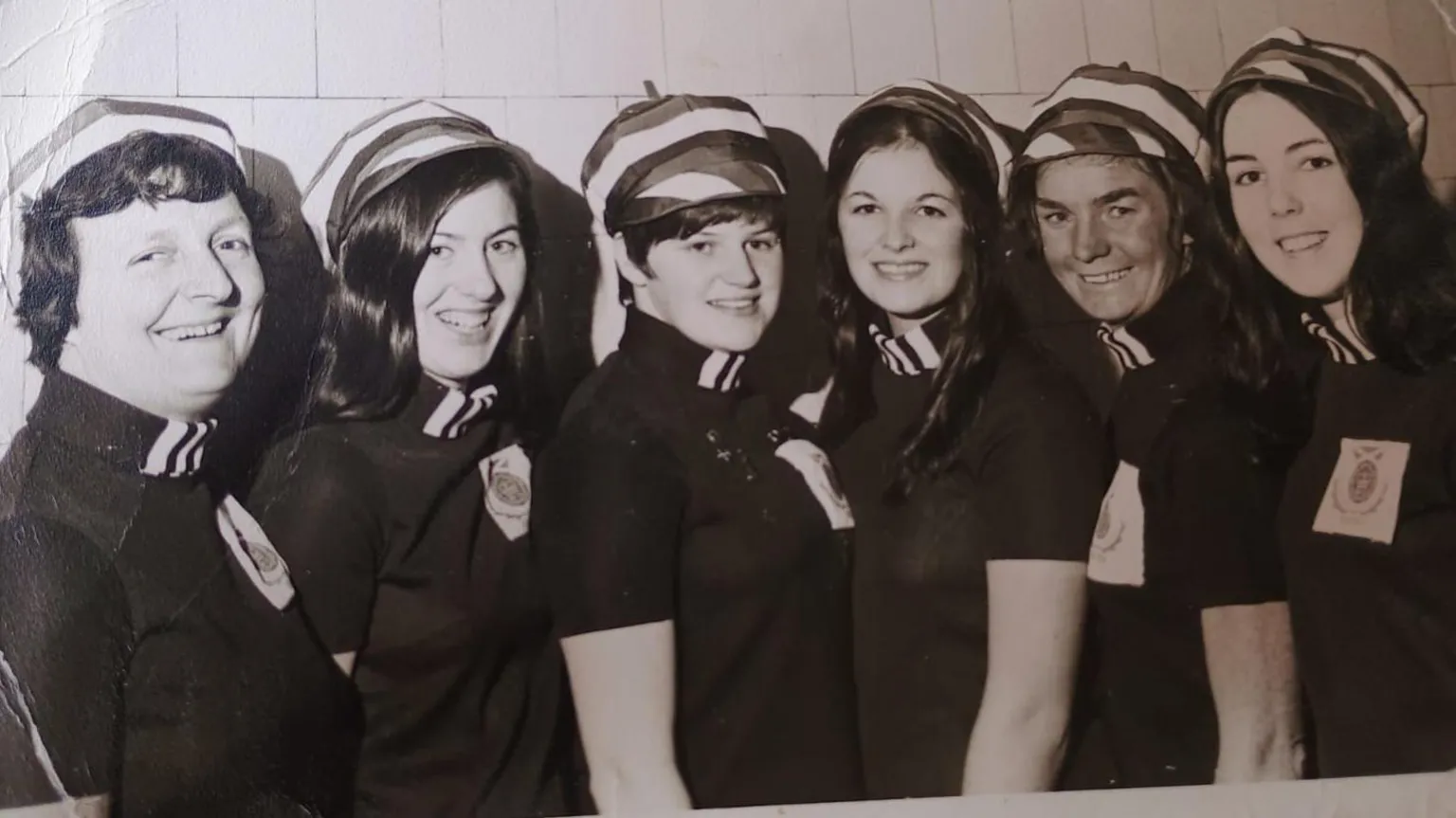
As synchronised swimming gained popularity worldwide and incorporated more technical and complex movements, Mary established "Scotland's first synchro team" in Clydebank, becoming a pioneer for the sport as it is known today.
Mary was born in Clydebank in 1930, during a period of financial hardship and unemployment in the shipbuilding town.
"In Clydebank people worked in factories and tenements and did not have baths so most people would go to the swimming pool to wash," she said.
"The town had two swimming pools. One was a short 20-yard pool and the other was a 25-yard competition pool, which we called the 'new baths'."
Mary explained that most swimming pools in Scotland at the time had a general swim team and a "ladies section" that taught display or formation swimming.
"We would have a display at every annual swimming gala, which the baths manager would organise," Mary said.
"He would choose eight ladies who were all similar in size and capable of the same type of strokes, then he would train us."
Initially, there was no music when Mary joined the group, but it was soon decided that a background track was necessary for their movements.
"The first time I remember swimming to music, there was a man sitting at the side of the pool playing his piano-accordion and we swam along to the tunes he chose," she said.
"After a while we used a tape recorder, which was put in front of the pool's Tannoy system so the spectators in the balcony could enjoy the music and we could hear it in the pool."
Mary and her team performed at opening ceremonies for new pools built after World War Two in locations such as Gourock and Helensburgh.
"I've got memories of these wonderful outings and going on the train to all these different places," she said.
"I was very fortunate to grow up with a swimming pool and have these opportunities in such a hard time."
Growth of Synchronised Swimming Globally
At the same time, synchronised swimming was gaining popularity in the United States and Canada.
Katherine Curtis is widely recognised as the sport's originator, having started a "water ballet" club at the University of Chicago that performed stunts and floating formations.
American competitive swimmer and actress Esther Williams popularised the sport further when she portrayed Australian swimmer Annette Kellerman in the 1952 film Million Dollar Mermaid.
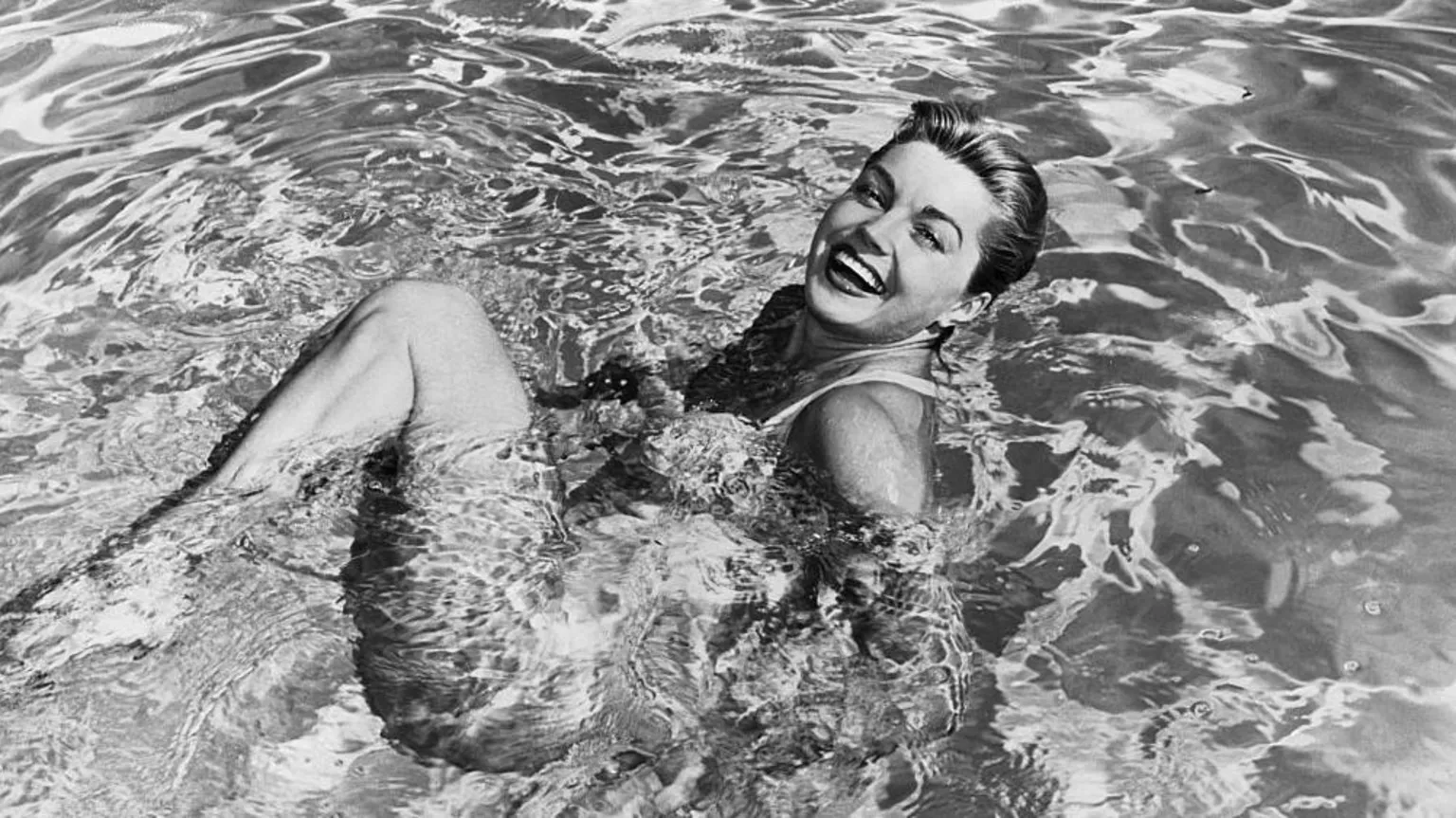
"Having swum from shallow end to deep end in time with each other and to the music, we thought we had been doing 'synchronised swimming' but this was an entirely different thing," Mary said.
"It grew like Topsy and I feel very privileged that I was able to be a part of it."
Mary's Coaching and Formation of Scotland's First Synchro Team
In the early 1960s, Mary began coaching and attended courses at Crystal Palace in London led by Dawn Zajak, who had founded the first synchronised swimming club in the UK after becoming interested in the sport during a visit to California.
Mary introduced the latest techniques and developments she learned back to Clydebank and applied them with her team, which was soon named the Marlins.
Thus, "Scotland's first synchro team" was established.
"Other clubs started to form when people saw what the Seymour club in London was doing and groups opened everywhere where there was a decent swimming pool," Mary said.
"As people moved around, there were new ideas and applications of ideas, it didn't ever seem to rest and there was always something new happening."
The Marlins performed at local and national swim meets throughout Scotland, including a demonstration at the 1970 Commonwealth Games in Edinburgh.
They also participated in international events, with Mary recalling the Marlins performing in Valletta harbour during Malta's first international water polo competition in 1972.
International Involvement and Olympic Contributions
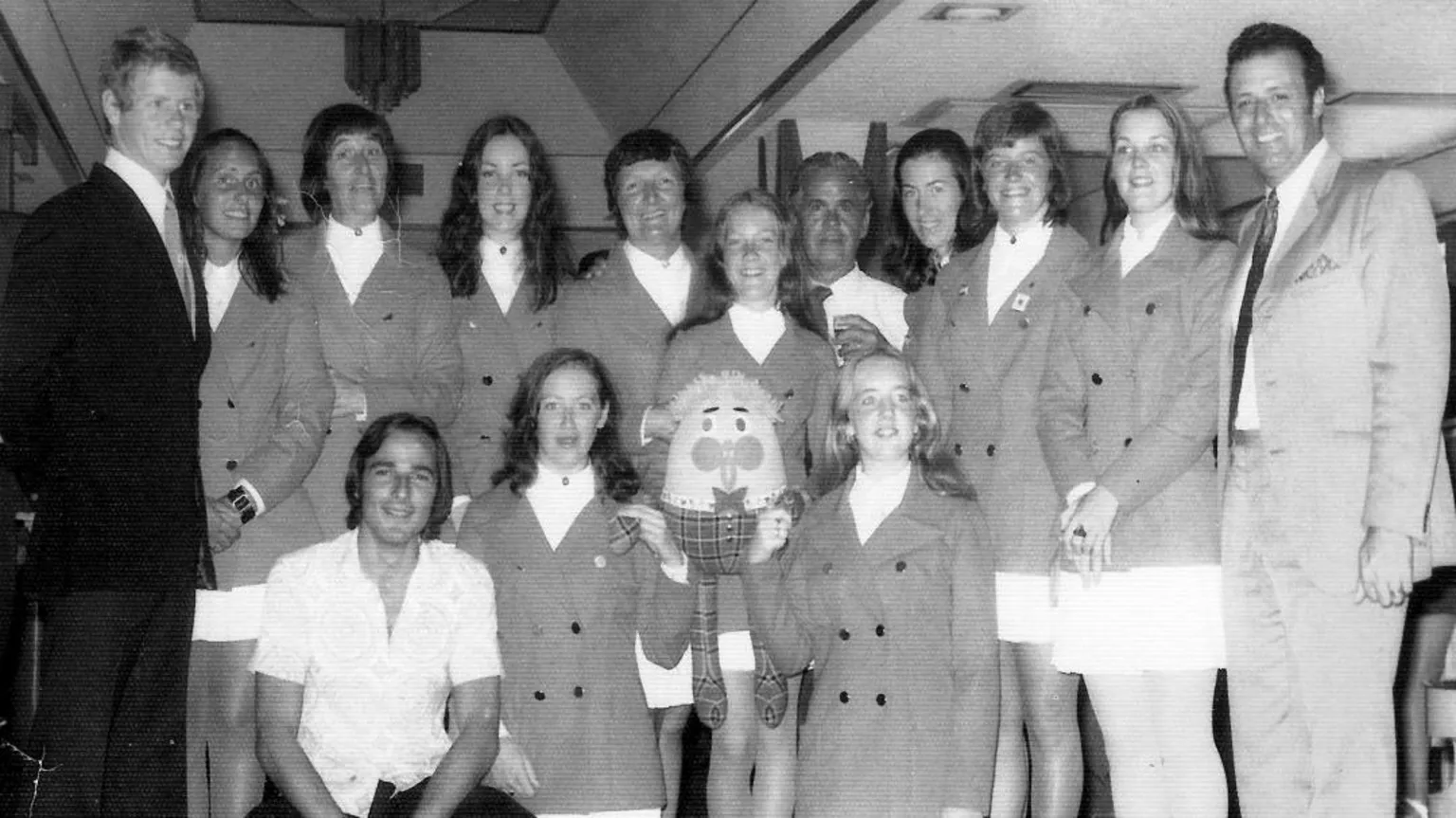
In 1968, Mary attended a seminar at the Mexico City Olympics aiming to include synchronised swimming as an official Olympic sport.
"We were just a group of like-minded people who wanted to develop the sport," she said.
By 1974, Mary had become chair of the International Synchronised Swimming Coaching panel.
Synchronised swimming was officially added to the Olympic program in 1984 in Los Angeles, where Mary was selected as a judge, marking a career highlight.
She subsequently served as an event referee at the 1988, 1992, and 1996 Olympic Games, and as a judge at other major competitions including the Commonwealth and Pan American Games.
Mary and her husband Bill, who was also deeply involved in aquatic sports, developed the Judges' Evaluation criteria document, which established the rules and conditions for the sport.
This document evolved into the Synchronised Swimming Operating Manual used at all international competitions to assist in scoring routines, which now often incorporate gymnastics and diving skills alongside traditional technical elements.
Leadership and Legacy in Scottish Swimming
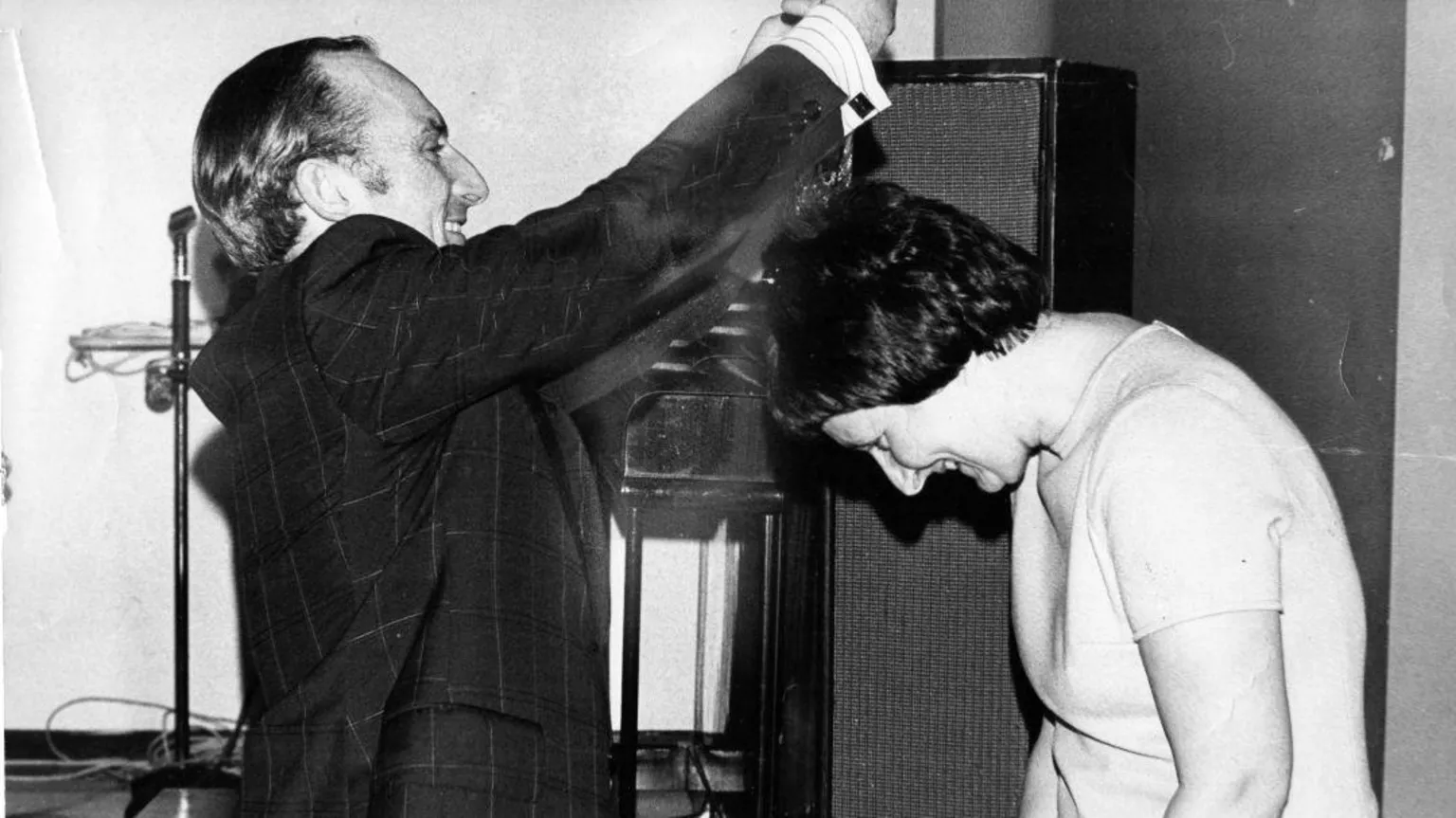
Mary was the first woman to become president of the Scottish Amateur Swimming Association and the first individual, regardless of gender, to serve two consecutive terms in 1976 and 1977.
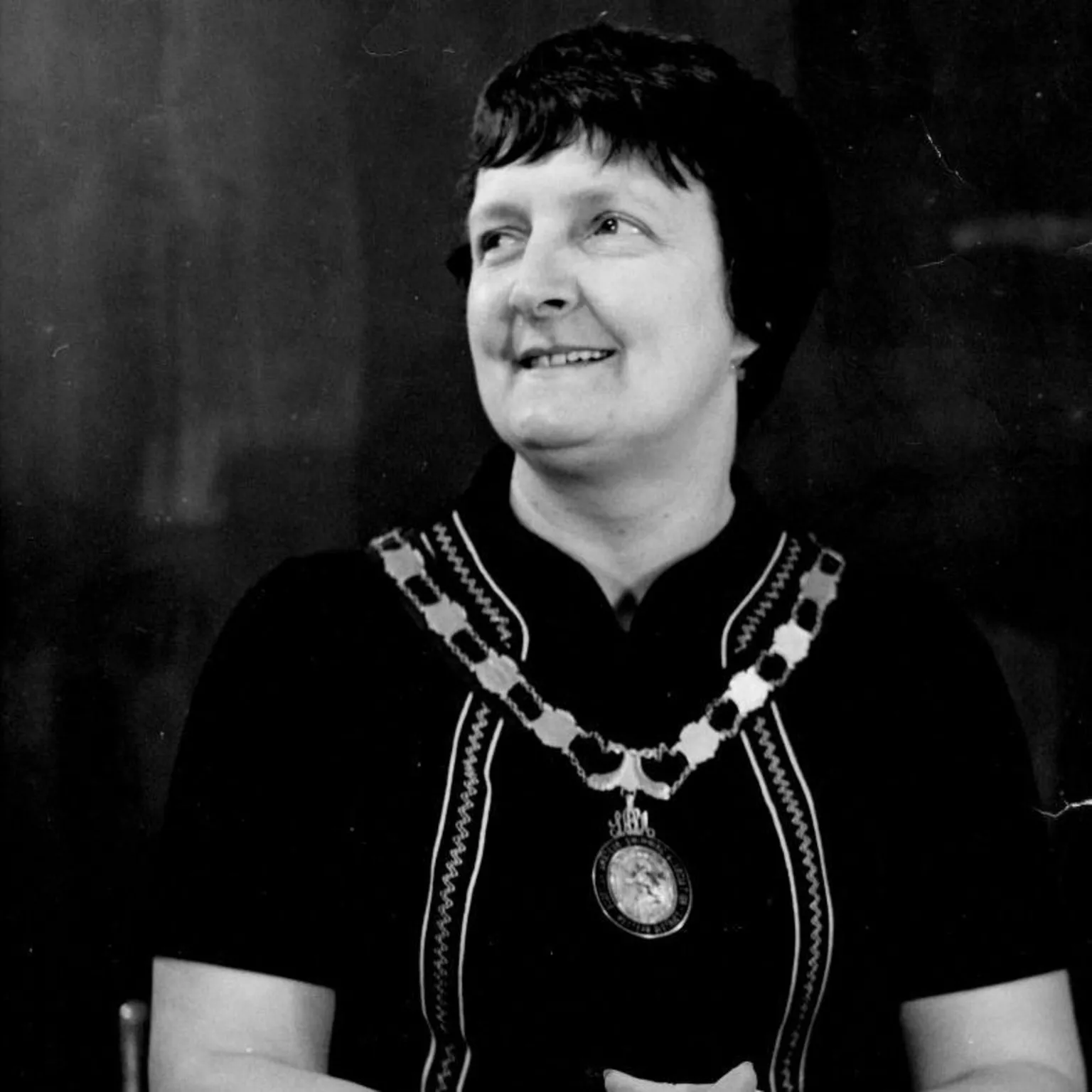
Beyond synchronised swimming, Mary engaged in youth work and taught physical education at the local college in Clydebank.
"It was great to be involved in everything," Mary said.
"I have been there through the ages of the development of synchronised swimming both globally and in Scotland.
"I'm most proud that I was the first ever Clydebank swimmer to be on an Olympic committee but I will definitely not be the last."
Recognition and Induction into the International Swimming Hall of Fame
Mary has been inducted into the International Swimming Hall of Fame (ISHOF) in Fort Lauderdale, Florida, joining renowned figures such as Esther Williams, Johnny Weissmuller, and Buster Crabbe, whom she described as her "heroes."
Other notable inductees include 28-time Olympic medallist Michael Phelps, International Olympic Committee president Kirsty Coventry, and Scottish swimmer David Wilkie.
"I was all surprised and I couldn't quite take it in," Mary said.
She looks forward to traveling to the United States with her son to see her name displayed alongside these greats for the first time.


