

Introduction to 2026 F1 Regulation Changes
In one week, a new chapter in Formula 1 will commence as the Australian Grand Prix in Melbourne marks the start of the 2026 season under significantly revised regulations. These changes introduce an element of unpredictability, reshaping the sport’s technical and competitive landscape.
The cars have been redesigned to be smaller and lighter, aiming to enhance agility, driving experience, and race quality. The wheelbase has been shortened by 20cm to 340cm, and the width reduced by 10cm to 190cm. Combined modifications to the chassis and engine have lowered overall weight by 30kg. Drivers, including Lewis Hamilton, have expressed enthusiasm about the improved handling of these more responsive vehicles. Although the new cars will generate approximately 40% less drag, they will produce less downforce and will be slower than last year’s models, expected to be about one to two seconds per lap behind previous times.
Alongside these physical changes, the introduction of new hybrid engines and a range of technological innovations have introduced new terminology such as active aero, boost mode, and super-clipping. The following sections provide a comprehensive technical overview of the key 2026 F1 regulation changes.
New Hybrid Engines
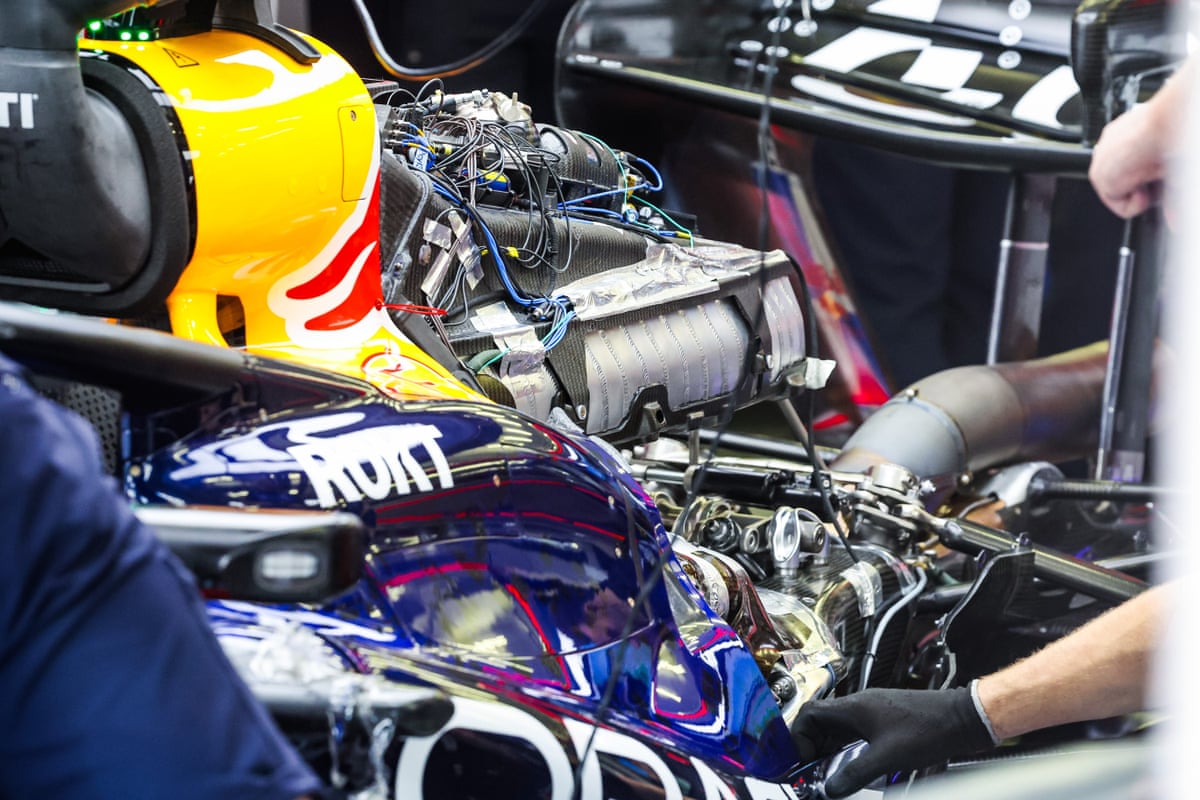
The most significant technical development is the adoption of new hybrid power units, which now deliver nearly equal power from the internal combustion engine (ICE) and electrical energy. The 1.6-litre V6 turbocharged ICE, running on fully sustainable fuel, produces approximately 400KW (536bhp). This is paired with the motor generator unit – kinetic (MGU-K), which can generate up to 350KW (469bhp), representing an almost 300% increase in electrical energy output compared to last year.
Notably, the motor generator unit – heat (MGU-H) has been removed. Previously, the MGU-H harnessed energy during off-throttle periods to maintain turbo speed and prevent turbo lag, which is the delay in power delivery as the turbo spools up.
Turbo lag now presents a challenge for drivers and teams, particularly at race starts and corner exits. To mitigate this, the FIA has trialled a new starting procedure involving a five-second hold on the grid, allowing cars to spool their turbos before the race begins. Drivers are also experimenting with cornering in lower gears to keep engine revs high, aiding turbo performance and energy harvesting. Some teams, such as Red Bull, have opted for smaller turbos, benefiting from quicker starts and strong corner exit speeds.
Active Aerodynamics
To reduce aerodynamic drag and compensate for the electrical energy depletion at the end of straights, both front and rear wings can now open on straights and close through corners. This system replaces the previous Drag Reduction System (DRS), which was limited to the rear wing and has now been removed. The new active aero is available to all drivers at all times, operating in designated "straight mode" zones before reverting to the default "corner mode" elsewhere on the circuit. Ferrari has even experimented with an innovative design that flips the entire rear wing upside down to achieve similar effects.
Overtake Mode
After 15 years, the DRS has been replaced by a driver-controlled overtake mode. This mode can be activated when a driver is within one second of the car ahead at a designated detection point. Upon activation, it deploys additional electrical energy to increase speed and assist overtaking. Drivers may use this energy in a single burst or in smaller increments throughout a lap, up to a predefined energy limit.
Energy used in overtake mode must be recovered afterward, allowing cars that have been overtaken to potentially regain position by harvesting energy. Four-time world champion Max Verstappen has suggested this could lead to unusual overtaking scenarios and a "yo-yoing" effect of positions during a lap.

Boost Mode
Boost mode enables drivers to manage power delivery from the electrical system directly, a function previously controlled largely by software and engine mapping. Drivers can deploy additional electrical energy at their discretion for attack or defense at any point during a lap, utilizing up to the maximum 350KW available. However, as with overtake mode, the energy used must be subsequently recovered.
Recharge Mode
Effective management of electrical energy has become crucial. Drivers must maintain energy levels throughout a lap using techniques such as braking energy recovery, lift and coast strategies, and maintaining high revs through corners in lower gears. A notable new technique is "super-clipping," where the hybrid system recharges the battery at full throttle at the end of straights, which temporarily reduces power and speed.
These energy management demands have drawn criticism from drivers, who argue that even qualifying laps may require energy conservation rather than full attack. Should these factors significantly impact racing quality, Formula 1 and the FIA are expected to intervene and adjust regulations accordingly.
Flat Floors
The ground-effect era, which began in 2022, ends in 2026 with the return of flat floors. Ground effect utilized venturi tunnels under the car floor to generate high downforce through low-pressure airflow. While effective in producing downforce, this approach was unpopular due to handling characteristics and limited ability for cars to follow closely.
With flat floors reinstated, the rear diffuser regains importance, though downforce is expected to decrease by approximately 15-30% in 2026. Drivers will need to adapt to these changes, though teams are anticipated to develop solutions to regain performance as the season progresses.
The wheels remain 18 inches in diameter, but the tyres have been narrowed by 25mm at the front and 30mm at the rear. This reduces drag and weight but also decreases the contact patch, lowering mechanical grip. Drivers and teams will need to understand how these new tyre dimensions affect degradation across different circuits, temperatures, conditions, and race distances.
Fully Sustainable Fuel
Fuel manufacturers face a new technical challenge as all fuels must now be certified 100% sustainable by the FIA. Sustainable fuels may be synthetic, produced using sustainably sourced hydrogen gas and carbon monoxide, or biofuels derived from non-food biomass or waste products to avoid impacting the food chain. This area is expected to become a competitive battleground, with manufacturers seeking fuels that offer optimal performance and efficiency.
Impact on Driving
The increased role and capacity of electrical energy in power delivery and recovery will fundamentally influence racing strategy. Engineers will prioritize efficiency in energy management, which could become a key differentiator. For example, Red Bull has already demonstrated superior energy recovery and deployment compared to rivals.
Drivers who adapt quickly to these new demands, mastering the required driving style and tactical options, will gain a competitive advantage. The complexity of in-the-moment tactical and strategic decision-making presents a significant challenge. Many drivers, including Max Verstappen, have expressed concerns that energy management detracts from the pure racing ethos. In response, Formula 1’s chief executive, Stefano Domenicali, has urged patience as the sport adjusts to these changes.
"It could lead to unusual overtaking opportunities and to the potential ‘yo-yoing’ of positions across a lap," said Max Verstappen regarding overtake mode.
"Energy management across a lap is antithetical to the idea of racing," Verstappen has expressed, while Stefano Domenicali has called for calm as the sport adapts.


