Miami Upgrades Signal a Competitive 2026 F1 Season
Following an engaging race at the Hard Rock Stadium in Miami, Formula One has indicated the potential for a compelling 2026 season, where Mercedes may no longer dominate unchallenged. Despite the long season ahead, the recent developments suggest a more contested title race.
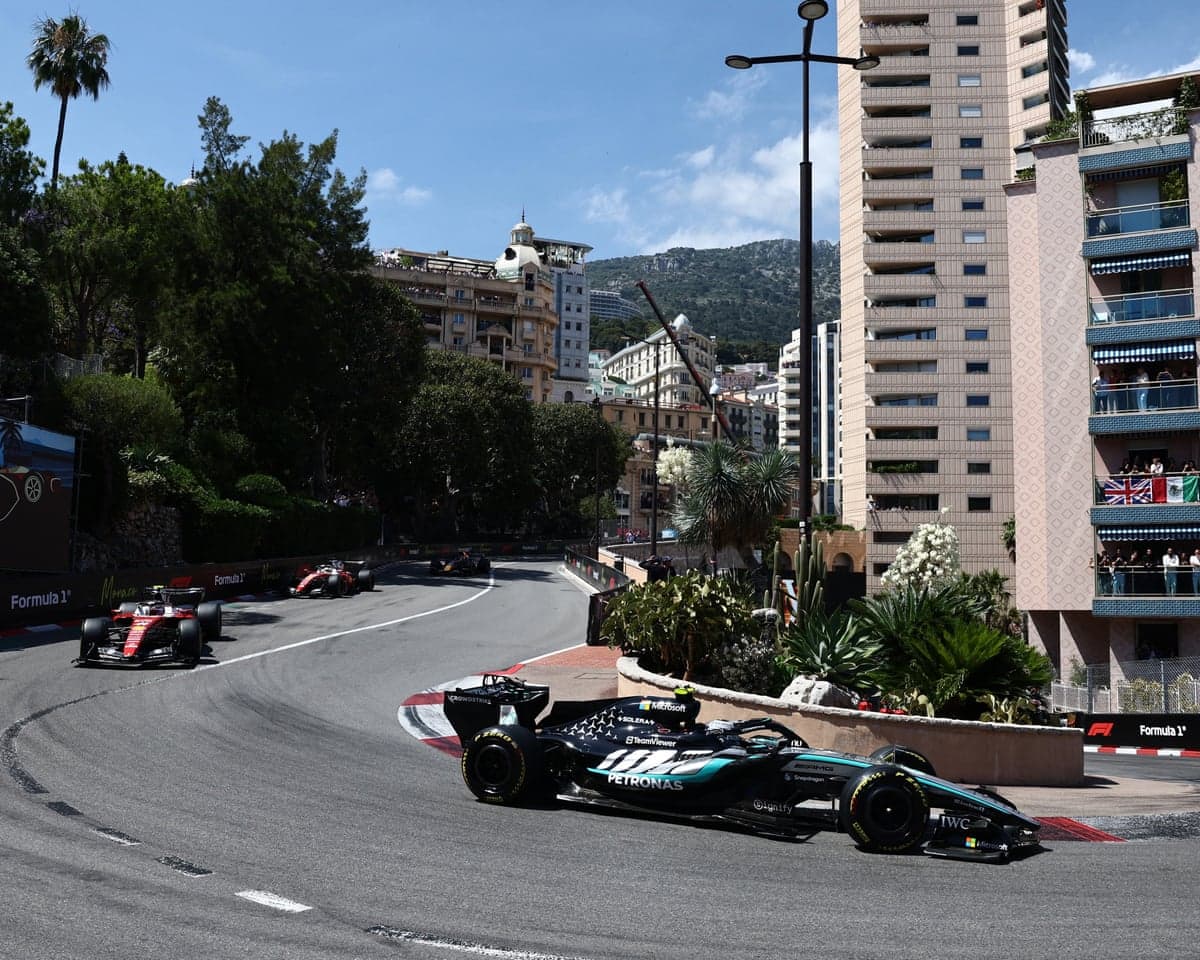
While regulation changes have been a major focus, the key takeaway from Miami was the significant impact of upgrades on team performance. Mercedes had demonstrated formidable strength with three consecutive wins in the first three rounds before a five-week hiatus caused by the cancellation of the Bahrain and Saudi Arabian Grands Prix. During this break, many teams, including McLaren, Red Bull, and Ferrari, introduced substantial upgrades, whereas Mercedes did not.
The race results clearly showed that the new regulations offer considerable opportunities for performance gains, setting the stage for an intense development battle throughout the season. McLaren and Red Bull made remarkable progress. In the sprint race, McLaren drivers Lando Norris and Oscar Piastri secured a one-two finish, and Norris nearly won the Grand Prix, only hindered by a pit stop strategy and its execution.
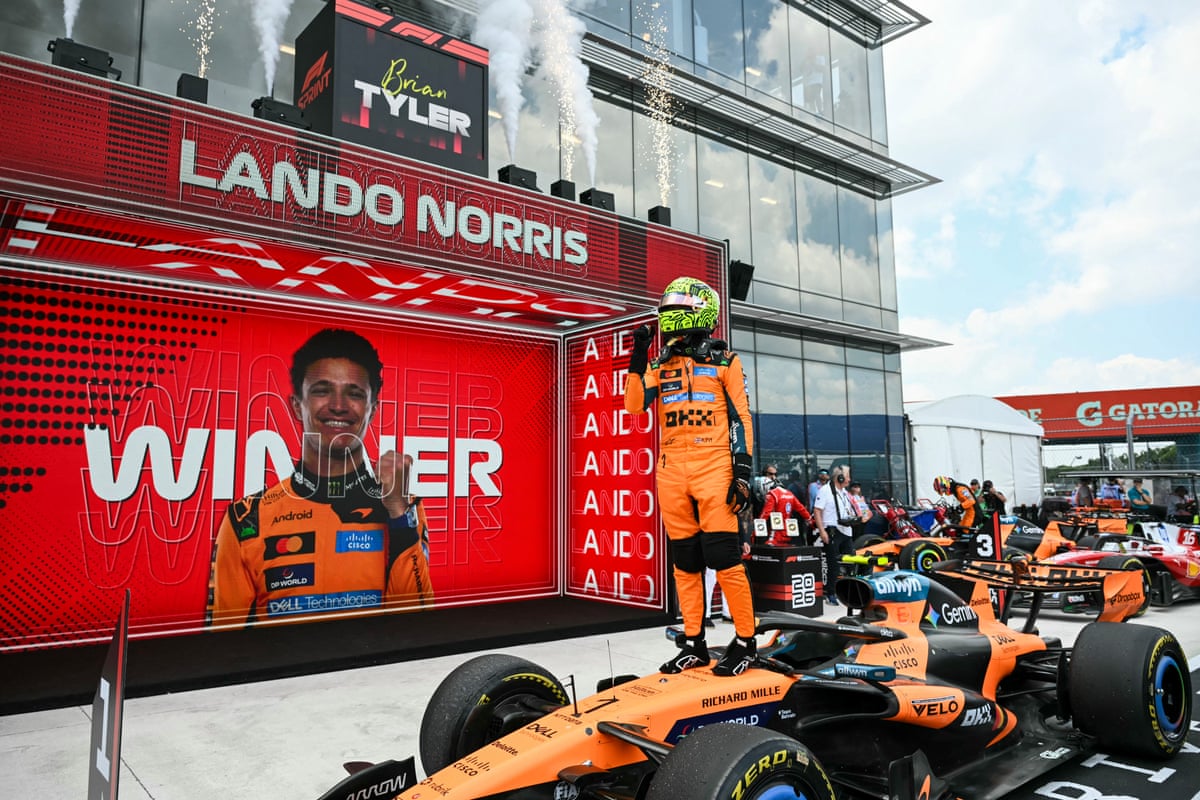
McLaren re-established themselves at the front in Miami, a venue where they have historically performed well. Team principal Andrea Stella estimated that Mercedes still held a one to two-tenths advantage, but on track, Norris appeared to be very close in pace.
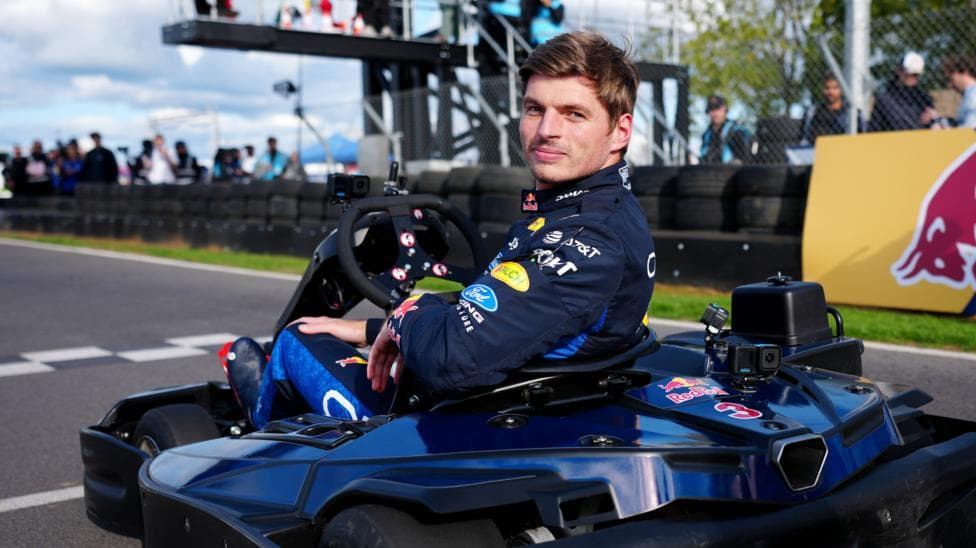
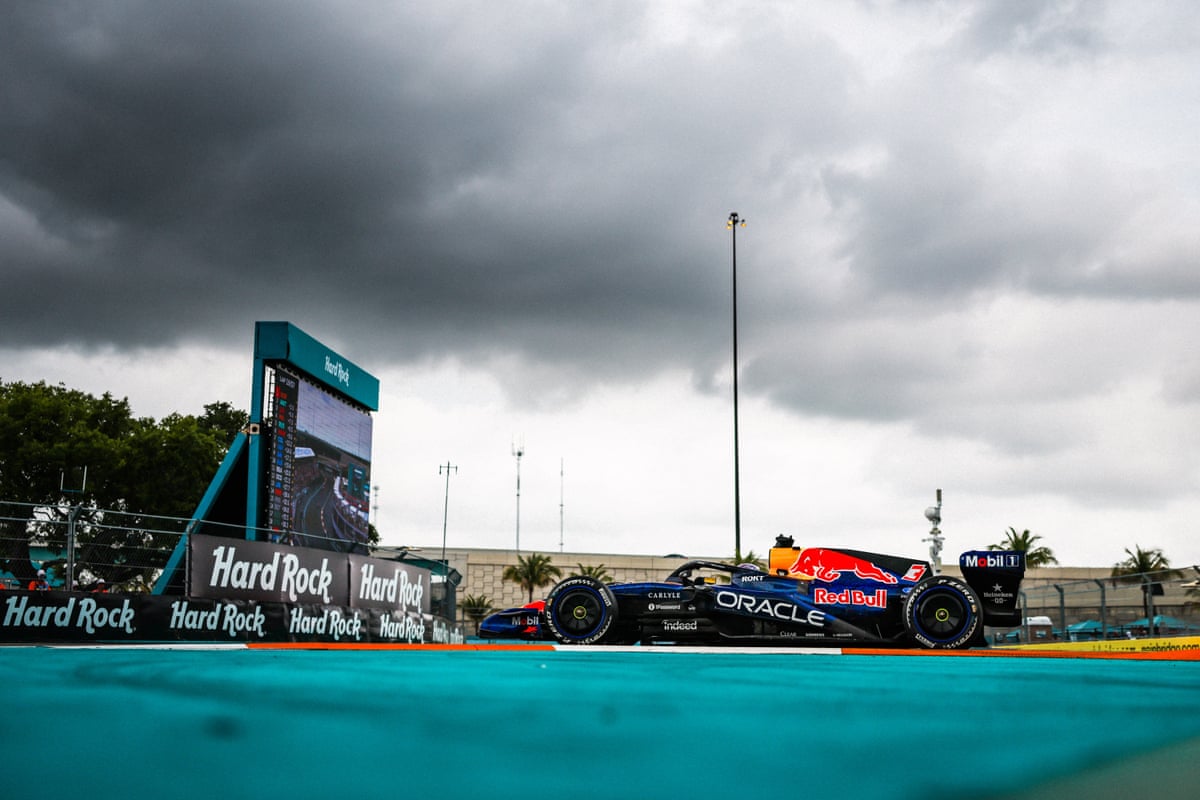
Red Bull also showed a strong resurgence. After three uncompetitive races, they introduced aerodynamic upgrades and steering modifications, enabling Max Verstappen to find the car's performance he had been seeking. Verstappen qualified second and, despite an early spin on the opening lap, would likely have contended for victory.
Ferrari, meanwhile, did not advance as significantly as their rivals. Charles Leclerc showed potential as a genuine contender early in the race, but his pace diminished, a recurring issue this season. He cited insufficient race pace and severe tyre degradation as factors. Although Ferrari's car has potential, it has yet to match the progress of McLaren or Red Bull.

Further developments are anticipated for upcoming rounds. Red Bull plans to introduce a new front wing in Canada, while Mercedes will bring their first major upgrade to the W17 in Montreal. The ongoing development battle is expected to intensify, with teams investing in improvements not only for immediate gains but also to inform next year’s car design. This engineering competition promises to remain fiercely contested.
Mixed Reactions to Regulation Adjustments on Energy Management
The reception to the recent regulation changes aimed at addressing driver dissatisfaction with energy management was lukewarm. These adjustments, which involved tweaks to the parameters governing the recovery and deployment of electrical energy, were welcomed but deemed insufficient to resolve drivers’ concerns.
"Drivers were still penalised for pushing the cars and that the only answer was to ."
This sentiment was echoed by Max Verstappen, who, despite enjoying a more competitive car in Miami, stated:
"It’s still punishing you. The faster you go through corners, the slower you go on the next straight."
Miami is considered an "energy-rich" circuit due to its numerous heavy-braking zones, which facilitate energy recovery and reduce the need for drivers to lift and coast or use super-clipping techniques that slow the car. At more "energy-starved" circuits, where energy recovery is limited, driver dissatisfaction with the current system is expected to intensify.
The Impasse Between Drivers and F1’s Regulatory Direction
After four races, it has become apparent that Formula One faces a stalemate. Drivers remain unhappy with the current regulations, yet the sport celebrates the increase in overtaking opportunities. The Miami crowd responded enthusiastically to the on-track battles involving Leclerc, Norris, and Kimi Antonelli, highlighting the entertainment value of the new format.
This dynamic, sometimes described as a "Mario Kart" or yo-yo effect, divides opinion. Critics argue it is artificial, akin to the previously criticized Drag Reduction System (DRS), while F1 maintains that fan feedback has been positive. Mercedes team principal Toto Wolff expressed a blunt view on the matter:
"Anyone who did not find the race in Miami entertaining should do one."
Despite the excitement generated by increased overtaking, the fundamental issue remains that leading drivers continue to express dissatisfaction with the driving experience under the new regulations. This disconnect cannot be overlooked as the 2026 season progresses.