

Early Beginnings and Racing Career
Allan McNish began racing shortly after learning to walk, embarking on a motorsport journey marked by significant achievements and challenges. Throughout his distinguished career, he won the 24 Hours of Le Mans three times, yet also faced tragedy, including a crash at Donington Park in 1990 that resulted in a spectator's death.
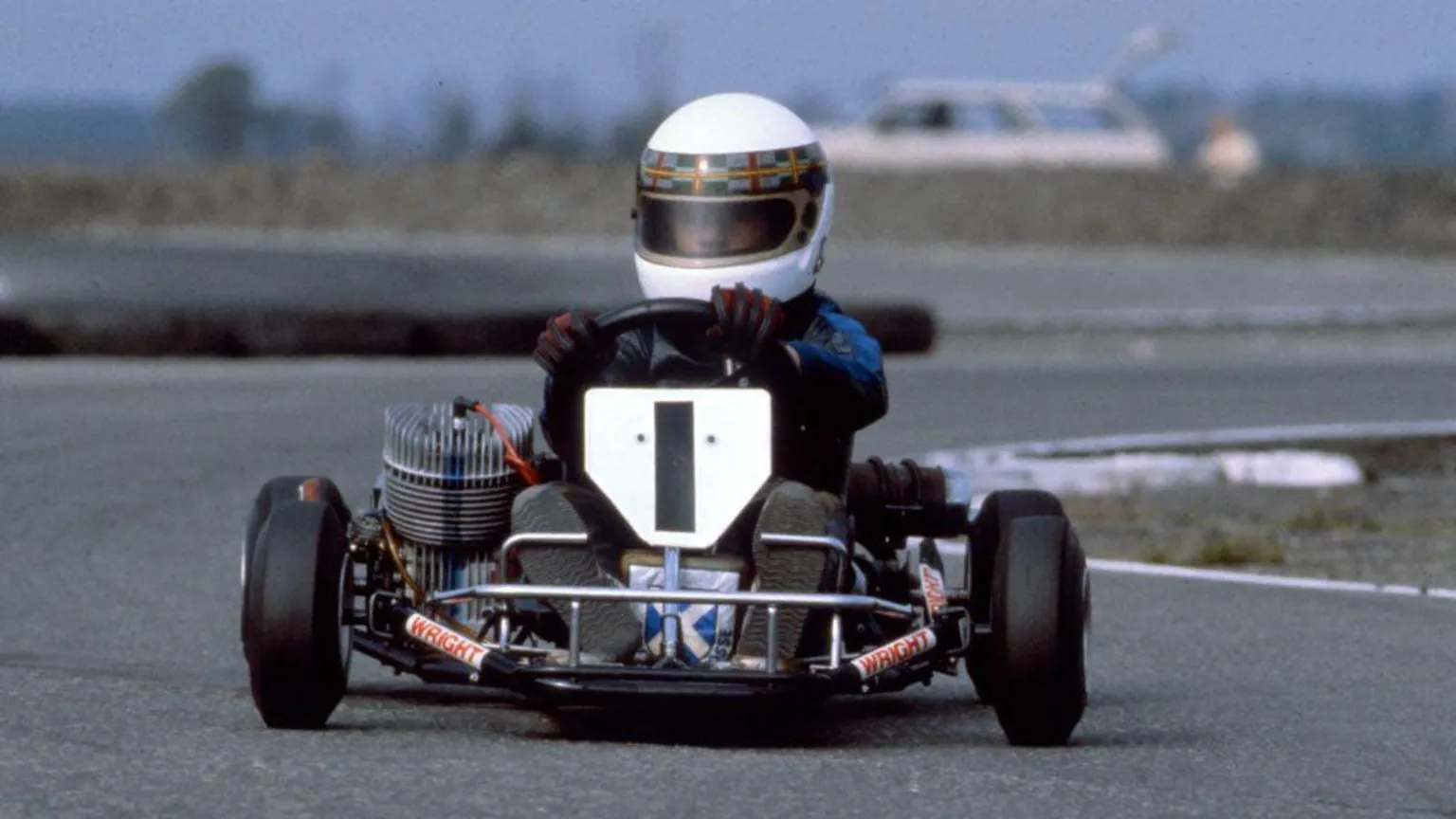
His extensive experience makes him well-suited to guide a new Formula 1 team like Audi. Initially appointed head of driver development in January, McNish has since taken on the role of racing director, starting with the Miami Grand Prix weekend, while continuing to scout emerging talent.
Hailing from Dumfries, where he attended St Andrew's Primary and St Joseph's College, McNish's racing prowess eventually took him beyond his hometown. Despite his international career, his Scottish accent remains evident when speaking from the United States.
Dual Role at Audi
The 56-year-old described his responsibilities at Audi as twofold. The first involves driver development, which he likened to a football academy, focusing on nurturing young talent. The second role, as racing director reporting to team principal Mattia Binotto, encompasses all aspects at the racetrack, including engineering, strategy, driver management, marketing, and communications.
He acknowledged the breadth of the racing director role, stating it is "very wide" in its job description.
Evolution of Driver Development
McNish noted that when he was advancing in the 1980s, a formal driver development program like Audi's did not exist. He credited local motorsport figure David Leslie for mentoring him during that period. Today, such development is much more structured.
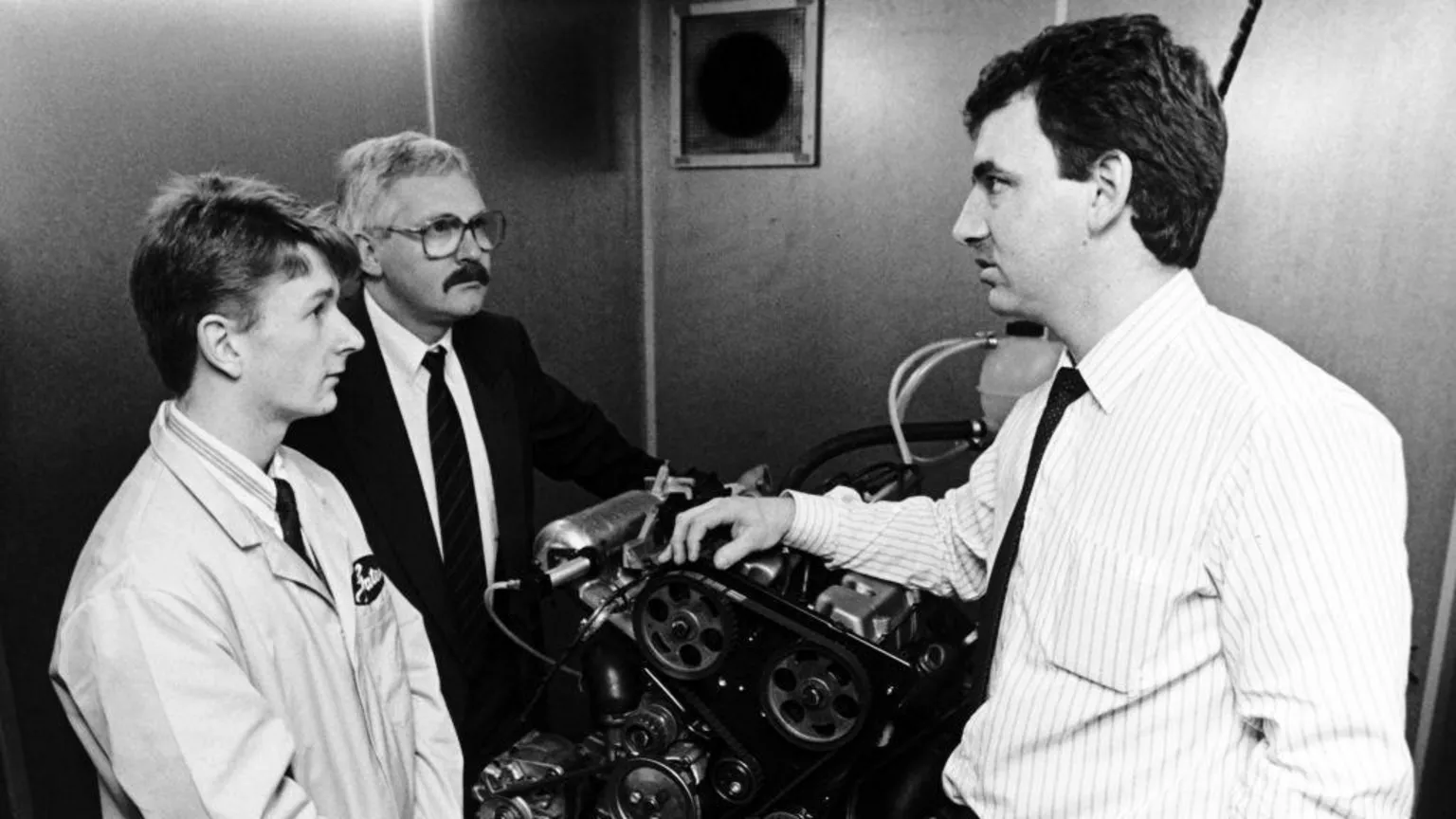
Despite changes in structure, McNish emphasized that the core of motorsport remains preparation, work ethic, and resilience in the face of setbacks, reflecting on his own career's ups and downs.

"It's been a bit of a roller coaster at times," he said. "It's not as if it's been a straight linear road up and with that, you also learn to take a little bit of pain on the route. That's one definite thing in any sports person, there is going to be pain and it's how you return from that, how you come back from it is, I think, the defining point of a person's sporting career."
Career Highlights and Challenges
McNish recounted several high points in his career, including winning his first kart race in Morecambe in 1982, which boosted his confidence by proving his talent. He also highlighted his Le Mans victories as pivotal moments that opened unexpected opportunities on the global stage.
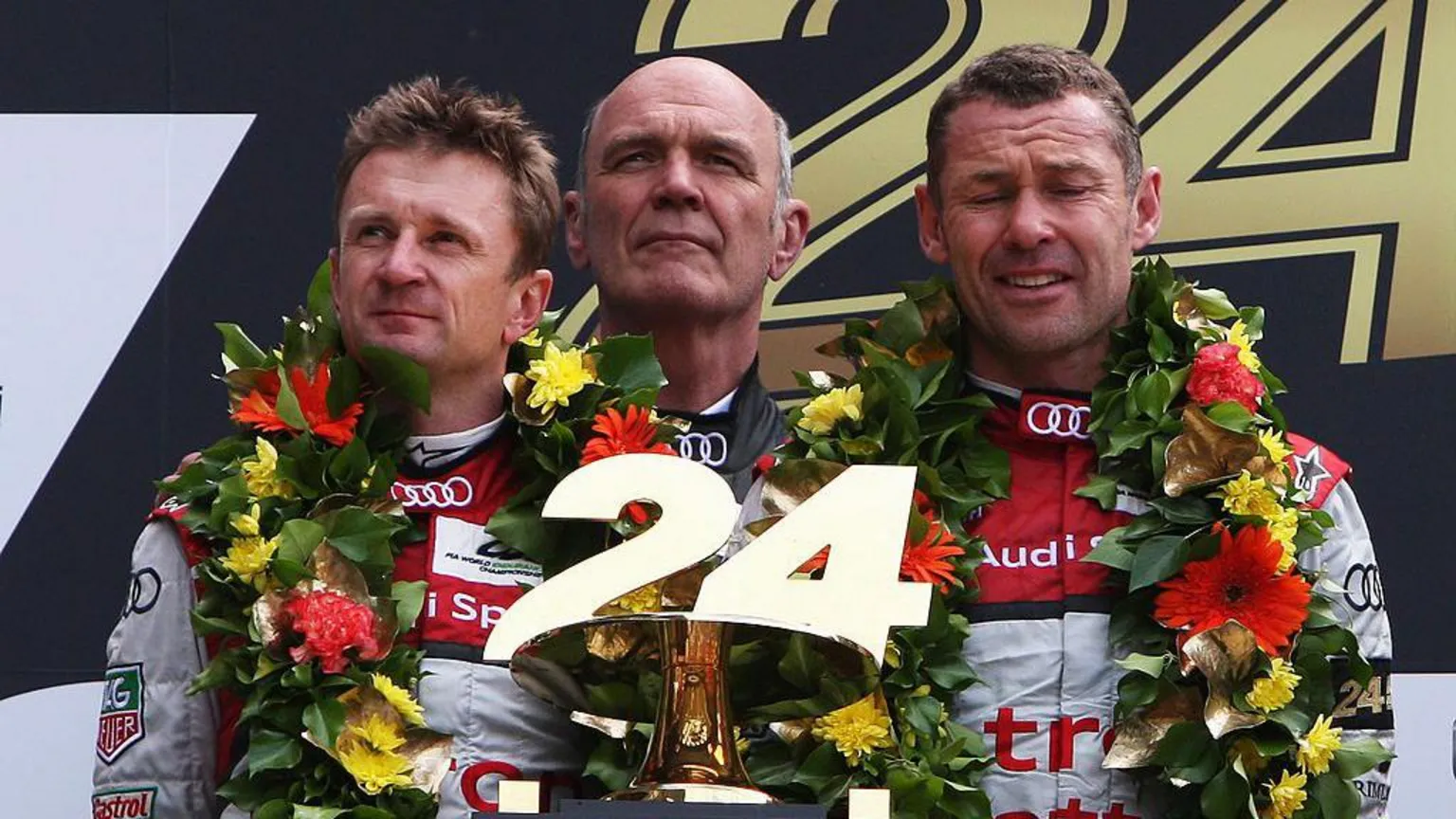
Additionally, reaching the Formula 1 starting grid was a significant achievement for McNish.
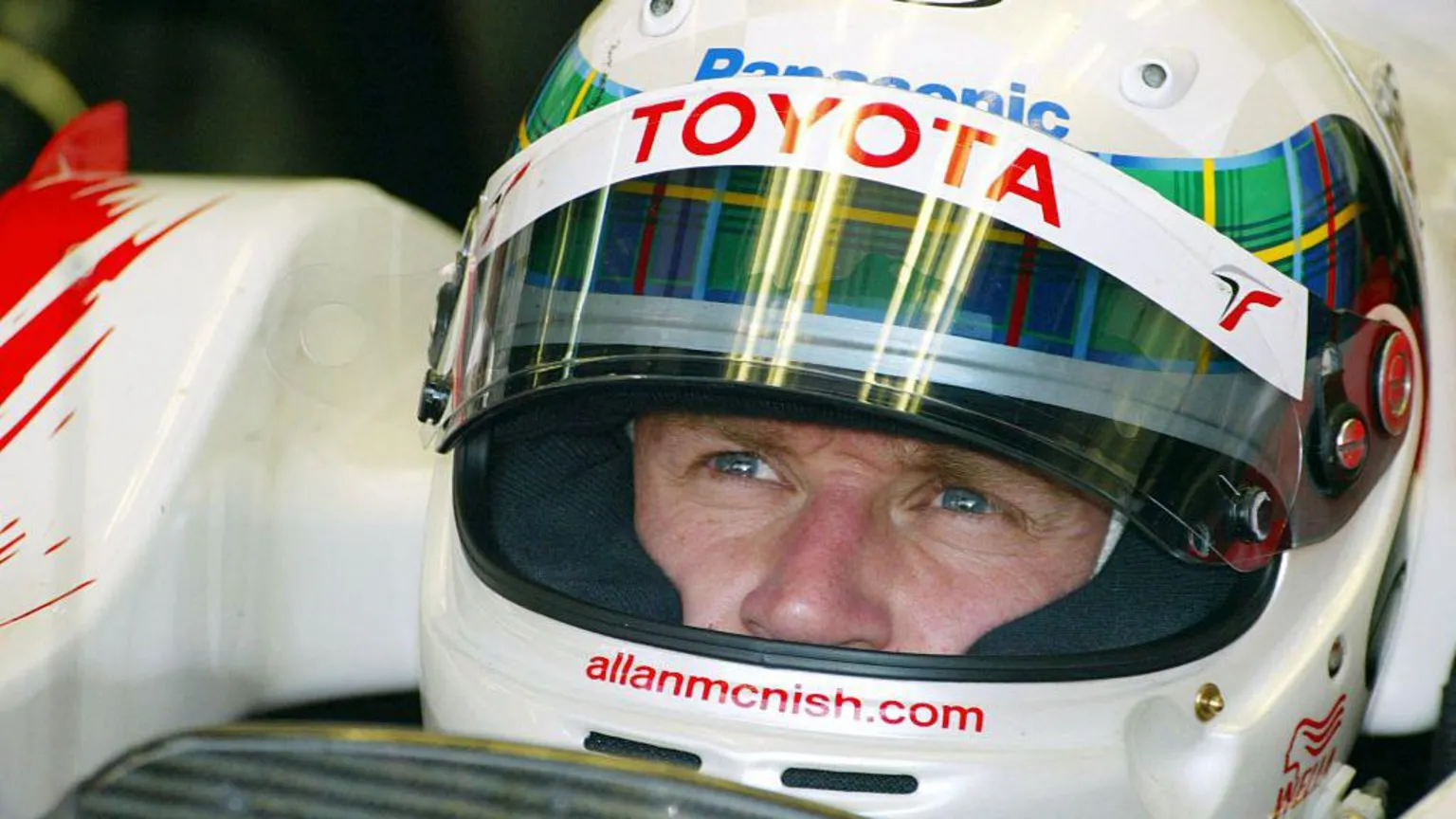
Conversely, he identified the 1990 Donington incident, where a spectator was killed, as a profound low point, describing it as a life-altering event regardless of career stage.
"I think personally a low point obviously was Donington in 1990 when the spectator was killed - that definitely was one," he said. "It's just a big change to your life, it doesn't matter what stage you are in, it's a big change to your life."
Changes in Motorsport and Current Perspectives
McNish observed that modern racers begin their careers at younger ages and may be more open, partly influenced by media such as the Netflix series Drive to Survive. He cited Audi driver Gabriel Bortoleto as an example of a natural and personable young talent.
He also challenged nostalgic views of past racing eras, attributing much of the sentiment to "rose-tinted glasses." He compared the competitiveness of grids from the era of V10 and V12 engines to the present day, noting that time gaps between cars were significantly larger then.
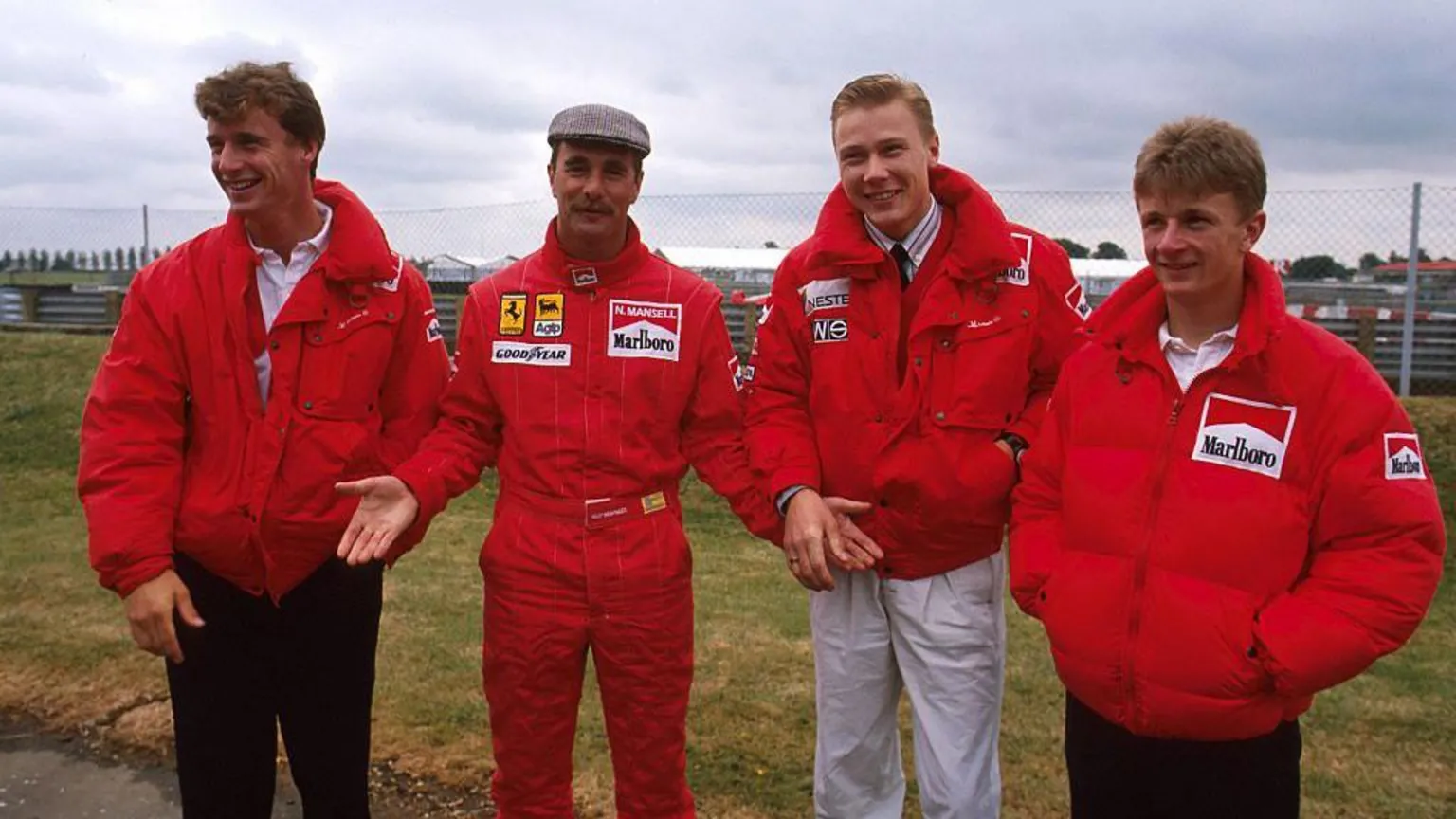
"If you go back and watch a video of Spa, you know, the holy era of V10s, V12s, and you look at Spa, the gap on the grid was like 0.5, 0.7, 0.8 seconds between one car to the next," he explained. "It was like 10 seconds over the course of the grid - it was huge. And now we're talking about one second being from first to last - so the competitiveness of everybody is much, much closer."
Future Outlook and Emerging Talent
Regarding Audi's Formula 1 team, McNish emphasized a long-term approach rather than expecting immediate victories, acknowledging a "long road" ahead before contending for race wins or championships.
When asked if there was a young driver reminiscent of himself, he mentioned Freddie Slater, whom Audi signed at age 14. McNish praised Slater's attitude and determination, particularly his ability to advance through a kart race despite less competitive equipment.
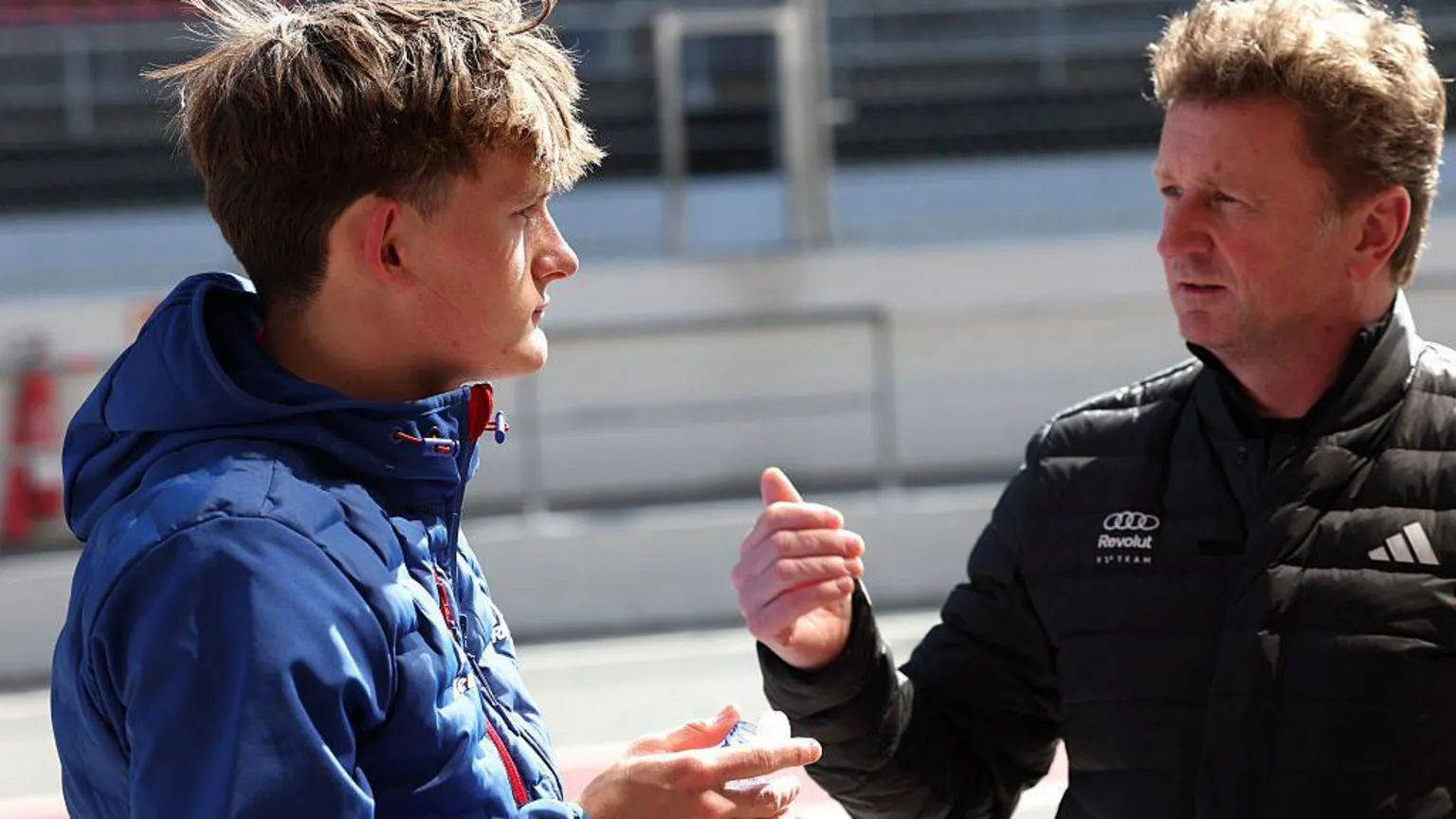
"I watched him fight his way through a kart race and it was that attitude that was the thing that really stood out," McNish said. "It was his ability to, when the car wasn't quick, to be able to get through and muscle it through to the front. I would say the mentality as opposed to necessarily the skill set - but there, that was something that ticked the box for me."
This endorsement carries weight from a man who reached the pinnacle of motorsport and now imparts his knowledge to the next generation.


