

Morocco Aims for Historic World Cup Achievement
Morocco is striving to make further history in the World Cup, seeking what would be their most remarkable upset to date.
Over the last sixty years, Morocco has reached several milestones for African teams at the World Cup. They were the first African nation to qualify directly for the tournament, reaching the 1970 finals in Mexico. They returned in 1986 and became the first African team to reach the last 16. More recently, they made an impressive semi-final run in Qatar four years ago.
Even if the Atlas Lions do not match their 2022 achievement by losing to France on Thursday, they have already secured a place in history as the first African team to reach the quarter-finals in consecutive World Cups.
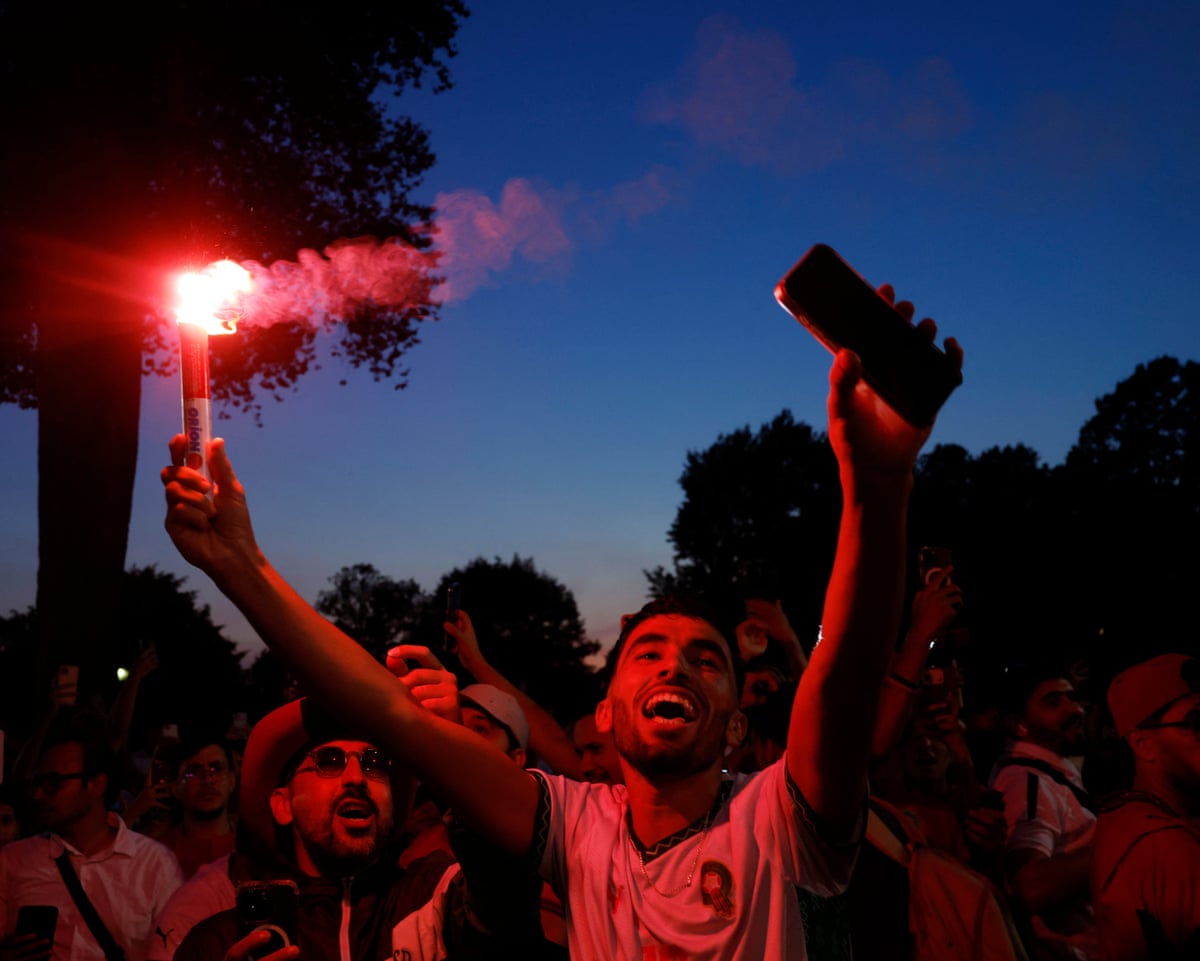
We will now turn our focus to the upcoming France versus Morocco match. It is hoped that the post-match discussions will center on the game itself rather than the officials, as debates about refereeing can become tiresome.
Meanwhile, Rob Draper has explored Michael Olise’s journey from Hayes to the global stage.
“We were playing Sparta Prague in the European Under-21 Cup,” Flanagan recalls. “I got there at half‑time. Michael was about 17 and on the bench. I sat in front of [the former Crystal Palace and West Ham player] Hayden Mullins, who used to work for us and who I got on well with. Michael came on with 17 minutes to go. Within five minutes Hayden leaned over to me and said: ‘Who the fuck is that?!’ I just started laughing. And Hayden said: ‘Come on then, tell me, where did you find this one?’ So I explained the story …”
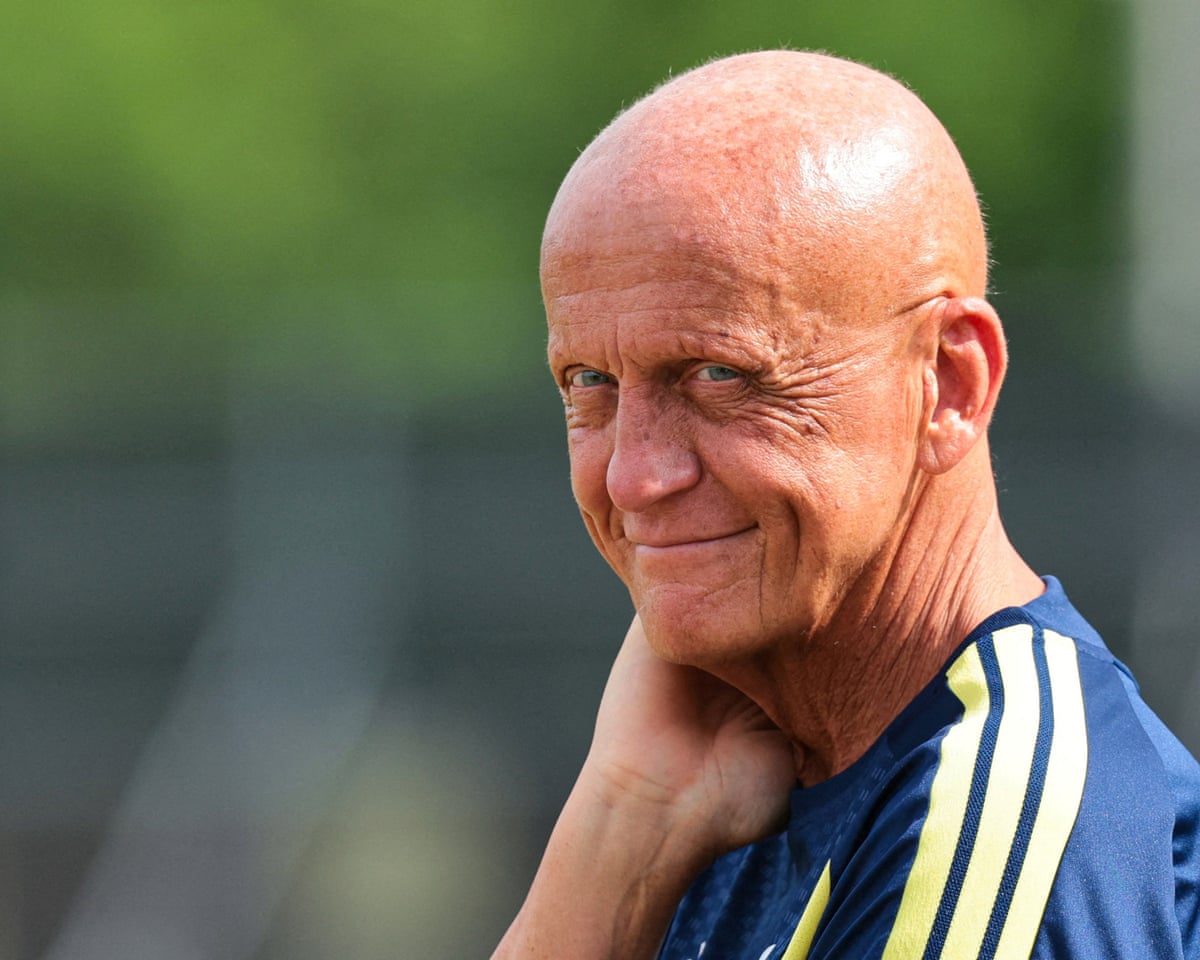
Collina Defends World Cup Refereeing
Fifa refereeing chief Pierluigi Collina has defended the officiating in Argentina’s 3-2 victory over Egypt in the round of 16, rejecting claims of bias and affirming that match officials acted independently.
In an interview published on inside.fifa.com on Thursday, Collina acknowledged that criticism of referees is a common aspect of football but condemned accusations questioning the officials’ integrity following Egypt’s complaints after their defeat.
“Constructive discussion about decisions will always be part of football, but unfounded allegations have no place in our sport,” Collina stated. “Nobody can question the integrity of the Fifa World Cup match officials ... Nobody can claim that Fifa refereeing can be influenced by anyone, not even by the Fifa president (Gianni Infantino).”
Egypt exited the tournament after their loss but argued they were treated unfairly when Argentina overturned a 2-0 deficit to win with a stoppage-time goal by Enzo Fernandez.

Egyptian coach Hossam Hassan suggested there may have been pressure on the referee to favor Argentina. The Egyptian Football Association expressed concerns over several key incidents, stating they raised serious questions about the consistency and fairness of decisions that influenced the match outcome.
Egypt contended that Mostafa Zico’s second-half goal was wrongly disallowed due to a non-existent foul in the buildup. They were also upset that a challenge on Mohamed Salah was not penalized shortly before Argentina’s winning goal.
Collina explained that VAR correctly advised overturning Zico’s goal after identifying a foul by Marwan Attia on Argentina defender Lisandro Martinez during the attacking phase.
“We believe that a foul is a foul,” Collina said. “Regardless of whether the foul appears ’obvious’, if the referee did not see it on the field of play, the VAR can intervene.”
He also defended the decision not to award Egypt a penalty before Argentina’s winner, stating both the referee and VAR judged the contact between Salah and Julian Alvarez to be normal football contact.
“Stepping on an opponent’s foot is a foul, whereas a defender who touches the ball first and then makes normal football contact has not committed a foul,” Collina explained.
As the Flight of the Conchords once said: “It’s business time.”
The extended tournament has been unnecessarily prolonged, but it now feels as though the competition has truly begun. Several top teams have been eliminated, some have faced challenges, and eight elite teams remain.
The first quarter-final match is France versus Morocco, a fitting way to commence this stage. Didier Deschamps’s team has been the standout side throughout the tournament, despite needing to work hard to defeat a lackluster Paraguay team.
Morocco had a relatively easier match against Canada, a deserved reward after eliminating the Netherlands. This represents a significant step up in competition for Morocco, who lost to France in the semi-finals four years ago. On their path to the last four, they eliminated Spain and Portugal, demonstrating they will not be intimidated.
There will be many other developments in the USA, which we will continue to update.


