

Scotland's 1950 World Cup Qualification and Withdrawal
In April 1950, Scotland achieved the remarkable feat of qualifying for the FIFA World Cup, finishing second in the British Home Championship. This accomplishment meant they had secured a place in the 1950 World Cup, which was to be held in Brazil, and were set to compete against some of the world's greatest football teams in front of over 133,000 home supporters.
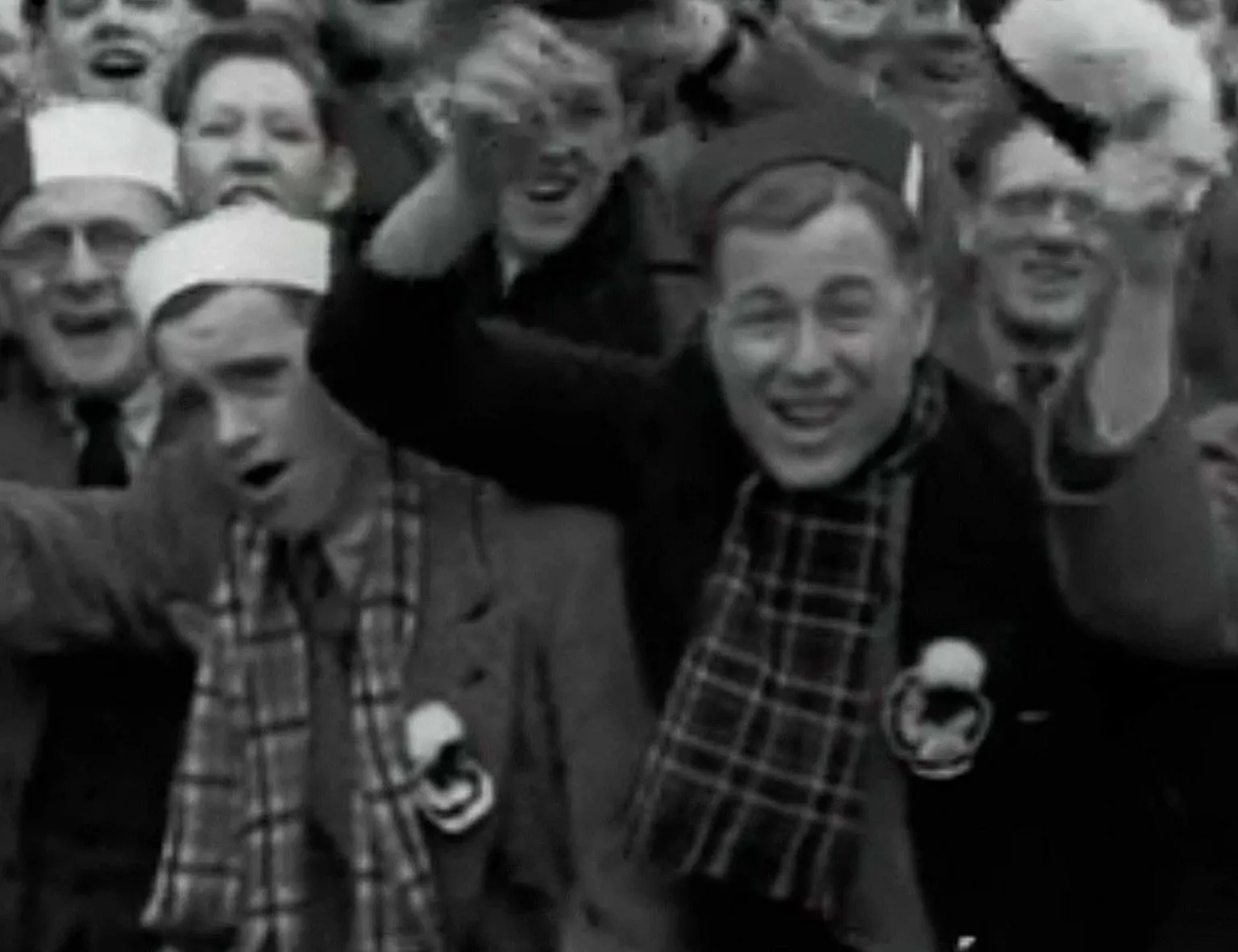
However, despite this success, the Scottish Football Association (SFA) made the unprecedented decision to forgo their participation in the tournament. This choice was particularly striking given the significance of the event, which was the first World Cup held after World War Two and marked the fourth edition of the competition overall.
Historical Context of UK Nations and World Cup Participation
Prior to 1950, the UK nations had never sent teams to the World Cup for various complex reasons. These included a perceived superiority of the British Home Championship, disputes over player payments, and a reluctance to compete against other European teams following the First World War. The 1950 tournament was expected to symbolize a degree of reconciliation in international football, although Germany was notably not invited to participate.

"There was supposed to be 'a lot of reconciliation' in this tournament, 'albeit Germany weren't invited,'" says Andy Kerr, visitor attraction manager at the Scottish Football Museum.
Despite this atmosphere of international cooperation, internal politics within the Scottish FA influenced their decision-making. The prevailing belief among the SFA leadership was that the British Home Championship results should determine Scotland's eligibility for the World Cup.
Qualification Details and Controversy
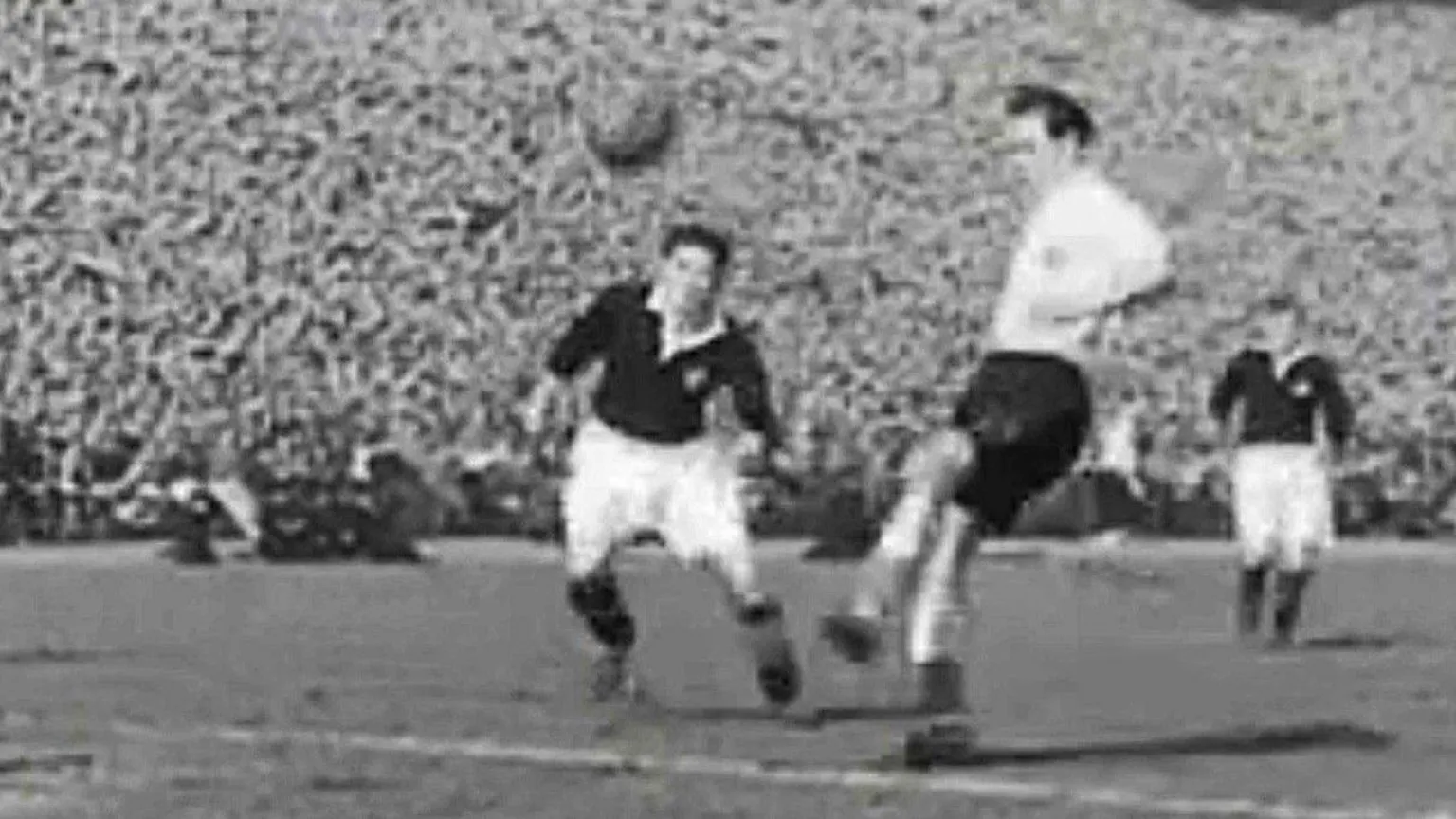
FIFA had allocated two places to the UK nations for the World Cup, to be awarded to the top two teams in the British Home Championship. England finished first, and Scotland second. However, the SFA was reluctant to send Scotland to the tournament after finishing behind England, a result influenced by England's 1-0 victory at Hampden Park during the Championship. This decision caused confusion and frustration among the Scottish players.
"The reasons are still slightly ambiguous to this day," says Andy Kerr. "I believe the official reasoning was that we only wanted to send our best and we didn't believe that a second-best team in a tournament was worthy of sending to a World Cup."
Financial and logistical challenges also played a role, as the cost and practicalities of sending a team to South America in 1950 were considerable. The SFA may have viewed the expense as outweighing the benefits of participation.

Players' Efforts and Support from England
It is believed that Scotland's players petitioned the SFA to allow them to travel to Brazil. George Young, the Rangers right-back and Scotland captain at the time, reportedly approached George Graham, the chief executive of the SFA, to advocate for the team's participation. Unfortunately, the directors' stance prevented Young, who was the first Scottish player to reach 50 international appearances, from ever playing in a World Cup.
The Scottish squad included players active in both Scottish and English clubs, such as Arsenal, Derby County, and Liverpool. The close relationships between players from both nations led to an offer from the English FA to share travel costs, recognizing that many players had good rapport with one another.
"They offered to split the cost with us for travelling, since a lot of the players would have got on with each other," says Andy Kerr. "But they still said no, and at that point other countries were offered Scotland's place."
Financial Considerations and Changing Attitudes
In the early years of the World Cup, financial considerations were significant but the sport retained an amateur ethos, focusing on sporting merit and pride rather than commercial gain. This was prior to the change in FIFA presidency in 1974, which ushered in a more professional approach.
Four years after the 1950 tournament, Scotland again finished second in the British Home Championship but chose to participate in the 1954 World Cup in Switzerland. This decision marked a shift in attitude among Scottish football authorities.

However, the 1954 campaign was not without its issues. Due to inadequate planning, the Scottish team wore winter kits during the summer matches in Zurich and Basel, which was ill-suited to the warm weather.
"We had decided that a country like Switzerland with all the mountains and ski holidays that it's famous for should be cold, therefore we're going to take the winter kit, which was a bit like a school jumper," says Andy Kerr.
Legacy and Impact on Scottish Football
The decisions made during the 1950s laid important foundations for future successes in Scottish football. Notable achievements included Hibernian reaching the European Cup semi-finals in 1956, Rangers becoming finalists in the 1961 European Cup Winners' Cup, Dundee reaching the 1963 European Cup semi-finals, and Celtic becoming the first British team to win the European Cup in 1967.
"The 1950s made people look outwards more and try to broaden their horizons," says Andy Kerr. "It changed the way we view the game. It brought the game to a wider audience through innovations like floodlights, European football, and a general clamour to see more than what your own country has to offer."


