

Blue Tigresses Face Off-Field Challenges and On-Field Battles
The Indian women’s football team began their historic campaign at the Women’s Asian Cup in Perth on Wednesday with a hard-fought but narrow 1-2 loss to Vietnam. Despite the defeat, the team demonstrated resilience by overcoming significant off-field difficulties to compete strongly on the pitch.
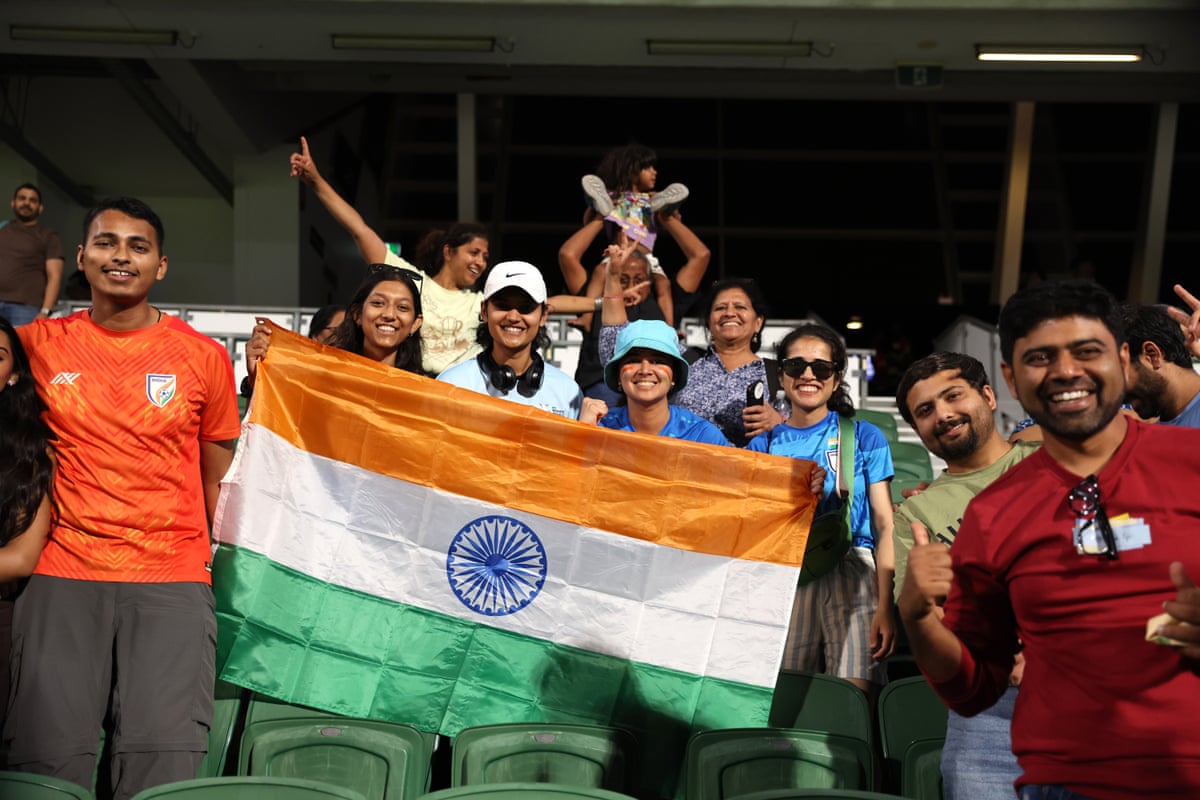
The match at Perth Rectangular Stadium was notable not only for the competitive spirit displayed by the Blue Tigresses but also for the enthusiastic support from fans, creating a vibrant atmosphere despite the team’s challenges.
However, the team’s appearance was marred by a kit issue: just three days before the opening game, the players had to procure makeshift uniforms locally after the All India Football Federation (AIFF) sent kits in youth sizes. This incident highlighted ongoing administrative shortcomings within the system supporting Indian women’s football.
These logistical and administrative problems have been a persistent backdrop to the team’s journey to the tournament, which also serves as a qualifier for the 2027 Women’s World Cup in Brazil. Nonetheless, the players have remained focused on their on-field objectives.
Community Support and Player Leadership
India’s captain, Sweety Devi, actively encouraged the local Indian community in Perth to attend and support the team. Among those who responded was Curtin University student Sanskar Vyas, who expressed optimism despite the loss.
“It was an amazing game, beautiful environment,” Vyas said. “I admire the crowd that showed up from the Vietnamese side. But [we] Indians, despite less in numbers, totally dominated the atmosphere as well, matched the aura, and supported the team so beautifully.”
India, with a population of 1.4 billion, has yet to appear in any senior FIFA World Cup. The current tournament offers the women’s team a historic opportunity to change that.
Competitive Context and Upcoming Challenges
Ranked 63rd globally, India is the lowest-ranked team in Group C. The initial loss to Vietnam intensifies their challenge, with upcoming matches against Japan and Taiwan. A quarter-finals finish is necessary to remain in contention for qualification to Brazil 2027.
India’s path to the Asian Cup was hard-fought, including a notable away victory over Thailand, who were ranked 24 places higher at the time. This achievement underscores the team’s determination and capability.
Parallel Crisis in Indian Football
The women’s qualification coincided with a significant crisis in Indian football. The Indian Super League, the country’s premier men’s competition, experienced a six-month delay due to the AIFF’s failure to renew its commercial partnership amid judicial scrutiny of its governance.
The men’s national team has also struggled, failing to qualify for the 2027 Asian Cup after finishing last in their group, despite being the highest-ranked side there.
Indian football has faced challenges in gaining widespread support, but dedicated fans like Perth-based Pruthiraj Patra remain loyal.
“This is my first time watching the girls and I’m here with my friends so really felt good, especially because I have never been able to support them in person,” Patra said.
Dual Sporting Events in Perth Boost Support
Indian fans in Perth have another reason to celebrate: the city is also hosting the Test match between the Australian and Indian women’s cricket teams starting Friday. This dual presence of Indian women’s teams in Perth has energized supporters like Radha Lath Gupta, who traveled from India to cheer on both teams.
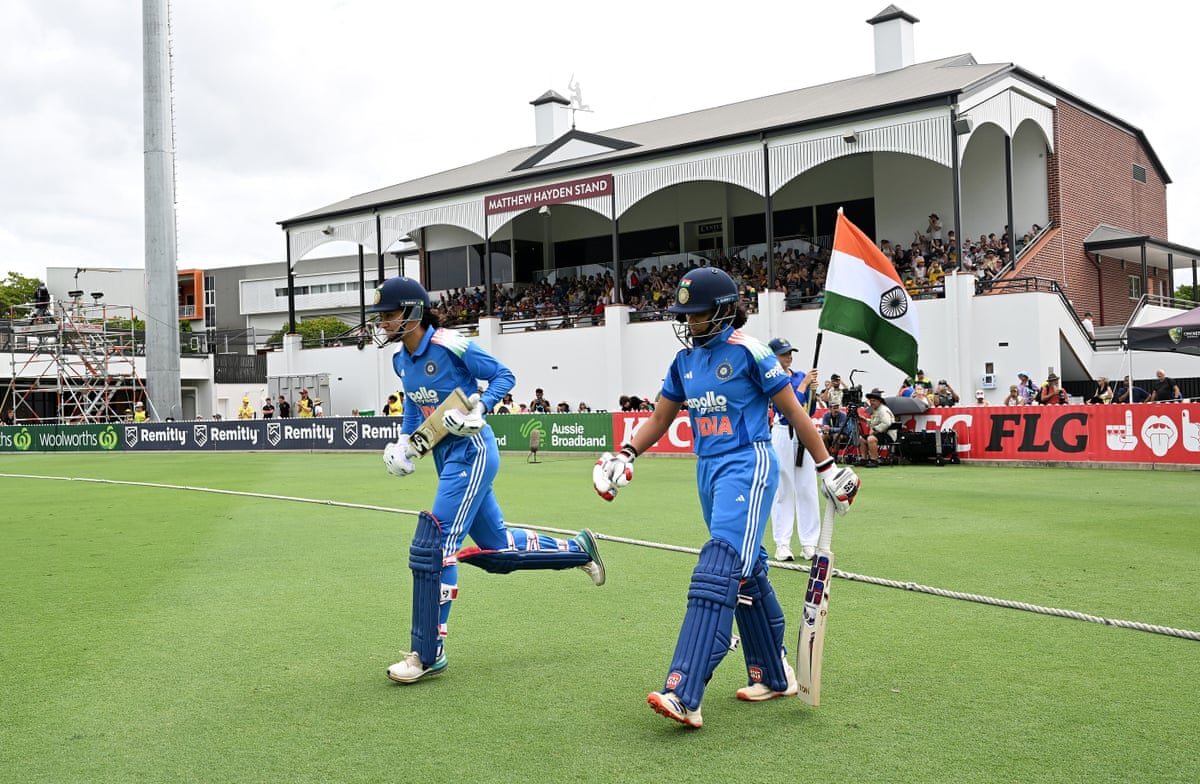
“To some extent, when you start following a women’s team you are doing it not because you have niche interests in that sport,” Lath Gupta said. “But it’s more because, well, in my case, people who look like me and grew up like me can do something really cool at a professional athletic level.”
Inspiration from Women’s Cricket and Future Prospects
The Indian women’s football team hopes to draw inspiration from their cricket counterparts, who were long considered underachievers but made a significant breakthrough last year by winning the Women’s ODI World Cup. This victory had a substantial impact, attracting brand endorsements and increasing the players’ social media and commercial profiles.
While cricket has traditionally limited its global reach, football is a truly worldwide sport. Should India’s women qualify for the World Cup, it would represent a monumental moment, potentially creating an unprecedented impact on the global stage.


