Brandywell Stadium Sale Agreed in Principle
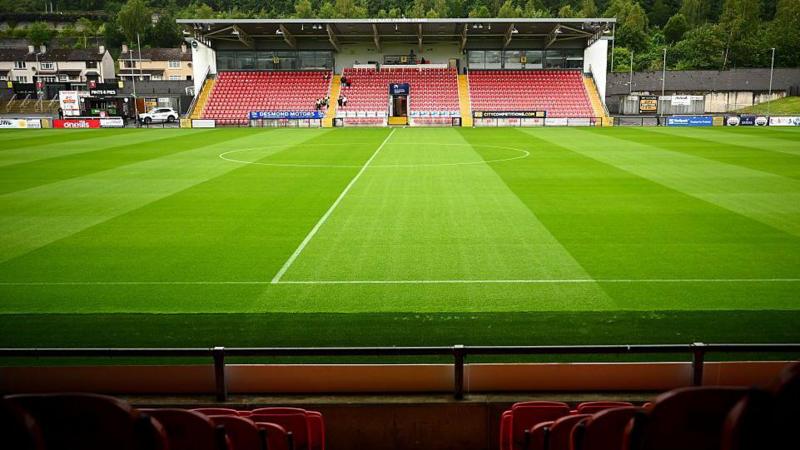
Derry City Football Club currently leases the Ryan McBride Brandywell stadium from the local council. Councillors in Londonderry have agreed in principle to sell the stadium to the club.
The stadium has been owned by the local council since the club's formation in 1928, with Derry City FC using the facility under a series of short-term licences.
On Tuesday, the governance committee of Derry City and Strabane District Council approved the sale in principle, despite concerns from some councillors regarding the lack of engagement with other groups that also use the stadium.
Councillors were informed that any sale would require Derry City FC to pay market value for the stadium, which includes a greyhound track and incurs annual running costs of approximately £500,000.
The council has owned the Brandywell site since Derry City's formation in 1928.
Councillors Express Concerns Over Stakeholder Engagement
Sinn Féin councillor Emma McGinley stated she would support the recommendations in the council report but emphasized the need for urgent engagement with all stakeholders who use the facility.
"I would be backing the recommendations contained in a council report with the caveat that there is urgent stakeholder engagement with those who use the facility."
SDLP councillor Sean Mooney described the sale as "a very important issue" and cautioned that it is "far from a done deal." He stressed the necessity of robust engagement with all stakeholders.
"We should enter into this process but we need to robustly engage with all stakeholders,"
People Before Profit councillor Shaun Harkin acknowledged that while Derry City deserves to own their ground, there has been insufficient engagement with other organisations in the area. He also raised concerns about the potential expenses the council would incur.
"While Derry City deserve to own their own ground," he said, "there is a lack of engagement with other organisations in the area, and concerns about expenses council would be wracking up."
Harkin was the only councillor to abstain when the committee was asked to back the council's recommendations regarding the potential sale and requested that the matter be deferred to a full council meeting.
DUP councillor Niree McMorris agreed in principle to the sale but also supported comprehensive engagement with stakeholders.
The council's chief executive, John Kelpie, informed the committee that the council will undertake detailed engagement with stakeholders, which cannot commence until the committee agrees to the sale in principle.
Stakeholder Concerns and Legal Restrictions
Independent councillor Gary Donnelly read a letter from the Brandywell Greyhound Racing Company, which questioned why approval in principle was being sought before stakeholder engagement had taken place.

"Why is approval in principle being sought before the stakeholder engagement referred to in the report has taken place?"
"The process needs to be one that is open, transparent and gives all affected stakeholders a genuine opportunity to be heard."
In March of the previous year, the council agreed in principle to move towards a long-term lease of the ground. This was viewed as a potential pathway for the club, which competes in the top tier of professional association football in the Republic of Ireland, to eventually own the stadium and access funding through the Northern Ireland Football Fund.
However, the club and several others were unsuccessful in securing that funding, and the decision is currently being appealed in the courts.
Under the Londonderry Corporation Act 1918, the council cannot grant a lease or licence for the stadium lasting more than one year. While the council supports the idea of a long-term lease for the club, which plays in the League of Ireland, this cannot occur unless the law is amended at Stormont.
The council report presented on Tuesday states that this legal restriction is driving the proposal to sell the stadium outright, as changing the law could take several years.
Stadium Condition and Financial Considerations
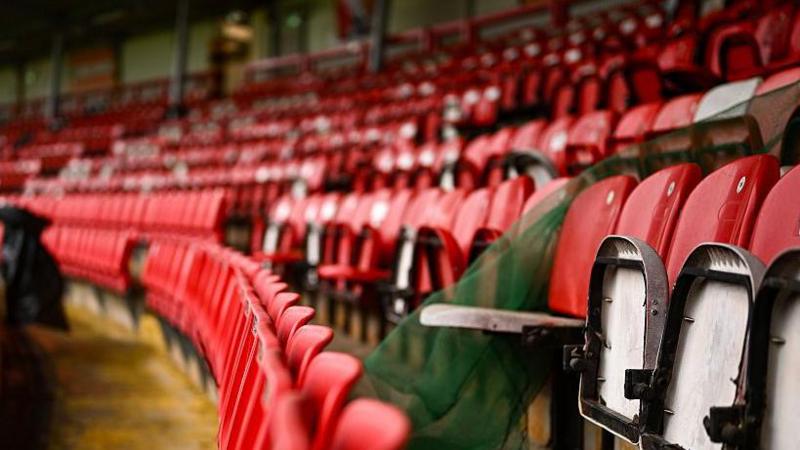
The council report also highlighted concerns regarding the Southend Stand, where an independent survey found that most seating has exceeded its expected lifespan.
Only 604 of the stand's 2,064 seats are expected to remain safe beyond the end of the 2026 season, which would reduce the stadium's safe capacity to 4,765.
Replacing the seats is estimated to cost approximately £156,000, which the council states can be funded from underspent money in last year's budget.
The report outlined the ongoing costs of operating the Brandywell stadium and the adjacent greyhound track. Annual operating costs are around £591,000, offset by income of about £48,000, resulting in a net annual cost of approximately £475,000.
New Grass-Hybrid Surface Installed
The report notes that income is expected to decline due to the installation of a new hybrid pitch, which will significantly reduce the number of matches and bookings the ground can accommodate.
A new grass-hybrid surface was successfully installed at the club's Brandywell ground last month. All regular bookings, except those of Derry City, Institute, and Sion Swifts, have been relocated to other council-owned facilities.
During the installation, the Candystripes played their games at Celtic Park, home of Derry GAA.
The ageing synthetic 3G pitch, which had faced criticism in recent years, was replaced with a high-tech hybrid pitch, complemented by the installation of a state-of-the-art irrigation system beneath the playing surface.
- How is Derry City's new pitch 'World Cup standard'?
- NI Football Fund: 'North west has been shafted again'
- A different ball game as Derry City play 'historic fixture' at GAA ground