England’s Reliance on Ben Stokes and ECB’s Handling of the Incident
With Ben Stokes now aged 35, the England and Wales Cricket Board (ECB) faces the urgent task of identifying emerging talents capable of serious leadership, beyond just youthful camaraderie. Last week at the Oval, it became clear that this England team heavily depends on Stokes. Following the second Test against New Zealand, the ECB concluded an investigation into the team’s celebrations after their first Test victory. Although the outcome was not as disastrous as feared—especially when Stokes was reportedly contemplating retirement—it remains an embarrassing episode for the governing body.
The ECB’s response was understandable given previous incidents of public drunkenness, including during the Ashes and earlier in Wellington. The lack of transparency surrounding Harry Brook’s incident, which only became public after media exposure, triggered a reactive approach when the ECB believed a similar event had occurred again. Each of these three incidents could have been managed more effectively, highlighting recurring missteps by the ECB. However, their firm stance on accountability sets a precedent for acceptable player conduct.
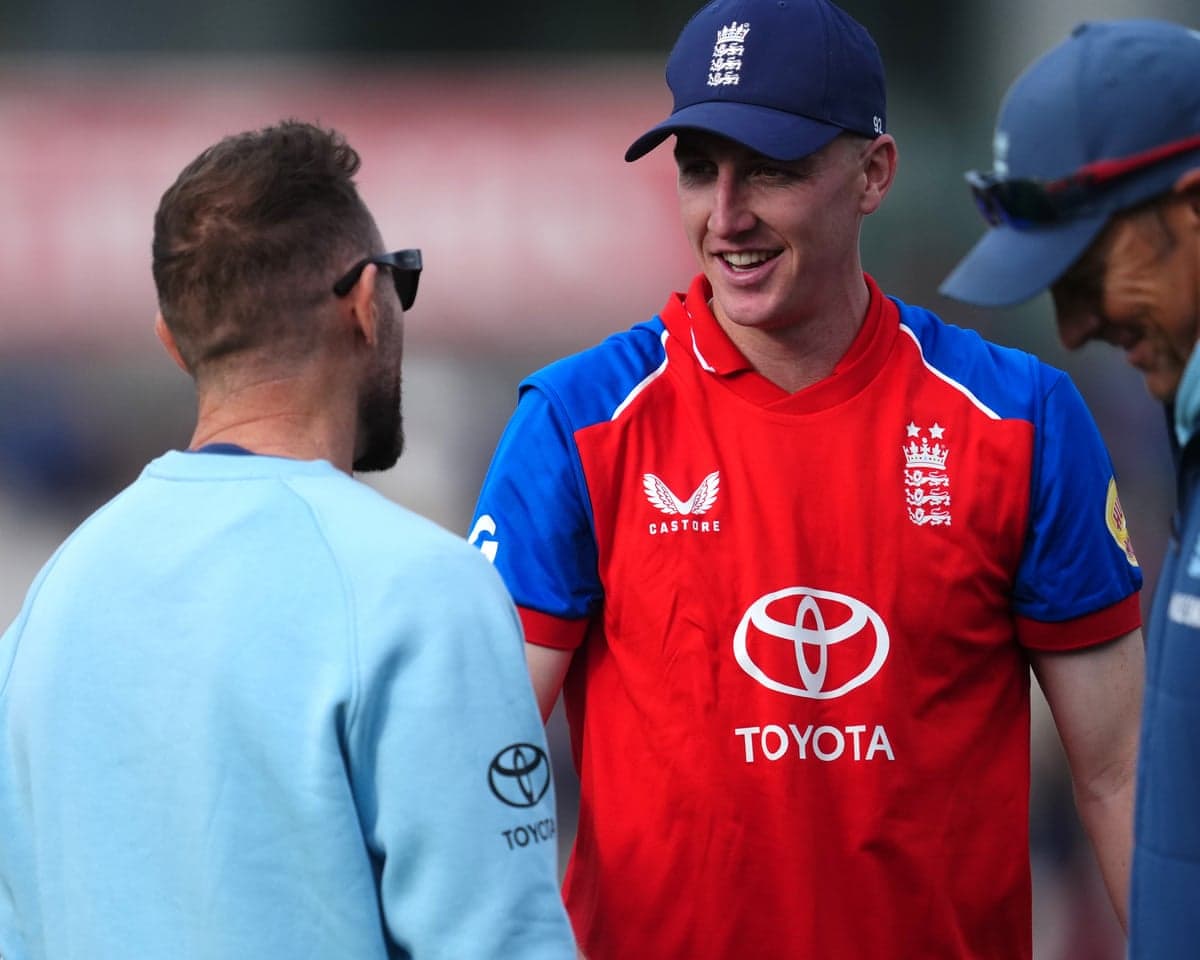
In the end, confusion about the curfew’s timing affected even the captain, Ben Stokes, who was involved in creating the rule. This confusion is particularly humiliating for coach Brendon McCullum, who, unlike players, cannot lead by example on the field but must ensure clear planning, preparation, and communication off it. McCullum has admitted that the curfew rules were not clearly communicated, either verbally or in writing, which reflects poorly on his leadership.
Leadership and Cultural Challenges Under McCullum
After four years with McCullum at the helm, England’s planning, preparation, mindset, and strategy were exposed during their tour in Australia, while their team culture was scrutinized off the field. Reflecting on his own international career, Mark Ramprakash notes that although team culture was sometimes flawed, it was never publicly dissected as it is now.
England supporters accept that losses are part of the game, but they find it harder to tolerate embarrassing behaviour from players who are role models. Prior to the first Test, McCullum and Rob Key, the ECB’s managing director of men’s cricket, spoke about starting a new chapter. However, subsequent events suggested a continuation of previous issues.
Effective coaches establish clear standards and consequences for players. Ramprakash recalls his experience coaching the Lions in 2013, when a strict manager enforced discipline after a late-night incident, sending a strong message about expectations and accountability.

Ben Stokes’ Leadership and the Future of England Captaincy
There were concerns that the recent incident might damage Stokes’s credibility as captain, especially since he breached a curfew he helped establish. However, he has emerged with his leadership reinforced. Stokes will not be blamed for misunderstanding a poorly communicated rule, and he receives credit for the skill, promise, and unity England displayed when he played in the first Test. In contrast, the team appeared timid at the Oval without him. This is not a reflection on Joe Root’s interim captaincy, but it underscores Stokes as the team’s clear leader now that he has returned.
Stokes’s presence is a strength while he remains active, but his age and tenure indicate the inevitable need for succession planning. With both Stokes and Root aged 35 and having served as captains, the question arises: who will lead England next if Root declines the role?
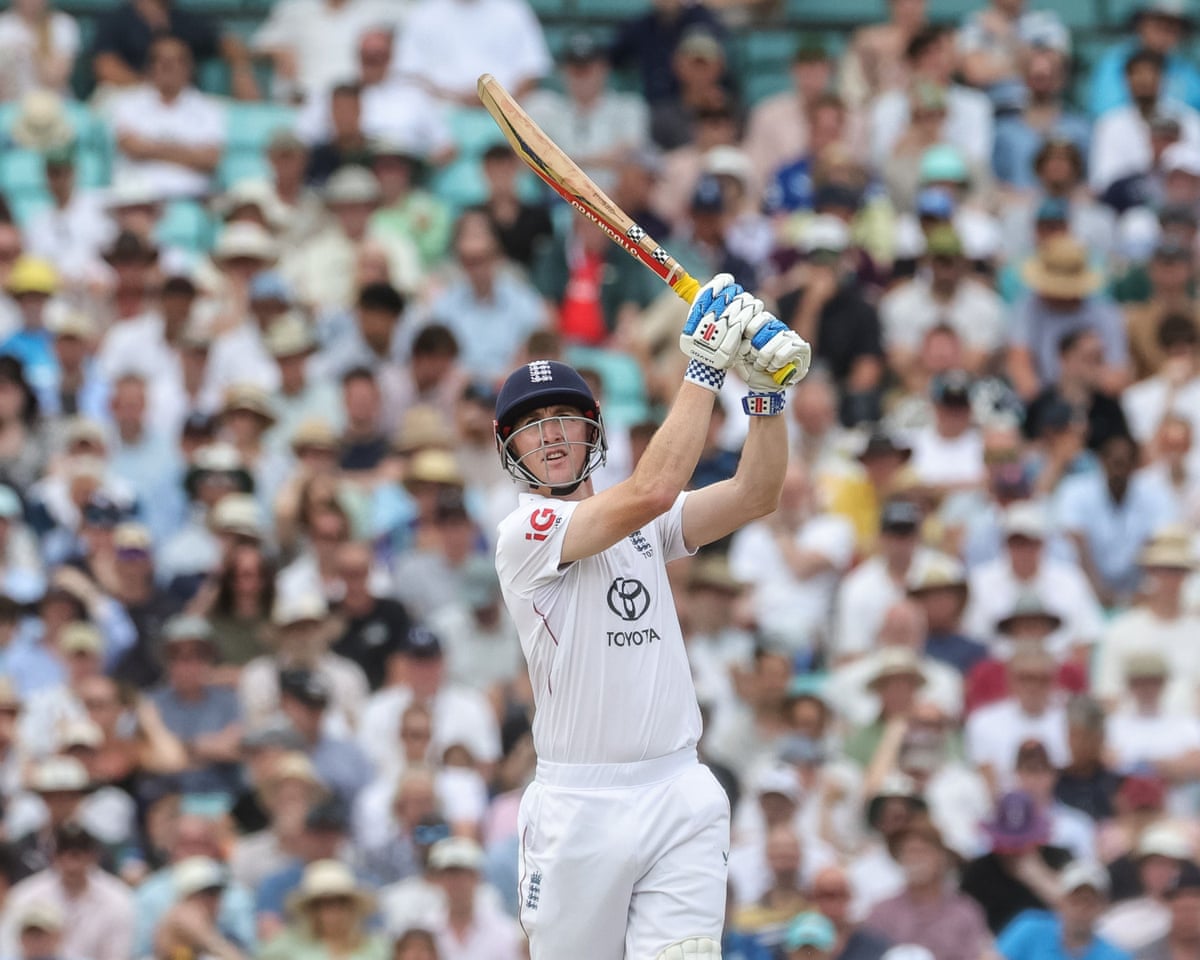
Harry Brook has been identified as a potential future leader, praised for his cricketing intelligence. However, recent incidents suggest he has work to do before assuming such responsibility. Following the New Zealand incident and his subsequent celebration mimicking Stone Cold Steve Austin’s beer smash after an ODI century, external perceptions of his maturity are mixed.
Jacob Bethell was also involved in the incidents in Noosa and Wellington. Among the squad, Bethell and Jamie Smith stand out as promising talents likely to have long Test careers. If Stokes and McCullum share any consensus, it should be on nurturing these players, along with Brook, to build a strong leadership group for the future. Bethell has already experienced captaincy with the white-ball side, which hopefully contributes to his development.
Cultivating these talents involves assessing their capacity to be serious individuals, not merely young men enjoying the game socially. Observing Stokes offers valuable lessons about leadership, including the pressures and responsibilities inherent in captaining in the demanding Test format.