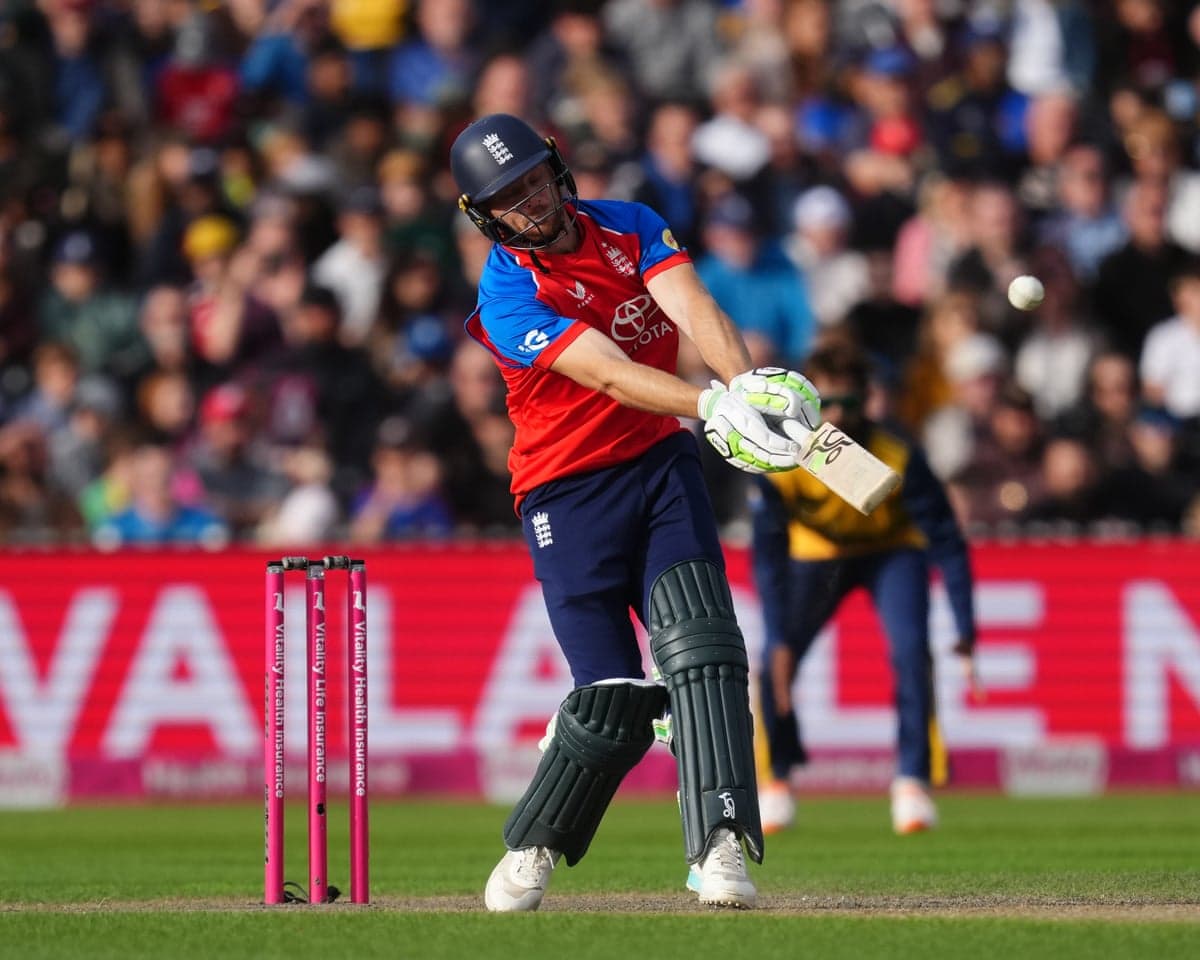
O’Rourke’s Unlikely Contribution Frustrates England
New Zealand bowler Will O’Rourke, who had accumulated just 19 runs across his previous 23 Test innings, remarkably doubled his career total in the first innings at Trent Bridge. This innings proved pivotal in frustrating the England side during the third Test.
On the morning of the second day, England appeared to be on the verge of regaining control of the match, contrasting sharply with their earlier struggles. Despite a different captain and a revitalized team approach, echoes of past difficulties lingered as New Zealand’s lower order resisted effectively.
Memories of the Oval Test surfaced, where New Zealand added over 100 runs for their last three wickets in the first innings. England’s bowlers had overused the short ball tactic, which Glenn Phillips and Kyle Jamieson exploited, leaving the inexperienced England side dispirited and unable to recover momentum.
In that previous encounter, England took 12 overs and three balls to claim a wicket; in this match, it took 10 overs and two balls. The prolonged stay of Will O’Rourke at the crease was particularly galling for England. Despite being a nightwatchman with a modest batting record, O’Rourke’s resilience was a key factor in New Zealand’s innings.
O’Rourke’s innings defied the typical nightwatchman role. Notably, he did not face a ball on the night he was sent in, arriving after Rachin Ravindra’s dismissal and departing before Henry Nicholls was out. This was his fourth time as nightwatchman: twice previously dismissed without scoring before stumps, and twice now surviving to stumps without scoring.

Scoring has been a challenge throughout O’Rourke’s first-class career. This innings marked his highest red-ball score and only the 20th time he reached at least one run, with 21 innings ending scoreless. In fact, 65.2% of his prior Test innings concluded without a run. Nevertheless, he has shown stubbornness, including a 20-ball duck against South Africa in 2024 and unbeaten 30- and 39-ball innings against England that same year.
However, this innings was unprecedented. In his 24th Test innings, O’Rourke matched the total runs he had scored in his previous 23 combined, increasing his career boundary count from one to five. Among these boundaries were an edge, an accidental contact, and a notable drive past point off Jofra Archer, which stands out in his brief highlights. Throughout, he outscored the recognized batter at the other end; when Daryl Mitchell was dismissed, Mitchell had faced 33 balls for 11 runs, while O’Rourke had 19 runs off 30 balls.
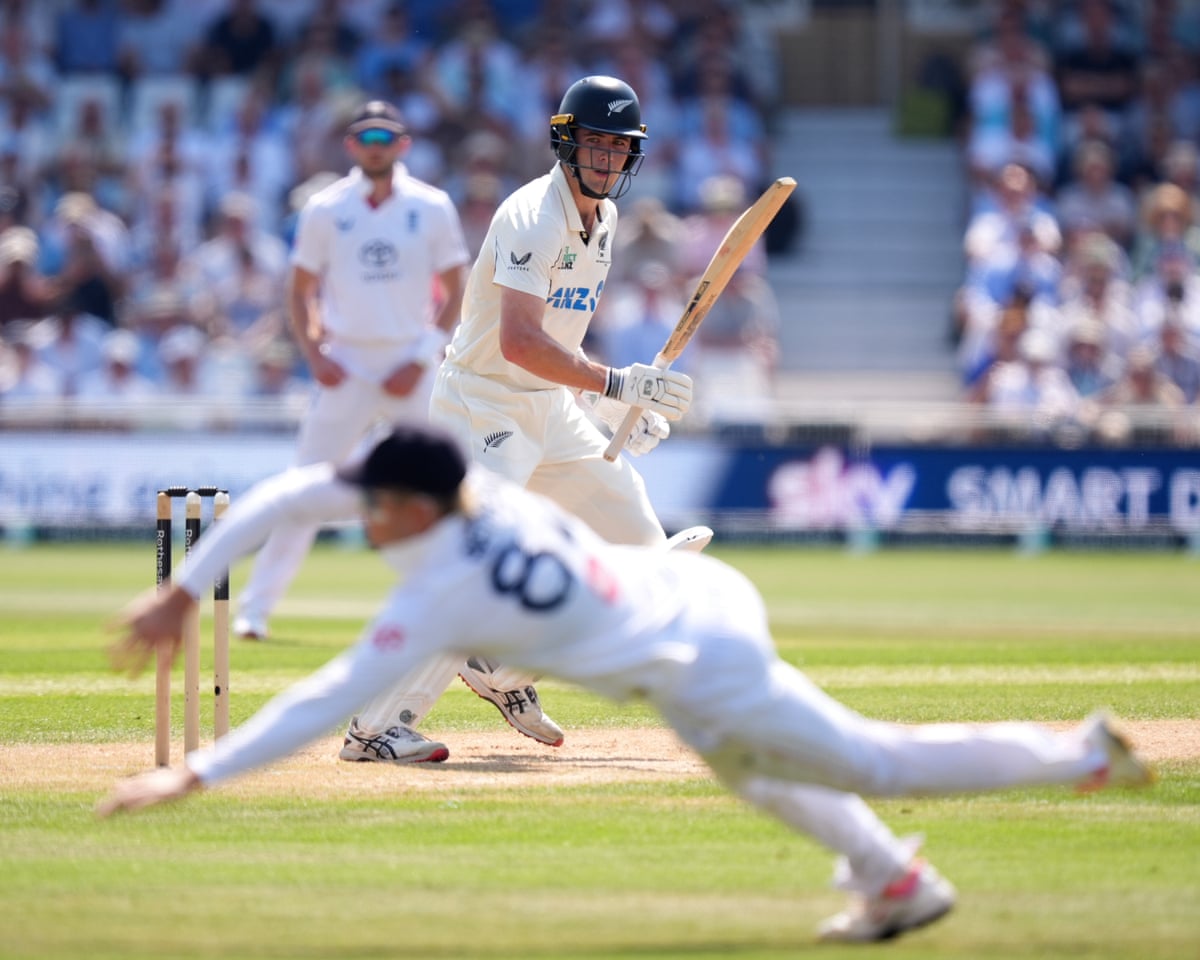
For England, every moment was a source of frustration. Unlike Phillips and Jamieson, who attacked the short ball, O’Rourke and Mitchell chose to evade it. The initial eight overs from Jofra Archer and Josh Tongue on the second day were fast and hostile, conceding only 15 runs, though they did not yield wickets. This period, before the arrival of England captain Ben Stokes in the bowling attack, was marked by mounting tension.
The conversion of New Zealand’s overnight score into a total of 438 all out was achieved in three distinct phases, with the first 10.1 overs characterized by increasing frustration. Stokes, in his first over of the day, found an edge from O’Rourke, but the ball evaded Jamie Smith’s glove, denying England a breakthrough.
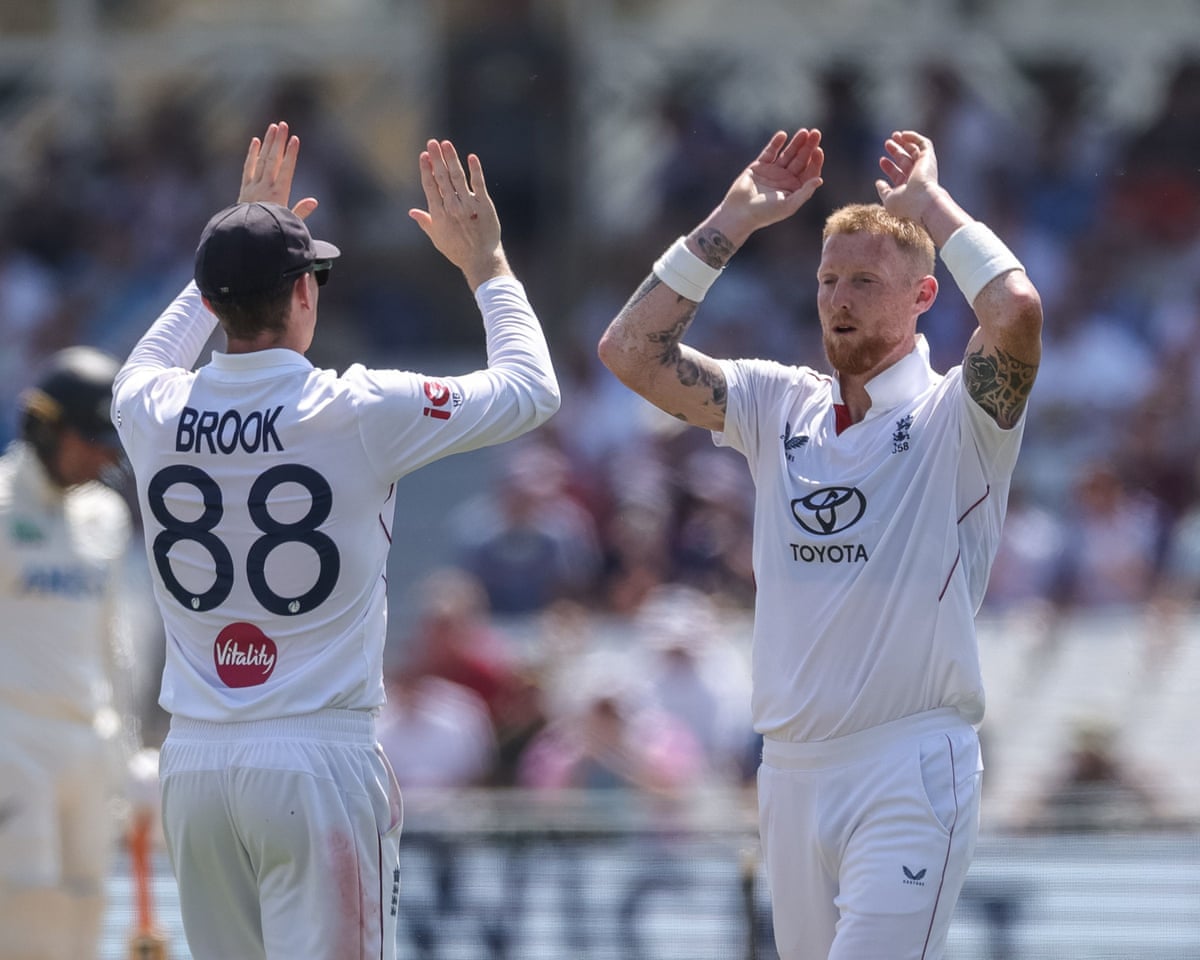
The subsequent 20.2 overs brought jubilation for England, sparked by the dismissals of Mitchell and then O’Rourke. O’Rourke’s dismissal was typical of a tail-ender: a big swing resulting in a top edge and an easy catch. Stokes returned to bowling and, on his fifth delivery, exacted revenge on Emilio Gay for taking that catch. While Stokes is more accustomed to bowling, his batting prowess is well known, and his stature makes his use of the bat distinctive.