

England’s Post-Ashes Selection Reflects Domestic Focus
In selecting Emilio Gay and James Rew for their upcoming fixtures, England have, in one respect, adhered to their commitment to prioritize domestic performances following the Ashes defeat. Both players have demonstrated strong form in domestic cricket.
However, as the team recovers from the 4-1 series loss in Australia, questions arise about the broader identity of the squad and its future direction.
McCullum Reflects on Coaching Approach
When asked about his future as head coach at the conclusion of the Ashes tour and whether he might alter his methods, Brendon McCullum offered a measured response.
“I have a firm conviction in a lot of my methods,” McCullum replied. “I’m not against evolution and progress. However, you need to stand for something. Without being ultimately able to steer the ship, maybe there is someone better.”
Support Staff Expansion Ahead of Training Camp
Previously, McCullum had reduced the support staff to a minimal number, believing too many voices in the dressing room were counterproductive. By the time of the Ashes, only two assistants—Marcus Trescothick and Jeetan Patel—and a short-term bowling coach, David Saker, remained.
However, upon his return to England next week for a three-day training and team-bonding camp in the Midlands before the first Test at Lord’s on 4 June, McCullum will encounter an expanded support group.
Alongside the two assistants, Sarah Taylor will lead fielding drills and likely assist Jamie Smith with wicketkeeping. Mike Yardy, head coach of England Under-19s, and Will Gidman from Durham have also been added for additional support.
Troy Cooley will attend the camp as the National Pace Bowling Lead, having rejoined English cricket over the winter, while Tim Southee will return as bowling coach after completing his commitments in the Indian Premier League. This represents a significant increase in coaching personnel compared to McCullum’s earlier approach.
There is speculation that this augmentation of coaching staff is influenced by captain Ben Stokes, highlighting a tension observed during the Australia tour. McCullum aimed to prevent player burnout by limiting training intensity, sometimes even encouraging players to leave the nets, whereas Stokes advocated for more rigorous practice.

Additionally, England are recruiting a Performance Chef Consultant to design menus that support training adaptation, match performance, and recovery, aligning with modern elite sports practices. This contrasts with McCullum’s initial decision four years ago to remove the team’s nutritionist, allowing players more autonomy over their diet, including the return of bacon sandwiches in 2022.
Marcus North Joins as Selector
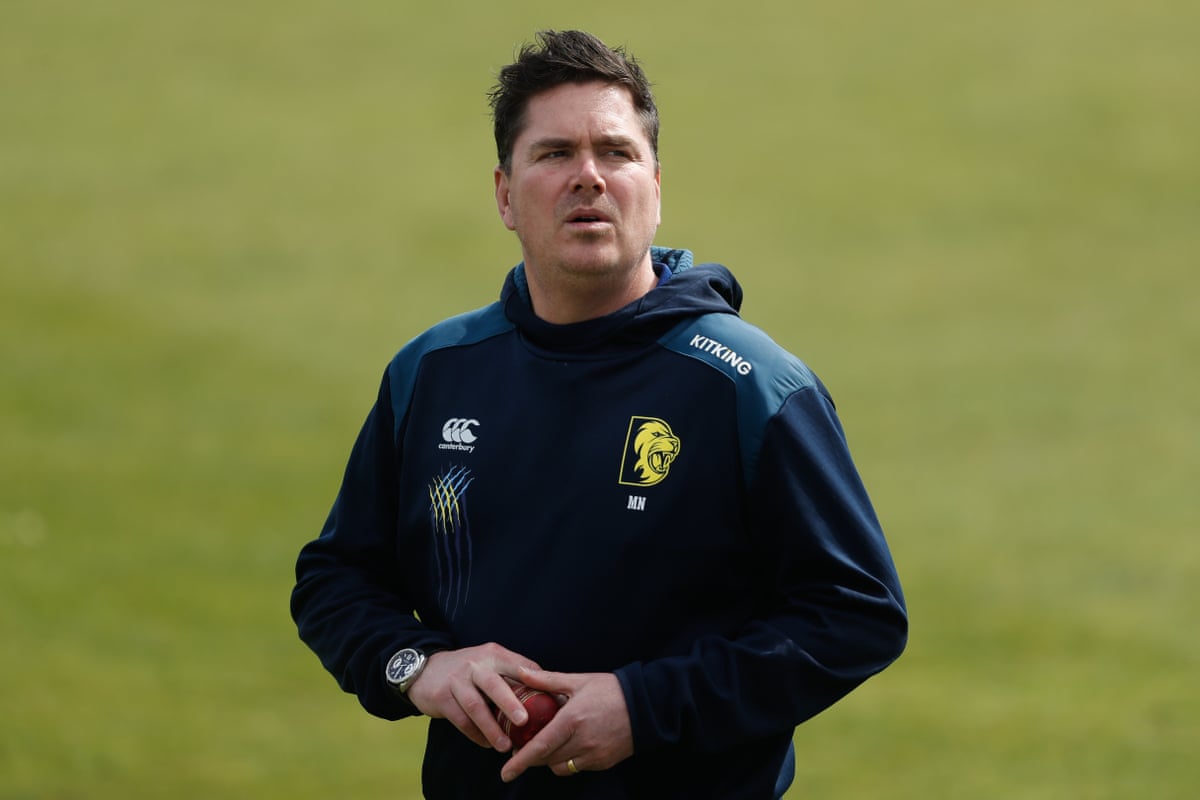
Marcus North has been appointed as a selector this summer. Formerly Durham’s director of cricket, North is well-regarded and connected within the game. At Chester-le-Street, he is known for his straightforward communication and consideration of players as individuals.
North will collaborate on selection matters and contribute to contract decisions but will not serve as chair of selectors. He joins Rob Key’s panel, adding an important voice without ultimate decision-making authority.
New Player Selections and Challenges Ahead
Emilio Gay, who scored four centuries in Division One last year for Durham and is familiar to the England Lions setup, has been selected as the team’s new opener. His adaptation to the higher level and increased scrutiny remains uncertain.
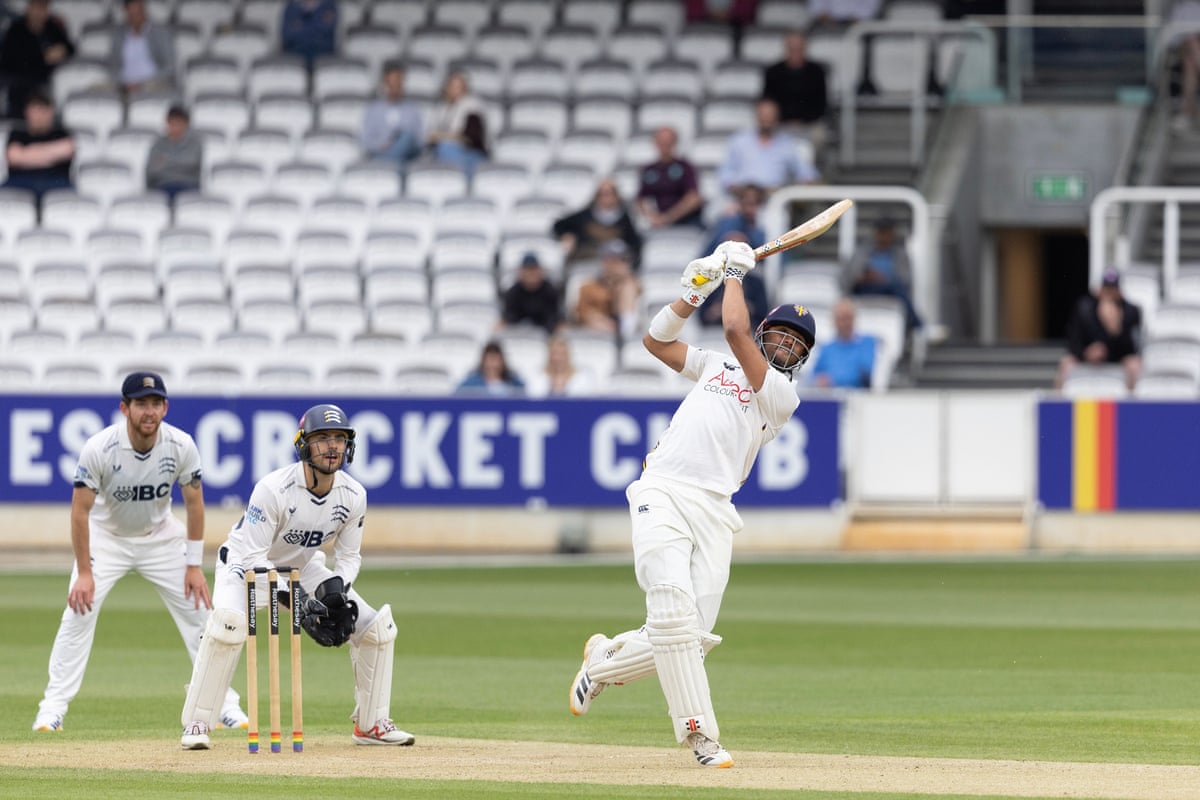
Before the Ashes series, England might have considered selecting 21-year-old Ben McKinney, a promising 6ft 7in batsman and teammate of Gay at Durham, or continued to back Zak Crawley. McCullum, serving as a selector from afar during the County Championship, likely had input on these decisions and the expanded backroom staff.
Balancing Relaxation and Rigour
McCullum now faces the challenge of reintegrating into an environment shifting from a relaxed atmosphere toward increased discipline and structure.
Four years ago, McCullum was appointed following a severe Ashes defeat, with low expectations allowing him to encourage players to play freely and without fear of failure, which initially yielded positive results.
This summer, after surviving difficulties in Australia, the leadership team must secure victories against New Zealand and Pakistan to validate the current reboot. The success of this effort may depend on McCullum’s ability to adapt without compromising his core principles.


