Australia’s Dominant Semi-Final Performance
The West Indies failed to mount a challenge in the semi-final, allowing Australia to test their bowling attack against either England or South Africa in the final.
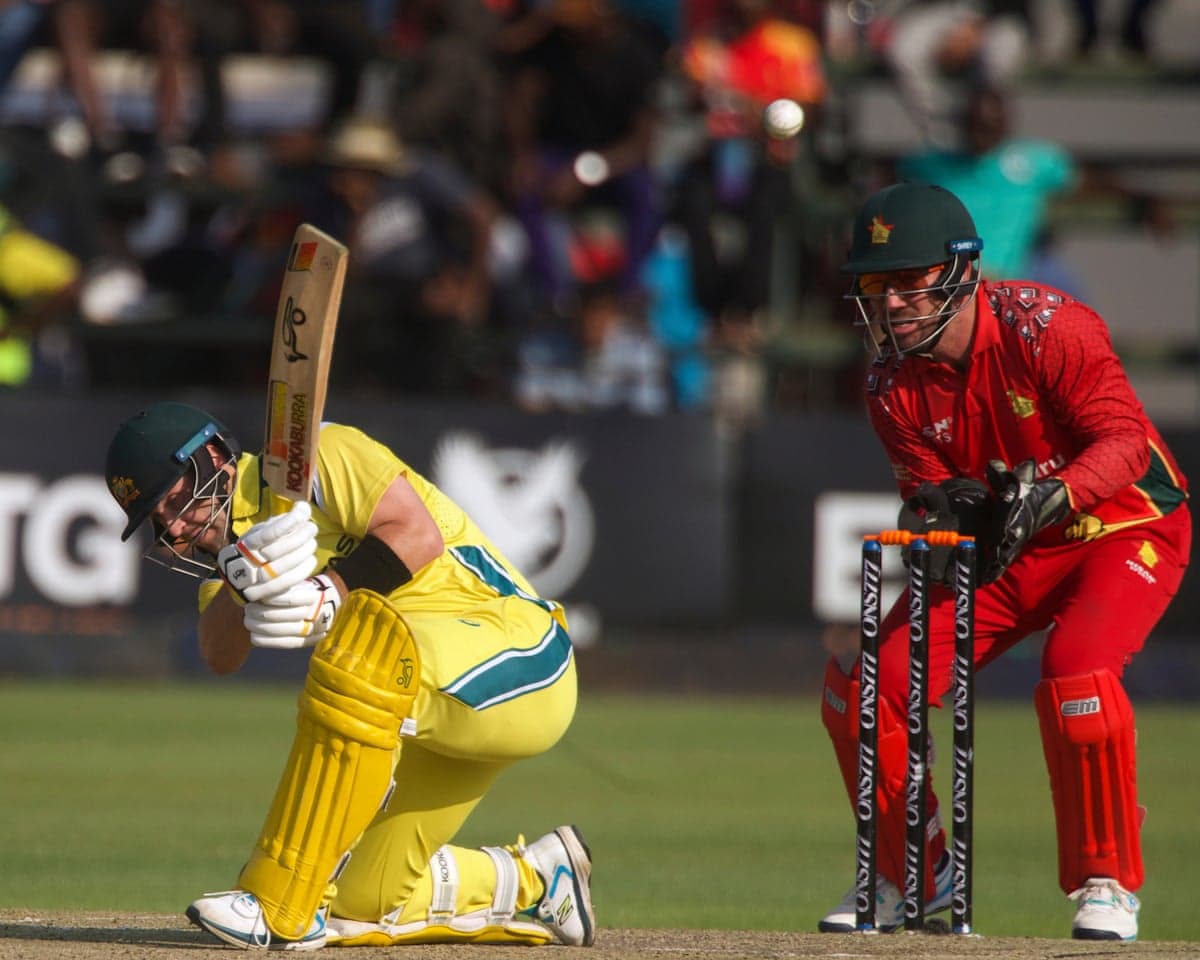
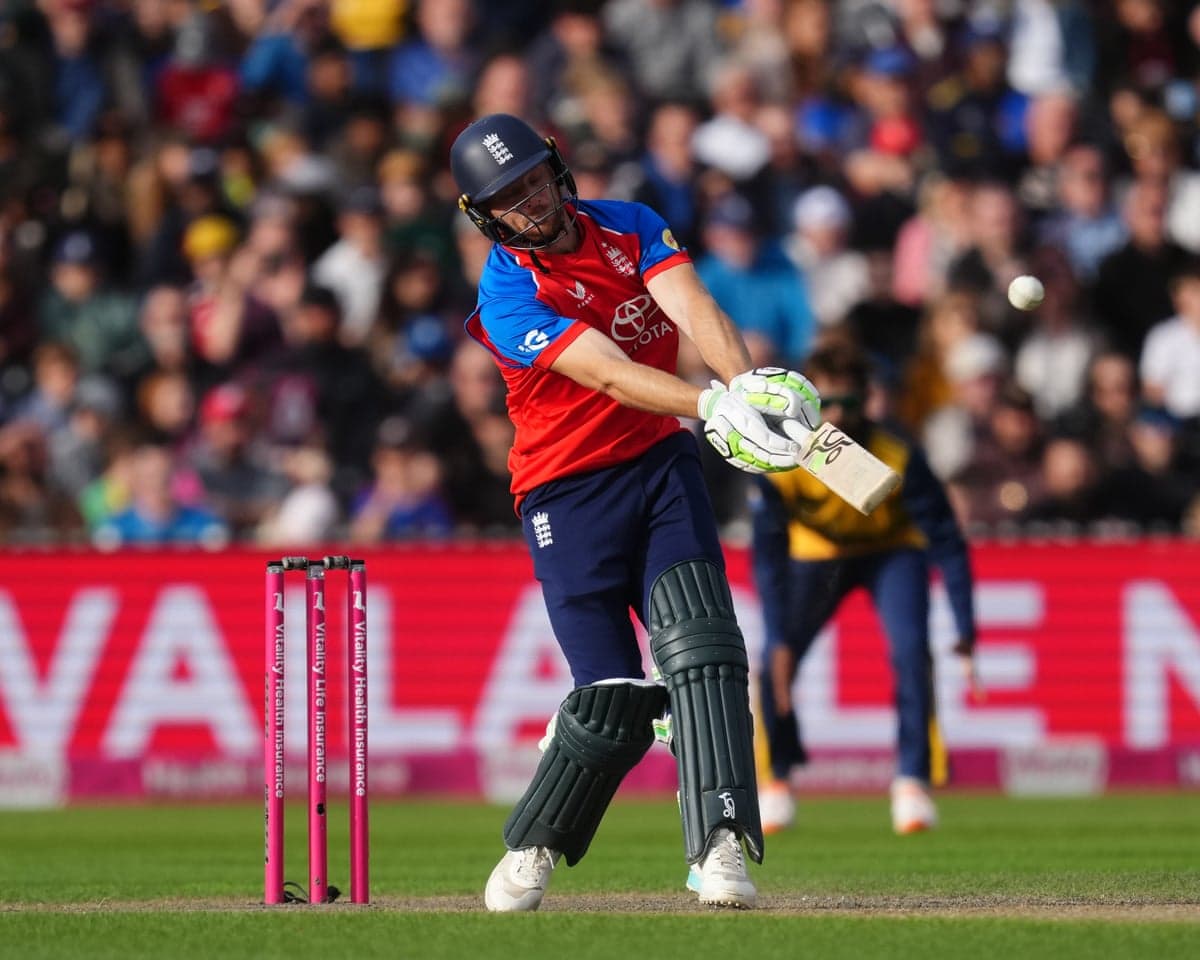
The original concept of Twenty20 cricket was to increase scoring rates, but the modern T20 game is heavily focused on batting prowess. Indian Premier League matches regularly see scores of 250, six-hitting records, 30-ball centuries, and the pursuit of a 20-over double century. This relentless attention to batting is as constant as the flight of white Kookaburras into the crowd. For the Australia women’s team, the spotlight has been on young aggressive batters Phoebe Litchfield and Georgia Voll; on Ellyse Perry’s late-career improvement in strike rate; and on Ash Gardner and Georgia Wareham’s powerful hitting in the final overs.
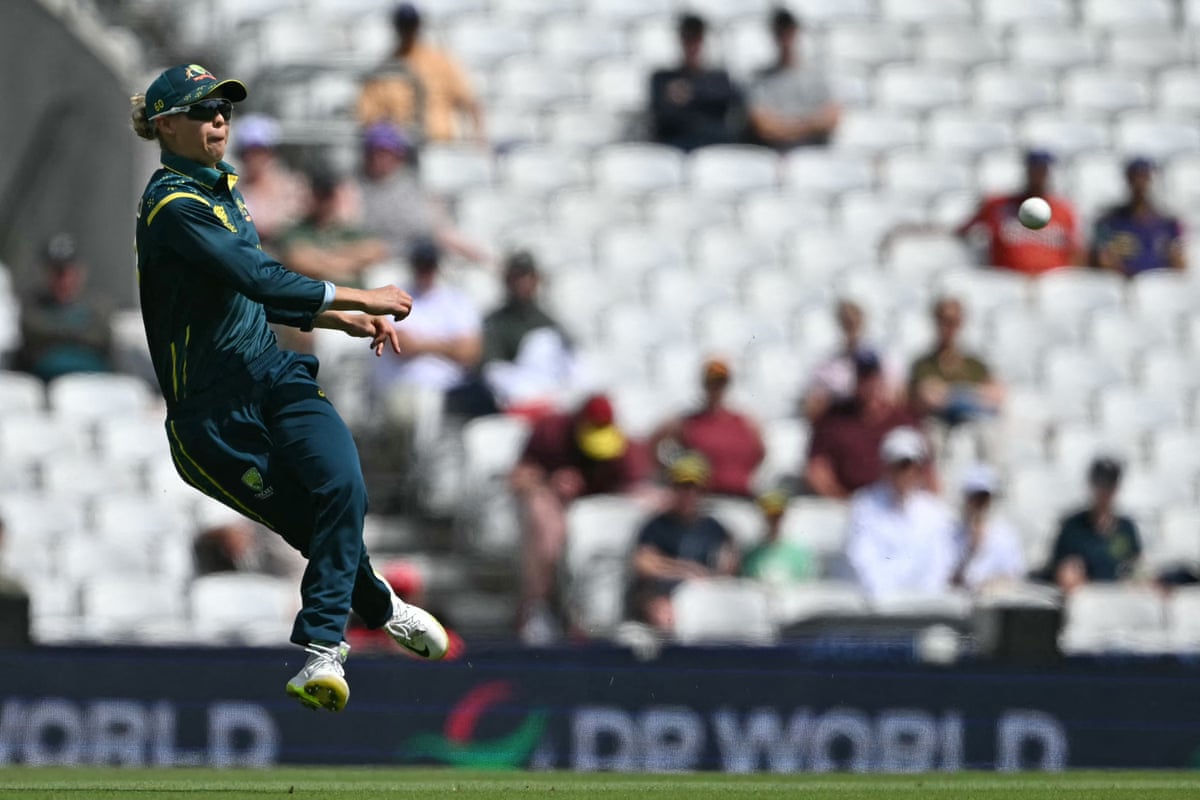
However, in the current T20 World Cup in England, Australia’s success has been built primarily on their fielding and bowling, most notably in their semi-final victory over the West Indies, where they secured an eight-wicket win with seven overs remaining.
Throughout the tournament, Australia has not faced significant challenges in six wins, as their bowlers have consistently restricted opposing teams. India was the only group-stage opponent to post a competitive total, but Australia’s approach in that match—experimenting with death bowling and a late lapse in fielding that allowed four sixes in the final eight balls, including two dropped sixes—meant the target was chased down comfortably.
West Indies’ Struggles and Dottin’s Health Scare
The West Indies were never truly competitive at the Oval semi-final after being sent in to bat. A major disruption occurred when Deandra Dottin collapsed during Australia’s national anthem due to an unspecified health issue and had to be carried off to the medical centre as play commenced. The uncertainty over Dottin’s return may have affected the West Indies’ confidence to attack.
Opening batters Hayley Matthews and Qiana Joseph aimed to aggressively target the bowling with the field set up accordingly. While both attempted to impose themselves, Australia’s bowlers denied them the opportunity to succeed.

Matthews began well, driving a half-volley from Lucy Hamilton through cover for four runs. However, Hamilton’s left-arm angle across the right-hander, combined with a deep point fielder, nearly trapped Matthews early and allowed Hamilton to bowl tight lines. Kim Garth, using the new ball on a humid day, generated significant outswing, frequently beating Matthews’ edge.
In her second over, Garth adjusted to bowling back of a length on an Oval pitch that gripped and slowed the ball. Joseph, selected for her attacking potential, struggled to connect and repeatedly swung at deliveries without contact. The precision of Australia’s seamers led to Hamilton returning for a second spell before the powerplay ended. Matthews managed a few boundaries off Sophie Molineux but was increasingly restricted.
By the time fielding restrictions were lifted after six overs, West Indies remained wicketless but were scoring at just under a run a ball, effectively putting the game out of reach. Joseph was on 9 runs from 19 balls, and Matthews, under pressure, was dismissed attempting a ramp shot in the ninth over with the run rate still below six runs per over. Joseph, despite a dropped catch and hitting a six, was eventually caught for 16 from 22 balls. At the halfway stage, West Indies had scored 58 runs without establishing a platform to accelerate.
Australia’s Bowling Precision and West Indies’ Limited Response
The relentless accuracy of Australia’s bowlers continued to stifle the West Indies. Ash Gardner, not previously at her best in the tournament, bowled four economical overs for 14 runs and took two catches at cover, deceiving batters with her flight. Remarkably, Dottin returned late in the innings and used pace from Annabel Sutherland to find some boundaries. It was notable that the team’s best strike rate came from the player who had been wheeled out of the medical room in a wheelchair earlier. Despite Dottin’s 26 runs from 16 balls, West Indies could only reach 125 for 7 wickets.
In essence, West Indies were unable to compete because Australia’s bowlers did not allow them to establish themselves. What might have been a tense contest, especially given Australia’s recent losses in World Cup semi-finals across formats, turned into a comfortable afternoon victory.
Looking Ahead to the Final Challenge
The final is expected to present a tougher challenge, with England consistently demonstrating strong ball-striking throughout the tournament and South Africa showing some quality batting despite inconsistent form. The key question is whether either team can succeed against an Australian bowling attack with such depth and consistency across eight or nine options. With such a balanced XI, short-form cricket need not be dominated solely by batting.