England
Ben Stokes: 57 runs at 14.3; seven wickets at 21.9. Stokes retired while still England’s best bowler, captain, and close to a century as a batter. He acknowledged that once motivation fades, performance declines rapidly, a common experience for retirees. He bowled only seven overs on the "unsatisfactory" Lord’s pitch but delivered consistently at Trent Bridge, exploiting the cracks with pace and movement. Despite his efforts, he deserved more success. His captaincy largely focused on instilling belief and inspiring others, but if his own passion wanes, it may be time to step down before his legacy diminishes. Grade B-
Ben Duckett: 246 runs at 41.0; two catches. At Trent Bridge, Duckett appeared comfortable, playing his natural attacking game with pulls, slashes, and drives. He scored England’s only century of the series, briefly reviving hopes of a repeat of 2022’s success on this ground. His consistency was notable, failing to make a big score only once in six innings. While this steadiness avoided exposing Joe Root to the new ball, Duckett did not capitalize enough to push the team forward. Grade B
Emilio Gay: 139 runs at 23.2; six catches. Gay’s fielding improved the team’s standard following the Ashes disappointment. At the crease, he remained composed and displayed a pleasing cover drive and diverse scoring options. Although he has potential, he must establish himself over the long term. He is expected to retain his place for the remainder of the Test season but may need a significant score to secure selection for the South Africa tour. Grade B-
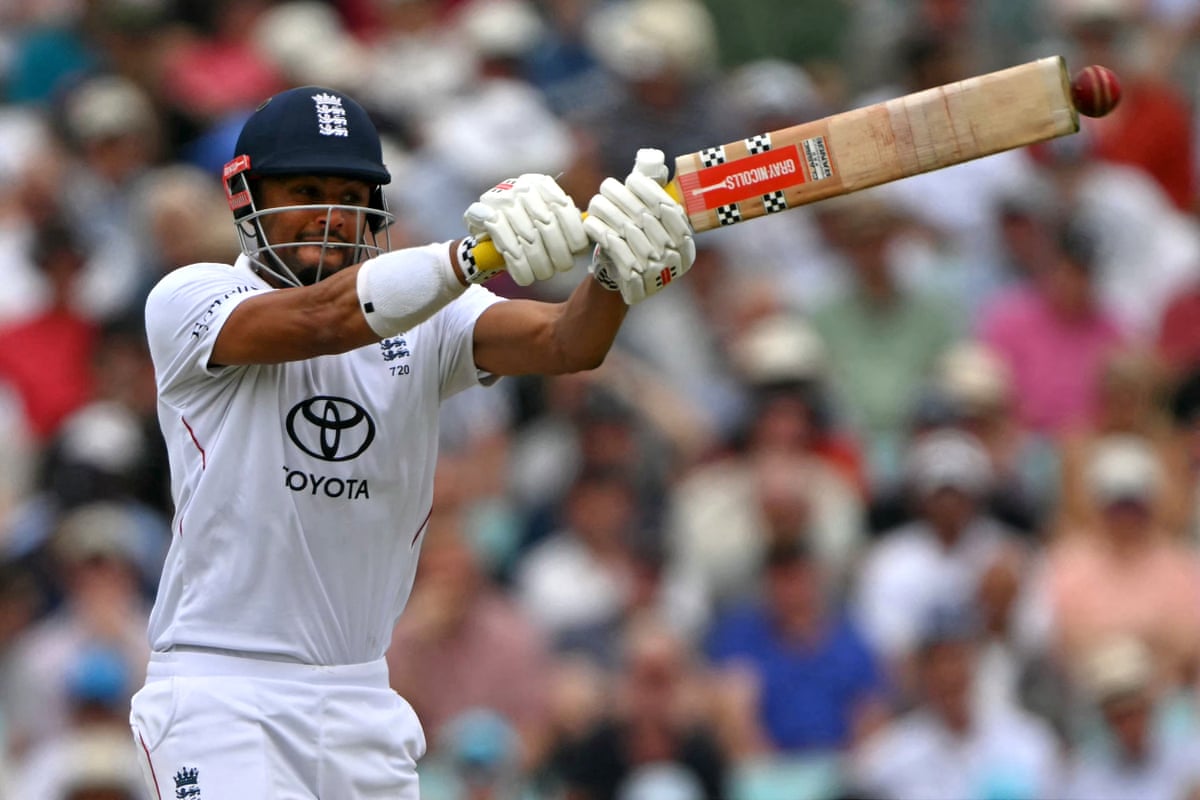
Jacob Bethell: 103 runs at 17.2; four wickets at 23.3; five catches. Bethell’s attacking stroke play, reminiscent of David Gower, was impressive when in form but infrequent. His poor shot selection and tendency to play outside his eyeline limited his impact. He reached his best form only once, in the Third Test, demonstrating his potential. However, his failure to pass 40 in ten of his last twelve innings is unsustainable for a No. 3. England’s persistence with Zak Crawley, who shared similar strengths and weaknesses, raises questions about selection strategy. Bethell contributed useful wickets but did not establish himself as more than a partnership breaker with the ball. His catching was above average. Grade C
Joe Root: 171 runs at 28.5; one wicket at 44.0; two catches. Root’s recent performances with the bat were disappointing, compounded by a difficult captaincy period. After 14 years representing England, he may need to reconsider his role. Bowlers targeted his front pad aggressively, and he must address his lbw vulnerability. Intensive practice on the bowling machine is anticipated. Grade C

Harry Brook: 217 runs at 36.2; no wickets; six catches. Brook’s aggressive approach is under scrutiny as he seeks a balance between pressuring opponents and supporting teammates. While he leaves runs unclaimed, the debate continues on whether this will affect his career longevity. Grade B-
Jamie Smith: 101 runs at 25.3; seven catches. Smith has developed a steady, if unremarkable, wicketkeeping style, punctuated by occasional high-profile errors. Despite calls for Ben Foakes’s return, Smith found some batting form late in the series. His run out of Joe Root was a pivotal moment, though Root shared responsibility. In hindsight, resting Smith for paternity leave to regain form with Surrey might have been preferable. Grade C-
James Rew: 39 runs at 19.5; three catches. Rew’s debut was marked by nervousness and inexperience, both with the bat and behind the stumps. Despite a shaky start, he is expected to improve with experience. Grade C-
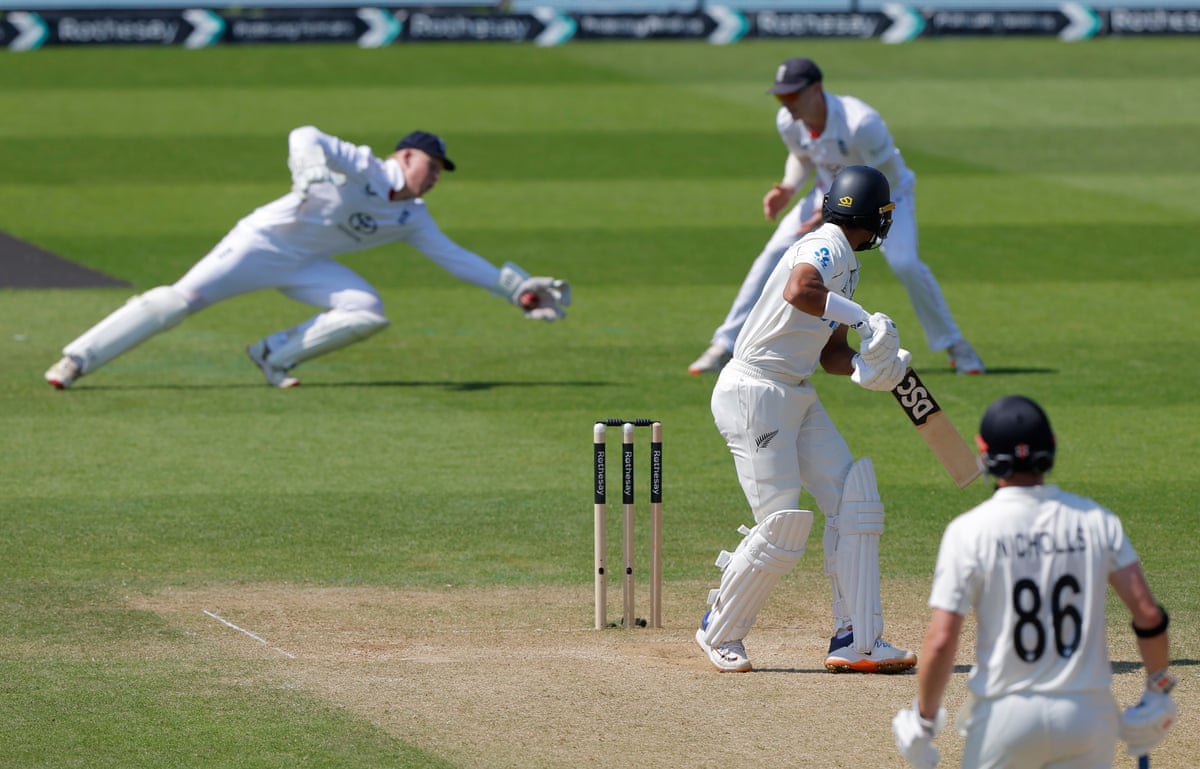
Jordan Cox: 52 runs at 26.0; one catch. After multiple opportunities, Cox secured a place and was promoted in the batting order. His ability to occupy the crease suggests the class needed for future inclusion. Grade B-
Gus Atkinson: 60 runs at 15; 10 wickets at 16.8. Atkinson’s disciplined bowling, focusing on consistent lines and lengths, often goes underappreciated. He exploits pitch conditions effectively, as demonstrated at Lord’s. His understated style belies his quality. Grade B+
Ollie Robinson: 30 runs at 15.0; seven wickets at 11.0. Robinson displayed exceptional skill during his limited time on the field, including a remarkable first over at Lord’s with three wickets. His control and precision mark him as a top-class bowler, though injury limited his appearances. Grade A-
Jofra Archer: 25 runs at 6.25; 11 wickets at 22.8. Archer’s pace and challenging bowling style made him difficult to face, despite occasional criticism for inconsistency. His efforts, particularly when employing bouncers, were significant. Better fielding support and participation at Lord’s would have enhanced his impact. Grade A-
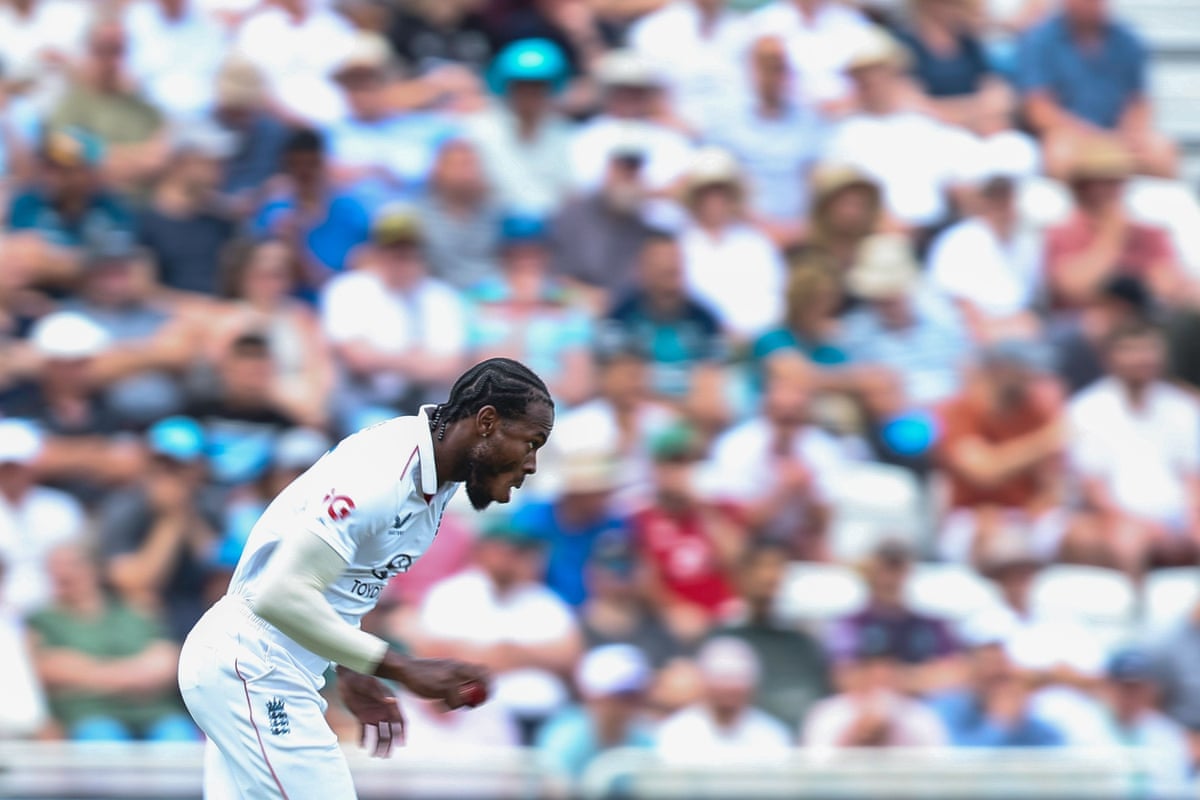
Matthew Fisher: 50 runs at 50.0; five wickets at 24.0. Fisher contributed wickets on home ground and some runs but was not strongly advocated for retention at Trent Bridge. Grade B+
Josh Tongue: 20 runs at 4.0; eight wickets at 49.9; one catch. Tongue’s bowling action allows him to target batters effectively, but in this series, his wicket-taking did not compensate for the runs conceded. His expensive figures at The Oval and Trent Bridge suggest challenges ahead. Despite ample county cricket experience, he struggled to make a consistent impact. Grade C
Sonny Baker: 4 runs at 4.0; three wickets at 53.7. Baker’s debut showed promise but also highlighted his youth and inexperience. He appears to require significant development time to reach elite levels. Grade D
Shoaib Bashir: 14 runs at 14.0; three wickets at 49.0; one catch. Bashir’s ability to dismiss set batters is valuable, but his high economy rate remains a concern. His bounce challenges batters, yet his future under new leadership is uncertain. Grade C-

New Zealand
Tom Latham: 189 runs at 31.5; three catches. Latham won the toss in the deciding Test and made the strategic call to bat, contributing to a 319-run opening partnership. Off the field, he managed team challenges and injuries effectively, demonstrating leadership without seeking the spotlight. His guidance helped New Zealand recover from a 1-0 deficit to win the series. Grade A-
Devon Conway: 224 runs at 37.3. Conway’s significant innings in the first innings of the final Test was pivotal. Five years after his debut double century at Lord’s, his experience bolstered a balanced batting lineup that outperformed England’s. Grade B
Kane Williamson: 18 runs at 9.0; two catches. Williamson, a generational icon, retired after two low scores on a difficult pitch. His career exemplified maximizing personal and team potential with grace. Grade C-
Henry Nicholls: 197 runs at 49.3. Nicholls stepped up in Williamson’s absence, delivering a crucial 121 in the second innings of the second Test that decisively shifted momentum. He also executed a remarkable run out of Joe Root, extinguishing England’s hopes. Grade A-
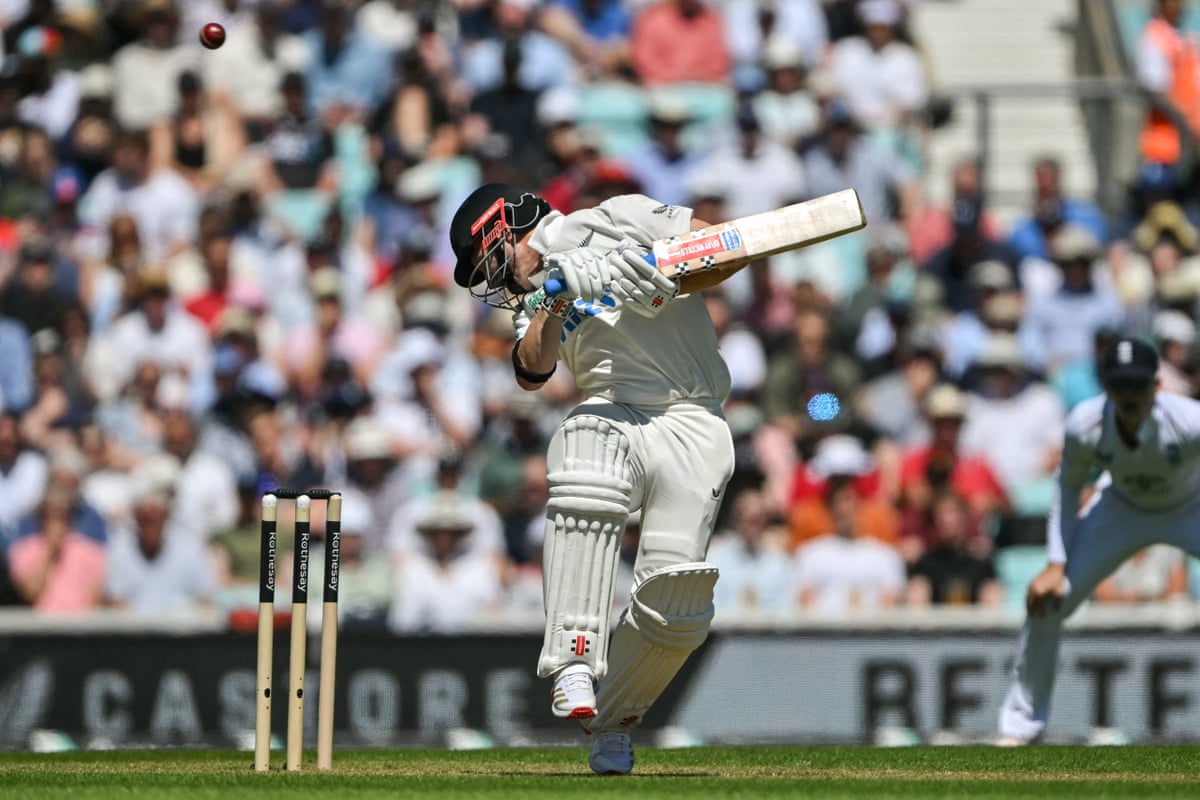
Rachin Ravindra: 218 runs at 36.3; no wickets; one catch. Despite fielding lapses and inconsistent batting early in the series, Ravindra improved steadily, highlighted by a near-century in the Third Test. Grade B+
Daryl Mitchell: 235 runs at 47.0; nine catches. Mitchell adapted his technique to challenging English pitches, notably arriving at Trent Bridge with the team in a precarious position. Despite being hit frequently, he remained resolute, finishing unbeaten on 100 with a commanding lead. His performance demoralized England and secured the series. Grade A
Tom Blundell: 123 runs at 20.5; nine catches. Blundell’s strategy of standing up to the bowling disrupted England’s best players. Although his runs were fewer than in previous England tours and his keeping imperfect, his presence intimidated opponents. Grade A-
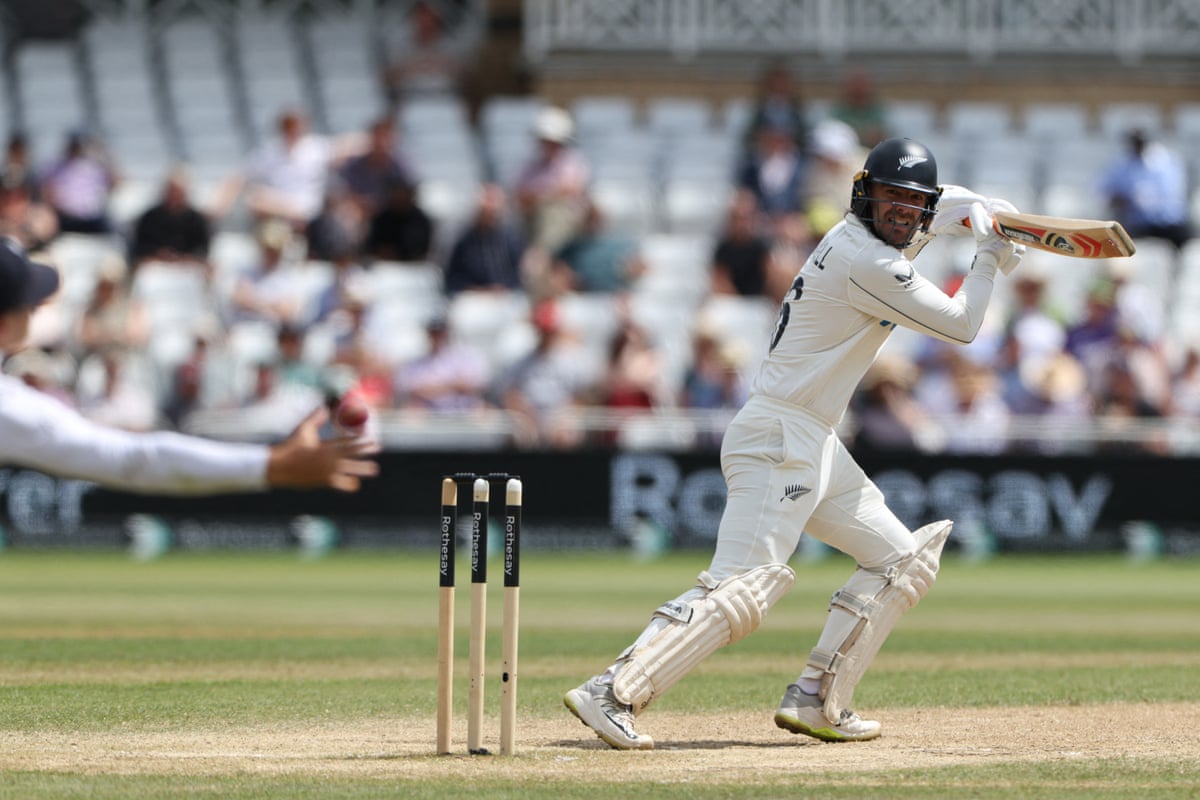
Glenn Phillips: 181 runs at 60.3; two catches. Phillips’ wholehearted approach yielded excellent results in two Tests. He adapted to difficult pitches at Lord’s and The Oval, scoring prolifically without needing to bowl. Grade A
Mitchell Santner: 4 runs at 2.0; two wickets at 56.5; one catch. The experienced all-rounder appeared rusty in the Third Test but contributed adequately in a depleted bowling attack. Grade B-
Nathan Smith: 68 runs at 11.3; 16 wickets at 23.0; three catches. Smith was a standout performer, combining pace, accuracy, and stamina. His consistent ability to hit the right areas on varied pitches made him New Zealand’s leading player in the series. Grade A
Kyle Jamieson: 91 runs at 30.3; 10 wickets at 24.2; two catches. Jamieson contributed with both bat and ball, though his slogging batting style was less refined than expected. Possibly managing his fitness, he remained a potent bowling threat. Grade A-

Matt Henry: 6 runs at 1.5; 12 wickets at 13.3; one catch. Despite a back spasm limiting his Lord’s participation, Henry excelled at The Oval, demonstrating tactical acumen and precision. His style disproves notions that slower bowlers cannot succeed in Tests. Grade A-
Zak Foulkes: 6 runs at 6.0; six wickets at 14.5. Called up as a concussion substitute, Foulkes impressed with his line and length, taking key wickets including Stokes and Brook twice each. His quirky action did not hinder effectiveness. Grade A-
Will O’Rourke: 20 runs at 5.0; 10 wickets at 25.6. O’Rourke’s serious demeanor belies his bowling talent. His height and pace are expected to trouble batsmen globally if he continues in Test cricket. Grade B+
Blair Tickner: 4 runs at no average; no wickets. Tickner showed courage attempting to continue after a concussion but was rightly withdrawn for safety. Grade N/A
Ben Sears: 19 runs at 19.0; one wicket at 85.0. Sears took a crucial wicket of Duckett with a powerful lifter and showed resilience batting with injury to support Mitchell’s century. Grade C