

Complex Geopolitical Landscape
Football World Cups have seldom been devoid of political influence, but the 2026 tournament presents an unprecedented geopolitical challenge. The primary host nation is engaged in conflict with one of the participating teams, which must travel from another country on match days.
Additionally, the co-hosts—United States, Canada, and Mexico—are concurrently engaged in intense trade negotiations concerning the USMCA, the North American free trade agreement, during the tournament period stretching from the opening ceremony at Mexico City's Estadio Azteca to the final at New Jersey's MetLife Stadium.
Former US President Donald Trump has shown significant interest in the tournament, its sponsors, and the implications of his return to the White House last year. He has humorously remarked that his 2020 election loss to Joe Biden allowed him to participate in this World Cup and the upcoming 2028 Los Angeles Olympics.
Following renewed tensions between Tehran and Tel Aviv, Trump has publicly urged a cessation of hostilities. It is plausible that the White House aims to reduce global tensions ahead of the tournament's commencement.
As the tournament's kickoff approached, Trump appeared to call off new air strikes and hinted at a potential resolution to the conflict, despite earlier threats to strike Iran "very hard." Given Trump's unpredictable nature, the situation remains fluid.
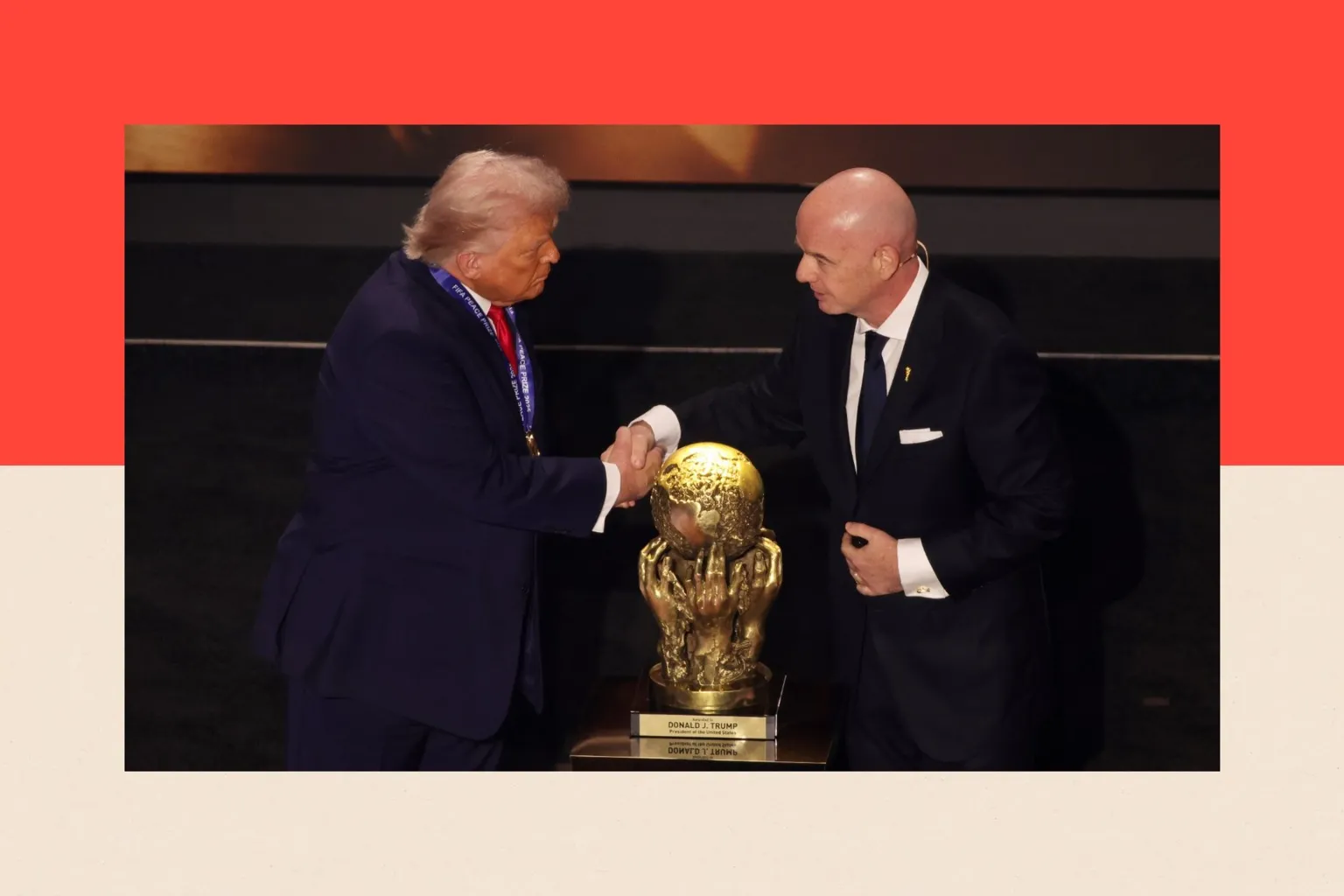
Trump controversially accepted a Peace Prize from FIFA prior to initiating conflict with Iran, which has caused significant global energy and economic disruptions. There is even the possibility that the US and Iran could face each other in the knockout stages during the US's 250th independence anniversary weekend.
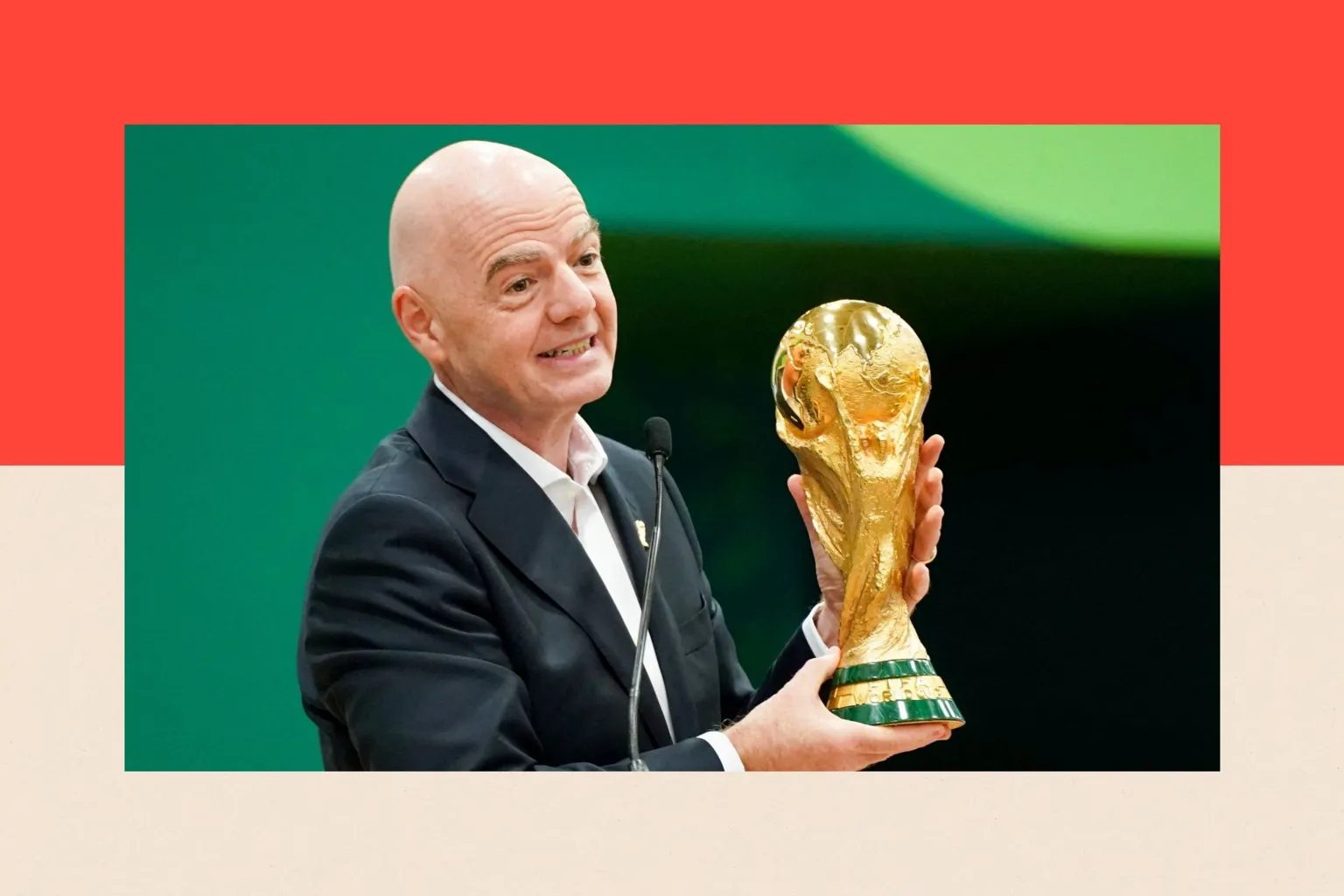
FIFA President Gianni Infantino has historically called for ceasefires during World Cups. Should the tournament accelerate de-escalation efforts, it could materially affect energy prices, supply chains, and the global economy.
Whether the World Cup can influence the major economic conflicts worldwide remains uncertain. However, the event exemplifies a significant transformation in football's economic landscape and illustrates how major global economies operate.
Squeezed Fans
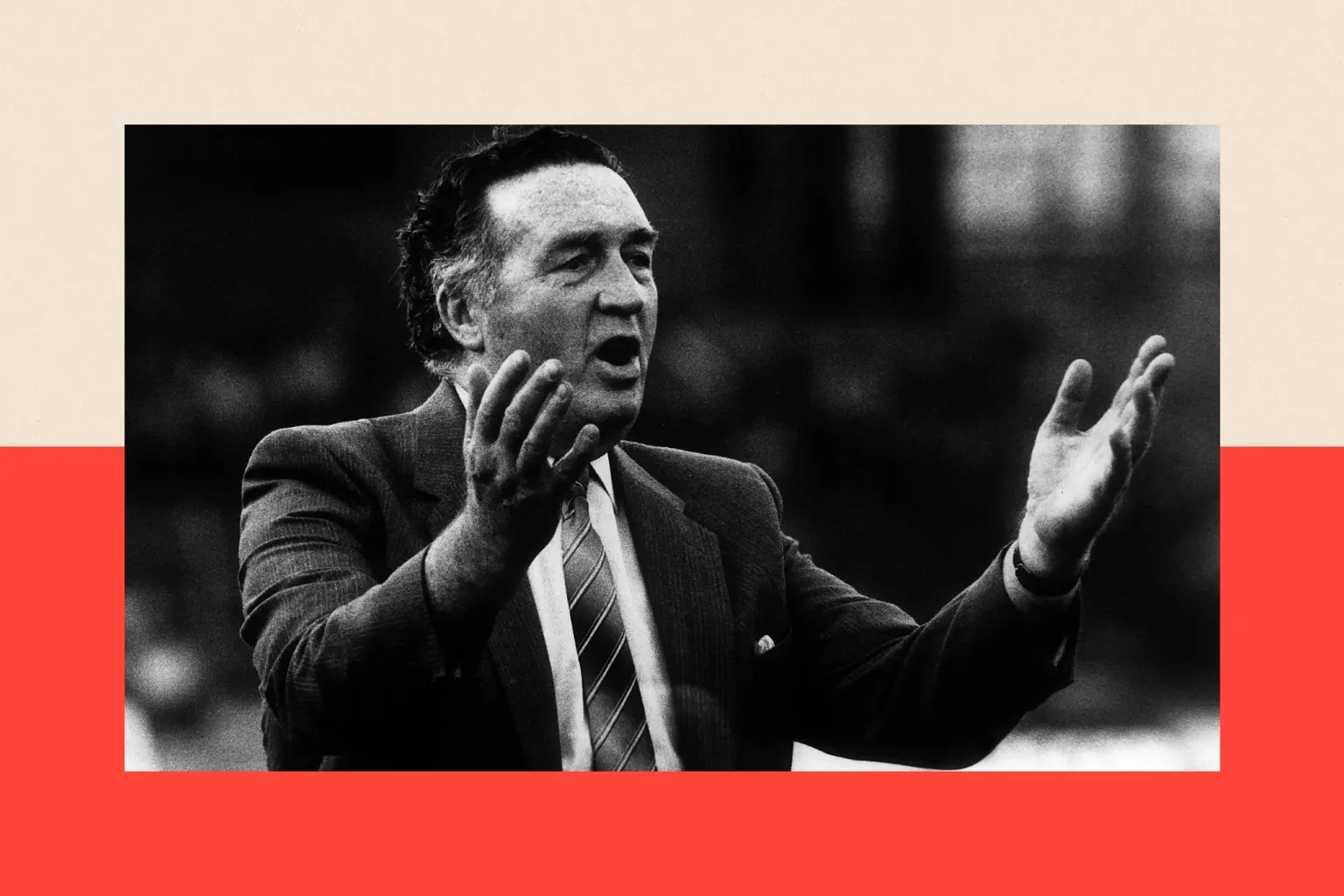
"Football is nothing without the fans,"the late legendary former Scotland World Cup manager Jock Stein once said. Yet, many fans attending the world's largest football event face unprecedented financial burdens. Some have paid exorbitant prices for matches that may lack competitive significance, while also incurring standard ticket costs merely to commute to stadiums. For example, New Jersey Transit train tickets, normally priced at $12.90 for a return trip, have surged to $100 during the tournament.
This financial pressure on fans stems from a fundamentally different economic model for this tournament. A significant portion of matches are held in American football stadiums, with a quarter of games in Canada and Mexico, imprinting the US sport's economic approach on the event.
The 2026 World Cup transforms the beautiful game into a lucrative enterprise for FIFA. This tournament may be the most economically impactful World Cup to date, not due to traditional economic stimulation in host countries or increased consumer spending in fans' home nations, but as a case study of the "K-shaped" economy prevalent in advanced economies. This model describes diverging financial outcomes within society, with one segment experiencing growth and another decline, graphically resembling the letter K.
The pricing strategy reflects an economic revolution that favors fans on the upward trajectory of this graph. FIFA, however, maintains that the substantial ticket revenues will be redistributed in a Robin Hood fashion to support football development in the world's poorest nations.
The Biggest Tournament
The 2026 World Cup is unprecedented in scale. It features the largest stadiums, the most games due to expansion from 32 to 48 teams, and is expected to attract the highest global TV audience ever. The geographic spread is vast, from Vancouver to Mexico City, potentially requiring the winning team to travel distances equivalent to Earth's diameter.
Ticket prices are exceptionally high compared to other elite football events. Final match tickets can reach five-figure sums, group stage matches often cost around $1,000, and even lower-tier games command several hundred dollars.
This represents a significant economic opportunity.
The tournament is the largest trial of a dynamic pricing model, where ticket prices adjust upward in response to demand. While dynamic pricing has been used in concerts and some sports, it has never been applied on this scale.
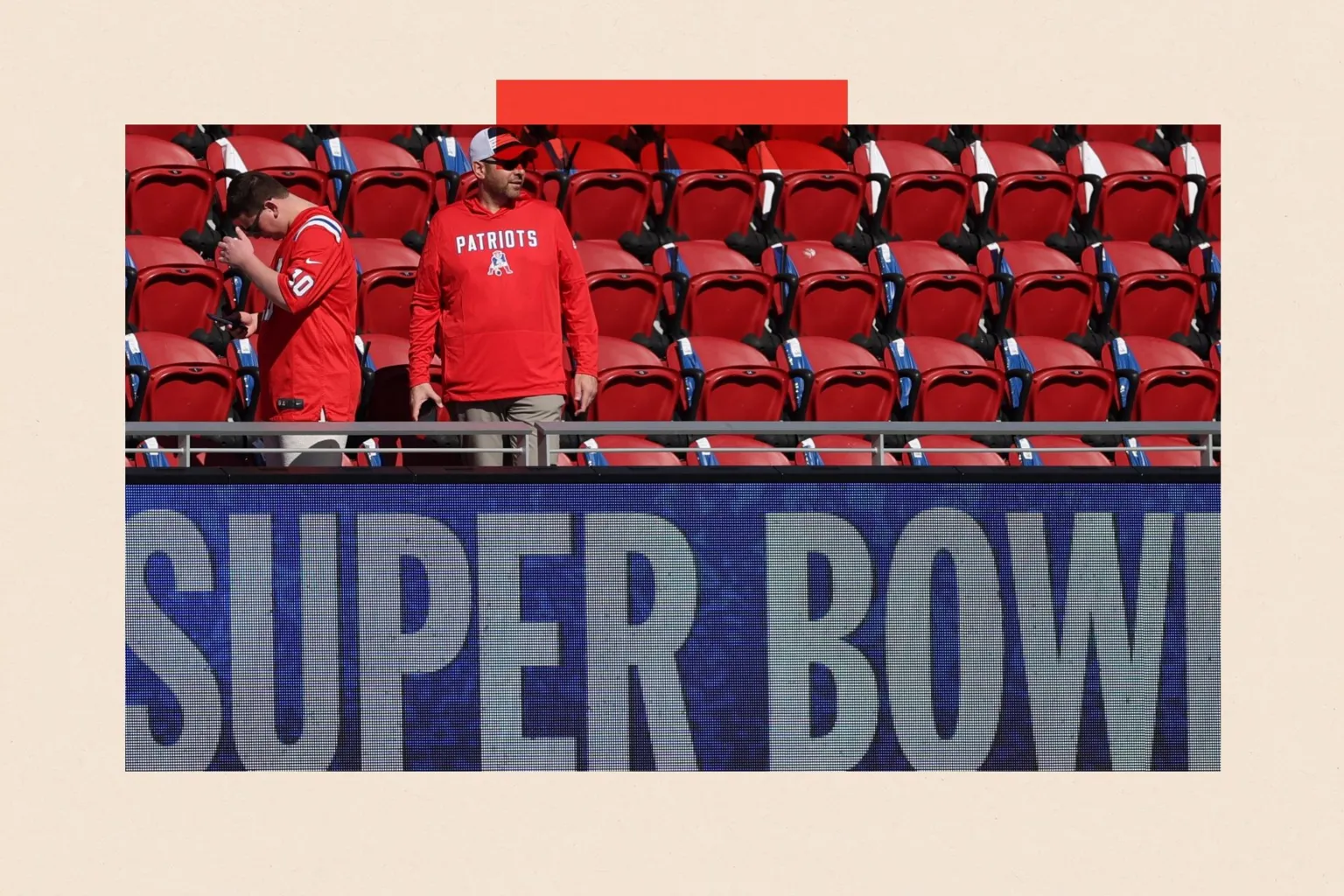
Despite the American term "soccer," the event adopts American football's economic principles. In the NFL, seat pricing focuses on revenue maximization rather than stadium sellouts. Stadium capacities have shrunk, replaced by expensive hospitality suites and lounges.
The NFL season's limited number of home games increases the value of each event. Dynamic pricing enables teams to maximize revenue, especially since TV revenues are more evenly shared than in football. With all 11 US World Cup venues being NFL stadiums, American football's economic model is clearly influencing the tournament.
This approach contrasts with previous World Cups, where hosting often catalyzed infrastructure investments, including stadium construction and transport improvements.
The 2026 tournament is asset-light, avoiding costly stadium projects like Japan's Miyagi, South Africa's Green Point, and Brazil's Manaus stadium, which often became underutilized post-tournament. Instead, FIFA rents existing stadiums, primarily funded by American football fans, and applies aggressive US-style pricing. Unlike prior tournaments where taxpayers bore building costs, 2026's expenses are largely covered by attendees, with revenues expected to soar due to more games, larger stadiums, and high ticket prices.
Projected ticket and hospitality revenues are uncertain but expected to increase dramatically. Initial forecasts suggested a rise from $929 million in Qatar 2022 to over $3 billion. Richard Sheehan, a sports finance expert at the University of Notre Dame, estimates revenues could exceed $7 billion, a sevenfold increase, with per-match ticket revenue potentially rising from $15 million to $71 million.
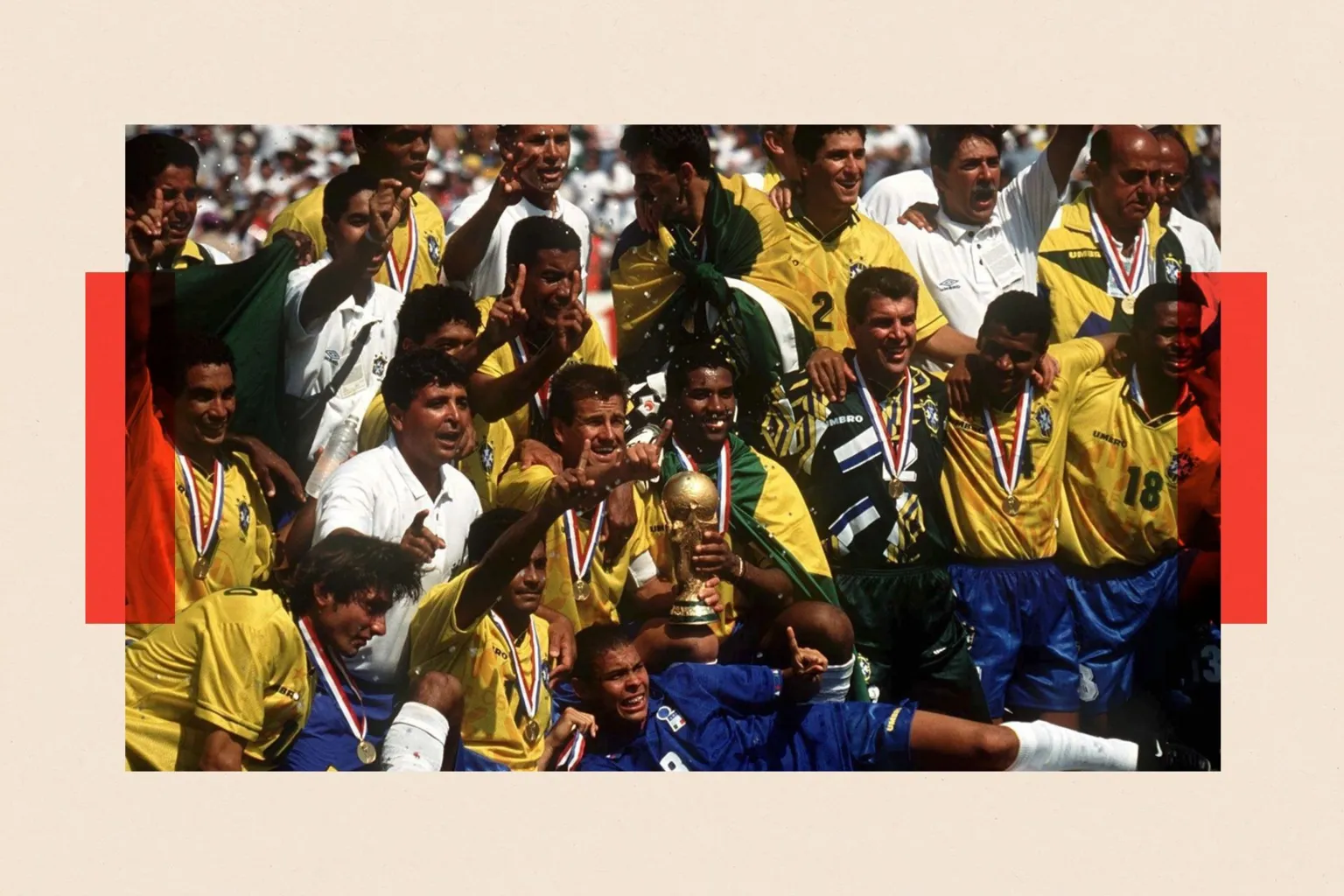
While this could benefit host cities, stadium owners, teams, and players, the reality is more complex. Unlike the 1994 USA World Cup, host cities do not share in ticket revenue, as stadiums are rented for fixed fees and prize money is predetermined. Cities must cover hosting costs themselves.
Alan Rothenberg, who led the USA 1994 World Cup organizing committee, explained to the BBC World Service:
"It's structurally entirely different. So you really can't compare it. In 1994, FIFA kept the international marketing and TV revenues and then turned the entire tournament over to the US Soccer Federation, which in turn created a separate entity to run it.
So we had one entity in this country run by us. We were given some attractive sponsorship categories and licensing opportunities as well as ticket opportunities to sell."
In response, some cities have attempted to recoup security and transport expenses by increasing transit fares. For example, New York's train fares rose tenfold before a slight reduction to $98; Boston's train cost $80; parking fees range from $175 to $225.

This contrasts sharply with previous tournaments, such as Qatar 2022, Germany 2010, Japan 2002, and France 1998, where free transport was provided to ticket holders. In Japan, volunteers greeted fans with hospitality, including food and assistance with late-night transportation.
Following public backlash, FIFA has released some lower-priced tickets, around $60, distributed by national associations. Notably, FIFA has integrated the secondary ticket market into its system, allowing fans to resell tickets without price caps, with FIFA taking a 15% commission from both buyers and sellers. Additionally, tickets have been allocated through a blockchain-based crypto-linked digital collectible system. FIFA asserts this approach captures the scalpers' premiums for the benefit of the global football community.
The substantial additional revenue will initially bolster FIFA's reserves, with commitments to redistribute funds globally. FIFA credits such investments with enabling smaller nations like Cape Verde to qualify for the tournament through improved infrastructure and grassroots development.
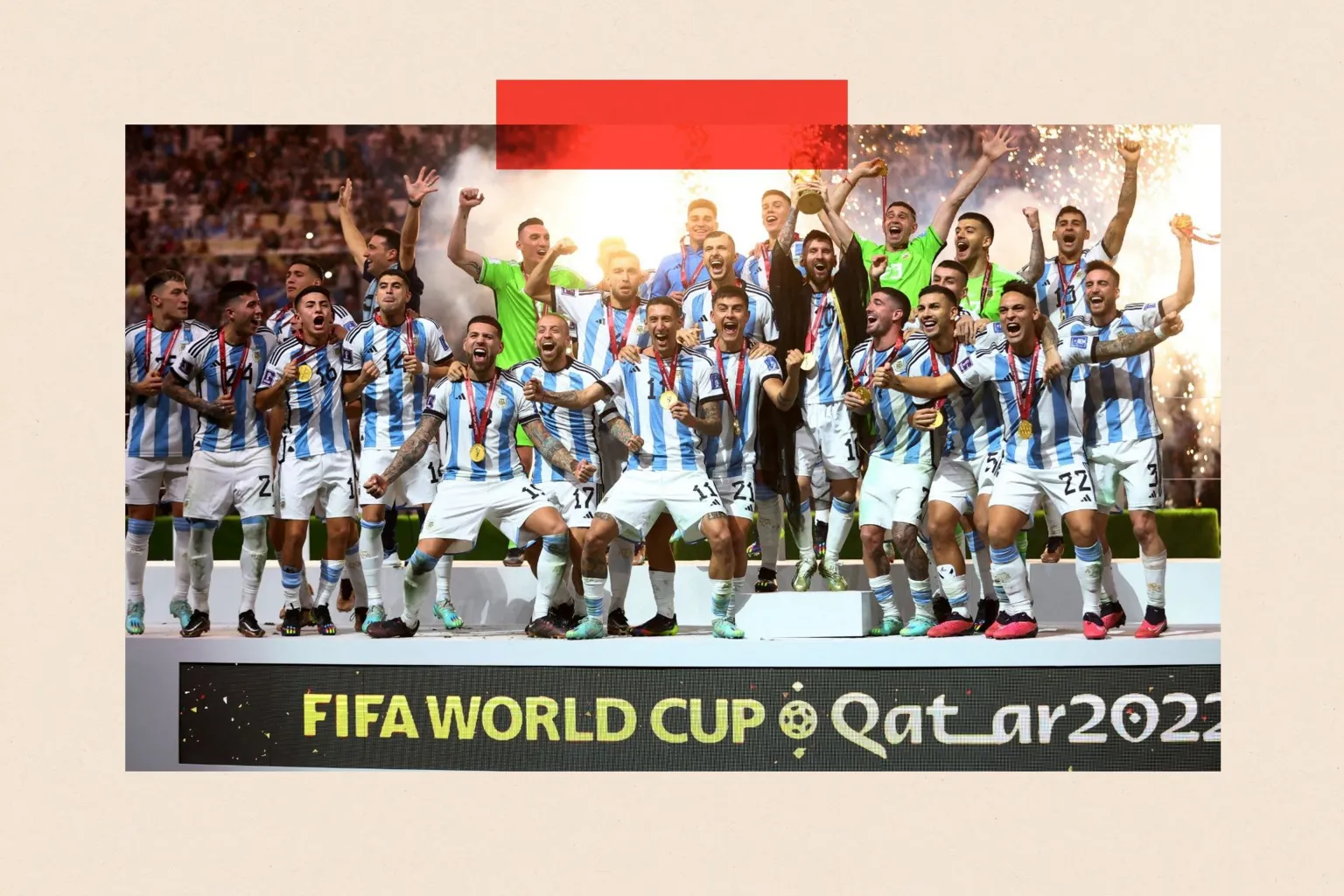
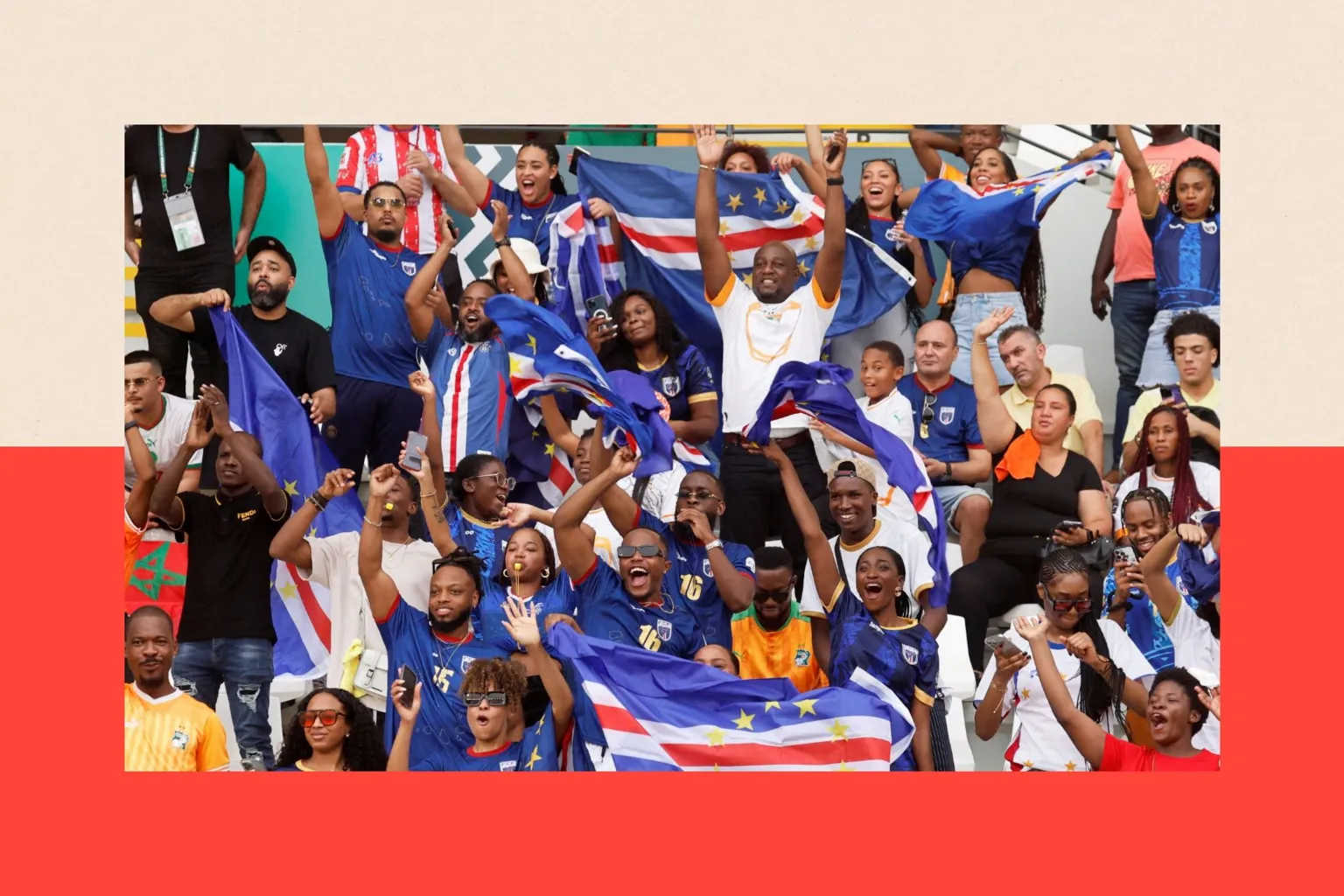
FIFA distributes development funds equally among its 211 member associations, meaning even small nations like Montserrat receive significant support, equivalent to 2.5% of its GDP or $500 per capita. This equal distribution model, enhanced under President Gianni Infantino, is driven by FIFA's one-country, one-vote system, which also influences World Cup host selection.
Dynamic pricing has transformed FIFA's revenue, with estimates suggesting average annual income now exceeds the World Health Organization's budget and rivals the United Nations' core budget.
Sheehan commented:
"What you're seeing now for the World Cup is probably the first real introduction of dynamic pricing at its most dynamic, in its most complete form… basically FIFA is taking all the scalping possibilities and moving them all in-house."
While the exact revenue remains uncertain, the ticket pricing strategy creates a substantial financial pool. This revenue is anticipated to benefit smaller nations that rarely qualify or send fans to the World Cup but hold electoral influence within FIFA. The "Golden Goose" is currently highly valuable.
However, the extreme commercialization raises concerns.
Questions remain whether stadiums will be filled, whether fans from all 48 nations will generate the vibrant atmosphere Jock Stein envisioned, and whether FIFA will need to reduce ticket prices as it did during last year's Club World Cup, where prices dropped to as low as $11 to fill seats. It is unclear if FIFA's dynamic pricing prioritizes revenue maximization or full ticket sales.
Last month, Infantino stated at an economic conference:
"We have to apply market rates" and that football must adapt to this "very special market."
Nonetheless, FIFA's decision to allow unlimited resale prices and repeated aggressive price increases reflects a deliberate choice.
A Very Different Model
European clubs like Paris Saint-Germain employ a contrasting pricing strategy, offering inexpensive season tickets behind goals and premium prices near the halfway line. This model attracts corporate clients partly due to the atmosphere created by passionate fans in the cheaper sections. The World Cup's pricing model risks losing this dynamic.
Signs of backlash against the World Cup pricing model have emerged. Resale prices for low-demand games have fallen significantly—for example, two tickets with a face value of $620 (£471) were available for £171 on FIFA's resale platform, a 64% discount.
Few of the $98 New Jersey train tickets have sold. Authorities in New York, New Jersey, California, and the European Union have investigated complaints about ticketing strategies, describing them as "a gauntlet of confusion, fake scarcity and impossibly high prices," according to New Jersey Attorney General Jennifer Davenport. The state's jurisdiction over FIFA, a Swiss-based nonprofit, remains unclear. FIFA has declined to comment.
It is uncertain whether FIFA has pushed this pricing experiment to its limit. The next World Cup hosts—Spain, Portugal, and Morocco in 2030—may not accept such pricing. British and Irish authorities have already ruled out similar pricing for Euro 2028, which features Europe's top football nations. This occurs amid emerging AI technologies that could enable personalized pricing based on individual data.
Some Premier League clubs are experimenting with dynamic pricing for select seats to increase revenue, challenging the traditional fixed-price season ticket model. If FIFA's experiment succeeds, it may encourage US NFL-affiliated European club owners to adopt similar strategies, particularly to finance new stadiums.
The K-Shaped Economy
The US NFL economic model has been applied to a global event. The US "K-shaped" economy, characterized by prosperity for the wealthiest 10% driving half of consumer spending, contrasted with stagnation for others, may be evident in stadium attendance. Dynamic pricing targets this affluent segment, transforming what was once a mass experience into a niche for the tech-fueled elite.
Host nations hope for traditional positive economic effects, such as increased consumer confidence and investment in football. Research indicates some benefits, especially for successful host nations, and stock market declines when teams are eliminated. Recent US employment data suggests tens of thousands of hospitality jobs linked to the World Cup have been created. However, the overall economic impact may be limited by the size of the US economy and its AI investment boom. Matches like Jordan versus Algeria are unlikely to distract cities like San Francisco from major AI stock market activities.
Chicago Mayor Rahm Emanuel, whose city withdrew as a host, appears vindicated by the decision. Since FIFA retains all ticket revenue, some host cities report lower hotel bookings. Many stadiums might have been sold out for concerts if not for football.
Overall, the economic impact in the US, where existing stadiums are rented and ticket revenue largely accrues to FIFA, may be modest. The primary economic benefit may come from increased consumer confidence. In the UK, strong performances by England and Scotland could boost morale after prolonged political and economic challenges, with retailers and hospitality sectors preparing for increased sales.
During Russia 2018, analysts Kantar noted an additional 13 million supermarket visits as fans stocked up at home. However, Britain's productivity may suffer due to late-night matches. Scotland has declared a Bank Holiday on the Monday following a 2am kickoff against Haiti to mitigate this.
For many, the World Cup offers a welcome distraction from ongoing news, even as the complexities of the Trump administration may present broader economic opportunities.
The global economic context shapes this football festival. FIFA is conducting a significant and controversial pricing experiment that could redefine the sport. Meanwhile, this unique World Cup may help ease some aspects of global disorder—a hope familiar to English and Scottish fans alike.
Top image credit: IMAGN IMAGES/ Connect
BBC InDepth provides in-depth analysis and fresh perspectives on major issues, with Emma Barnett and John Simpson curating thought-provoking content every Saturday. Readers can to the newsletter for updates.



