

World Cup Viewing to Cause Unusual Late-Night Energy Peaks
The upcoming World Cup is expected to cause rare late night and early morning spikes in electricity demand across the UK, according to the National Energy System Operator (Neso), which manages the country's power network.
Scotland's group matches are scheduled during hours that are typically the quietest for electricity consumption, including a 02:00 kick-off time.
England's group games will occur late at night UK time, with the latest match starting at 22:00.
Neso forecasts that each of Scotland and England's group matches could lead to an increase of approximately 600MW in national electricity usage—equivalent to the combined demand of Glasgow and Leeds.
Millions of televisions being switched on, along with kettles boiling for half-time refreshments and frequent fridge openings for snacks and drinks, are expected to contribute to these surges, Neso explained.

Neso's responsibility is to ensure that electricity supply meets the UK's essential energy needs every day of the week.
Analysts at Neso's Electricity National Control Centre have been modeling potential scenarios for electricity demand during the World Cup, which begins later this month.
Match Schedules and Expected Demand Spikes
Scotland's first group game, against Haiti on 14 June, kicks off at 02:00, followed by matches against Morocco at 23:00 on 19 June and Brazil at 23:00 on 24 June.
England's group matches include games against Croatia on 17 June and Ghana on 23 June, both starting at 21:00, and a match against Panama on 27 June at 22:00.
Both teams will play their group stage games in the United States.

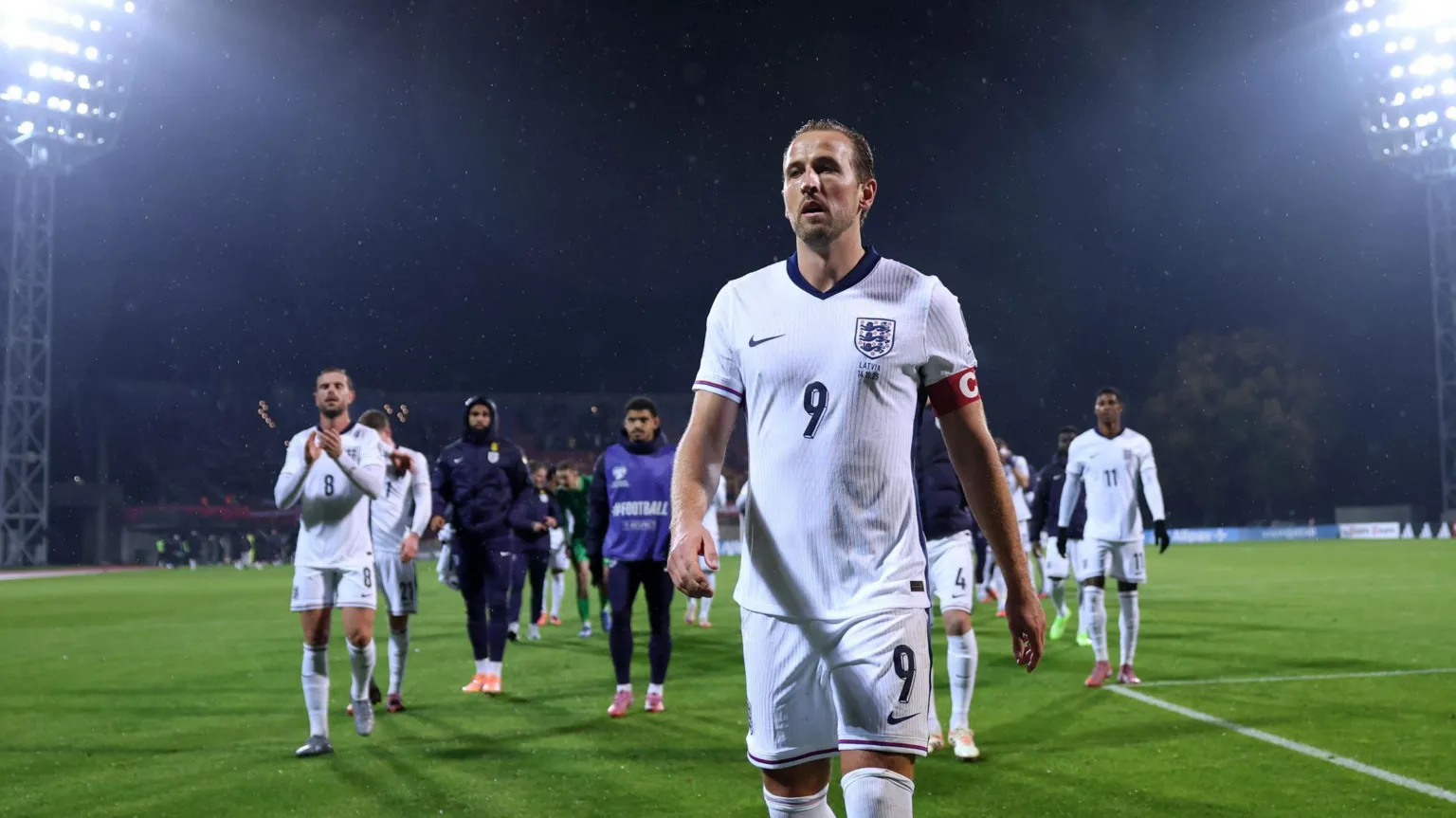
Neso indicated that England's opening match against Croatia is expected to attract the largest audience.
Energy demand during this match could increase by as much as 800MW, surpassing the 600MW surge recorded during England's 1966 World Cup victory.
The operator anticipates that demand will rise further if England and Scotland advance in the tournament, with the biggest matches drawing the largest viewership.
The current record for electricity demand surge was set during England's 1990 World Cup semi-final against West Germany, when a missed penalty in the shootout triggered a 2,800MW spike—equivalent to over a million kettles being switched on simultaneously.
Peak electricity demand is expected at half-time and full-time during matches. Neso stated that its control room is prepared to deploy technologies such as battery farms and pumped hydro storage schemes to maintain system balance.
Clean Energy and Efficiency Improvements
This year's World Cup is predicted to be the "cleanest" in terms of electricity usage, with approximately 40–50% of the power consumed expected to come from renewable sources.
More energy-efficient televisions are also anticipated to help keep electricity consumption lower than in previous tournaments.
Neso highlighted this as a significant change from the 1994 World Cup in the USA, when most TVs were powered by electricity generated from coal-fired power stations.
Operational Preparedness and Historical Context
Craig Dyke, Director of System Operations at Neso, stated that engineers will be working "around the clock" to balance electricity supply and demand during the tournament.
"Whether you're cheering on the home nations, your sweepstake side, or for me - wishing Wales were there - this year's World Cup has more games than ever before, meaning we're likely to see a surge in electricity demand across the longer tournament.
While what happens on the pitch can always throw up surprises, watching this year's World Cup will almost certainly be powered by the cleanest electricity in history."
Over the years, other television events have also caused significant power surges. For example, a 2001 episode of the British soap opera EastEnders, which featured the shooting of the character Phil Mitchell, attracted millions of viewers and led to a notable increase in electricity demand.


