

Voter Disillusionment and the 'Scunner Factor'
"I've voted since I was 18, and I'm 64 now, and I'm not doing it this year. I'm done. That's my protest - none of them are worth bothering about."
These words from Ottilie Fraser, speaking to BBC Scotland in Perth, encapsulate a widespread sentiment of political disenchantment currently prevalent in Scotland, often described as the "scunner factor." With polling data indicating a tepid response to all parties and predicting a possible decline in voter turnout, questions arise about how this apathy might influence the election results.
Public Mood Towards Politics
Politics has historically struggled to attract widespread popularity, but the current attitude of the electorate toward political candidates and leaders appears particularly negative. Luke Tryl, director of the polling firm More in Common, recently noted that focus groups in Scotland exhibited what he described as "possibly the most unenthusiastic or 'meh' I've ever experienced people be about their choices in an election."
This perception is supported by data rather than being mere anecdotal. The Scottish government's public insight monitor, conducted by YouGov, revealed that 43% of respondents reported "high" anxiety levels, 79% expressed concerns about personal finances, and there was low trust in politicians' ability to address issues such as the cost of living, NHS pressures, and climate change.

Polling Data and Voter Uncertainty
Multiple polls suggest this general dissatisfaction impacts the election. Professor Sir John Curtice highlighted a Survation poll showing the number of undecided voters has doubled compared to the same stage in the 2021 campaign. An Ipsos survey found that 42% of those who had selected a party this year might change their minds, up from 25% in 2021. Both surveys employed identical questions and methodologies at comparable points in the 2021 and 2026 campaigns.
"It's not just the one in five who are undecided, even among those who give an answer there is another two in five who are saying I am not quite sure, I might change my mind, I might go somewhere else,"said Prof Curtice.
This indicates that the election outcome remains highly uncertain in the final week, contingent on parties’ ability to motivate voters to participate.
Voter Turnout Expectations
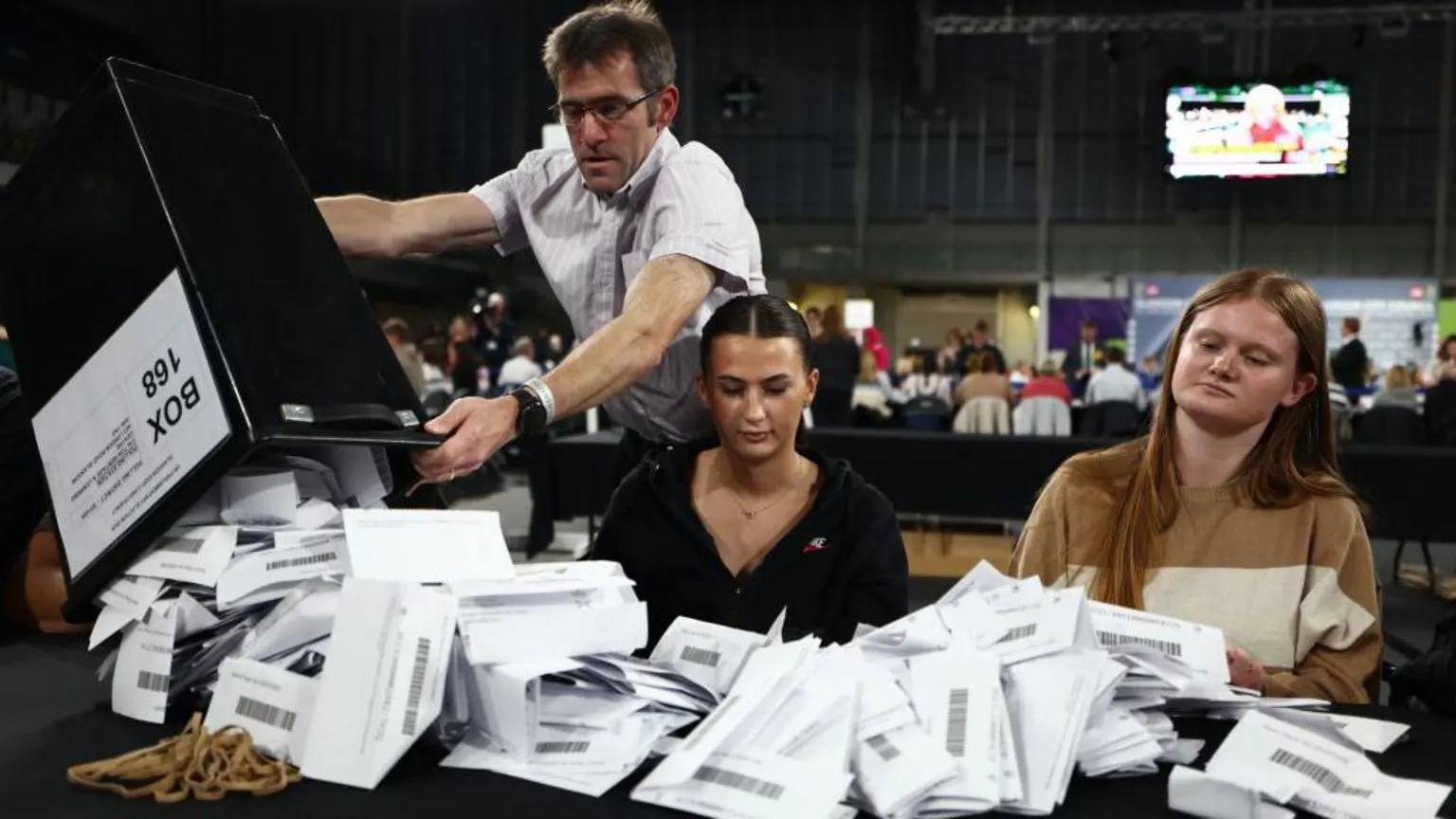
However, polling also forecasts a potential decrease in voter turnout. Professor Ailsa Henderson pointed out that the proportion of people rating themselves as "10 out of 10 likely to vote" has dropped by 10 percentage points in YouGov polls and five points in Ipsos polls. She noted,
"That figure is always higher than actual turnout - so what that suggests is we would be looking at turnout in the low fifties to mid fifties."
It is important to note that turnout for the Scottish Parliament elections reached a record high in 2021, after mostly remaining in the 50% range since 1999. The current projections may reflect a return to typical levels following a period of frequent voting, including the 2014 independence referendum, multiple Holyrood, Westminster, council elections, the European Parliament election, and the Brexit referendum.
Ground Campaigning and Voter Engagement
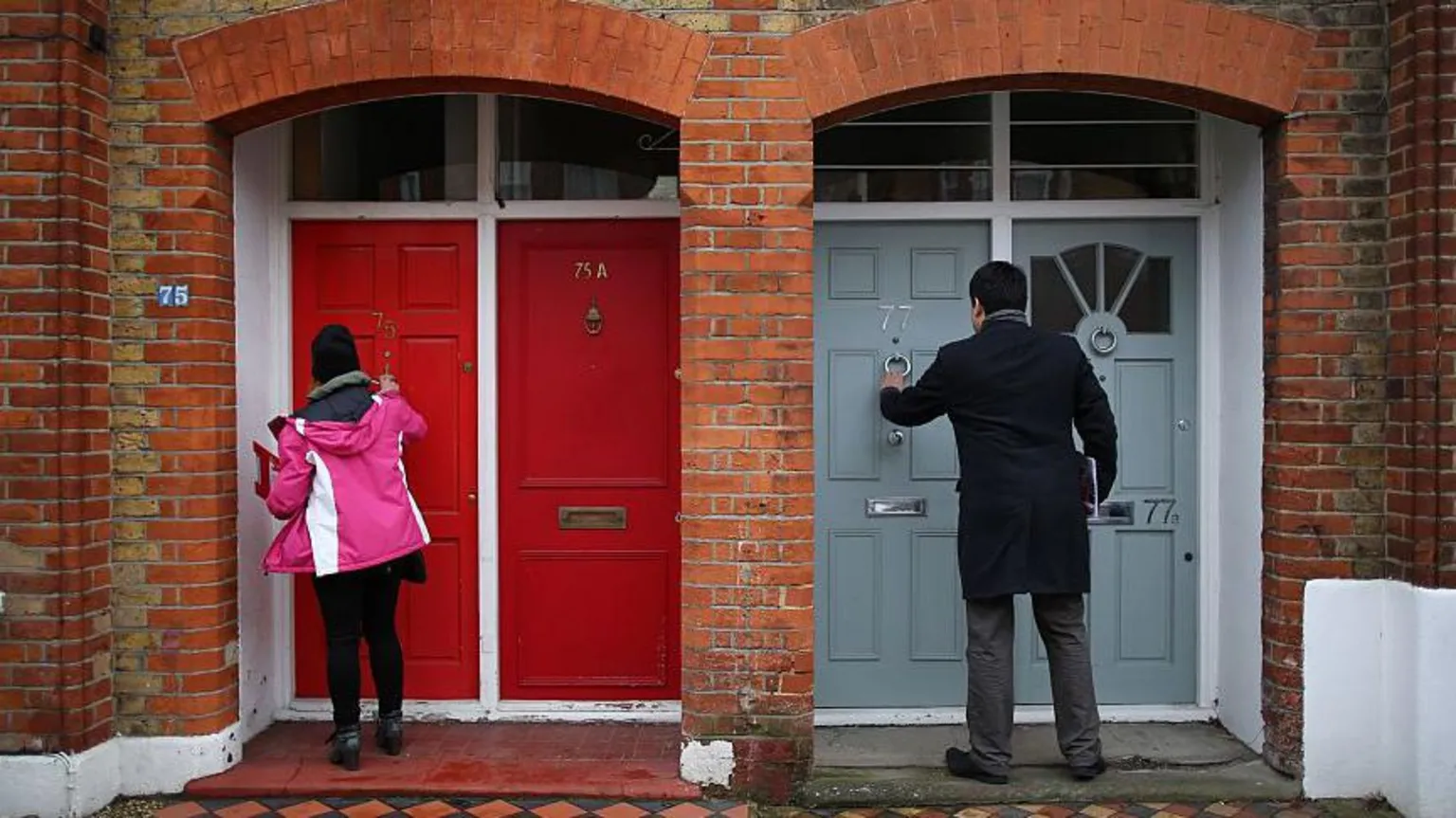
Who actually turns out to vote will be crucial in this election. Consequently, political parties are increasingly focusing on ground operations, with activists canvassing in targeted areas as polling day approaches.
Public Perception of Parties and Leaders
Public opinion does not show strong support for any party. An Ipsos poll measuring satisfaction with individual parties found none of the six main parties achieved a net positive rating; all had more unfavorable than favorable views. Similarly, a survey by Mark Diffley’s company revealed the highest leader approval rating was -4, with some leaders struggling for basic recognition.
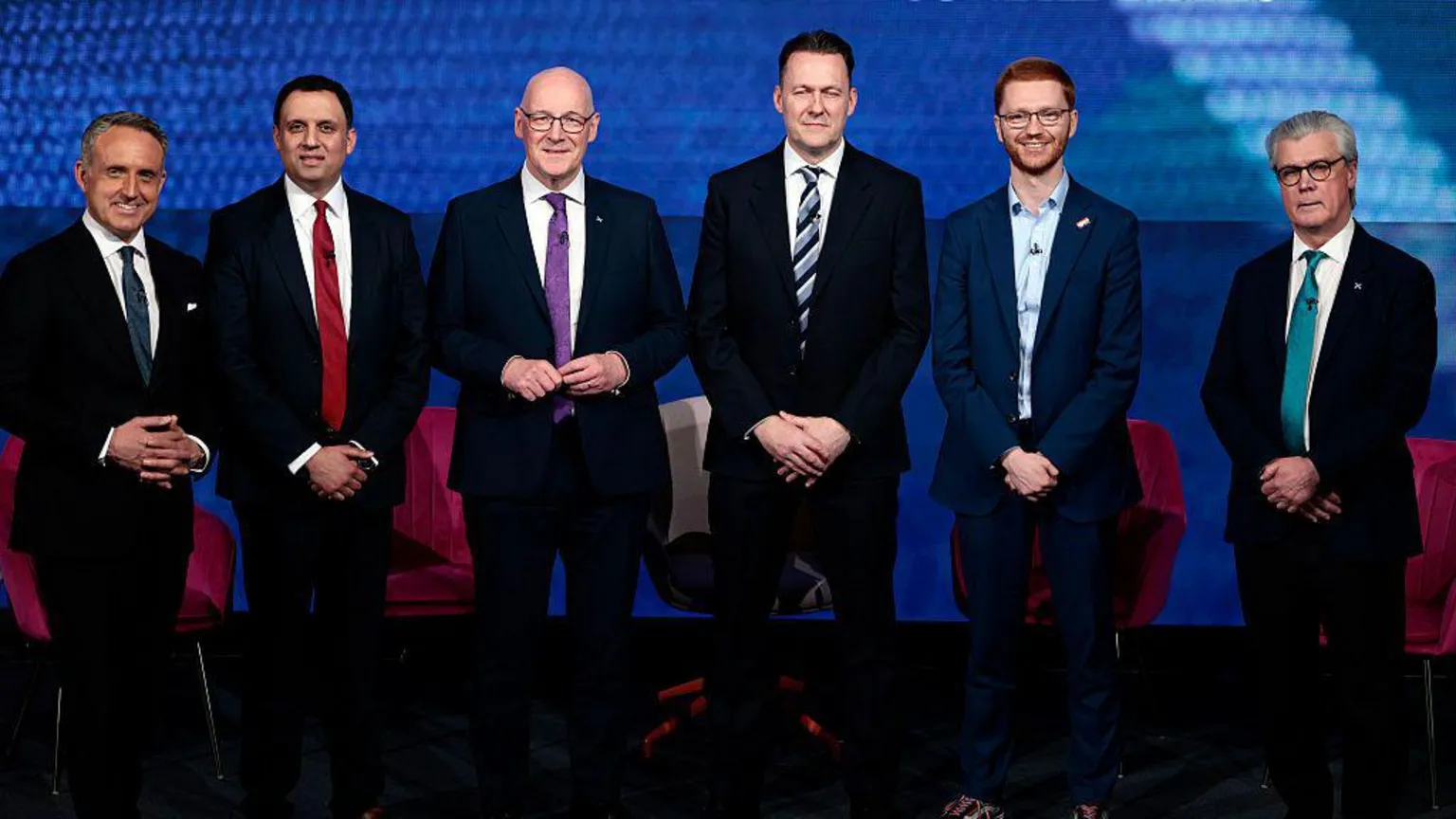
Debates have not helped improve enthusiasm, as many have featured the same six male politicians in suits engaging in heated exchanges. Exceptions include Green co-leader Gillian Mackay and occasional appearances by Mairi McAllan, who functions as the SNP’s deputy leader in all but name.
Party Strategies Amidst Apathy
Addressing widespread voter apathy and anger poses a significant challenge. Opposition parties at Holyrood, such as Labour, the Conservatives, and the Liberal Democrats, campaign on promises of change after 19 years of SNP governance, often highlighting perceived declines in public services. Their leaflets frequently include bar charts asserting their ability to defeat the SNP in specific constituencies.
Reform UK embraces its role as an anti-establishment option, positioning itself as the voice of the disillusioned. Meanwhile, the SNP attempts to channel voter frustration by framing itself as the alternative to Labour leader Keir Starmer and Reform UK, urging voters to "sack Starmer" and "lock Farage out of power." The Greens also seek to present themselves as the progressive choice for voters desiring change.
This tactical framing may resonate with a segment of the electorate inclined to vote strategically, focusing on preventing disliked opponents from gaining power rather than embracing a party’s positive message.
Recent controversies, such as difficulties faced by the UK Labour government over the appointment of Peter Mandelson as US ambassador, provide additional ammunition for opposition parties.
Challenges of Political Cynicism and Campaign Promises
The campaign has at times been marked by cynicism. Voters frequently express frustration with politicians who over-promise and under-deliver, yet parties continue to make ambitious pledges that appear difficult to fulfill.
The SNP’s proposal to cap food prices, for instance, has been described by the Fraser of Allander Institute as "almost certain" to be beyond the party’s powers, and likely to provoke controversy. The Institute for Fiscal Studies criticized Reform UK’s tax cut proposals as lacking credibility and noted that Conservative tax plans would require cuts to frontline services.
Labour’s commitment to building 25,000 new homes annually faces skepticism from industry experts like Homes for Scotland, which warns that a shortage of developable land could cause new build completions to decline.
All parties have pledged to reduce energy bills, although their ability to influence global energy markets is limited, especially given that key powers reside at Westminster.
Coalition Prospects and Policy Diversity
The Liberal Democrats and Greens hope to exert influence by participating in or supporting the next government. Their manifestos, which include numerous costly policies, resemble a menu for potential budget negotiations with whichever party forms the administration.
However, the Diffley Partnership poll found limited public support for coalition governments, with only 18% favoring coalitions and 15% supporting issue-by-issue cooperation between parties.
Voter Engagement and Election Options
On a positive note, parties offer a broad range of policies, as demonstrated by BBC Scotland’s interactive guide. Voter engagement appears relatively strong, with 70% of respondents in an Ipsos survey reporting they have followed the campaign very or fairly closely.
This election features an unprecedented number of candidates and parties, with 440 candidates contesting constituency seats and 29 different parties standing on the eight regional lists.
The ability of parties to overcome or harness the "scunner factor" will be pivotal in determining the election’s outcome.


