

So you've hit a pothole and blown a tyre - what now?
This question has been asked by many motorists, often accompanied by accounts of the challenges faced when trying to claim compensation, which can be as difficult as avoiding the potholes themselves.
A BBC investigation has revealed that three out of four claims for pothole compensation are rejected. Below, you can see how pothole claims in your area compare with the rest of Britain.
So, how can you claim, and what obstacles might you encounter?
How can you claim?
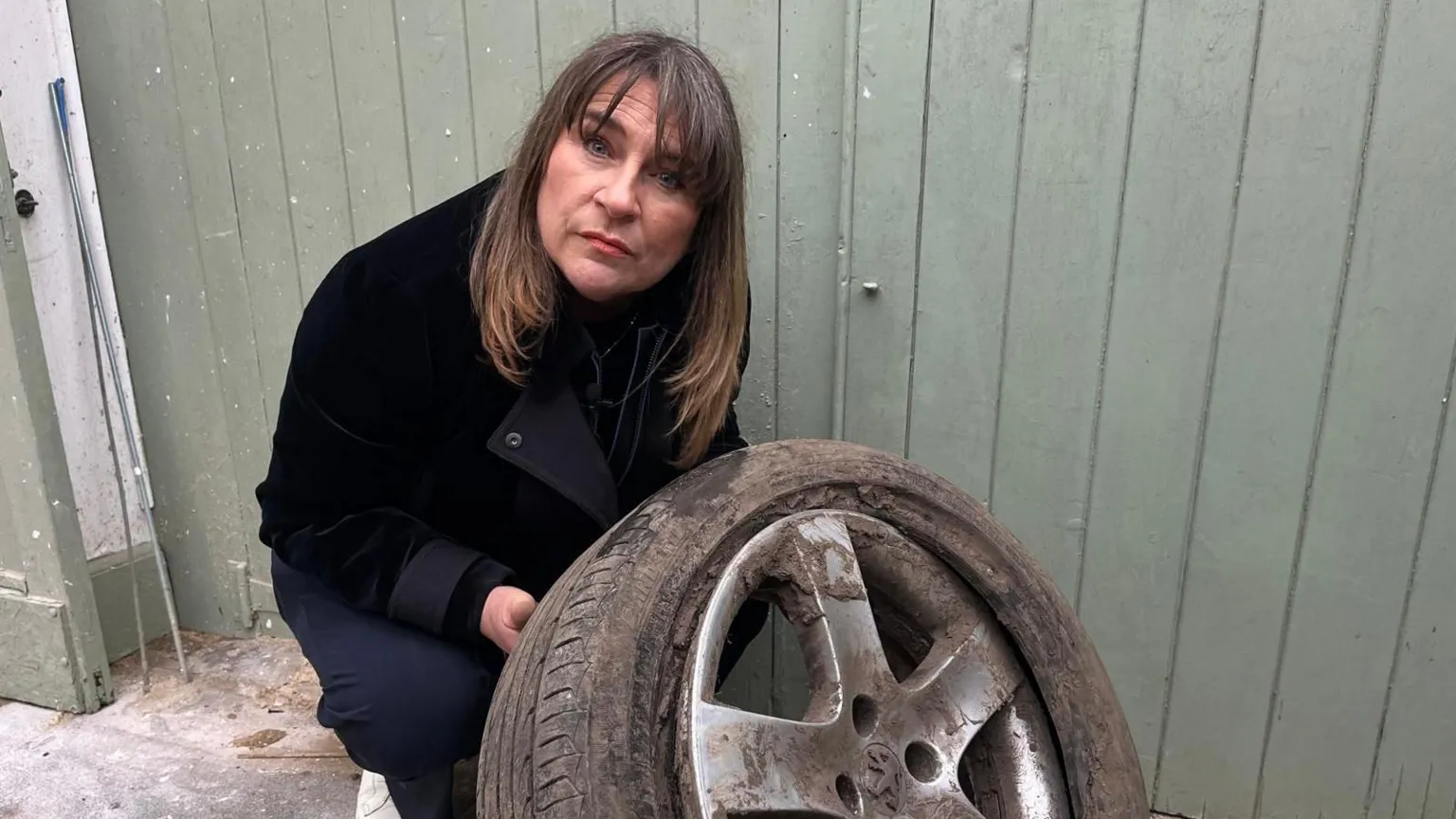
Sarah Gray, from Sherwood in Nottingham, said she would face hundreds of pounds in expenses to repair her blue Peugeot 308 after her son hit a pothole on a busy road late at night on 20 February, leaving him stranded.
She then sought advice on Facebook about how to submit a claim.
"Most of the comments were laughing emojis, where people have just said 'basically there's not much chance of getting anything'."
Despite the scepticism on social media, Sarah said she intended to submit a claim.
What steps do Sarah and other drivers need to take?
Solicitor Nadia Kerr advised motorists to be thorough.
She recommended taking photographs as soon as possible of the vehicle damage, the pothole itself, any injuries sustained, measurements of the pothole, and its location on the road.
"We need [to know] how deep, how wide, how long the problem is - because all authorities have highway policies that will say what their minimum is before they have to do something," Kerr added.
How big is Britain's pothole problem?
The RAC motoring organisation estimates there are currently more than one million potholes across the UK, though the number varies by season.
On average, there are about six potholes per mile on council-controlled roads in England and Wales.
The Asphalt Industry Alliance (AIA), which oversees road surfacing, warned in March that repairing all potholes on local roads in England and Wales would cost an estimated £18.6bn.
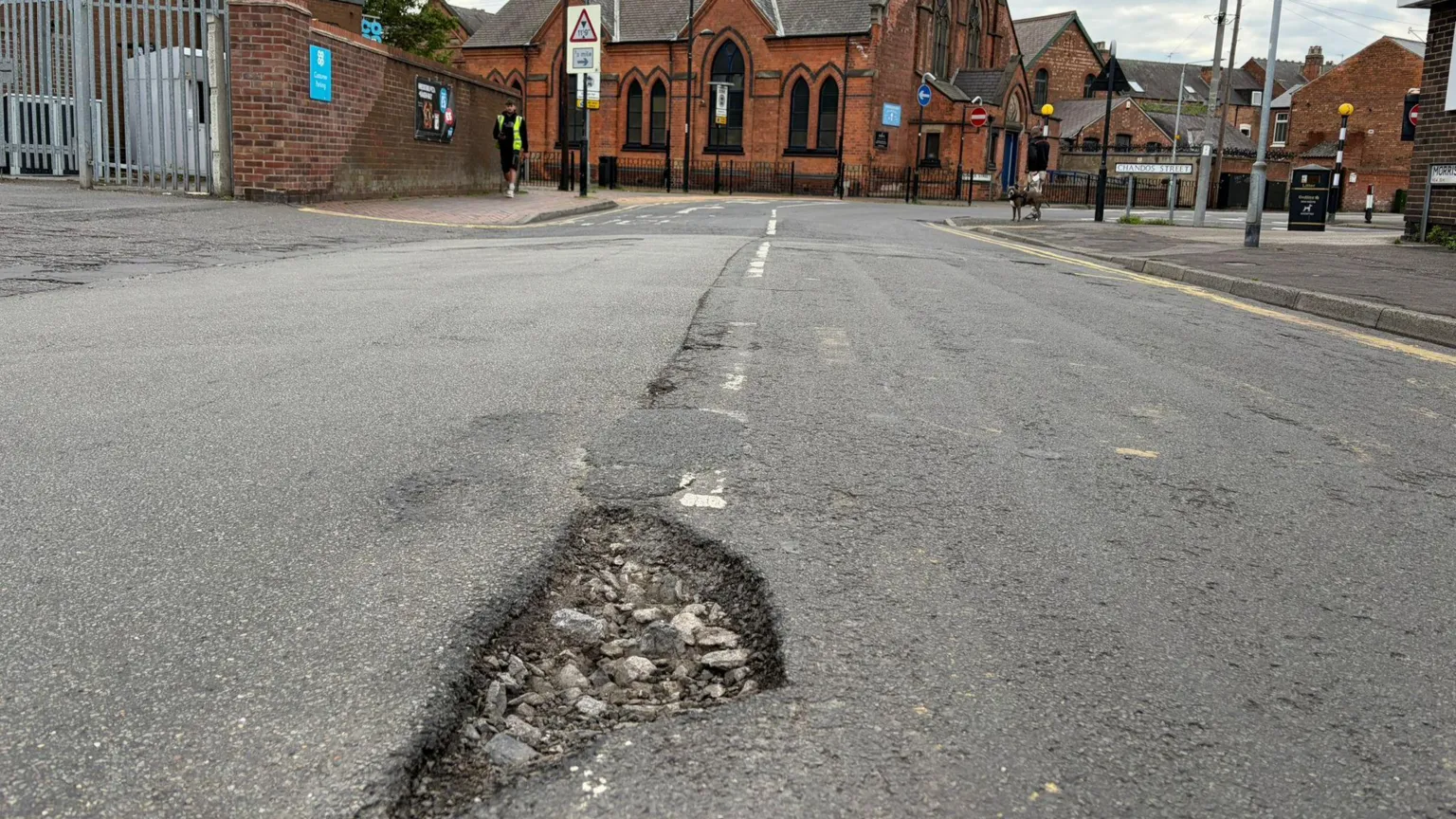
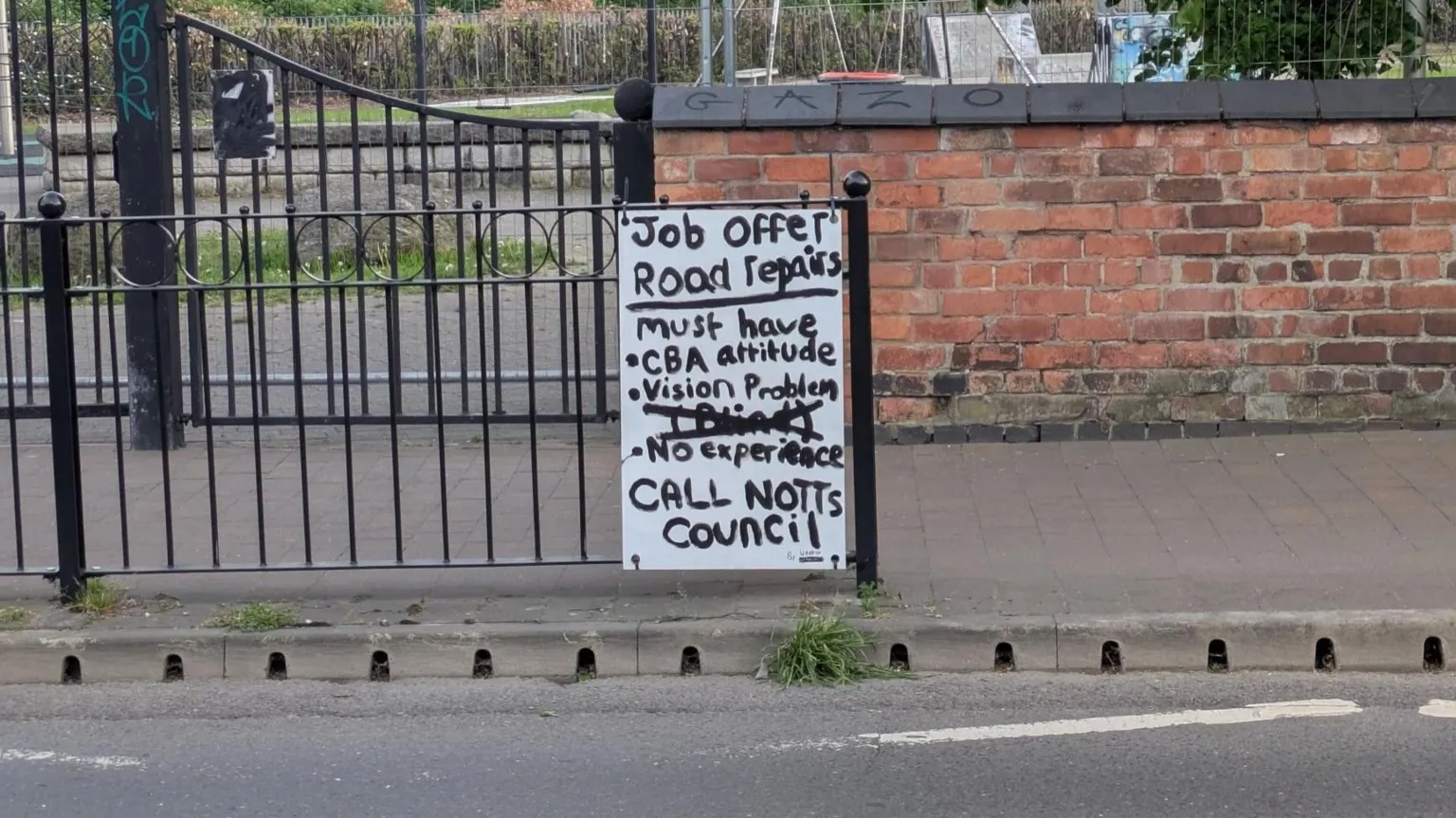
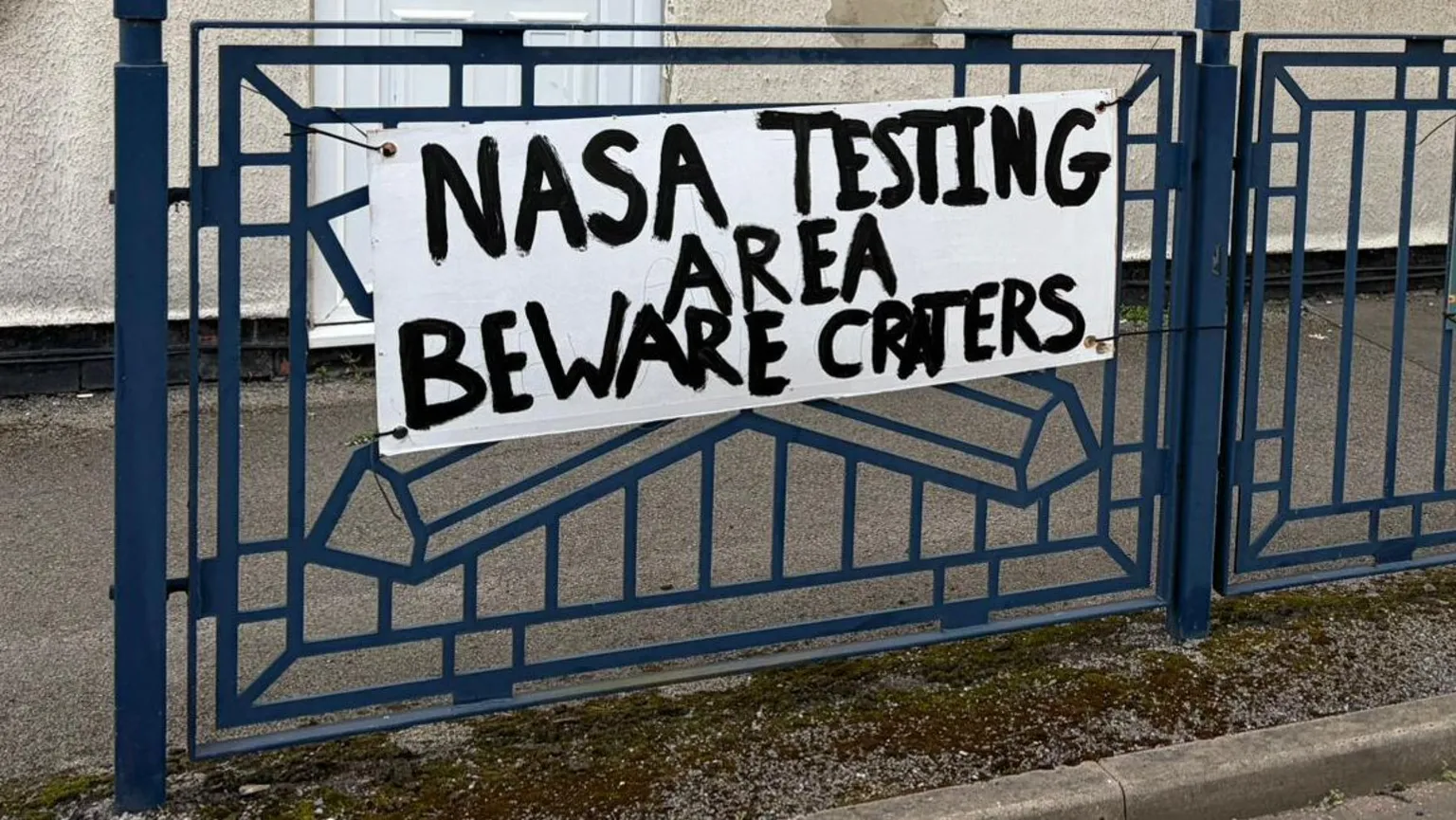
Driving into Netherfield, Nottinghamshire, reveals why signs like those below have appeared.
Resident Reg Patterson described the bumpy roads as "part of the local environment".
"It's not very good," the 68-year-old said. "There have been some humorous signs around the local area, which are quite entertaining I think. "In the last few weeks there has been a few temporary repairs I'd say. I think, generally, they're not very good at all."
Neighbour Georgina Swann called the roads an "absolute nightmare".
"There's a Facebook group that's dedicated to potholes around the area," the 57-year-old said. "The council needs to do more. It's affecting people's cars. "Last time there was a local election, one of the big things was potholes. Nothing's been done. It's just awful."
Swann's frustration was shared by other protesters in Nottinghamshire who gathered outside County Hall earlier this year.
In response, Mick Barton, leader of the Reform UK-run council, said repairing roads was a top priority when unveiling two JCB machines for pothole repairs.
Across the county and beyond, potholes have caused problems on roads and have been a key issue for voters in recent elections.
As the pothole problem grows, what can be done to prevent costly damage?
How do potholes damage my car?
The BBC investigation found over 146,000 claims for pothole-related vehicle damage were submitted in the past five years.
Freedom of information requests revealed councils across Britain have paid about £13.5m in compensation, covering only a fraction of claims submitted.
Of 207 local authorities holding this data, 147 reported the number of claims received and successful payouts over five years. On average, these councils paid out 24% of claims.
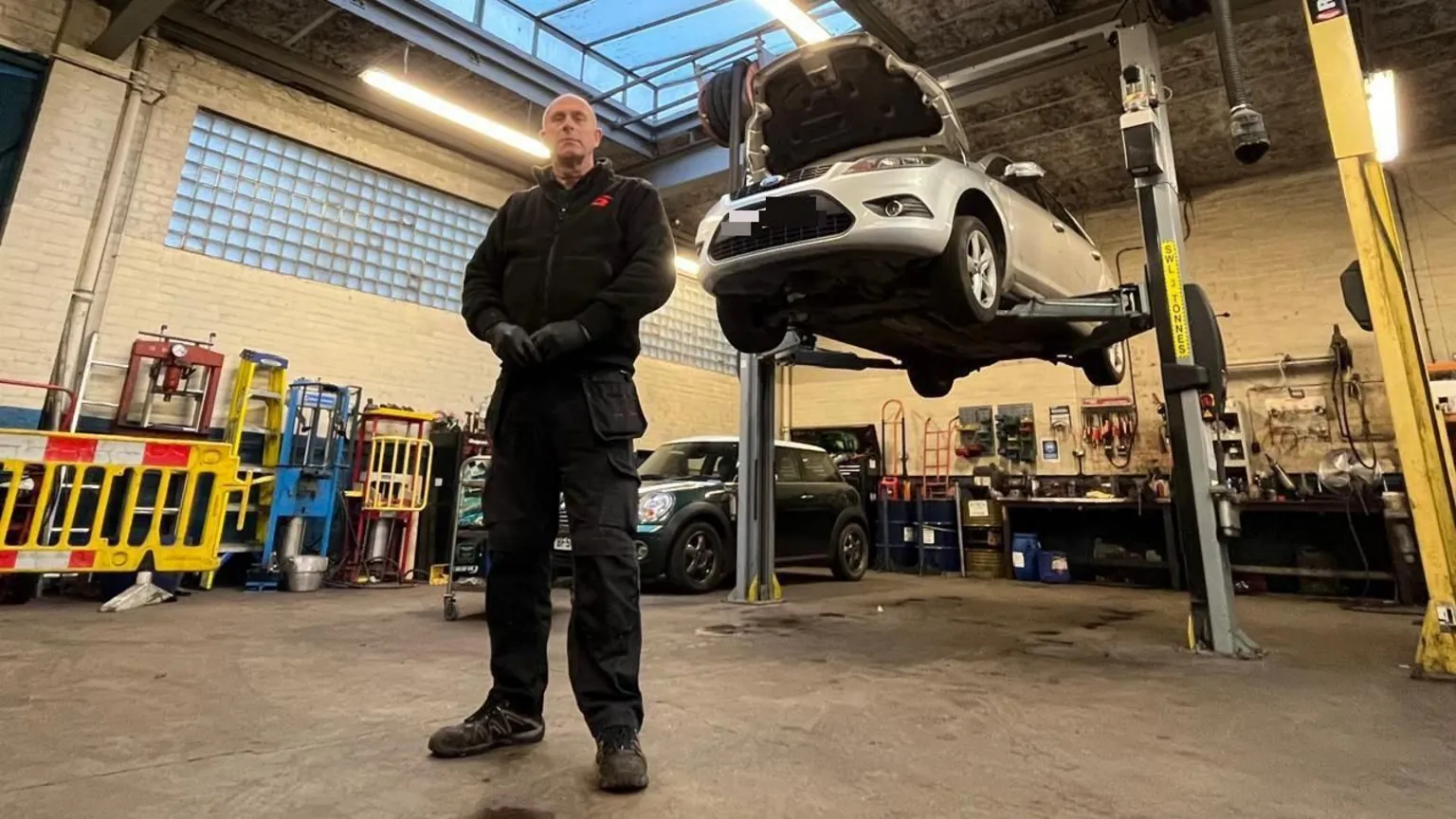
In Netherfield, mechanic Mick Hampshire, with 40 years of experience, estimates he sees about five customers weekly after pothole damage.
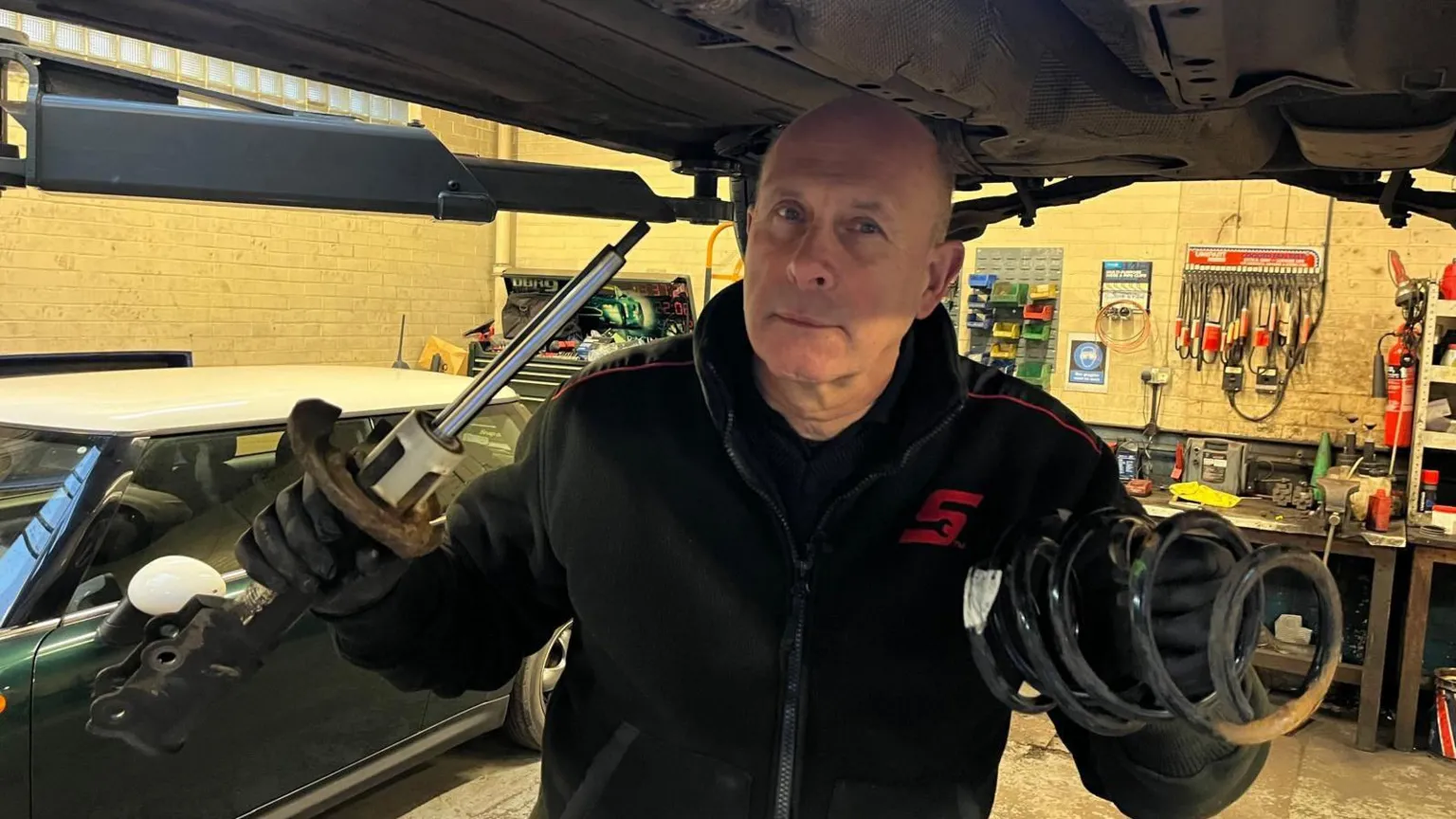
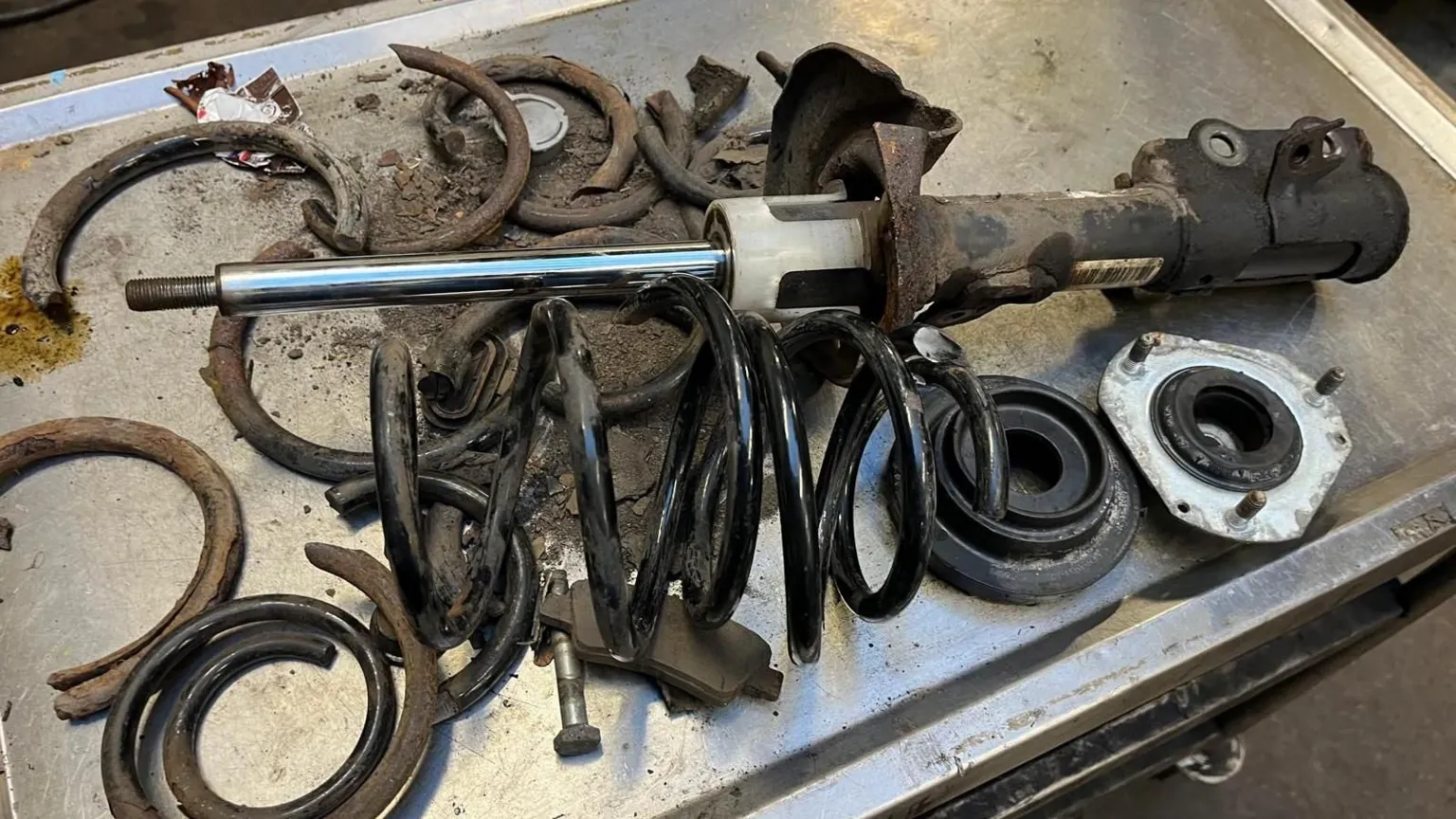
He noted he has never had to replace so many suspension struts, coil springs, and tyres in his career.
"We have seen vehicles coming back with snapped coil springs again," he said.
He showed under a lifted car in his garage.
"When they're going over a pothole... what's that?" he said, rapping the underside of the vehicle. "That's a fuel tank. Cars bottom in and it's hitting the fuel tank, which is potentially a sitting time bomb. "I'm potentially seeing it now when lives are being put at risk, and the roads are a seriously dangerous place to be on."
How do you claim compensation for pothole damage?
Nadia Kerr, solicitor at Fletchers, has extensive experience in personal injury and highway claims.
She said most claims she handled previously involved cyclist and driver crashes, but recently pothole claims have increased.
"There has been an increase," Kerr said. "The state of the roads, we all know, is dreadful. "Even though the local authorities are complying with the local policy, the number of incidents that are on the road are increasing and increasing."
However, successfully claiming compensation is not always straightforward.
"You really need to know what you're doing and you need to find an expert in the field, because lots of people give up along the process," Kerr said. "As soon as the local authority denies a claim, they tend to just advise there's nothing else you can do and they will close the file."
The government has issued guidance for residents in England, Scotland, Wales, and Northern Ireland on how to claim for pothole damage.

Why do claims get rejected?
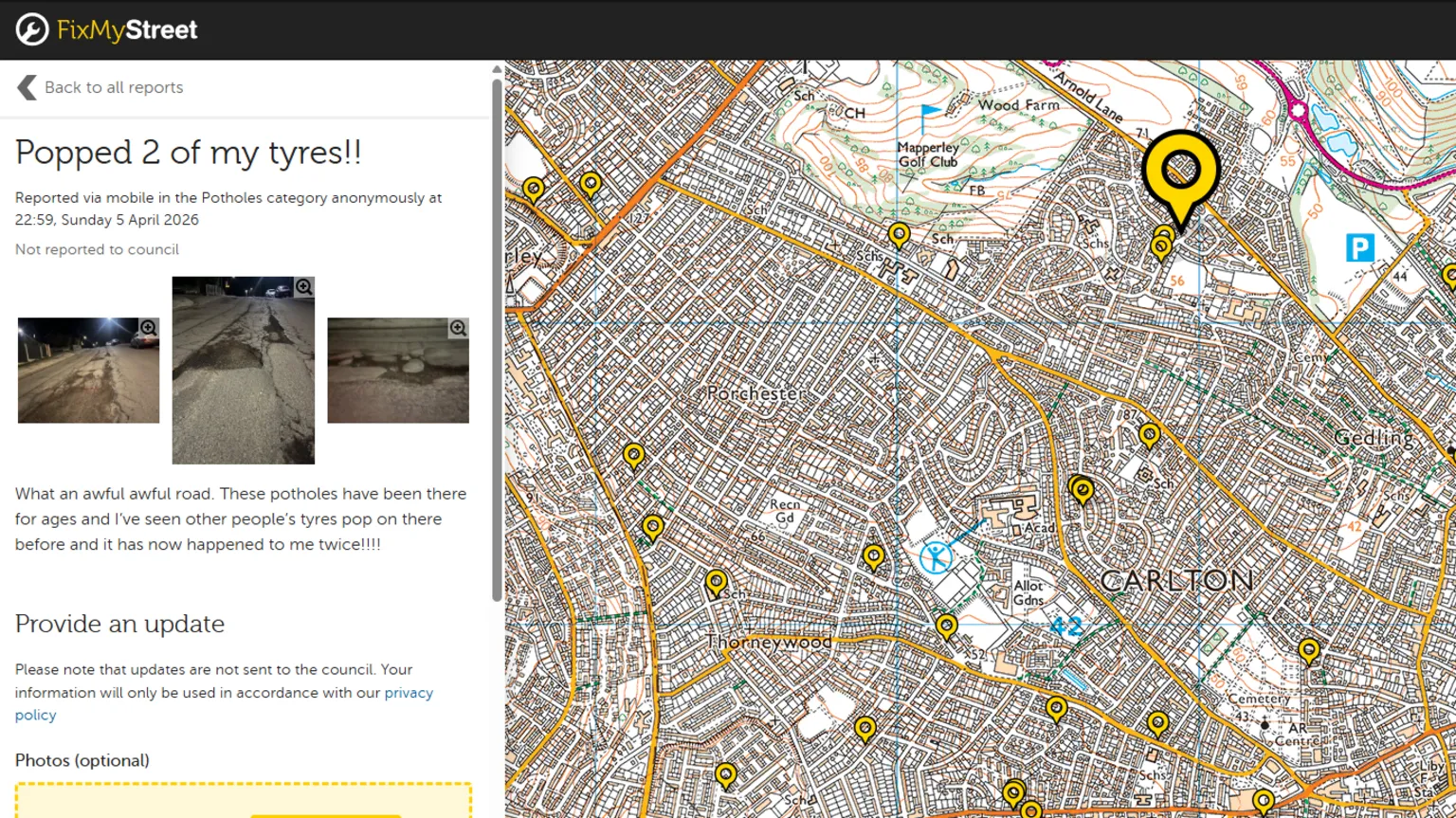
Kerr noted that third-party apps like FixMyStreet or Fill That Hole make reporting easier, but not all local authorities accept reports from these apps.
"The problem is that not all local authorities will accept reports from those apps," she said. "Sometimes they require to set up an account, a login, a password, by which time in my opinion some people give up the task of reporting a pothole."
There are several reasons claims may be denied.
"The local authority would often argue that they followed their processes and their policies, that they inspected the stretch of the highway as frequently as they needed to comply with their policy and that they reacted promptly to any problems," Kerr explained. "What we try and find is a number of reports from the members of the public that the council will not have acted on. "We often see challenges when a defect has been seen but the local authority do not think it's problematic enough that it ought to be repaired, so we challenge that, providing evidence of measurements of the location."
A Nottinghamshire County Council spokesperson said:
"Each claim is investigated based on the evidence provided to determine whether the council has adhered to its policy and the requirements of the Highways Act 1980, the legal framework in place to deal with the management and operations of the road network in England and Wales. "If the council can evidence that it has adhered to its policy, the claim will be repudiated, however if it is found the council has not adhered to its policy and is found to be legally liable for the incident, then the claim will be settled."
Local authorities have also faced an increase in fraudulent or exaggerated pothole damage claims, partly driven by the cost-of-living crisis.
Insurance group Zurich Municipal has reported detecting a rising number of fraudulent claims against councils worth millions.
A Department for Transport spokesperson added:
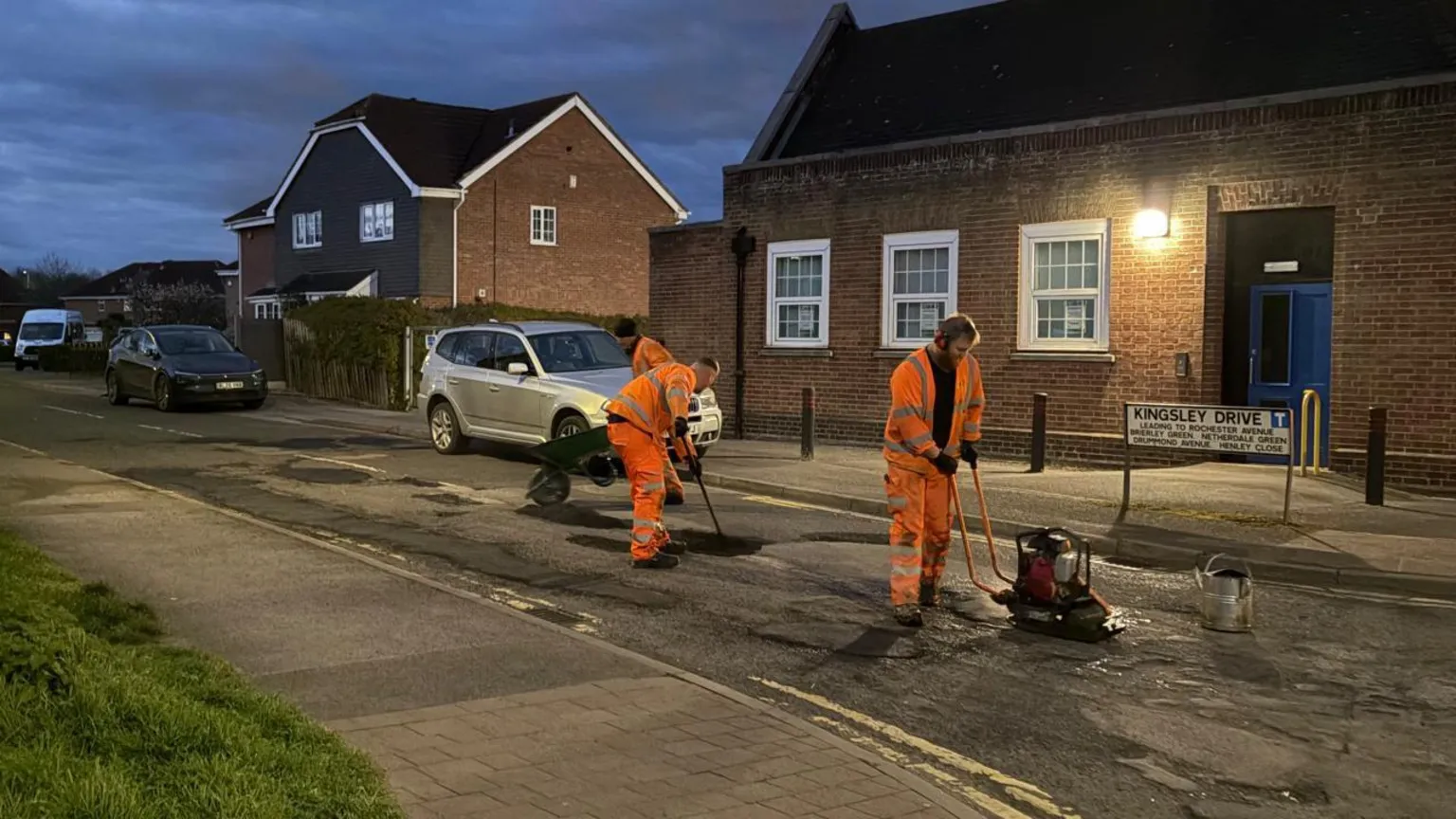
"We're backing local councils with a record £7.3bn to fix potholes and are already seeing results, with 15% more prevention works carried out in 2025 compared to 2024."
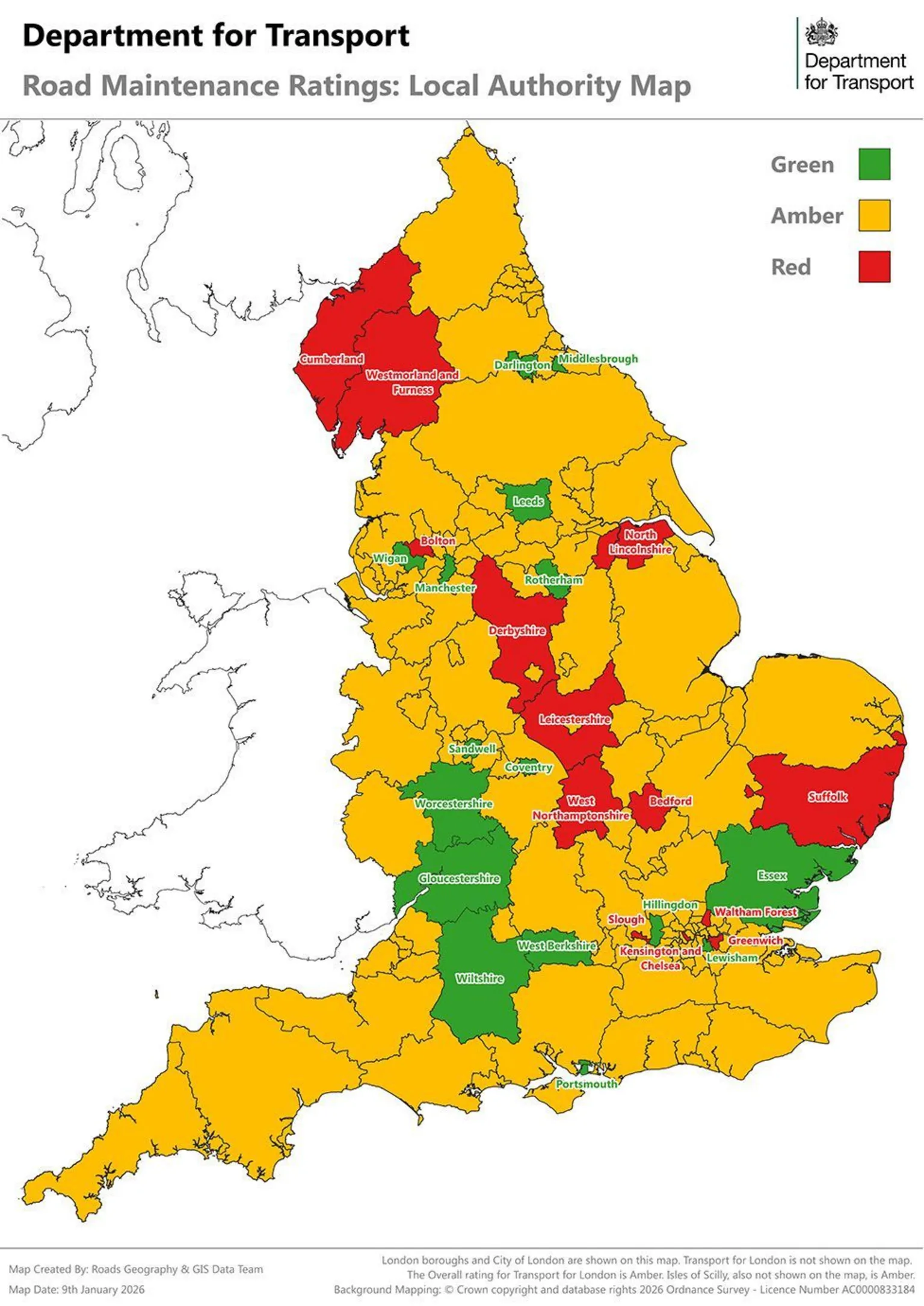
How do you report a pothole?
Kerr said the quickest way for a council to dismiss a claim is by claiming they were unaware of the pothole.
"The best you can do as a road user is report the defects you can see," she said. "As soon as they're reported, the local authority are on notice that they are there and they need some attention; and if they fail to have that attention... and then an accident happens, then they are much less likely to rely on that defence to avoid paying compensation."
To report a pothole in England or Wales, enter the postcode of the road where the pothole is located on the GOV.UK website.
In Northern Ireland, potholes can be reported by marking them on a map, and in Scotland, reports can be made by selecting the relevant local council.
Additional reporting by Ema Sabljak from the BBC England Data Unit, and Amy Sharp.
Listen to BBC Radio Nottingham on Sounds and follow BBC Nottingham on Facebook, X, or Instagram. Send story ideas to eastmidsnews@bbc.co.uk or via WhatsApp on 0808 100 2210.


