

Signs of Change Before the 2026 Senedd Election
Long before Plaid Cymru achieved a significant victory in the 2026 Senedd election last week, there was a clear sense that change was imminent in Wales.
The electorate decisively rejected the two traditionally dominant parties, instead choosing to support Plaid Cymru and Reform.
However, indications had already suggested that Labour’s electoral loyalty in Wales was weakening.
A year prior, I embarked on a journey across the country’s 16 new Senedd constituencies for the BBC's Politics Wales to gauge public sentiment ahead of the election.
Reflecting on the conversations held throughout Wales, it is evident that the seeds of the political shift witnessed last week had been planted well in advance.
"Things have to change, they can't get much worse in some areas,"said Anne-Marie Carpenter in Merthyr Tydfil, a statement that remains resonant.
Despite Labour’s landslide victory in the 2024 UK general election, the party’s foundation in Wales appeared less secure.
Labour’s vote share in Wales had declined, and the public, eager for change, awaited tangible improvements in their lives.
This context framed my tour of all constituencies leading up to the Senedd election.
Exploring Wales: Diverse Settings, Common Concerns
During the tour, I visited a variety of locations including a cattle sale, a tropical butterfly house, urban cafes, independent shops, large businesses, a food bank, village coffee mornings, and high streets across towns and cities.
While local issues varied, a common theme emerged across Wales: a deepening, often hostile distrust of politicians.
From Wrexham to Cowbridge, Narberth to Llanrwst, many expressed sentiments such as
"they're all the same"or
"they're in it for themselves".
Numerous individuals stated
"I don't trust any party,"and some felt politicians
"don't care about the people."
One man in Newport remarked,
"we can't go on the way we're going,"adding that the country required
"shock therapy."
Many who sought change mentioned Reform UK and its leader, whose name frequently arose despite not standing in the Senedd election.
Across Wales, people appreciated Nigel Farage's straightforward approach and considered that his party might deserve a chance to govern here.
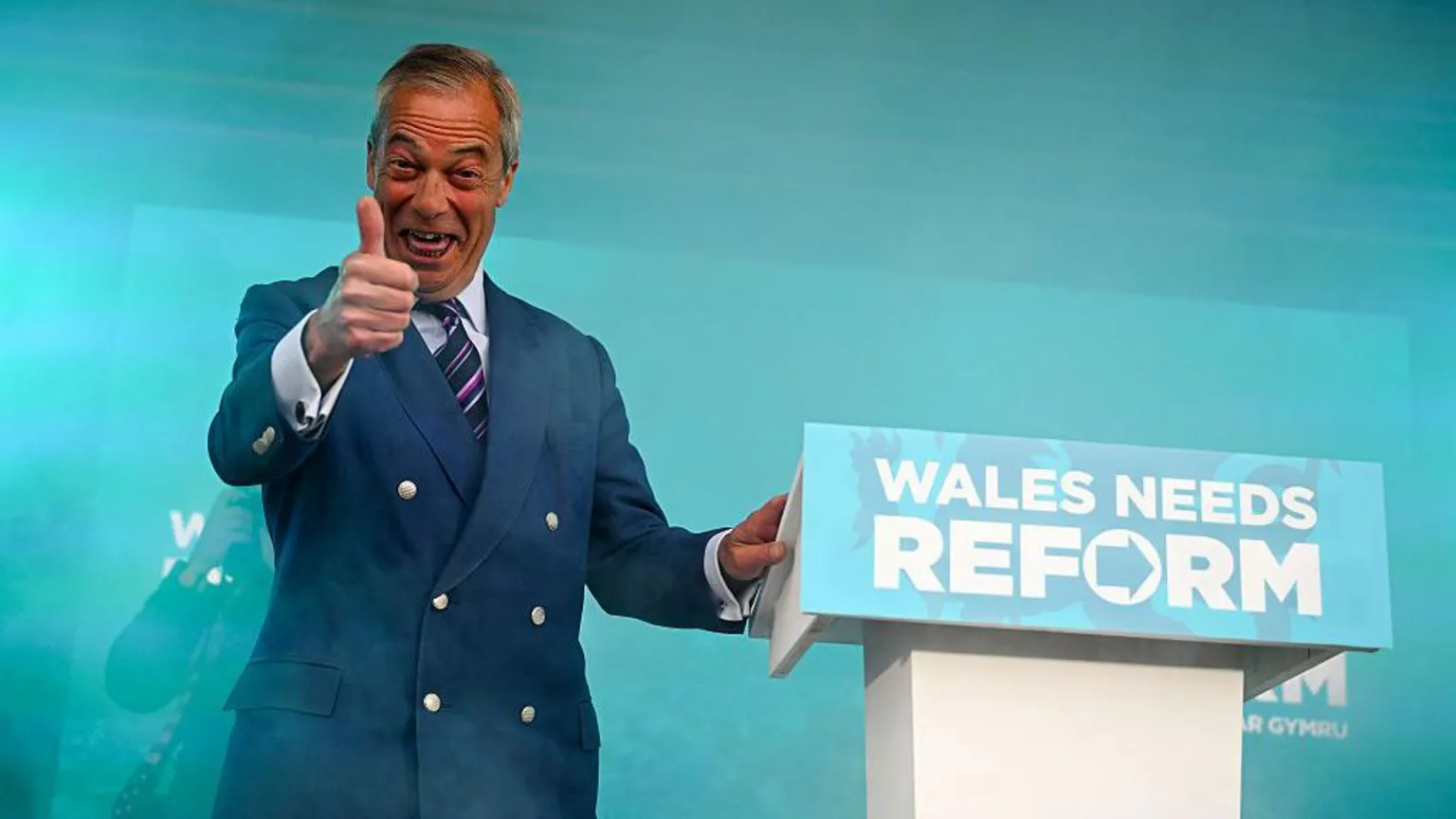
However, for every supporter of Farage, there was another who feared him and his party.
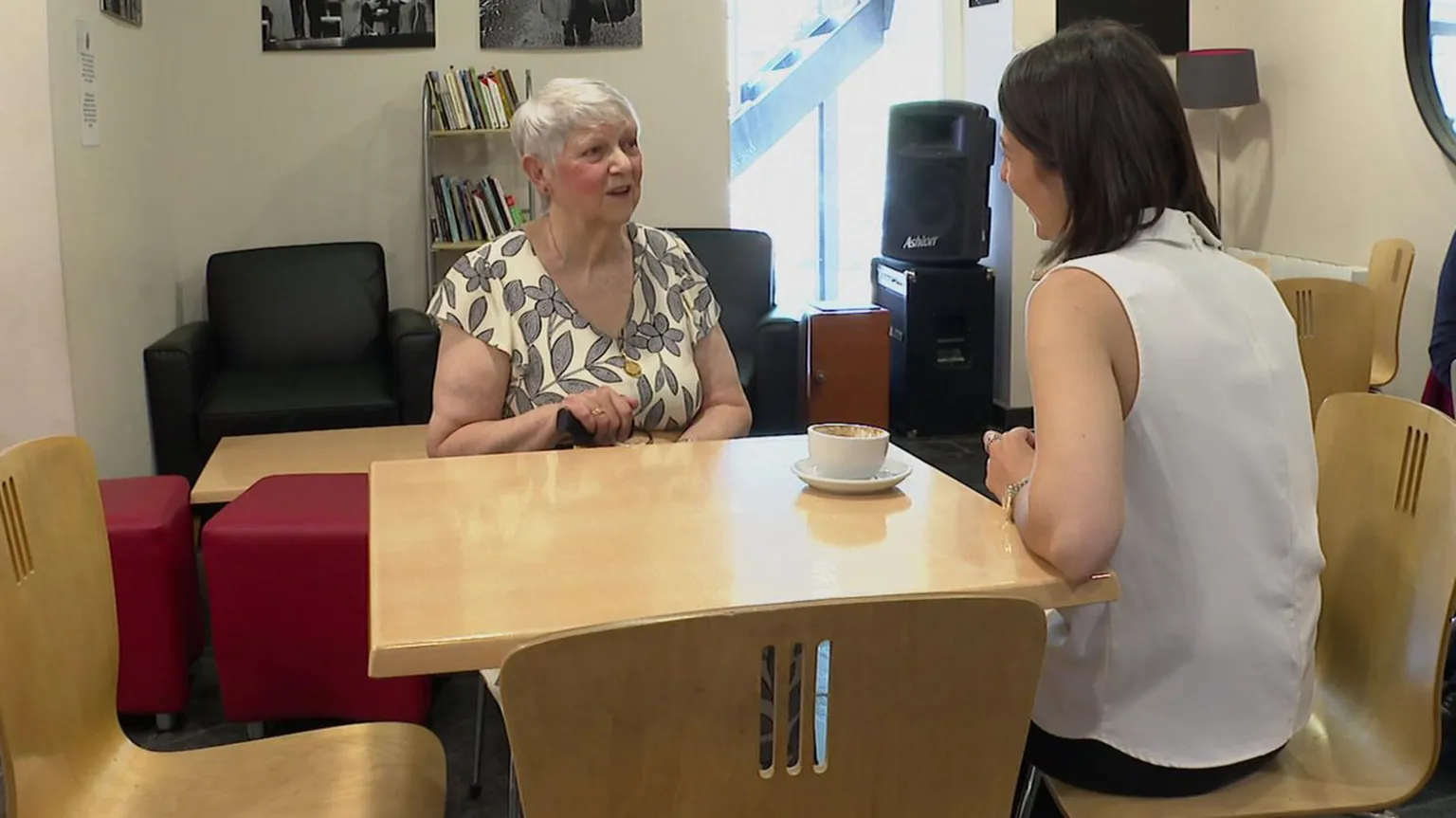
In Merthyr Tydfil, former Labour voter Elizabeth Shirley expressed uncertainty about her vote but was clear on one point:
"There's one way I won't go and that's Reform."
Labour’s Enduring Support and Opposition to Extremes
Labour’s roots in Wales remain strong, and a portion of its supporters turned out to secure nine seats in the Senedd.
A male supporter in Maesteg stated he did not want any of the
"extreme views"presented by rival parties, while a woman in Newport remarked,
"it's better the devil you know."
In Canton, a vibrant suburb of Cardiff, many were genuinely concerned about the prospect of a Reform government in Wales.
One regular at Chapter Arts Centre said,
"It's really scary times, it just feels like every day you wake up and it's something horrible on the news."
Many indicated they would vote for the party most likely to defeat Reform, with Plaid Cymru convincing many that they were best positioned to do so.
"I like what Plaid stand for, but I'm very much anti-Reform,"said one self-described "left-wing libertarian."
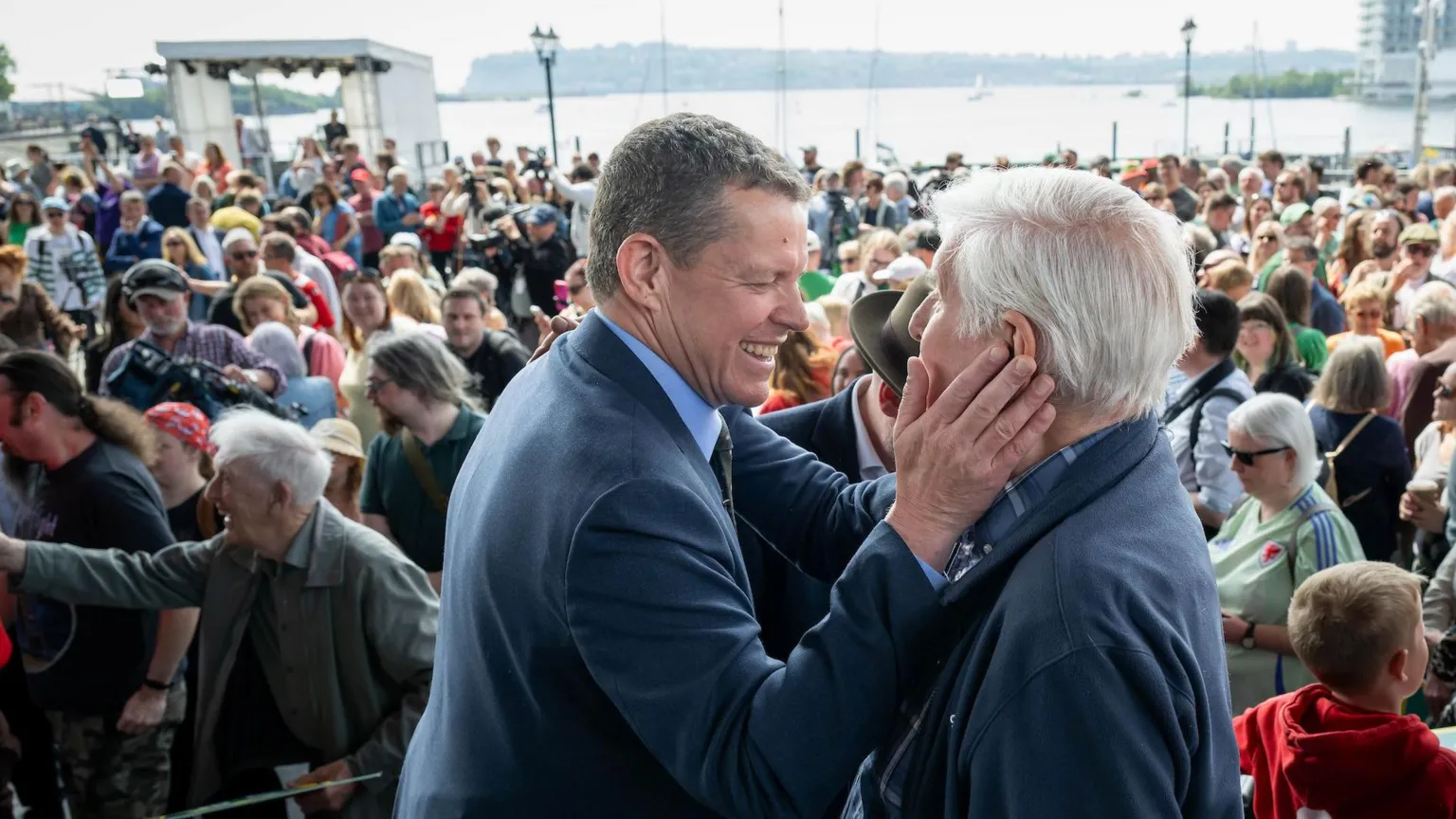
Two friends meeting for coffee agreed they would support Plaid Cymru but remained ambivalent about the party’s goal of independence.
"I've always been in two minds about independence. I'd like to see an independent Wales in my lifetime but I don't think we can do it just yet,"one said, with the other nodding in agreement.
Widespread Frustration and Calls for Representation
The shift in political sentiment was not confined to Cardiff.
In the Labour stronghold of Maesteg, one woman said,
"We need someone there who'll stand up to the British government, because at the moment they're not."
Similar Plaid Cymru rhetoric was echoed throughout Wales.
Frustration with personal circumstances frequently centered on the cost of living, including rising bills, stagnant wages, and soaring food prices.
At Myrtle House food bank in Llanelli in May 2025, its leader Kate McShane reported a 70% increase in demand year on year.
"People need to be able to afford the essentials,"she said,
"whether they're in work or not."
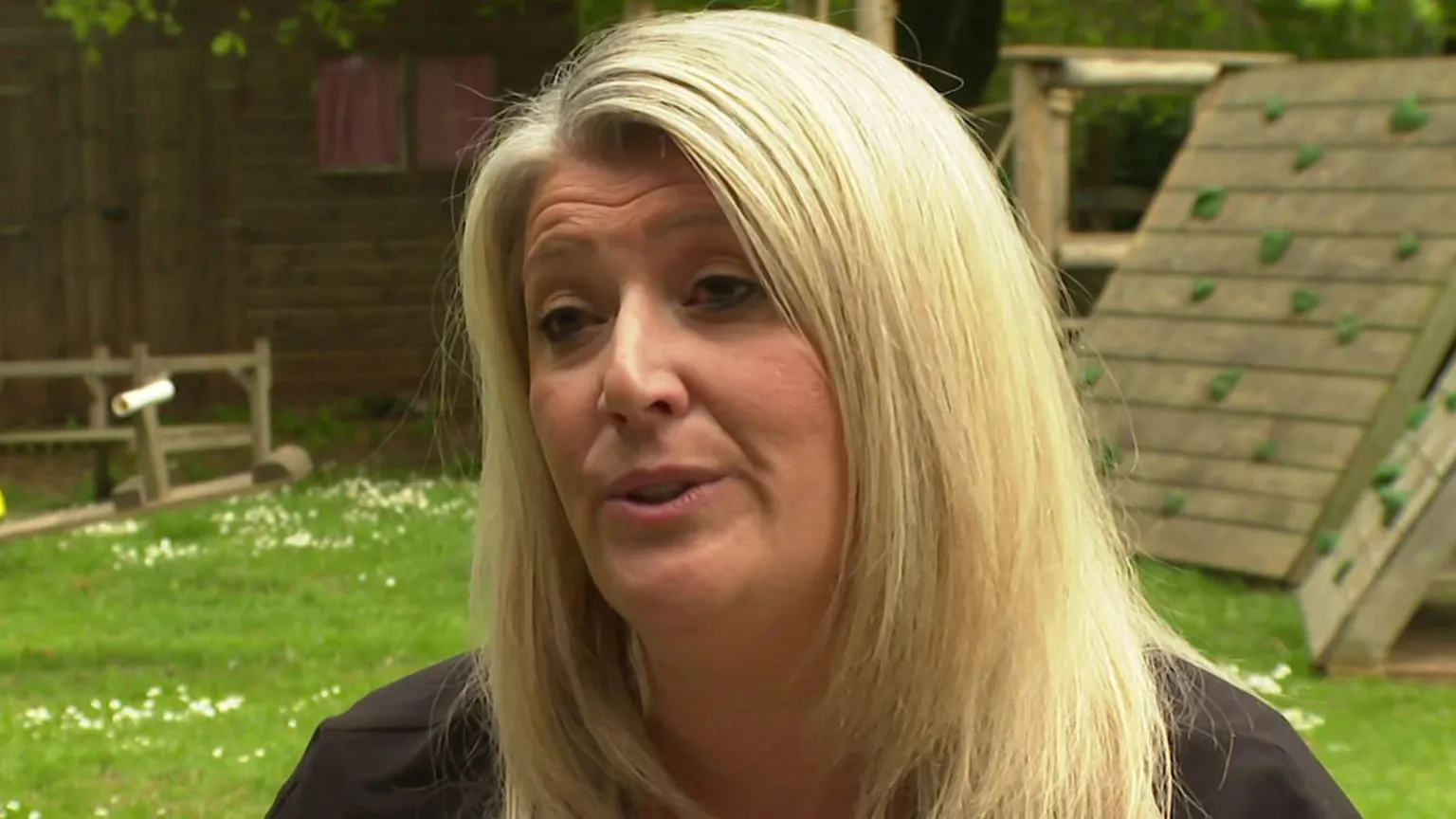
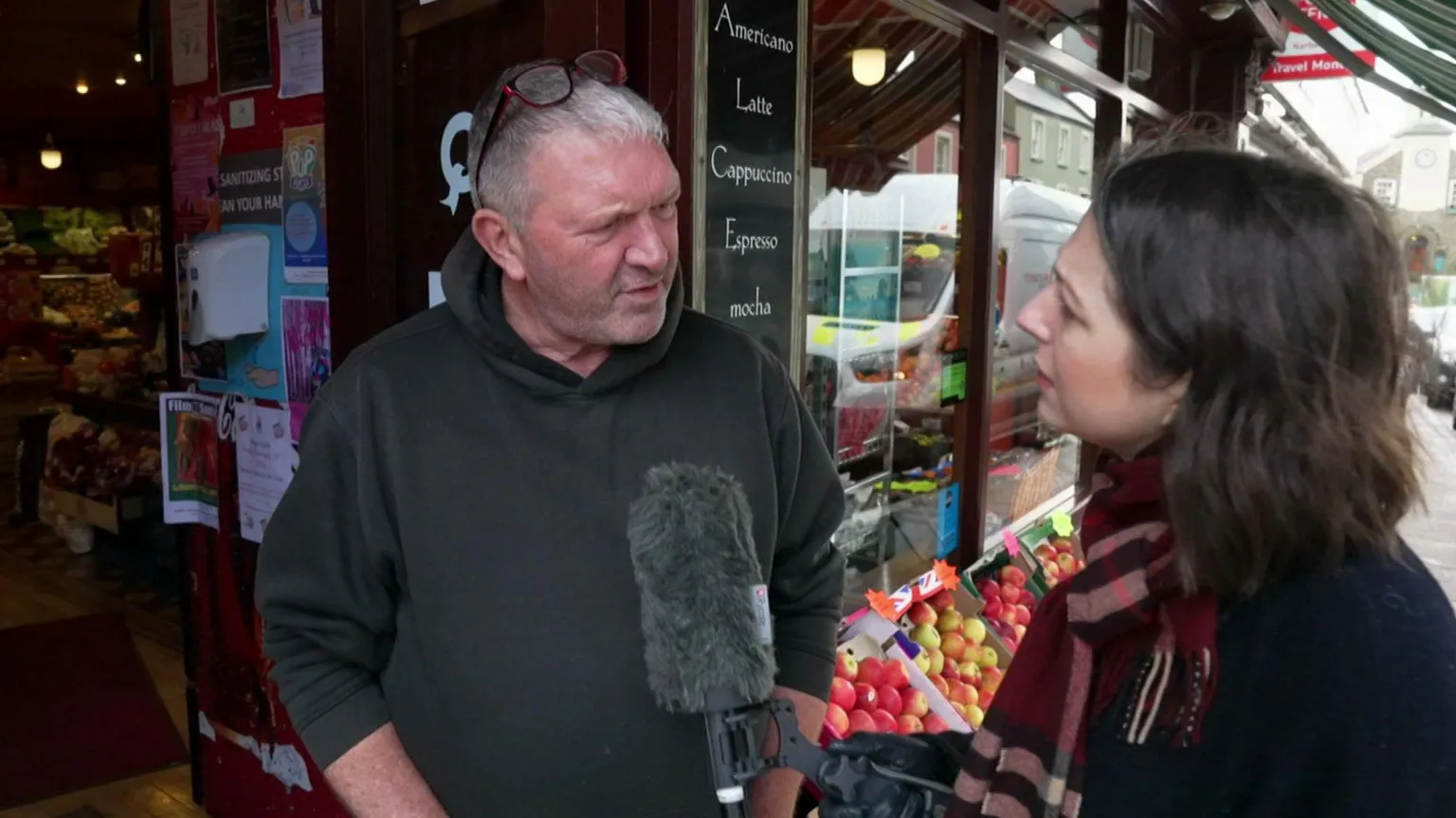
Outside his shop on Narberth High Street, fruit and vegetable seller Anthony Ryan commented,
"We've never known times to be so hard. We don't make any money any more. We used to."
Concerns about childcare costs were significant in Menai Bridge, Hay-on-Wye, Ebbw Vale, Llanelli, and Mumbles.
One grandparent in Ebbw Vale said they had reconsidered spending their retirement savings due to worries about their children and grandchildren’s ability to cover bills or enter the housing market.
Talent Drain and Healthcare Challenges
There has been considerable discussion about the outflow of Welsh talent, with young people moving away in search of better employment opportunities.
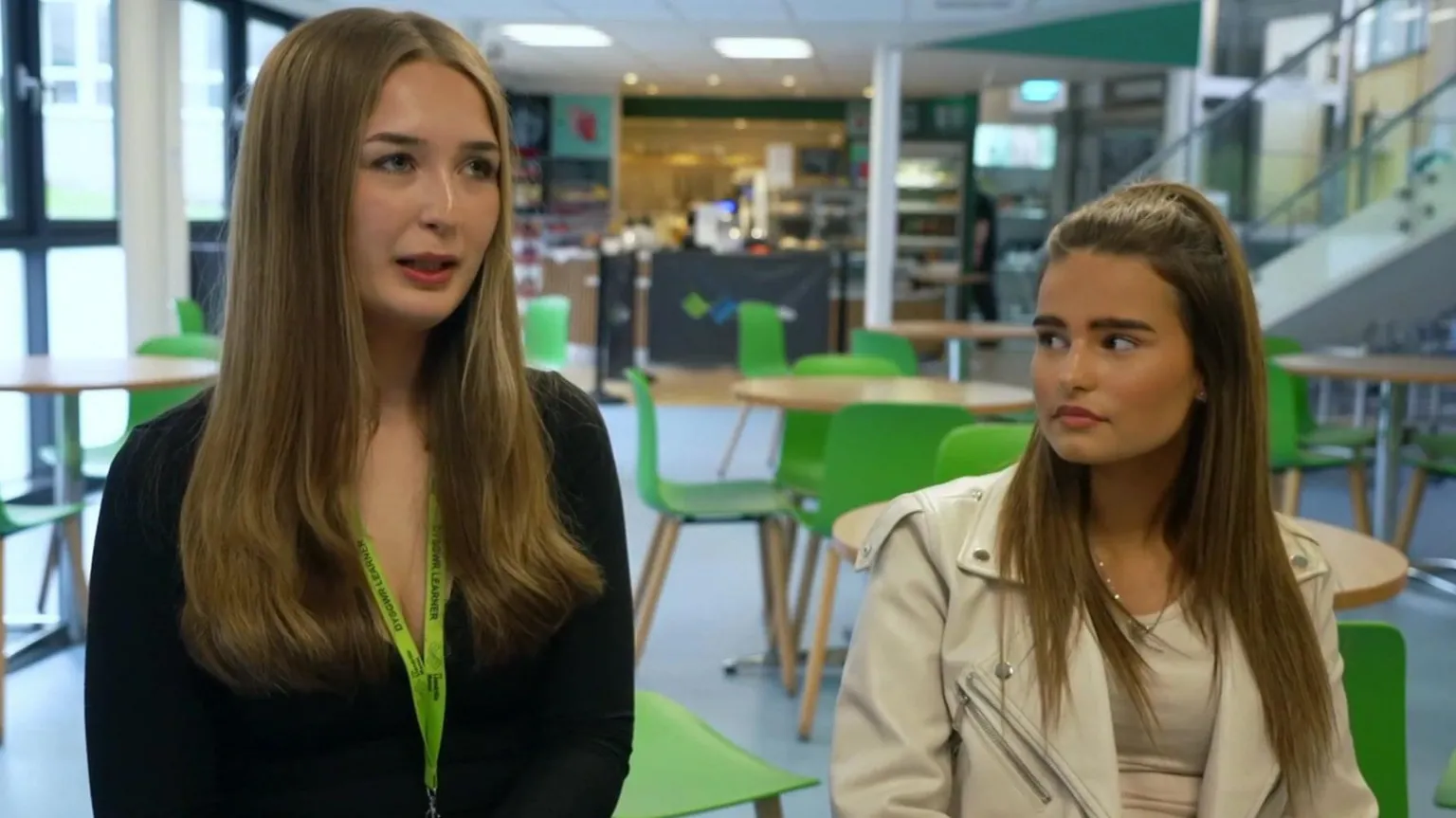
I met two young women in Rhos on Sea, Lily and Eva, who are studying health and social care at Coleg Llandrillo. When asked if they would remain in Wales to work or move to England after graduation, they responded in unison:
"Definitely move away."
The state of the NHS was another major concern.
Accounts included 30-hour waits in A&E, eight-year waits for operations, and numerous complaints about access to general practitioners.
In Narberth, one woman stated simply,
"It's just not acceptable."
Another in Cowbridge reported being on an
"emergency list"since February 2024.
Feelings of Exclusion Among Farmers and Political Shifts
Some groups felt marginalized in modern Wales.
Farmers in Raglan expressed that politicians
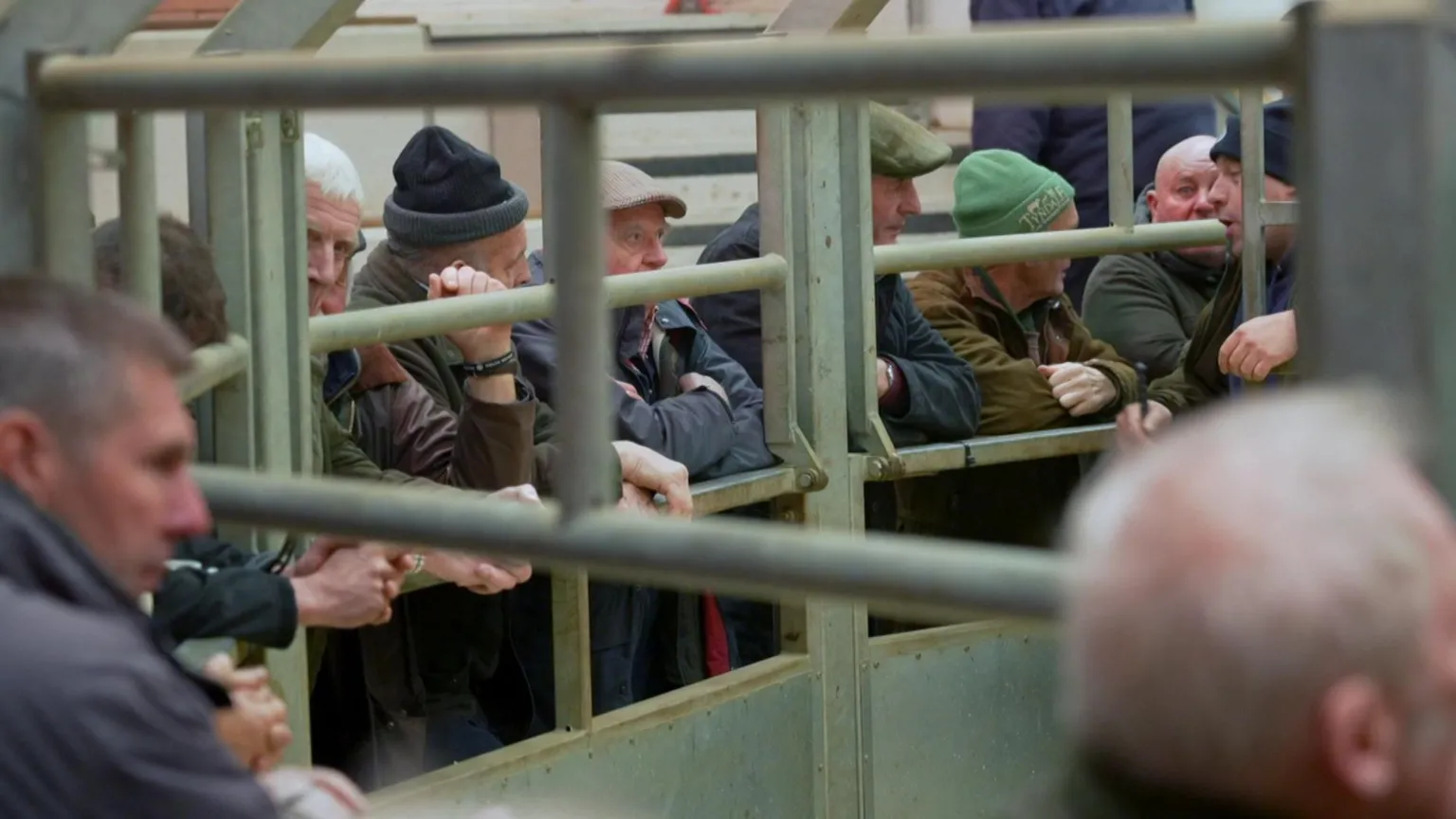
"don't want us,"and at Monmouthshire’s livestock market, there was a strong sense of being misunderstood by political leaders.
"They don't want us farming,"one farmer said.
While Plaid Cymru and Reform appeared to attract many voters dissatisfied with traditional parties, the Green Party emerged as a significant contender as the election approached.
In Newport in March, younger voters described themselves as recent converts to Zack Polanski's eco-populism, and in Hay-on-Wye, a former Labour-leaning mother in her 30s said she was now leaning Green due to disappointment with Sir Keir Starmer's UK government.
Support for the Liberal Democrats remained notable in Hay-on-Wye.
Traditional Conservative voters often felt politically homeless.
One individual in Hay said,
"I honestly can't see any party I feel really confident with,"while another in Wrexham remarked,
"the Tory party are not the Tory party any more - not enough Conservatism."
Reflections on Public Sentiment and Election Outcomes
It is important to note that stopping people on the street to discuss politics is not a scientific method.
However, with the benefit of hindsight, it is clear how the fears, concerns, frustrations, and hopes expressed by the public manifested in the election results.
The new voting system aimed to create a more proportional Senedd and reduce tactical voting, but many voters heeded Plaid Cymru’s message that the only way to prevent Reform’s rise was to support them.
The public’s despondency was evident, yet there remained hope for improvement. The responsibility now lies with politicians to demonstrate their ability to deliver positive change.



