

Students Express Distress Over Higher Maths Exam
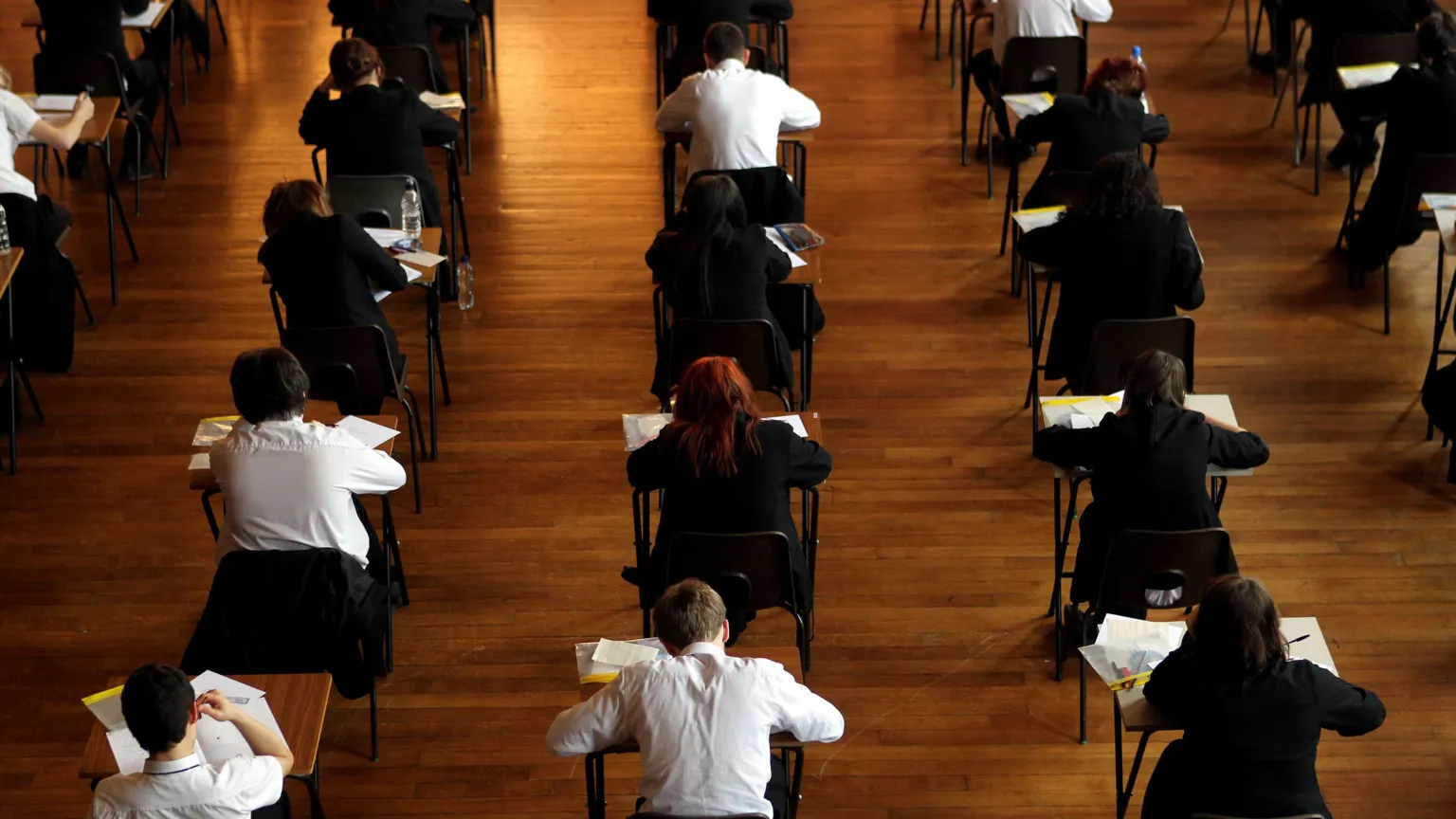
Pupils across Scotland have reported feeling upset, hopeless, and anxious about their futures after sitting a Higher Maths exam they described as "totally unrecognisable" compared to their classroom preparation.
More than 11,000 individuals have signed a petition demanding a review of the exam paper, citing concerns that it was "poorly worded, inconsistently structured, and out of step with every previous paper."
One of the primary issues raised involves the use of "command words"—terms that guide how students should respond to questions. Pupils stated these words differed from what they had been taught to expect, leaving them uncertain about what was being asked.
Qualifications Scotland Responds
Qualifications Scotland, the newly established exam authority, stated that all papers undergo checks to ensure they are "clear, fair and suitable." Approximately 20,000 pupils sat the Higher Maths exam last year.
This exam cycle marks the first under Qualifications Scotland, which replaced the Scottish Qualifications Authority (SQA) earlier this year. The SQA was dissolved following criticism from educators and politicians, partly due to its handling of exam grading during the Covid-19 pandemic and issues surrounding the 2024 Higher history exam paper.
Exam Structure and Student Experiences
The Higher Maths exam consists of two papers, both of which have presented challenges for students. However, the petition specifically addresses concerns about paper one.
An S5 pupil from Aberdeen, aspiring to study medicine, expressed worry about her university admission prospects if she does not achieve a top grade in Maths. She reported feeling "well prepared" before the exam, having completed four years' worth of past papers and earned an A in her prelim.
"When I opened it thought it was ok, but I got really upset with it," she said. "I thought I was really prepared, and had the impression that I was over-prepared but it was so different to what I'd done before."
After an hour's break, she approached the second paper feeling stressed due to her experience with the first.
"I scraped a finish in the second paper," she said. "I felt like I was running out of time because I was so stressed. I think it affected my performance."
One particular question that caused difficulty was question 11 in paper one, which referenced a "linear factor" when students had been taught about "real roots."
Another S5 pupil from South Lanarkshire described the exam language as "totally unrecognisable" compared to previous materials. He had aimed to maintain a straight-A record in Higher Maths and pursue studies in electrical engineering or law but now fears he may not achieve the required grade.
"I was extremely stressed, it's potentially a future-altering exam," he said. "There were people in tears coming out that paper. I felt hopeless going into second paper, it felt like my chances of getting an A were out the window. I was expecting the second paper to be easy if they made the first paper hard - it absolutely was not. It was as if both papers were constructed in a way that was preventing people from getting top marks."
He called for a formal review and explanation from Qualifications Scotland.
"You can't do this to people," he said. "It needs to be fair, what was done just wasn't fair."
Ben, a pupil from Perth and Kinross, acknowledged expecting a difficult paper but criticized the wording of questions as "unclear and inconsistent" with previous exams.
"For many students, the problem was not knowing what the question was actually asking or which method was intended, despite understanding the mathematical content itself," he added.
Teacher Feedback and Official Statements
The Educational Institute of Scotland (EIS) surveyed their network of maths teachers regarding the paper; initial feedback suggests the exam was fair.
Qualifications Scotland stated it monitors social media reactions and implements quality assurance measures before and after exams.
A spokesperson said:
"All exam papers are created and checked by experienced subject teachers, including the principal assessors, to make sure they are clear, fair and suitable for learners. Papers can vary in difficulty year by year and this is taken into account during our normal marking and grading process so that learners' final grades fairly reflect their achievements and maintain standards."
The Scottish government has been approached for comment.

Analysis: Can Trust Be Restored in the Exam Authority?
Exam papers undergo drafting and redrafting for approximately 12 months before being administered to pupils. Within about a week of an exam, Qualifications Scotland staff begin assessing how the paper was received.
If a question or series of questions proves particularly challenging for the majority, those questions or their results may be excluded from the final assessment. Alternatively, the overall pass mark could be lowered.
Such adjustments typically occur during the awarding stage, when examiners set pass boundaries for grades A to C.
In 2015, controversy arose over the Higher Maths paper, leading to the pass threshold for a C being reduced to 34%.
The 2020 cancellation of exams and subsequent teacher-estimated results, followed by thousands of grade downgrades by the SQA, further undermined confidence.
Qualifications Scotland was established earlier this year and faces heightened scrutiny, especially given its mandate to "win back trust."
Consequently, a petition calling for a review of one of its most widely taken subjects presents a challenging situation for the new authority.


