

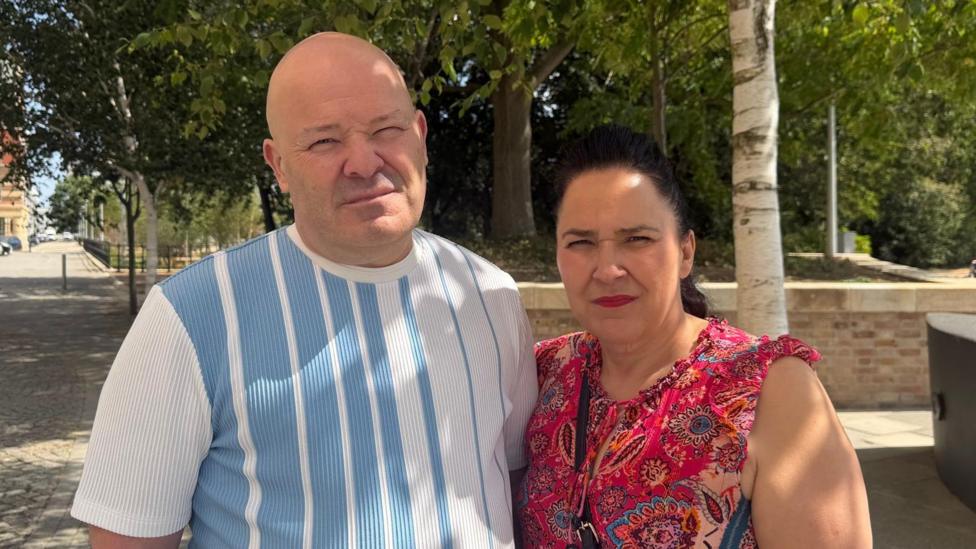
Relatives of the victims of Robert Bush called for funeral industry regulation outside his sentencing hearing at Hull Crown Court. Tristan Essex was among those gathered on the steps of the court with others whose lives had been devastated by the disgraced funeral director.
The 27-year-old is campaigning with his sister Claire for regulation of the funeral industry, a campaign that has taken them to Downing Street and prompted a new pledge from the government “to take urgent action to crack down on rogue funeral operators”. Their grandmother Jessie Stockdale was one of Bush’s victims, with her body among the 35 found at Legacy Independent Funeral Directors five months after her funeral was held.
Tristan said the news knocked the family “off its feet”. He said it was even worse when they learned the ashes they had been given were not Jessie’s remains.
This story contains details some might find distressing.
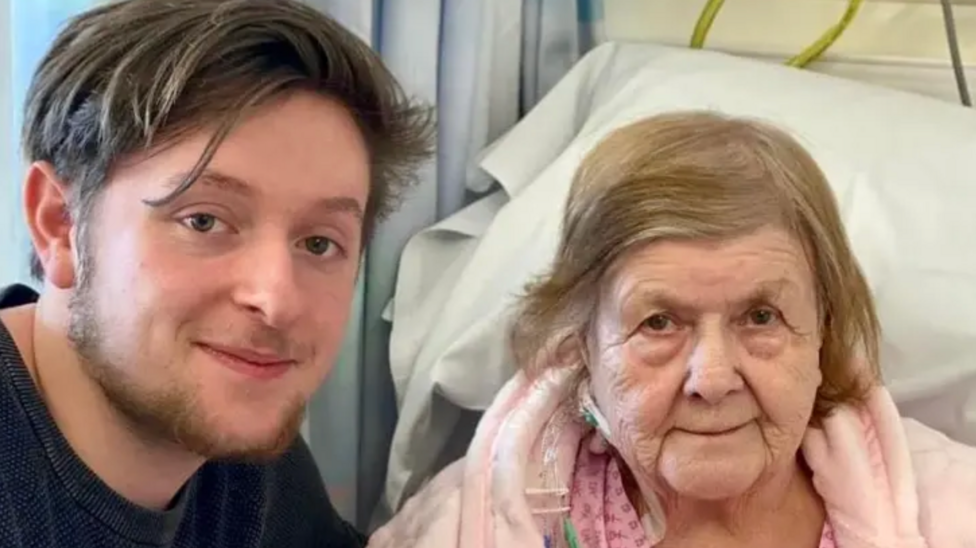
Tristan Essex says his memories of his nana, Jessie Stockdale, are “tainted” after Bush kept her body for five months after her funeral.
On Friday, Bush was jailed for 20 years for a litany of crimes. He failed to bury or cremate people, gave bereaved relatives the ashes of strangers and defrauded nearly 200 families out of more than £500,000.
It has been nearly two years since Tristan and Claire launched their campaign. Outside court, the group’s small white posters were printed with a QR code linking to a parliamentary petition for “full statutory regulation” of the funeral industry.
“You can start your own funeral directors from your shed,” said Tristan. “No regulations, no laws, no qualifications. The government's had forever to do it and we're still waiting.”
Will the government regulate funeral directors?
Following sentencing, the Department for Health and Social Care said it would develop “proposals for formal regulation of the funeral sector”, with families due to be consulted.
Yvette Cooper, the health secretary, said: “In the wake of this horrific case, we will now bring forward comprehensive proposals to ensure respect and dignity for the deceased in every setting, including proper regulation of the funeral sector.”
Prime Minister Andy Burnham also backed regulation and said he wanted to ensure “the highest standards” applied.
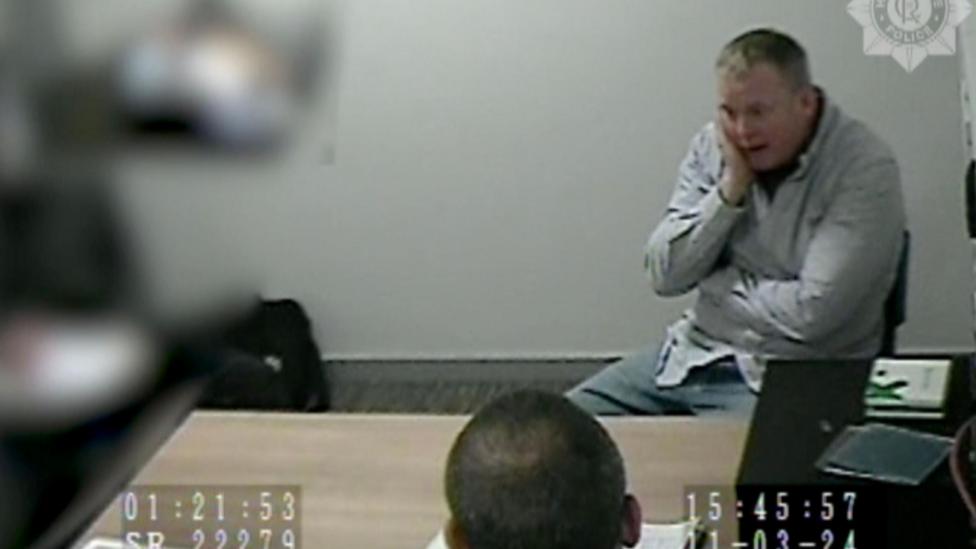
Bush himself highlighted the lack of industry regulation during police interviews.
The funeral industry in England, Wales and Northern Ireland is self-regulating, relying on voluntary codes and inspections by trade associations. Anyone can set up as a funeral director without formal training, registration or mandatory oversight.
Bush himself highlighted the lack of regulation during his interviews with Humberside Police.
In footage released by the force, an officer asks: “Has it ever happened in your experience that someone from Bereavement Services, for example, has turned up to ask to inspect your fridges to make sure they are in order?”
The officer asks: “Is [inspection] a thing that happens?”
“When you join the National Association of Funeral Directors (NAFD) you have an inspection,” Bush responds.
“They came round for spot inspections, but if you didn't come up to scratch there wasn't a penalty, you just weren't in their association any more.”
“They're also checking whether you've got cushions on your sofa or how many leaflets you have.”
He later adds: “I know we're a highly unregulated industry.”
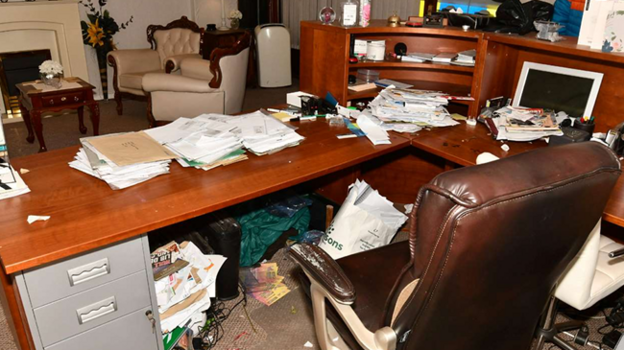
Police photographed scenes of chaos at Bush’s business in Hessle Road, Hull.
Bush admitted 67 offences, including 30 counts of preventing a lawful and decent burial.
The NAFD previously told the BBC how Legacy resigned its membership of its organisation in 2021.
In a statement, its CEO Andrew Judd described Bush’s crimes as “deeply shocking” and said families in Hull had been let down by “his unspeakable actions.”
Addressing calls for regulation, he added: “Our position at the NAFD has always been clear – we want to see independent statutory regulation of all funeral directors.”
That need was illustrated by the chaos and neglect captured in images and body-worn camera footage taken by police at Legacy. The inside of the Hessle Road premises was described in court as resembling a “horror scene”.
The question remains why Bush’s abuse of the system was not spotted by those he needed to regularly work with to conduct cremations and burials.

His sentencing hearing was told forms used to monitor and record burials and cremations had not been returned and, according to the prosecution, “not followed up by the assigned registrar”.
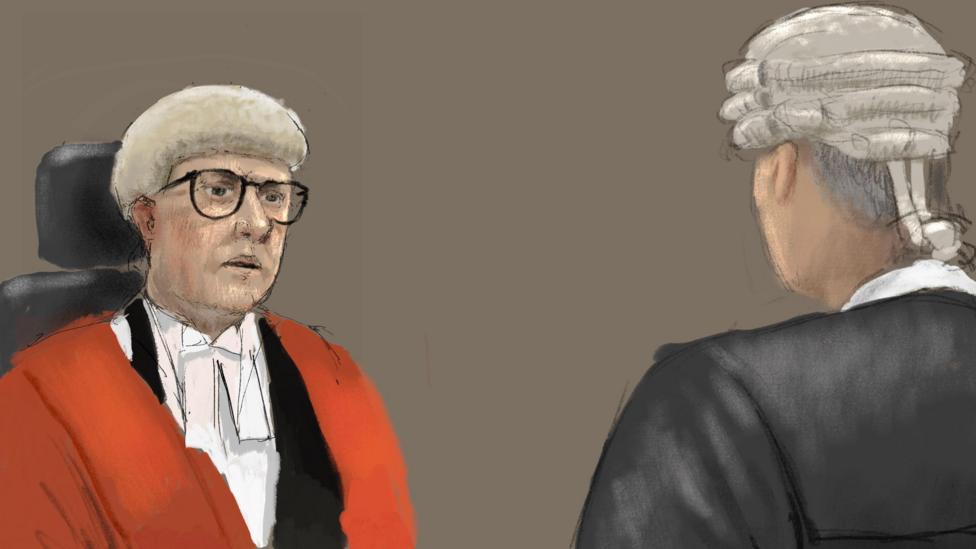
Judge Mr Justice Hilliard asked in court: “Why didn't they? What's the explanation? There's public interest in this. They want to know what's happened.”
Prosecution barrister Steven Ball later read out a joint statement from Hull City Council and East Riding of Yorkshire Council, in which the authorities said registrars were meant to inform the national general register office about missing certificates, but “that did not happen”.
However, the councils added: “Because the process as a whole doesn't provide the necessary oversight, it is not clear whether this would have changed the outcome of this tragic case.”
The authorities said the current framework for the funeral sector relied heavily on trust and called “for reform and registration”.
Sentencing Bush on Friday, the judge said “there were no checks over many years of the way in which he conducted his business” and “no oversight” of the condition in which the deceased were kept.
“A single visit might have been enough to bring some of what he was doing to a halt,” he added.
Nigel Hotham’s uncle, Mark Hotham, died in September 2023. His body was later found in Bush’s funeral parlour.
Speaking after the hearing, Nigel said it was “about time” the government acted and he was glad Burnham was listening.
“It's important that he does,” he said. “Things do need to change and they need to change fast.
“It's easier to open a funeral director's than it is to open a sandwich shop – and there's more regulation around sandwich shops than there is funeral directors.
“We're campaigning massively for change.”
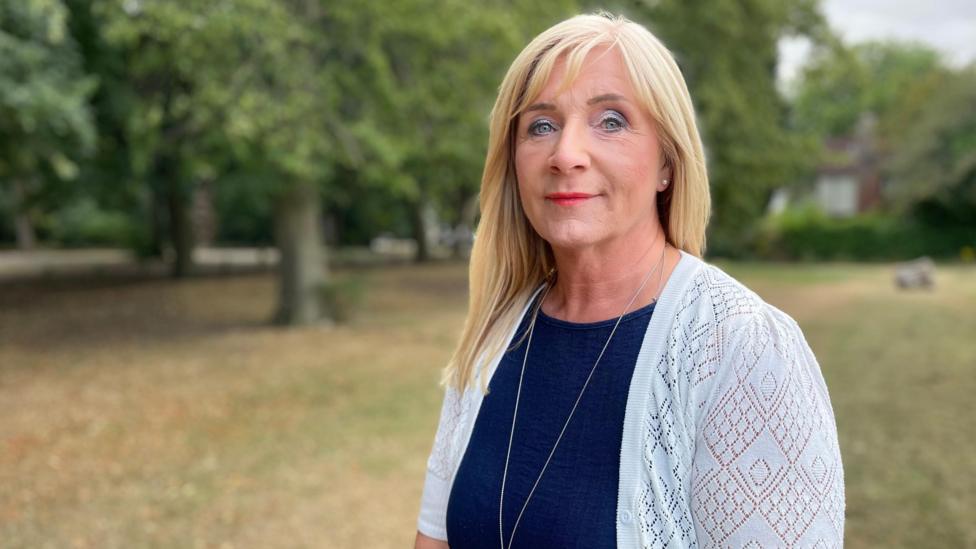
Karen Dry, who fears the ashes given to her by Legacy did not belong to her parents, Allan and Betty, said only a “full public inquiry” would satisfy her.
“There is an enduring sense of deep betrayal, emotional stress and damage caused by this individual to many families right across this city,” she said.
Speaking after Bush was jailed, she added:
“Without this regulation, I can guarantee you one thing: in five or 10 years time there will be another funeral director with another 300 families in a courtroom somewhere else getting another 20 years for doing exactly this.
“We've got to put a stop to it and it's got to stop now.”
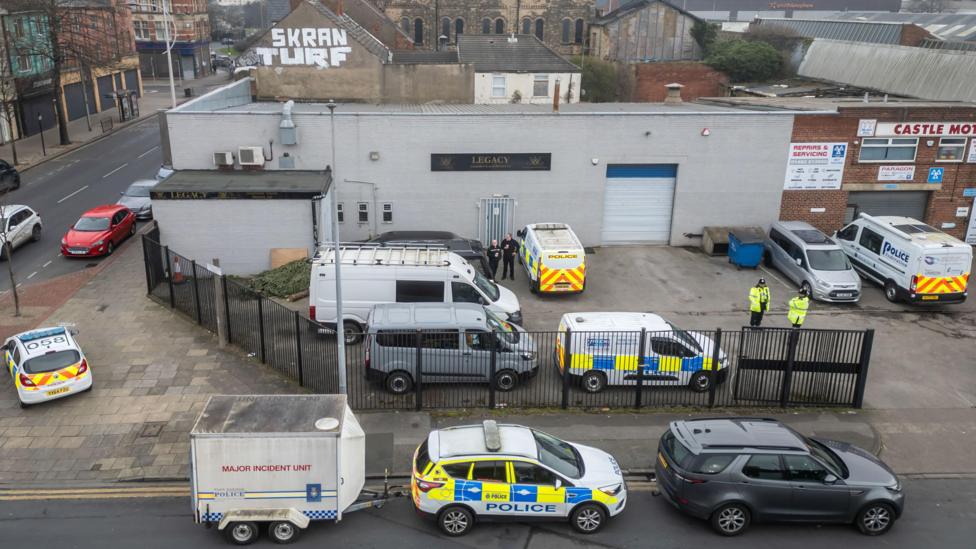
Police discovered 35 bodies and more than 100 sets of ashes when they raided the premises in March 2024.
Concerns about the treatment of the dead in both mortuary and funeral home settings did not begin with the Robert Bush case. Disturbing cases of neglect and malpractice in Gosport and Leeds have previously prompted calls for regulation.
Meanwhile, the 2021 inquiry into the abuse by David Fuller at the mortuary of Maidstone and Tunbridge Wells NHS Trust concluded the funeral sector was, in effect, “an unregulated free-for-all”.
It recommended, external the government establish an independent statutory regulatory scheme for funeral directors in England “as a matter of urgency”.
In Friday’s statement, the government referred to the Fuller inquiry, but made no mention of a statutory scheme.
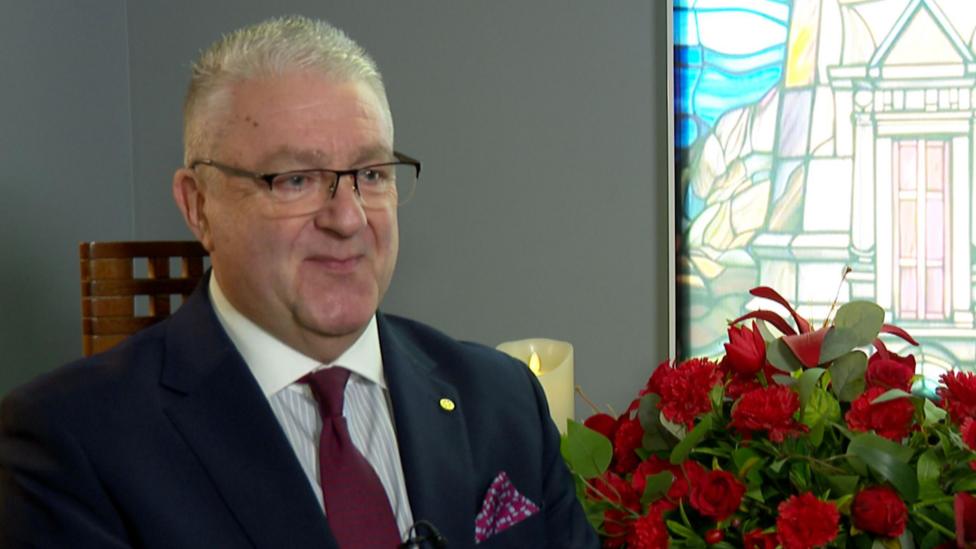
Kevin Moxon, who runs Moxon’s Family Funeral Directors in Hull’s Anlaby Road, said he was concerned “trust in our industry” had been badly damaged.
“This case [Robert Bush] is not indicative of how our profession runs. It's a sacred duty to look after someone's loved one,” he said.
“We need regulation bringing in pretty rapidly. We need inspectors coming round doing spot checks to ensure that we are all running to a set code of practice.”
Following the government’s announcement, Judd said the NAFD would make the case for statutory regulation as the best way to secure “meaningful change”. He told the BBC: “Our call for reform is about safeguarding the deceased and the bereaved. The dead cannot protect themselves.
“That responsibility falls to the rest of us.”
Watch the story of Robert Bush and Legacy funeral directors in a new programme on BBC .
If you have been affected by issues surrounding bereavement, information is available via BBC Action Line, including contact details of organisations that can help.
Disgraced funeral boss who failed to bury bodies jailed for 20 years
What families told undertaker who lied about bodies and ashes
Grieving mum was told baby's ashes were animal remains


