Amnesty International UK has apologised after a report described an Edinburgh sexual violence support centre set up by JK Rowling as “anti-rights”. Rowling threatened legal action over the briefing, which was published on Amnesty’s website in July and listed Beira’s Place among more than 100 organisations that it characterised as part of an anti-rights movement.
Amnesty said the briefing “should never have been published” and confirmed that an internal investigation was under way into how it came to appear online. The organisation also said an independent external review would be commissioned.
The briefing, titled A growing threat: the anti-rights movement in the UK, defined anti-rights actors as groups whose aim is to “restrict human rights by undermining human rights protections in law and practice”. Many of the organisations named were classed as “gender critical”, including Beira’s Place and For Women Scotland, the campaign group that last year won a landmark case on the legal definition of “woman”.
Rowling established Beira’s Place in 2022 after a row over the management of the Edinburgh Rape Crisis Centre, which at the time was being run by a transgender woman. The author said it was important that survivors of abuse had the option of “women-centred” and “women-delivered” care.
What did Amnesty UK say?
Amnesty UK said the publication amounted to a serious failure of standards and that responsibility for the error rested with the organisation. It also said the “anti-rights” labelling did not represent Amnesty’s position as an institution.
“This document should never have been published, and full responsibility for this error rests with Amnesty International UK.
“We have an ongoing internal investigation into how this briefing came to be published.”
Amnesty added:

“We apologise to Beira’s Place and other groups, which we categorised as gender critical organisations, which we should not have collectively labelled as anti-rights.”
The organisation said the briefing fell “significantly short” of its standards. It also said another briefing, entitled Like A Snowball, which also referenced a wide range of organisations, had been taken down.
The apology concluded that Amnesty remained committed to defending marginalised groups including “women, girls, and members of the trans community”.
How did Beira’s Place respond?
Beira’s Place said Amnesty’s reports contained “false and harmful allegations”. It said the permanent removal of both reports amounted to a tacit acceptance that they contained allegations which were false and defamatory of many of the organisations it classified as “gender critical”.
“The permanent removal of both reports is a tacit acceptance that they contained allegations which were false and defamatory of a large number of organisations which it classed as 'gender critical'.
“While the apology is welcomed it does not rectify the reputational damage caused to Beira’s Place. In particular the apology fails to recognise that those most severely impacted are the staff who work day in day out to support survivors of sexual violence and the many women who need and use the service.”
Beira’s Place added that although the apology extended to those groups classed as “gender critical”, many other organisations were wrongly defamed by Amnesty in both reports for “simply upholding the protected belief that sex is real, immutable and important in many areas of life”.
“Those organisations also deserve a written apology.”
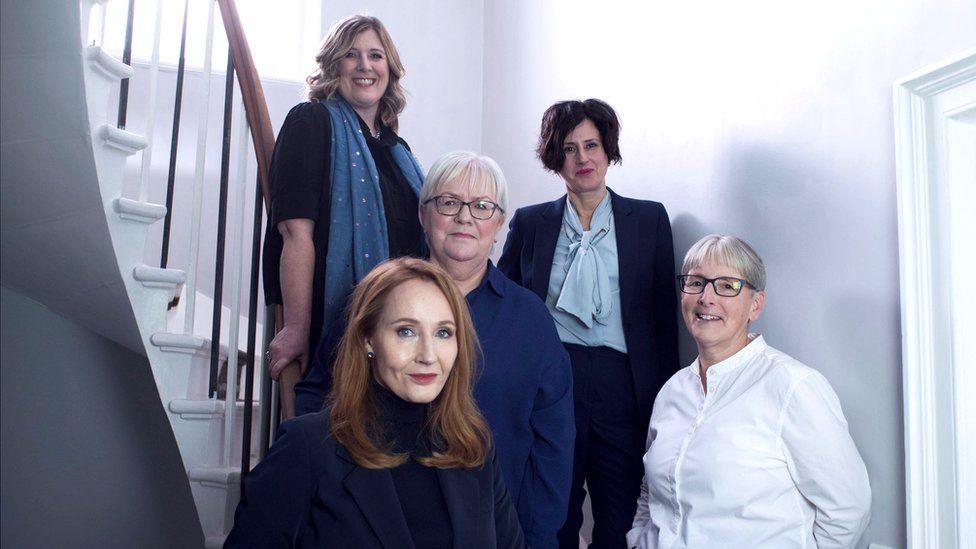
JK Rowling was pictured with founding board members of Beira’s Place, former prison governor Rhona Hotchkiss, former Scottish Labour leader Johann Lamont, GP Margaret McCartney, and director of For Women Scotland, Susan Smith.