

Unprecedented Political Contest in Birmingham
The contest for political control of Birmingham, the UK's largest local authority, is currently the most unpredictable it has ever been. Once a key Labour stronghold, the city now faces a fragmented political landscape with numerous candidates from non-traditional parties and a forecast of very low voter turnout, suggesting a significant shake-up is likely.
Several political parties have acknowledged they are preparing to negotiate coalitions following the vote count scheduled for 8 May. As candidates enter the final week of campaigning, the outcome of Birmingham's local election remains difficult to predict.
Labour has led Birmingham for all but 12 of the past 50 years. However, this election appears unlikely to deliver a single party the 51 seats required for an outright majority. Consequently, it is probable that the council will be governed by a joint administration for the first time in over a decade. This coalition, however, would differ markedly from the Conservative and Liberal Democrat alliance that governed until 2012, due to the emergence of new challengers disrupting traditional local politics.

Labour's Position and Emerging Challenges
Birmingham holds significant importance for Labour as the largest local authority in the UK and a long-standing bastion of the party. Yet, signs of vulnerability appeared during the 2024 general election when Labour lost the previously secure Perry Barr seat to an independent candidate. Additionally, pro-Gaza candidates came close to winning in two other Labour-held wards, an issue that continues to resonate on the campaign trail.
While parties concede that city councillors have limited influence over international affairs, some recognise the need to address these concerns. Julien Pritchard of the Green Party stated,
"As well as being councillors who are trying to make sure the council delivers for the city, we also are representing communities across the city and representing what's important to them; and in some parts of the city that's international issues."
Previously holding only two council seats, the Greens anticipate making greater gains in this election.
Fragmented Political Landscape
The local elections are expected to reveal the extent to which traditional party allegiances have fractured, with voters choosing among six, seven, or even eight candidates representing a variety of parties and alliances. It is challenging to discount any grouping's chances of success.
At a hustings event organised by Birmingham Live, seven candidates or spokespeople participated, though more could have been involved.
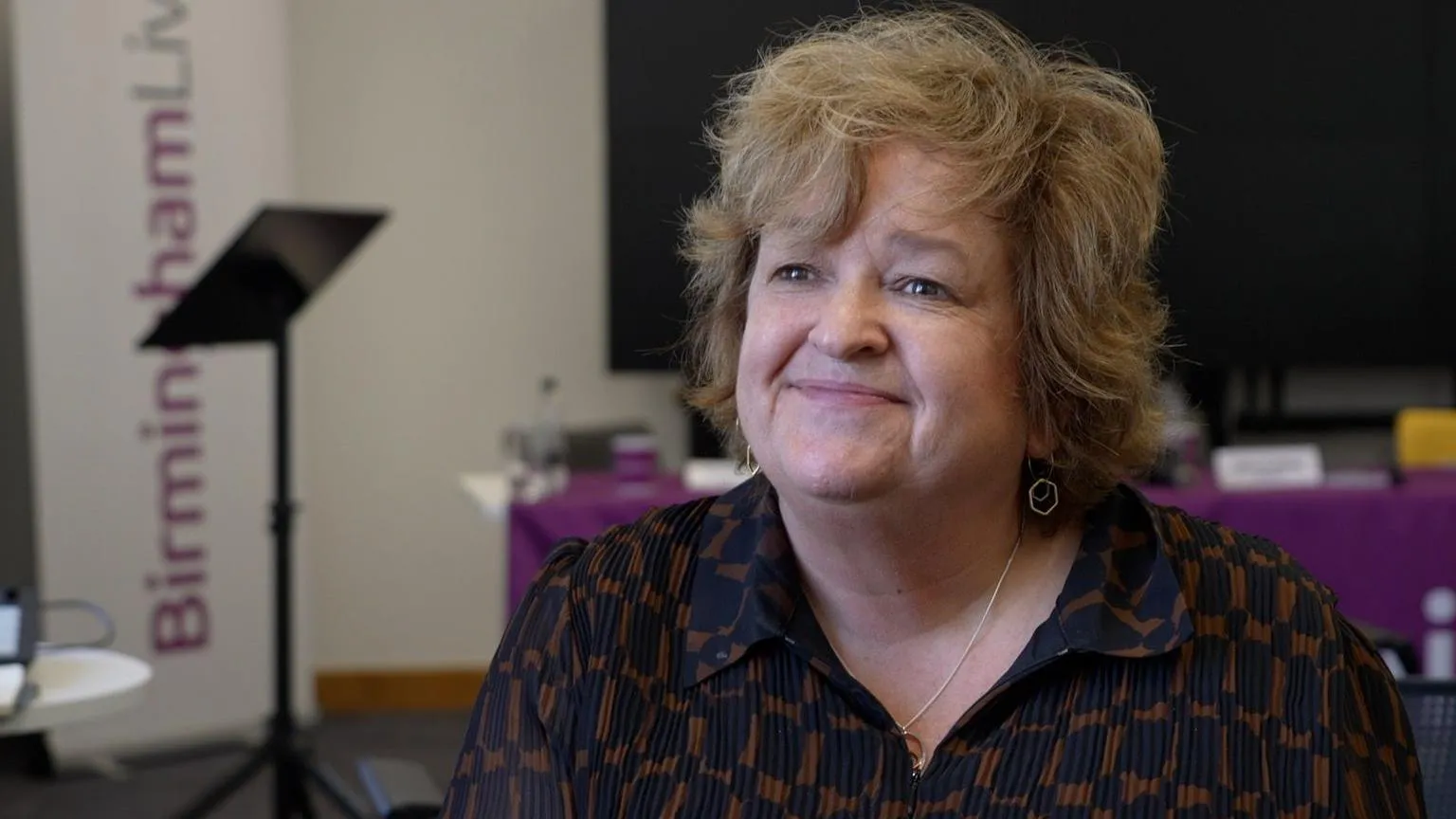
Jane Haynes, a veteran reporter for Birmingham Live who has covered the city's politics for decades, commented on the unprecedented nature of this election:
"That old traditional way of doing politics seems to have disappeared and we're seeing it come to life here in Birmingham. We're seeing really strong campaigns and messages coming out of places that don't normally have voice in the political system."
Bin Strike Dominates Campaigns
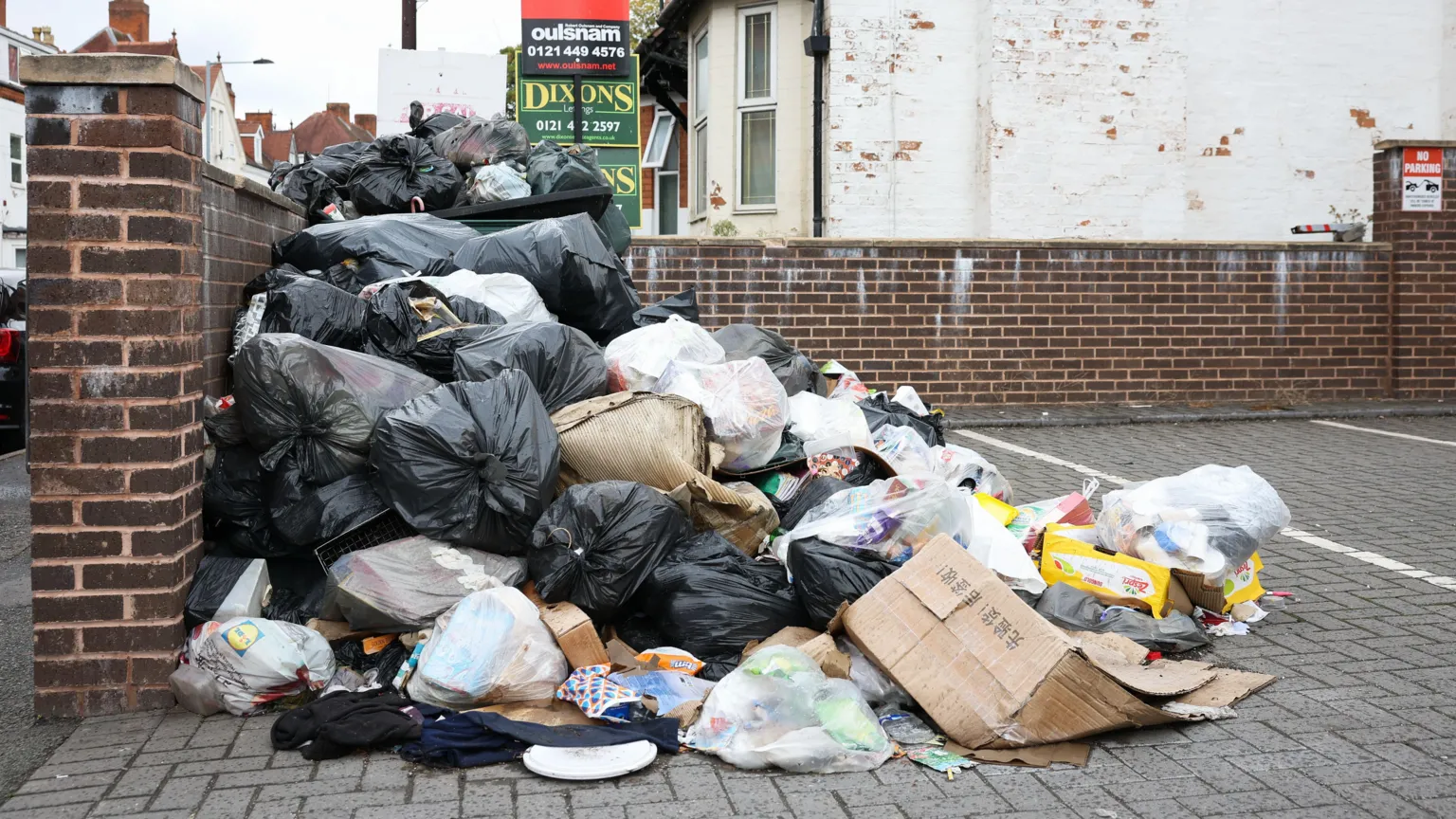
A key issue dominating the campaign is the ongoing bin strike. Members of the union Unite initiated walkouts in January 2025, leading to an all-out strike lasting over a year. During this period, recycling collections have ceased entirely and waste collection services have been severely disrupted.
Ten days before polling day, the ruling Labour group announced that a proposed deal had been reached, which would be ratified after the election. Rival parties expressed scepticism regarding the timing of this announcement but concurred that resolving the dispute and restoring waste collection services are priorities.
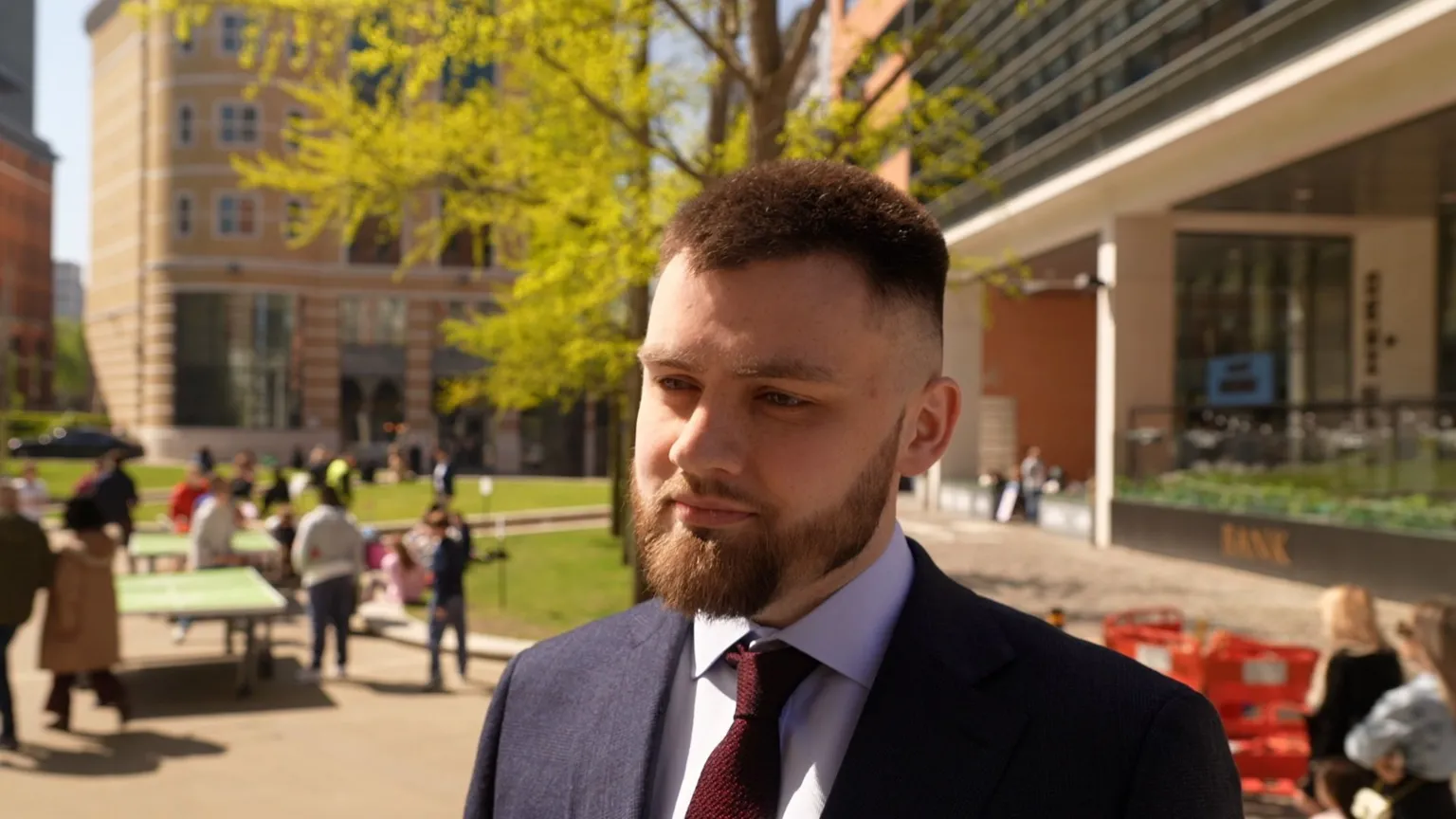
Jex Parkin, a 24-year-old Reform UK candidate, stated,
"We'd seek the correct legal advice from both parties in order to get an end to the bin strike, clean up our streets, get the finances in order and deliver change for Birmingham."
Financial Challenges and Service Cuts
The city council declared itself effectively bankrupt in September 2023 but now reports that it is no longer in that state. The financial difficulties have had widespread effects, including the closure of community and youth centres, libraries, and reductions in various services.
Labour leader John Cotton acknowledged the hardships endured by the city but asserted that his party is best positioned to lead Birmingham forward.
"Brummies have got a choice at this election. It's between unity and a clear plan for the future with a Labour-led council or, frankly, division and risk with Reform and so-called independents pitting communities against each other."
Independent Candidates and New Political Forces
Independent candidates present a novel challenge in many parts of Birmingham. These independents comprise various groups, including former Labour councillors who have left the party and activists focused on hyper-local issues within specific wards. A significant coalition known as the Independent Candidate Alliance (ICA) has formed, agreeing not to contest seats against the pro-Gaza Workers' Party due to shared views.
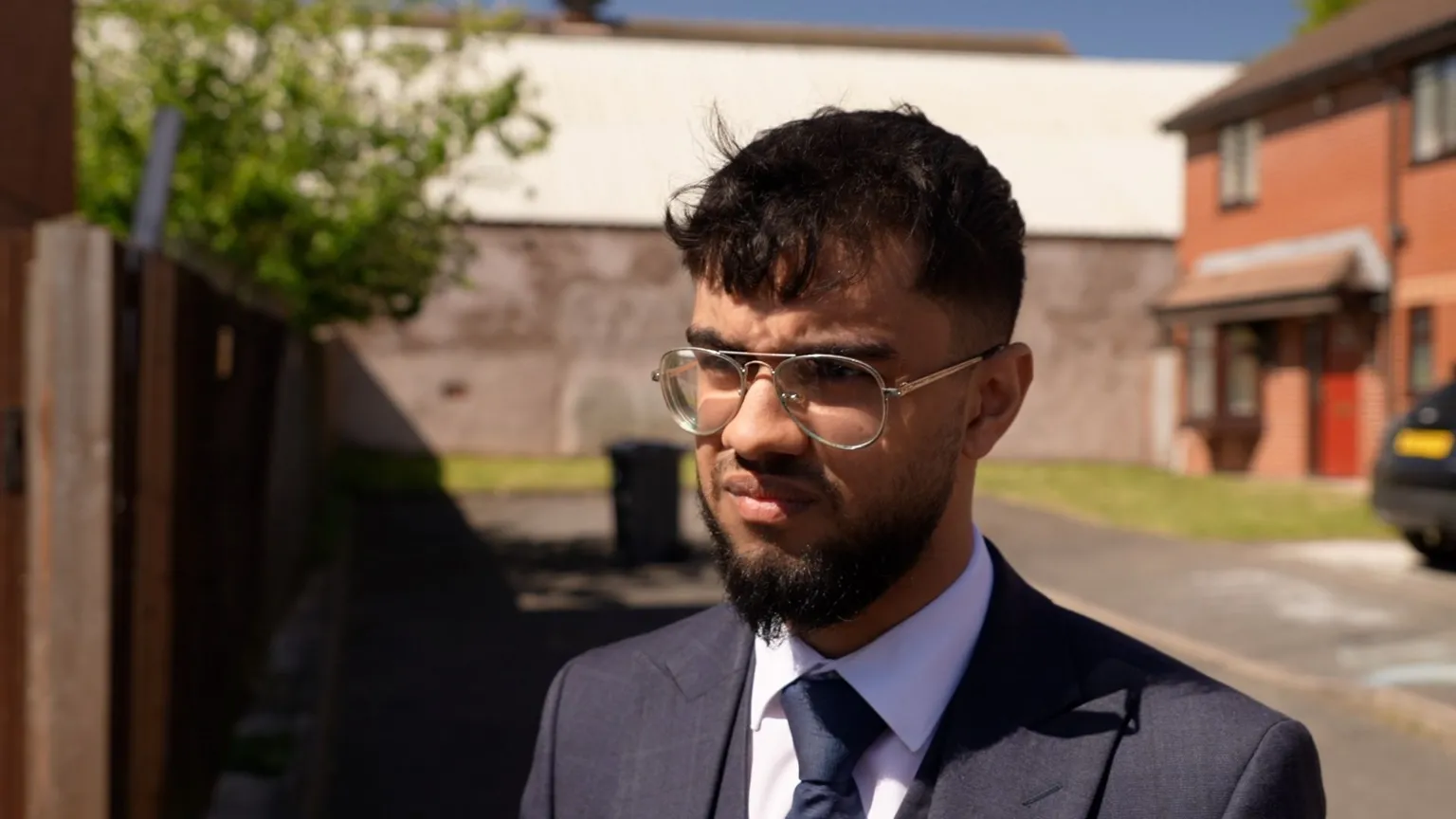
Raihaan Abbas, a 22-year-old representing the ICA and a first-time politician, explained the appeal of independents to voters disillusioned with traditional politics:
"A lot of people we've spoken to on the doors don't want to vote any more, because they feel that it's going to be the same failures again. Independent is new and they have more trust in independents from all of us coming from our communities."
Conservative Party's Ambitions and Coalition Prospects
Since local government reorganisation in the early 1970s, the Conservatives are the only other party besides Labour to have governed Birmingham City Council. Their last period in power, from 2004 to 2012, was supported by the Liberal Democrats.
The Conservatives remain the second-largest party locally and aim to secure an outright majority. The party will appear on the ballot as Local Conservatives, and leader Robert Alden acknowledged the possibility of post-election cooperation with other parties.
"We'd have to see who was actually elected, and then we'd seek to work with those who share ideals about trying to clean up Birmingham, save weekly bin collections, fix the potholes."
Other Key Campaign Issues
Additional important topics raised during hustings and on the doorstep include calls for improved regulation of houses in multiple occupation, a crackdown on fly-tipping, and addressing the numerous potholes, which many residents describe as the worst in memory.
Liberal Democrat leader Roger Harmer emphasised a campaign focus on cleanliness and enforcement:
"Clean up the city, end the bin strike and deal with fly-tipping and litter across our streets. Ensure antisocial behaviour is cracked down with proper enforcement of the rules and finally to actually deliver a council that listens to communities."
Election Outlook and Impact
With voter turnout expected to be approximately 30% and the presence of numerous candidates, the election outcome is highly uncertain. New challengers hope these factors will aid their success, but traditional parties may benefit if they mobilise their core supporters effectively on 7 May.
The vote count will take place on 8 May, and the results will significantly impact the lives of Birmingham's 1.2 million residents.
Follow BBC Birmingham on , Facebook, X and Instagram.


